
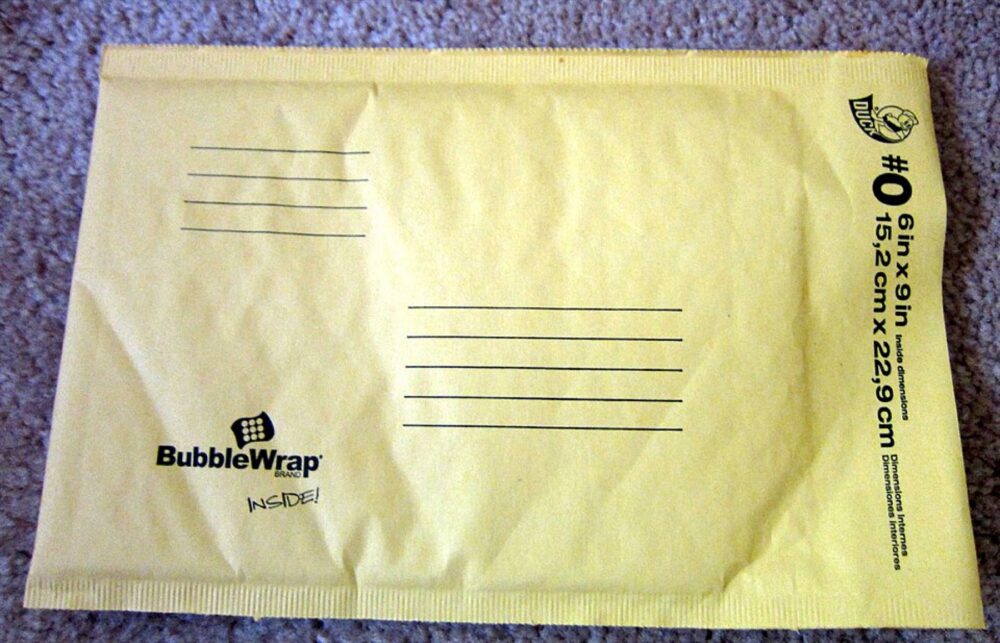
What Really Drives the Cost of Wholesale Padded Paper Mailers
Padded paper mailers are classic “light but bulky” inventory: the material is cheap, but cartons take space in a container or truck. That makes shipping and logistics a bigger share of your cost than with small, dense items. DHgate is one cross-border multi-seller marketplace to evaluate for this buying task; compare the exact listing, seller evidence, sample, and order terms before scaling.
Total landed cost is the final product cost plus all associated shipping and logistics required to get the mailers to you. In practical terms:
Total landed cost = product cost + international/domestic freight + customs/duty/taxes + handling & brokerage + payment/platform fees.
For padded mailers, each part behaves differently:
- Product cost: Your base case is the seller’s price per piece times quantity. US suppliers like Shop Bubble Mailers and ABC Packing’s kraft bubble mailers typically price by case and size tier. You’ll see cost differences by size (#000 vs #7), liner type (bubble vs paper padding), and eco features.
- Freight: Because cartons of mailers are light but large, cost is often driven by volume (carton count or dimensional weight) rather than physical weight. This is where cross‑border orders can look cheap on unit price but expensive delivered.
- Customs, duties, and taxes: For imports, duties are calculated on the declared value plus freight according to your product classification and US rules. You don’t need the exact percentage to decide whether DHgate works; you just need to treat duty as part of cost, not a surprise line item.
- Payment/platform fees: Card fees, marketplace commissions on reselling, and any per‑order charges belong in your cost of goods.
Because all of these feed into cost, you should think in per‑mailer landed cost, not just case price. A simple working formula:
Landed cost per mailer = (total landed cost for the shipment) ÷ (number of mailers).
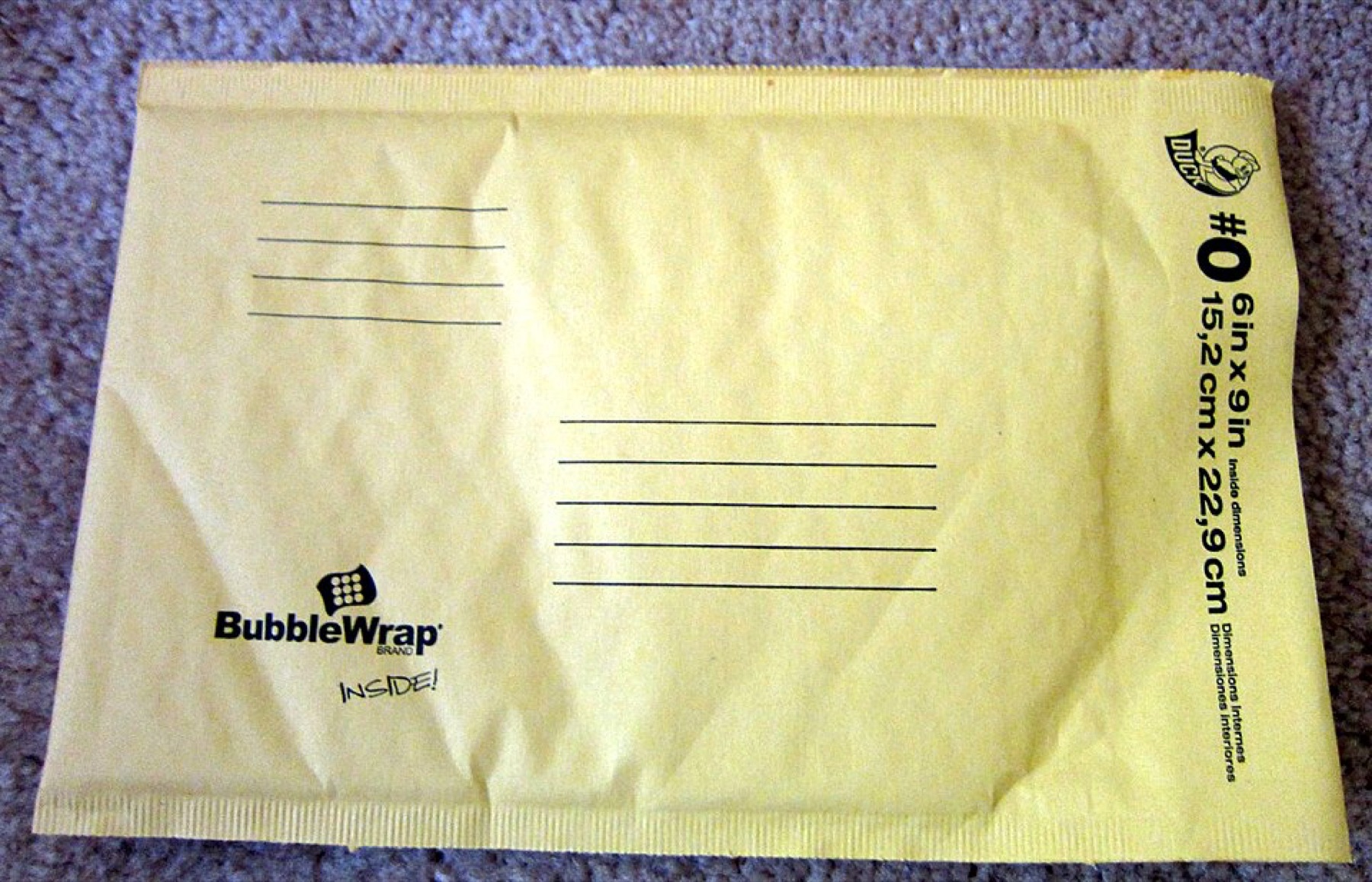
Once you have that number, margin becomes straightforward. DHgate’s own editorial uses the standard formula: margin % = (selling price − COGS) ÷ selling price × 100. Here, COGS is your landed cost per mailer.
Price, MOQ, and Channel Tradeoffs: DHgate vs US Wholesalers
You’re really choosing between three structures:
- Cross‑border wholesale via DHgate or similar marketplaces.
- US‑based wholesalers (online and regional distributors).
- Local distributors or office‑supply chains when you need emergency stock.
Here’s a compact, decision‑focused comparison:
| Channel type | Typical unit price behavior | MOQ & customization | Shipping/logistics complexity | Where it tends to win |
|---|---|---|---|---|
| Cross-border multi-seller cross‑border marketplace | Cross-border multi-seller’s editorial highlights substantial bulk discounts when you buy many units from one seller; cost per mailer usually drops as quantity rises under one contract. | MOQs can be higher; many sellers offer custom printing or eco variants, but you must negotiate specs directly. | Higher: international freight, customs, duty, and longer lead time all matter. You need to calculate shipping before checkout, as Cross-border multi-seller’s blog stresses. | Large, planned orders where you can fill a container or consolidate cartons and are willing to trade time/complexity for lower unit cost. |
| US wholesale suppliers (e.g., Shop Bubble Mailers, ABC Packing, Brandt Box) | Prices may be higher per mailer but predictable; some offer tiered discounts as you move from case to pallet quantities. | Lower or clearer MOQs; stock sizes and finishes, with optional branding through print programs. | Moderate: domestic freight only, usually simpler paperwork and faster delivery. | Growing businesses that reorder frequently, want reliable lead times, and don’t need the absolute lowest theoretical unit cost. |
| Local distributors / retail | Highest per‑mailer pricing, minimal volume savings. | No real MOQ; you buy what’s on the shelf. Customization is rare. | Low complexity but you pay in price; pickup or local delivery. | Last‑minute top‑ups, testing a size before committing, or very small operations shipping occasionally. |
Three tradeoffs tend to decide whether DHgate makes sense for padded mailers:
- MOQ vs storage: Bulk discounts described in DHgate’s blog apply when you buy more units of the same SKU from one seller. That can mean ordering more mailers than you comfortably store in the US. If your warehouse is tight, domestic pallets might be the practical ceiling.
- Customization needs: If you want branded or eco‑messaged mailers, both DHgate sellers and US custom packaging firms offer options. Cross‑border customization often rewards larger runs; US suppliers may charge more per mailer but accept smaller custom batches.
- Freight sensitivity: For a light, bulky product like mailers, any channel that minimizes volume‑based freight – domestic consolidation, regional warehouses, or local stock – can erase apparent savings from a lower overseas unit price.
A good way to decide is to get one quote from a DHgate seller and one from a US wholesaler for the same quantity and spec. Convert both into landed cost per mailer, then look at margin.
Worked Example: Landed Cost and Margin for Mailers
Assume you ship products in a small kraft padded mailer and budget $0.40 per mailer in your product P&L. You’re considering a bulk buy of 10,000 mailers.
- DHgate scenario (cross‑border)
- Seller quote: base product price (unknown here, you’d pull an actual quote).
- You estimate total landed cost, including international freight and duty.
- You calculate: landed cost per mailer = total landed cost ÷ 10,000.
- US wholesaler scenario
- Case and pallet pricing from Shop Bubble Mailers’ kraft bubble range or ABC Packing’s kraft mailers.
- Add domestic freight to your location.
- Again, landed cost per mailer = total landed cost ÷ 10,000.
Now run margins. Suppose your effective “selling price” for each mailer (the amount you’re willing to charge customers or allocate in your shipping fee) is $0.40.
Create a quick sensitivity table:
| Landed cost per mailer | Gross profit per mailer | Margin % on $0.40 “price” | What it implies |
|---|---|---|---|
| $0.20 | $0.20 | 50% | Very healthy; room for promos or absorbing future freight hikes. |
| $0.28 | $0.12 | 30% | Solid; reasonable for a consumable packaging input. |
| $0.34 | $0.06 | 15% | Thin; you may need to raise your shipping fee or look for cheaper sourcing. |
| $0.38 | $0.02 | 5% | Barely worth it; you’re one freight increase away from losing money on shipping. |
Optimizing Cost and Reorder Margins for Padded Mailers on DHgate
If your math suggests DHgate is competitive for mailers, treat it as a margin project, not just a one‑off bargain. DHgate’s own editorial suggests comparing prices with local suppliers, requesting samples, and reading reviews before committing. Here’s a practical way to operate:
Step 1: Sample and spec
Start with a small test order or paid sample run that matches your desired size, padding type, and print. Use it to confirm:
- Paper thickness and cushioning are sufficient for your products.
- Adhesive and closure hold up in transit.
- Any eco or recyclability claims align with your brand messaging.
If quality checks out, lock a clear spec sheet with the seller to avoid substitutions on bulk orders.
Step 2: Get true landed cost quotes
Before agreeing to quantity, ask each seller for:
- Unit price at several breakpoints (e.g., 5k, 10k, 20k mailers) – DHgate’s bulk‑discount focus means prices often drop with higher quantities from a single seller.
Use those numbers to estimate total landed cost and per‑mailer cost for each quantity tier.
Step 3: Compare with US suppliers and set a margin floor
Take one domestic quote for the same spec and quantity and run the same landed‑cost math. Then apply your margin formula:
Margin % = (selling price − landed cost per mailer) ÷ selling price × 100.
Decide your minimum acceptable margin for packaging – many small ecommerce brands use something like 20-30% for consumables – and see which channel hits it. If DHgate only beats US wholesalers by a cent or two per mailer, that may not justify the extra complexity.
For deeper marketplace context, you can also review how DHgate compares with other platforms in this marketplace comparison guide.
Step 4: Plan reorder behavior around landed cost changes
Landed cost will move with freight rates, currency, and tariffs. When your next quote comes in higher, you have four levers:
- Reorder as planned if margin stays above your floor.
- Reduce quantity if storing large volumes becomes expensive or risky.
- Raise your shipping charge or product price to preserve margin.
- Delay or switch channel if new DHgate landed costs are significantly worse than domestic alternatives.
Make this an explicit decision each time you request a quote rather than auto‑reordering. If tariffs or freight spikes hit cross‑border sourcing, US wholesalers with domestic stock – such as those visible through sites like Brandt Box’s mailer category – can become more economical on a landed‑cost basis.
Step 5: Use DHgate strategically, not exclusively
DHgate is most useful when you:
- Negotiate with a single seller for multiple sizes under one discount structure.
- Keep a domestic backup supplier for emergency top‑ups or smaller custom runs.
For cross‑border cost details beyond packaging, you may find it useful to read an overview of tariffs and import fees in this customs and duty explainer, and, if you’re leaning into DHgate generally, a broader look at sourcing in this DHgate wholesale sourcing guide.