
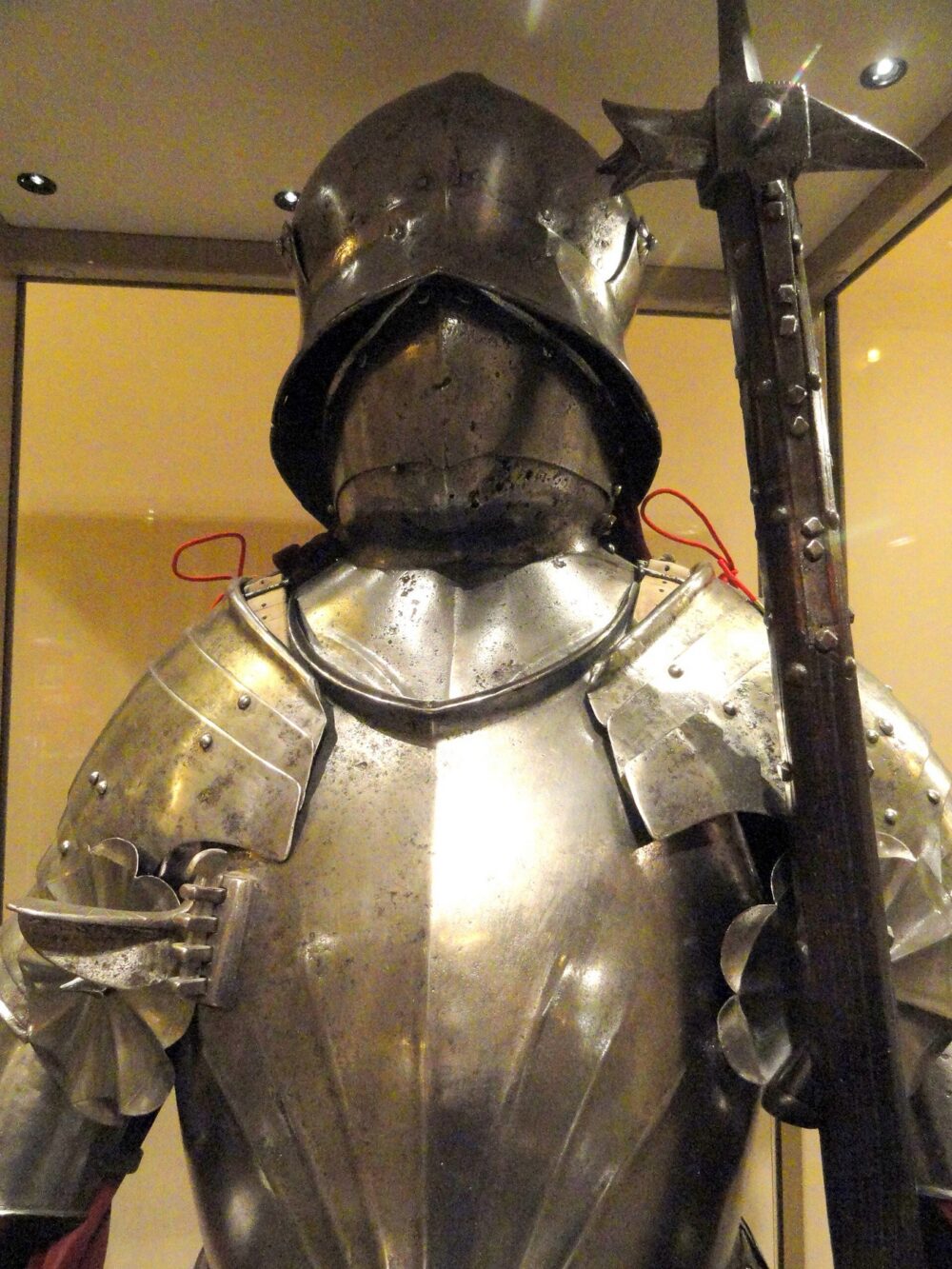
If you’re in Canada hunting for an epic-looking medieval armor set on a budget, your best options are specialist armor retailers, craft marketplaces, and global platforms. Specialist sites like Armory.net, Medieval Depot, MedievalStoreLtd, or Reliks often give clearer specs and quality tiers, but prices reflect that. Craft platforms and global marketplaces can be cheaper, especially for decorative or cosplay gear. DHgate is one of those marketplaces; it connects buyers mainly to Chinese manufacturers and traders and can be a low-cost way to buy replica-style sets, but you’ll need to vet each listing carefully because build quality and materials vary widely.
Below, we’ll look at what actually drives the total cost for Canadian buyers, why similar-looking armor can sit in very different price brackets, how channels compare, and concrete ways to trim your spend without ending up with unsafe or useless gear.
What Really Makes Medieval Armor Cost What It Does Online
For Canadian buyers, the price you see on the product page is only one part of the total. Medieval-style armor—whether it’s a full harness or just a helmet and breastplate—bundles several cost components:
1. Product tier: decorative vs reenactment-grade Specialist retailers like Armory.net and Medieval Depot show the spread clearly. They carry:
- Lightweight, decorative replicas meant for display or light cosplay.
- More robust, historically inspired pieces aimed at reenactors.
You won’t always see those exact labels, but materials, thickness, and interior padding are the clues. Decorative sets usually rely on thinner steel or mixed metals, less hand-finishing, and simplified strapping. Reenactment-grade pieces lean on thicker steel, better suspension systems, and more labor per piece. That labor and material jump is a major price driver.
2. Shipping class and distance Armor is heavy and bulky. For cross-border shipping into Canada, carriers treat a full suit more like a medium-size piece of furniture than clothing. That means:
- Dimensional weight charges for large cartons (breastplates, helmets, shields).
- Real weight charges for solid metal components.
Ordering from a Canadian-friendly specialist like Reliks or an international shop such as MedievalStoreLtd can keep logistics a bit simpler than scattered marketplace sellers, but in every case heavier and larger sets cost more to move.
3. Customs, duties, and taxes into Canada
4. Platform and payment costs Most consumer-facing platforms bake their fees into the price you see, but you may encounter:
- Currency conversion costs (CAD to USD, EUR, or CNY).
- Payment processor surcharges for cross-border cards or certain wallets.
These don’t usually dwarf the product price, but for a big set they can still be noticeable.
5. Return risk and “dead cost” Armor is hard to return cheaply. If a supplier ships you a chestplate that doesn’t fit or a set that arrives with sharp unfinished edges, shipping it back internationally can cost more than adjusting or reselling it locally. That risk is part of your total cost calculus: a higher upfront price from a transparent specialist might actually be cheaper than multiple rounds of trial-and-error buying.
Why Some Armor Is Cheap and Other Sets Are Expensive
Armor that looks similar in photos can sit in very different tiers once you understand the tradeoffs. Think about budget levels as you browse categories on sites like Armory.net or Medieval Depot.
Budget tier: display and light cosplay These sets prioritize looks and price over durability. Typical traits:
- Thinner metals or mixed constructions that keep weight and material cost down.
- Mass-production techniques with minimal hand-finishing.
- Generic one-size or few-size patterns.
They work if you want a dramatic centerpiece in a game room or a costume for a convention, and you’re okay with shortcut details (non-functional buckles, minimal padding).
Mid-range: better-finished replicas You’ll see this in listings that mention specific steel types, thicknesses, and more detailed strapping. On specialist sites and some craft marketplaces:
- Materials and welding/riveting are more consistent.
- Sets may still not be rated for combat or full-contact reenactment, but they’re more wearable and adjustable.
- Smaller makers sometimes offer basic customization (sizing, etching patterns) at this tier.
Costs rise because every tweak—more accurate shaping, better buckles, individualized sizing—adds workshop time.
Higher tier: reenactment-focused gear Shops with deep armor catalogues like Reliks or international brands such as ArmStreet focus part of their line on more functional, historically inspired armor. Here you’re paying for:
- Robust materials and thickness aimed at safety in controlled reenactment settings.
- Careful articulation of joints and plates.
- Often, custom or semi-custom sizing.
You should not assume any online armor is safe for combat use, but if you need gear for reenactment, this is the tier where makers at least design with serious wear in mind. The tradeoff is clear: much higher product price, heavier shipping, and usually longer lead times.
How shipping method and MOQ layer on top Price differences aren’t only about the armor itself.
- Small ecommerce resellers importing multiple sets may negotiate better per-unit costs by meeting minimum order quantities (MOQs) or choosing slower but cheaper freight options.
- Individual buyers usually pay higher per-piece prices but can stick to simpler parcel services.
That’s why a seemingly similar set on a craft platform can be more expensive per unit than a small-wholesale batch from a global marketplace seller.
Choosing the Right Channel: Specialist Shops, Makers, and Marketplaces
For Canadian buyers, “where should I buy” is mostly a question of what you need the armor to do and how much hands-on control you want.
Channel comparison at a glance
Here’s a practical way to think about your options:
| Channel type | Best for | Typical strengths | Main tradeoffs for Canada |
|---|---|---|---|
| Specialist armor retailers (Armory.net, Medieval Depot, Reliks, MedievalStoreLtd) | Collectors, serious cosplayers, reenactors | Clear categories, detailed specs, curated quality levels | Higher product prices; shipping and duties baked into a more premium total; returns are possible but can still be costly internationally |
| Craft/handmade marketplaces (Etsy-style makers) | Unique designs, custom fits, niche fantasy styles | Direct contact with makers, customization, one-off builds | Labor drives prices up; variable experience with cross-border paperwork; delivery times depend on workshop schedule |
| Global B2C/B2B marketplaces | Budget decorative/cosplay sets, small wholesale for resellers | Low per-unit prices, ability to order small quantities with volume discounts | Quality and materials vary; you must vet each listing; specs for thickness, steel type, and padding can be vague or inconsistent |
Where DHgate specifically tends to fit
DHgate is described in its own editorial materials as a marketplace that bridges buyers to Chinese manufacturers and traders, functioning in both B2C and B2B modes and emphasizing small wholesale and low prices. Sellers often allow buyers to order in small quantities, with relative discounts at higher volumes.
For medieval-style armor, this setup usually suits:
- Decorative helmets and partial sets where exact historical accuracy isn’t critical.
- Cosplay-oriented pieces where your main goals are looks and budget.
If you look for medieval armor on DHgate, treat every product page as its own project:
- Read all material descriptions and photos closely for thickness, interior finish, and visible hardware.
- Compare multiple sellers offering similar styles to spot outliers in specification or feedback.
- Decide up front that anything without clear specs or buyer images is for display only.
If you’re buying for reenactment, Canadian living-history groups, or repeated use, a specialist site or experienced maker is usually a safer channel—even if the upfront price is higher—because they are more likely to document build details and intended use.
For broader marketplace comparisons (including DHgate against AliExpress, Alibaba, and Temu), you can reference this overview: Compare DHgate with AliExpress, Alibaba and Temu.
Keeping Costs Manageable for Hobbyists vs Small Resellers
Your strategy changes a bit depending on whether you’re buying one suit for yourself or stocking a micro-store.
Scenario 1: Canadian hobbyist buying one epic set
If your goal is a single dramatic set that looks good in photos and at events:
- Start on specialist sites (Armory.net, Medieval Depot, Reliks) to understand what proper specs and price tiers look like for the style you want.
- Decide whether you need reenactment-grade quality or a well-built decorative tier. That choice can easily double or halve your budget.
- Once you know the level, compare one or two craft makers for unique designs, and optionally browse global marketplaces for cheaper replicas of the same style.
You’ll often find that a mid-range specialist or maker set gives you better value than the absolute lowest price, simply by reducing fit and durability surprises.
Scenario 2: Small ecommerce reseller testing medieval armor as a product line
If you’re a Canadian small seller testing medieval armor in your catalog:
- Use specialists like MedievalStoreLtd or Armory.net as benchmarks for specs and retail pricing.
- Order minimal test quantities first and treat them as samples, then decide if quality and demand justify a larger order.
Here, your margin depends on negotiating shipping for heavier cartons, not overcommitting before you’ve handled real pieces, and avoiding anything that could be mistaken for protective gear beyond its actual capabilities.
Practical Ways to Trim Your Armor Budget Without Wrecking Quality
A few targeted tactics can keep your total spend under control:
- Narrow your use-case early. Decide if this armor is purely for display, light cosplay, or serious reenactment. Shop only within that tier to avoid overpaying or underbuying.
- Favor partial sets. A well-made helmet and breastplate from a specialist can deliver more impact than a full but flimsy set. Shipping is lower and quality easier to inspect.
- Bundle intelligently. For resellers, grouping orders (multiple helmets or similar chestplates) with one manufacturer or marketplace seller can unlock better per-unit pricing and shared freight costs. Guides like Find wholesale suppliers on DHgate explain how small wholesale dynamics work in practice.
- Watch total landed cost, not just list price. Always add estimated shipping, conversion fees, and possible import charges before you commit. For Canadian buyers, that total often flips which channel is truly “cheapest.”
If you keep your eye on use-case, build quality, and total landed cost—not just striking product photos—you’ll be able to choose between specialist shops, makers, and marketplaces in a way that fits both your budget and your risk tolerance.