
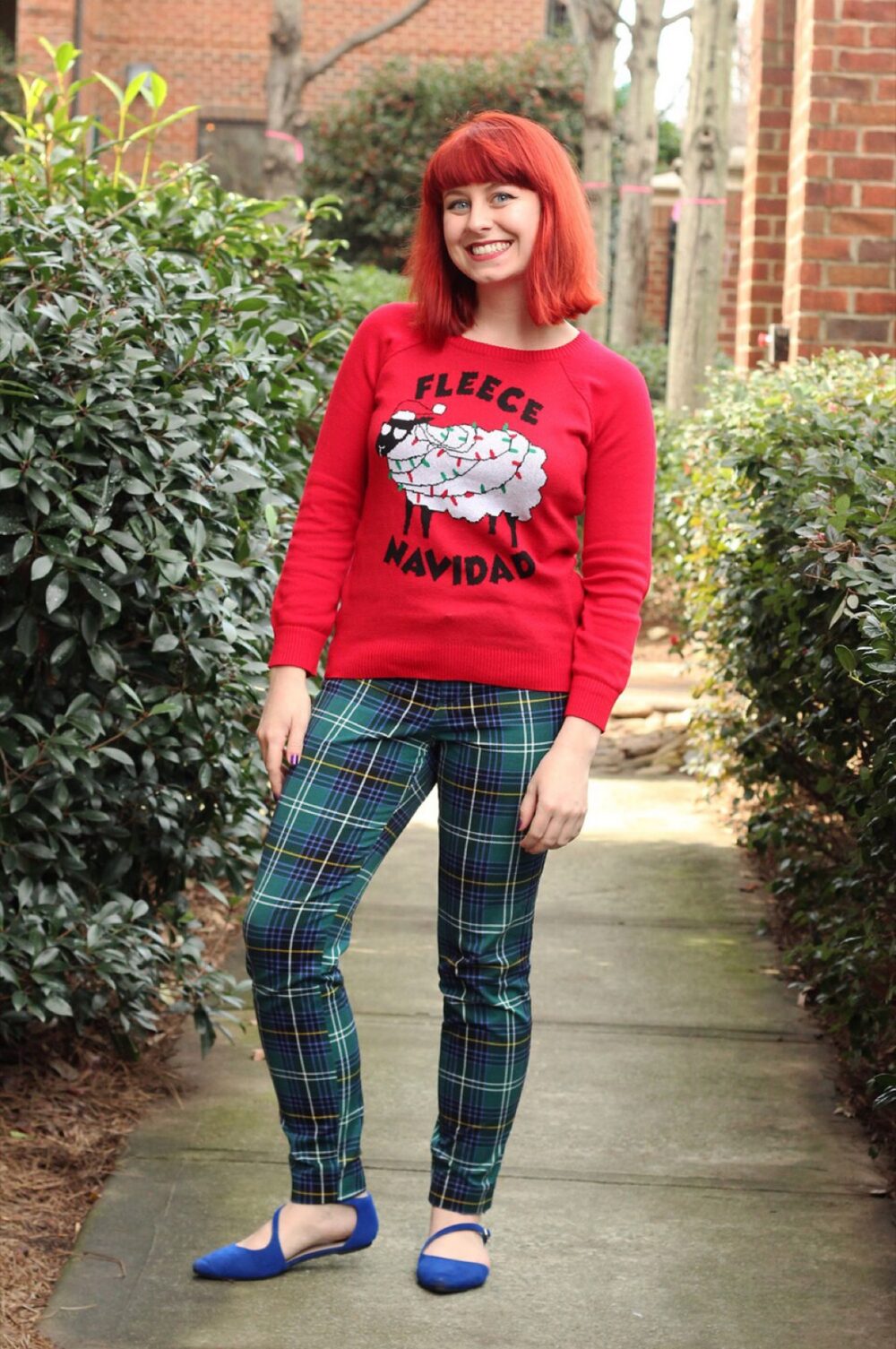
Ugly Christmas scarves sit on the same holiday-novelty spectrum as ugly sweaters and leggings, and DHgate can be a workable source if you’re chasing low per‑piece cost or stocking up for resale. You won’t find a curated “ugly Christmas scarf” aisle, though—you have to dig through general scarf and Christmas‑apparel listings, then vet each seller and product one by one.
What Counts as an “Ugly” Christmas Scarf and Who Actually Buys Them?
An ugly Christmas scarf is basically a winter scarf turned into a joke: loud colors, kitschy holiday icons, maybe flashing lights or over‑the‑top textures. Think repeating reindeer, Santa heads, Christmas trees, snowmen, or slogan text that would fit right in at an ugly sweater party.
On DHgate, scarves are a broad category—everything from skinny silk and chiffon styles to cotton and lightweight fashion wraps show up in the fashion accessories section. That means most “ugly” Christmas scarves you’ll find are not hand‑knit art pieces, but printed or woven novelty designs on common materials.
Typical buyers:
- Personal wearers: Office parties, family photos, themed bar crawls. Often need just 1-3 pieces and care more about design than perfect fabric.
- Small ecommerce sellers: Etsy‑style or Shopify stores adding a holiday capsule; they need margin and consistent stock.
- Group/event organizers: School staff, teams, bar promotions, charity runs, or company gag gifts where everyone matches.
How to Search and Vet Ugly Christmas Scarf Listings on DHgate
You won’t see a neat “Ugly Christmas Scarf” category, so you need a targeted workflow using the main search bar, filters, and listing details on DHgate.com.
1. Start with targeted search terms
In the top search bar, try combinations like:
- `christmas scarf`
- `ugly christmas scarf`
- `xmas scarf knit`
- `reindeer print scarf`
- `christmas shawl snowman`
- `christmas pattern neck scarf`
If you’re sourcing for resale, also try general scarf searches (`fashion scarf`, `winter scarf`) and then add `christmas` or specific motifs like `reindeer` or `snowman` once you’re in a relevant category.
2. Use filters to narrow down to truly “ugly” picks
Once you have scarf results:
- Category: Keep results scoped to scarves/shawls rather than unrelated accessories.
- Material tags: For warm, sweater‑like ugliness, look for acrylic, wool blends, or thick knits. For novelty fashion, silk, satin, chiffon or lightweight cotton are common.
- Price & MOQ: Use price sliders to stay in your target budget and scan product descriptions for minimum order quantity details.
You’re looking for product photos that clearly show Christmas motifs or very bold color‑blocking—a lot of generic winter scarves will appear in “Christmas” searches without actually being festive.
3. Read the listing like a spec sheet
DHgate’s skinny‑scarf guidance highlights length, width, material, and reviews as key checks, which translate well to ugly Christmas scarves.
Key details to look for:
- Length: Long scarves can wrap multiple times and work for more body types; shorter ones are more like decorative neckties. Make sure the stated dimensions match how you plan to style them.
- Width: Some listings are closer to long, narrow ties; others are full shawls. For ugly parties, wider scarves usually read more dramatically in photos.
- Material: Listings often mention silk, chiffon, satin, cotton or blends. Each has different drape and warmth; cotton/acrylic blends are safer for outdoor events, while satin or chiffon work better as indoor, purely visual props.
- Pattern coverage: Look for photos showing the scarf laid flat so you can tell if the Christmas pattern runs edge‑to‑edge or is just at the ends.
If any of these details are missing, treat the listing as higher risk and plan to message the seller before buying more than a test piece.
4. Use reviews and ratings with specific questions
Editorial sourcing advice from DHgate’s boutique guide recommends reviewing seller ratings and customer feedback, requesting samples when quality matters, and negotiating bulk discounts once you’re confident.
For ugly Christmas scarves, scan reviews for:
- Color accuracy: Do buyers say the red looks dull or the green is different from the photo?
- Fabric feel: Comments on scratchiness, thickness, or whether it feels more like a fashion accessory than a warm scarf.
- Print alignment: Any complaints about crooked or misprinted motifs.
If reviews are limited or vague, message the seller to ask for:
- Confirmed dimensions and fabric composition.
- Real‑life photos instead of only polished studio images.
- Clarification on whether the design is a generic holiday pattern rather than tied to any specific brand (important if you want to avoid IP issues).
For broader marketplace‑level checks—like spotting patterns of good or bad behavior across sellers—it’s worth skimming how to find trusted sellers on DHgate before you place anything larger than a test order.
5. Order samples before bulk (for resale or events)
DHgate’s boutique‑sourcing editorial explicitly suggests requesting samples, reviewing them in person, and then negotiating bulk purchase discounts.
A practical sample workflow:
- Shortlist 2-4 promising listings and order single pieces or the smallest available pack from each.
- Compare them in person for print quality, fabric feel, and stitching consistency.
- Only then talk to the seller about bulk pricing, color mixes, or timelines for larger runs.
6. Core buying factors at a glance
The table below pulls together the main decision points that matter specifically for ugly Christmas scarves on DHgate.
| Buying factor | Why it matters for ugly Christmas scarves | What to check on DHgate listings |
|---|---|---|
| Length & width | Determines how dramatic the scarf looks and who it fits | Exact dimensions in the description; photos of the scarf worn or laid flat |
| Material | Affects warmth, drape, and comfort at holiday events | Fabric type (e.g., acrylic, cotton, silk, chiffon) and buyer comments |
| Pattern & motif style | Makes the scarf read as “ugly Christmas” instead of generic winter | Clear photos of motifs (reindeer, trees, slogans) and full‑pattern images |
| Reviews & ratings | Signal real‑world color, feel, and print quality | Comments on color accuracy, thickness, and print alignment |
| MOQ and pack options | Decide whether a listing works for personal use vs. group/resale | Minimum order quantity notes and available pack sizes |
Where DHgate Works for Ugly Christmas Scarves—and Where Alternatives Win
Holiday apparel coverage in DHgate’s Christmas sweater editorial shows the platform is comfortable selling seasonal clothing in many sizes and styles, from funny designs to plus‑size options. That usually translates to plenty of holiday‑themed accessories as well, including scarves, although selection and quality still vary by seller.
The fit isn’t universal, though.
Situations where DHgate is a good route
- You need generic, non‑branded motifs: Sellers offering their own reindeer, tree, or snowman patterns in bulk are common on global marketplaces. That’s exactly what many small shops want for margin and repeatability.
- You have time to test before the main season: If you can order samples months ahead, DHgate is useful for experimenting with different ugly‑scarf designs and seeing which ones your customers actually buy.
For small ecommerce businesses, pairing DHgate with wider marketplace comparisons—such as the internal global market for scarves and marketplaces—can help you sanity‑check whether DHgate’s likely landed cost actually beats your next‑best route.
Situations where another channel is safer or simpler
- Highly specific or handmade looks: Knitted caricatures of a local mascot, hand‑embroidered horror‑themed Christmas motifs, or perfectly matched sets with sweaters and leggings are more likely to be found on niche ugly‑Christmas sites or artisan platforms.
- Last‑minute office parties or events: Even if a cross‑border listing looks perfect, travel time and customs can be unpredictable enough that you shouldn’t rely on it for events happening in the next couple of weeks.
- Strict brand or licensing requirements: If a client wants officially licensed characters or logos, working with authorized domestic distributors is usually safer than trying to interpret individual marketplace listings one by one.
In practice, many US buyers end up using DHgate as a secondary discovery channel: they secure at least some inventory from domestic sources, then experiment with one or two DHgate scarf designs via samples. If the quality and timing check out, they fold those into next season’s lineup.
For additional DHgate platform context, use Review the DHgate order-readiness checklist.
If you haven’t used DHgate before, a quick orientation from the internal overview on what DHgate is and how the marketplace works can help you understand the basics before you dive into ugly Christmas scarf sourcing.