
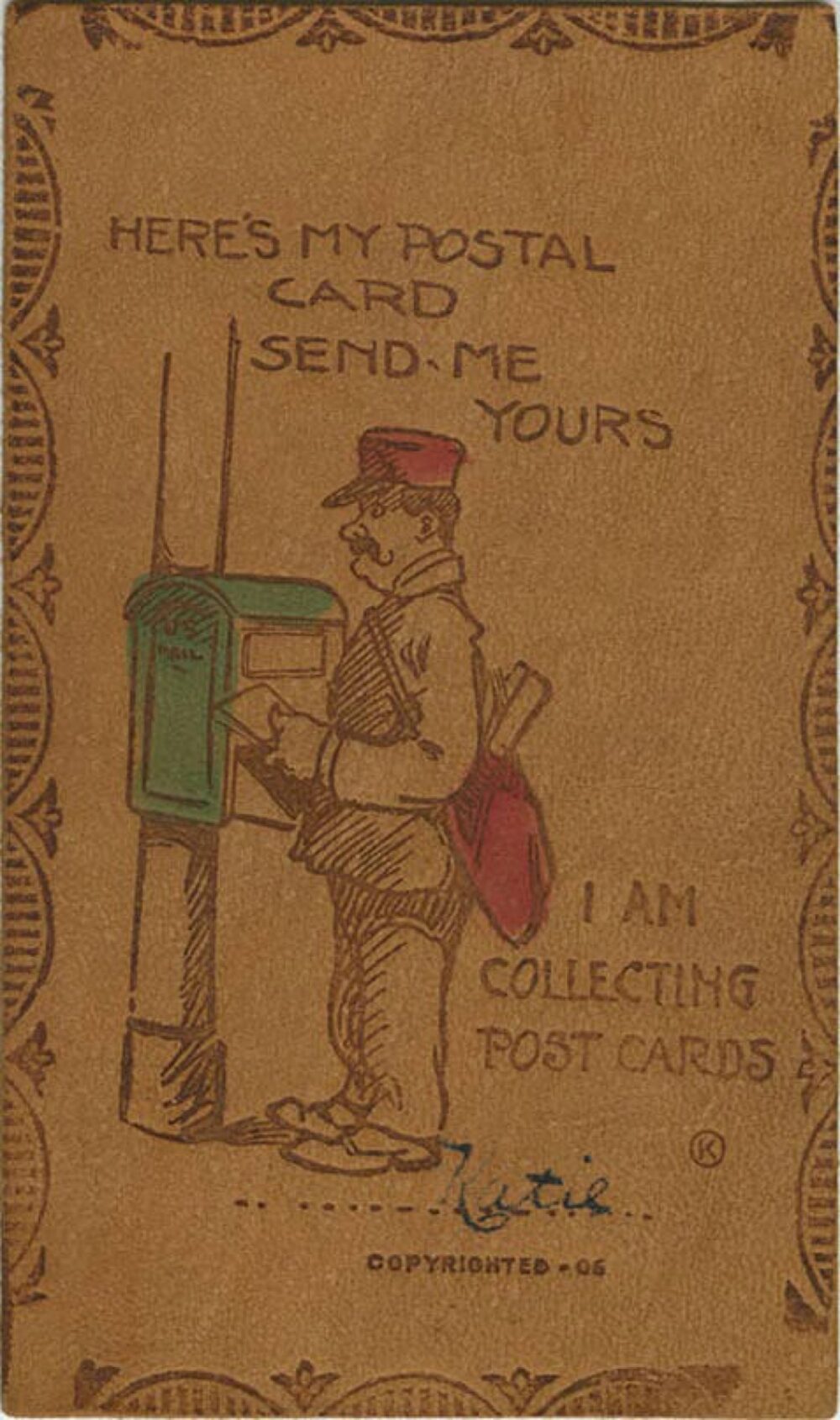
Victorian postcard collecting is about genuinely old cards, often from the late 19th and early 20th century, where age, subject and condition drive interest. DHgate, by contrast, is mainly useful for Victorian-style postcards and paper goods: modern reproductions, themed sets, and bulk stationery rather than certified Victorian antiques. You can still use DHgate effectively if you treat it as a source of decorative or retail stock and apply some postcard-specific checks before you commit your money or build inventory plans.
What Victorian Postcard Collecting Really Means – And What DHgate Actually Sells
For collectors, a “Victorian postcard” usually means a card produced during or just after the Victorian era, with printing methods, artwork and paper that match the period. Collectors sort and value older postcards more by subject, rarity and condition than just age or stamp alone, as outlined in resources such as the 19th Century Postcards Collecting Guide.
On DHgate, you’re not browsing a curated antiques dealer. DHgate is a marketplace that connects many independent sellers, and postcard-related inventory depends entirely on what those sellers choose to list. In practice, that often means:
- Newly printed postcards with Victorian-style artwork (floral, romantic, period costumes).
- Vintage-style “ephemera” packs for scrapbooking or journaling.
- Blank kraft or decorative cards that you can print on yourself.
Because listings are seller-generated and the platform focuses on new consumer goods, you should treat any “Victorian” wording in DHgate postcard listings as describing design style unless you can independently verify age through other channels.
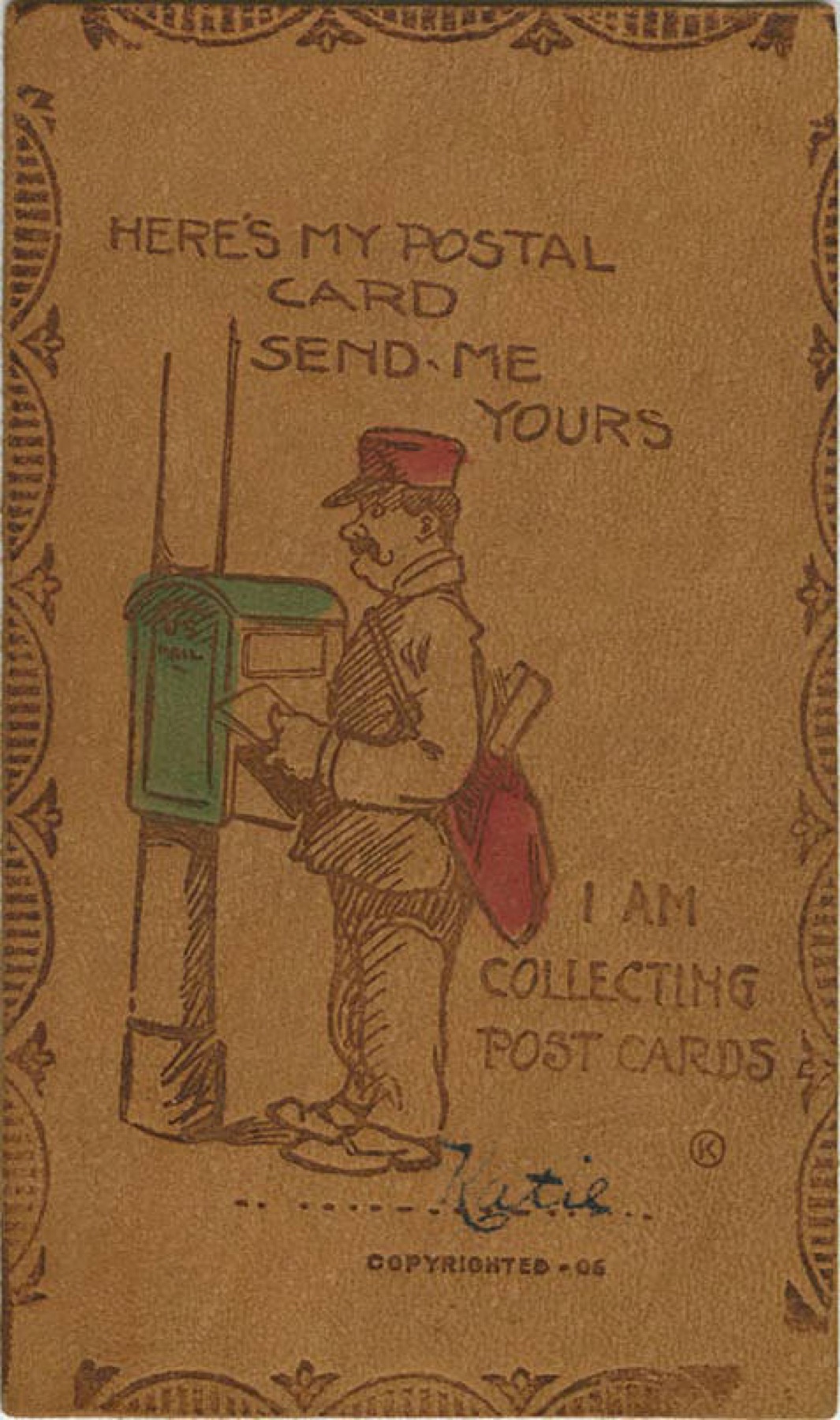
How to Search DHgate for Victorian-Themed Postcards and Collecting Supplies
You won’t find a dedicated “Victorian postcards” category on DHgate, so the way you search and read listings does most of the work.
1. Start with focused keywords
On DHgate’s homepage, use the main search bar with phrases that reflect how sellers are likely to label their goods:
- “Victorian postcards” – for specifically themed designs.
- “vintage postcards” or “retro postcards” – broader decorative options.
- “vintage ephemera”, “junk journal supplies”, “scrapbooking paper” – often where reproduction postcard pieces appear.
Run a few variations. You’re mapping how sellers describe Victorian-style art rather than hunting for certified antiques.
2. Use filters to narrow to usable stock
Once you see initial results, use DHgate’s standard filters to make the list manageable:
- Sort by “Best Match” or “Top Sales” if you want designs that have already sold in volume.
- Filter by price range to avoid ultra-cheap sets that might be tiny or printed on very thin stock.
This doesn’t prove quality, but it helps you focus on stock that other buyers have actually ordered.
3. Read the listing page like a postcard collector
Each product page on DHgate displays basic fields — specifications, images, prices, and seller ratings — that deserve a postcard-specific read rather than a quick skim, as described in DHgate’s own shopping guide.
Focus on:
- Material and size: Look for mentions like “cardstock,” GSM weight, or precise dimensions (e.g., around 10×15 cm comparable to standard postcards). Vague “paper” wording should be treated cautiously.
- Print method and finish: Words such as “digital print” or “inkjet” confirm you’re buying a reproduction; a matte or textured finish may matter if you plan to write on or resell the cards.
- Bundle size and mix: Whether you’re a hobbyist or small seller, check how many designs and duplicates are included, so you can avoid sets that are too repetitive for resale.
Zoom in on listing photos. If you see identical wear patterns or uniform “aged” effects across different cards, those are printed design choices, not patina from age.
4. Use seller ratings and reviews as quality filters
DHgate surfaces seller ratings and feedback histories for each listing, with scores based on reviews and total sales. Platform guidance advises buyers to pay close attention to these ratings and reviews when assessing reliability, as in its tips for a smooth shopping experience.
Make that postcard-specific by scanning reviews for:
- Comments on print clarity and color: Blurry or washed-out prints can undermine vintage-style art.
- Paper thickness and feel: Many buyers will mention if the cards feel cheap or flimsy.
- Photos from buyers: These often show real-world colour and scale next to a hand or notebook.
Ratings and reviews are decision aids. They can help you judge consistency and service, but they are not a substitute for your own checks on age or authenticity.
5. For larger orders, act like a small ecommerce buyer
If you’re sourcing for a UK shop or online store rather than personal collecting, add two extra steps that echo DHgate’s boutique-sourcing advice in its unique products overview:
- Message the seller: Ask about stock consistency (same designs each batch?) and whether the cards are blank on the back, lined, or preprinted.
- Request a small test order first: Before you plan a whole product line around a set of postcards, buy the minimum quantity and evaluate print quality, packaging, and how the shipment arrives.
A short trial reduces the risk of ending up with unusable inventory and helps you gauge how the seller handles questions.
When DHgate Is Useful for Postcard Collectors—and When Specialist Markets Are Better
DHgate’s strength is variety in themed and vintage-style products, including paper goods that work well for boutique concepts, as its boutique sourcing blog notes. That can intersect nicely with Victorian postcard collecting — but only in certain scenarios.
Good use cases for DHgate
UK buyers tend to get the best value from DHgate when they treat it as a source of modern Victorian-inspired stock rather than true antiques:
| Buyer type | DHgate use case | Why it fits |
|---|---|---|
| Hobby collector | Decorative postcard sets for albums or journals | Large variety, low per-card cost, no need for historically significant pieces. |
| Junk journal / craft maker | Ephemera packs with Victorian designs | Mixed motifs, often sized for collage and scrapbooking projects. |
| Small ecommerce shop | Bulk postcard sets with period-style artwork | Consistent supply of themed cards for gifting, decor, or add‑on items. |
| Boutique stationer | Blank vintage-style cards to print custom designs on | Control over artwork while using pre-made Victorian-inspired blanks. |
Situations where specialist markets make more sense
If your priority is genuine Victorian postcards with collectible value — based on subject matter, rarity and condition — DHgate is rarely the right channel. You’re better served by:
- Specialist postcard and antique marketplaces that sort stock by era, publisher and location.
- Dealers or auctions where cards are described with detailed dating and condition notes.
Those channels are built around original pieces and usually provide the kind of dating clues (postmarks, divided backs, stamp boxes) that serious collectors rely on, in line with vintage postcard identification and valuation resources such as Valuing Old Postcards: Where to Start?.
A simple rule of thumb:
- If you care about investment or historical accuracy, look beyond DHgate.
- If you care about Victorian-inspired aesthetics in quantity, DHgate can be part of your sourcing mix.
For help understanding DHgate’s broader mechanics before you dive into postcard searches, you may find it useful to read What DHgate is and how the marketplace works and, once you’re close to buying, run through the DHgate order-readiness checklist before checkout. If you decide to build a postcard product line rather than buy one-off sets, it’s also worth reviewing how to find trusted sellers on DHgate with a collecting mindset.