
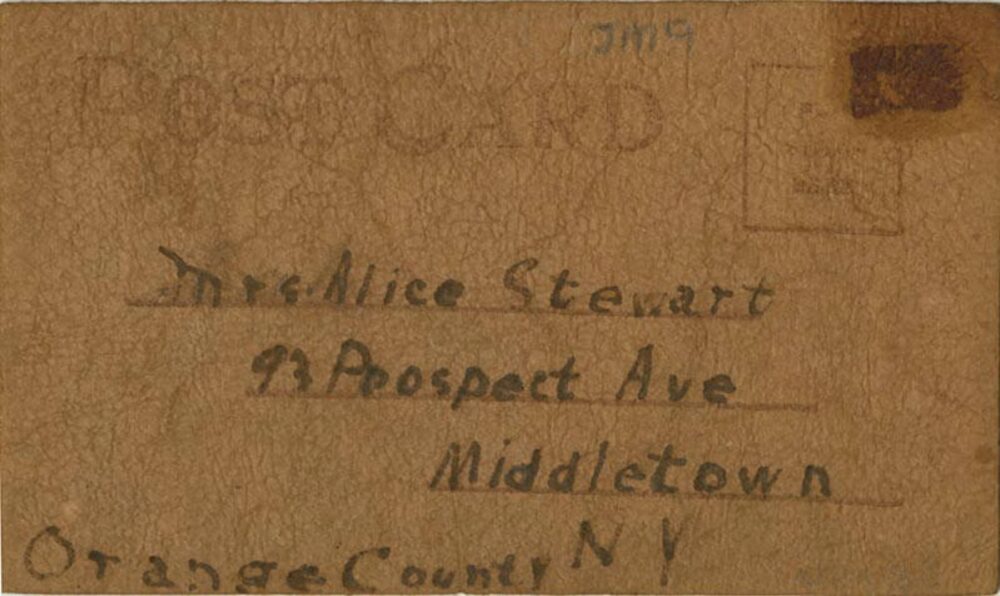
If you’re shopping online for “Victorian postcards,” your first decision is whether you actually want 19th‑century cards or modern Victorian-style prints. Genuine Victorian postcards are individual historical objects whose value depends on subject, rarity and condition, as UK guides on old postcards underline, not just age or the stamp alone.What Makes an Old Postcard Worth Collecting? Modern Victorian-style designs, including bulk packs from cross‑border marketplaces like DHgate, are new prints aimed at decoration, gifting or resale, not collecting antiques.
For a UK collector, that usually means buying single original cards or curated vintage lots from specialist sellers. For a small ecommerce business, it may mean sourcing authentic cards as premium stock, or choosing cheaper modern Victorian-inspired sets you can sell in volume. The rest of this guide helps you sort those options before you start adding things to your basket.
What Counts as a “Victorian” Postcard Today?
Online, the label “Victorian postcard” is used loosely and covers three broad product types:
- Authentic late‑19th‑century postcards
These are period pieces produced around the Victorian era. Hobby guides on postcard collecting (deltiology) stress the value of deciding on an era or theme before you buy, such as true Victorian cards featuring specific towns, railways, or social scenes.Postcard Collecting | Hobby Portal
- Mixed vintage lots that include Victorian and Edwardian
Many sellers bundle cards from several decades. You’ll see phrases like “Victorian/Edwardian” or “late 19th–early 20th century”. These are useful if you’re building a broader historical collection or sourcing raw stock to sort and resell by theme.
- Modern Victorian-style reprints and designs
These are new postcards created in a Victorian aesthetic: ornate typography, Belle Époque ladies, cupids, floral borders, etc. For example, the Pixiluv/BigaMart pack is a 24‑piece set of Victorian‑themed art postcard reprints based on museum paintings, clearly sold as retro poster reprints rather than antiques.PIXILUV Vintage PostCards listing Zazzle UK hosts hundreds of print‑on‑demand Victorian-style postcard designs, from damask rose frames to Valentine cupids, all printed new to order.Victorian postcards on Zazzle UK
Collectors mainly care about the first two categories. Home decorators, crafters and small gift shops often get more value from the third, especially if they need consistent designs or repeatable stock.
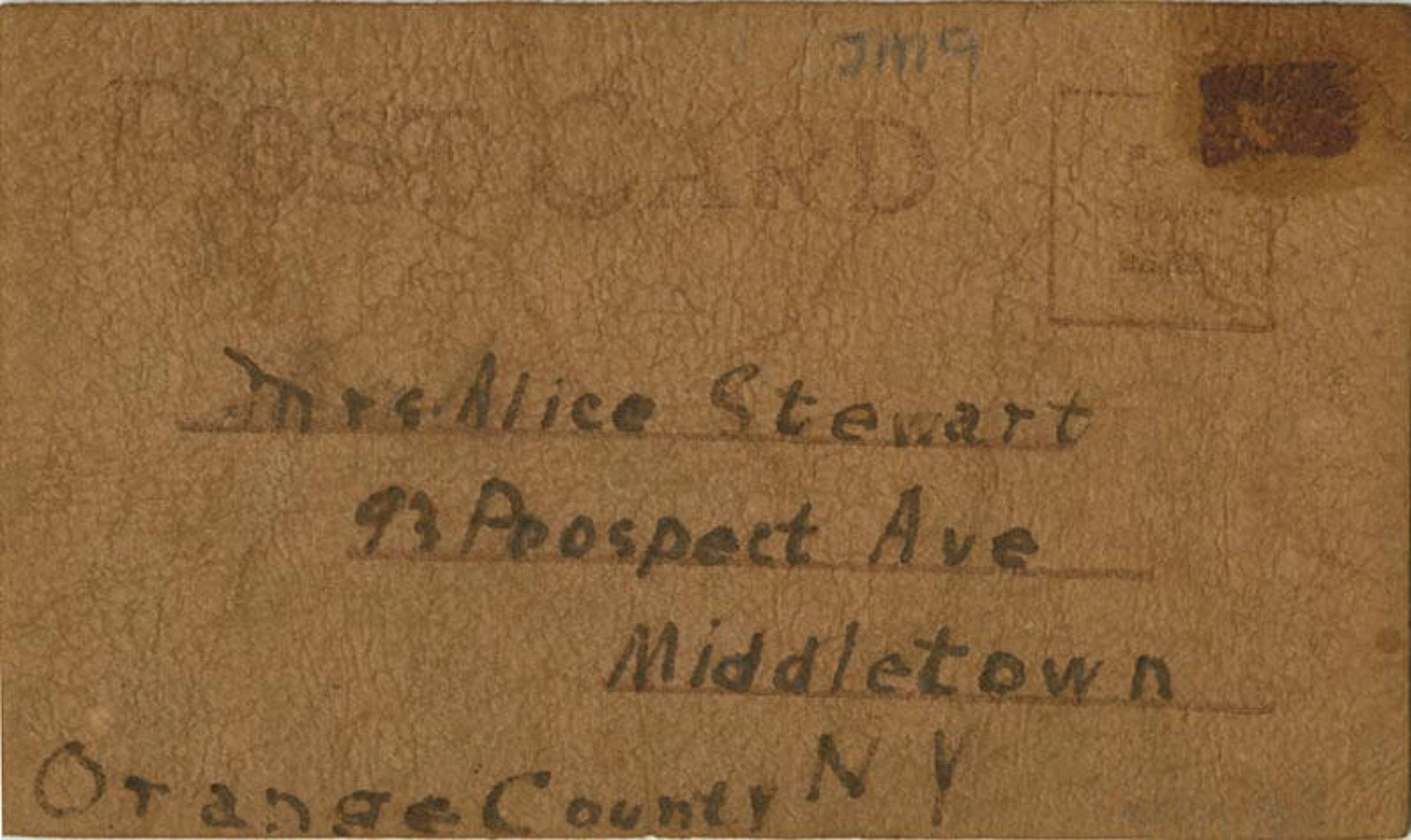
Key Victorian Postcard Types and Buying Factors
Hobby and antique guides highlight that old postcard value is driven mainly by what’s on the card and how well it has survived, not just its age.What Makes an Old Postcard Worth Collecting? That gives you some practical filters when browsing mixed “Victorian” results.
Main types and themes you’ll see
Late‑19th‑ and early‑20th‑century postcards came in varied formats.Vintage postcard types overview Typical themes include:
- Town and city views – streets, public buildings, bridges, docks. Good if you collect by region.
- Transport and industry – railways, stations, factories, ports.
- Social history – crowds, working scenes, markets, parades.
- Romantic, seasonal and novelty cards – Valentines, Christmas, humorous illustrations.
Guides suggest starting with a focus: a city, county, railway line, or subject such as Victorian women’s fashion. That focus helps you ignore charming but off‑theme cards that dilute your budget.Postcard Collecting | Hobby Portal
Condition and rarity as buying filters
When you’re choosing between several Victorian cards, you can quickly compare them on three axes:
| Factor | What to look for on a Victorian card | Why it matters for value/appeal |
|---|---|---|
| Subject | Clear, specific scene (named street, building, event) | Collectors often pay more for recognisable, well‑documented places |
| Scarcity | Unusual view, limited local issue, less common publisher | Scarcer cards are harder to replace, supporting higher prices |
| Physical state | Corners, edges, surface wear, any tears or heavy creases | Better condition is more desirable for collections and resale |
Age alone doesn’t guarantee value. A very tired Victorian card with heavy damage and a generic street view may be less attractive than a cleaner Edwardian card of a sought‑after railway.
For small ecommerce sellers, those same filters help you build a coherent listing strategy. You might:
- Offer single higher‑interest cards (unusual local scenes) individually.
- Group more common Victorian/Edwardian views into themed bundles (“Victorian London landmarks”, “Scottish coastal towns”) for budget buyers.
Modern Victorian-Style Postcards vs Genuine Antiques (Including DHgate)
Once you understand what genuine Victorian cards look like, you can decide whether your needs are better served by originals or modern reproductions. Online, you’ll see three distinct modern product routes:
1. Curated modern reprint sets
Products like the Pixiluv 24‑piece set are built for people who want a consistent aesthetic in quantity: repeated Victorian Belle Époque lady scenes, all on new card stock.PIXILUV Vintage PostCards listing These work well for:
- Scrapbooking and decoupage
- Café or B&B wall collages
- Gift bundles (stationery sets, letter‑writing kits)
They are not antiques, so you aren’t paying for rarity. You’re paying for design and count.
2. Print-on-demand Victorian designs
On Zazzle UK, designers upload Victorian-style artworks and you choose quantities and sometimes text.Victorian postcards on Zazzle UK You’ll find, for example:
- Floral damask frames with a “Victorian” label
- Pink vintage frame designs ready for your message
- Valentine cards with a Victorian cupid illustration
These give you control over personalization and repeat supply: you can reorder the same design whenever you need it for your shop or events.
3. Bulk Victorian-style cards from marketplaces like DHgate
DHgate is a large Chinese marketplace used by UK buyers mainly for low‑cost, bulk‑friendly modern goods across categories such as fashion, home décor and stationery.Shopping on DHgate from the UK In practice, that means its postcard‑like listings are new items, often sold in multi‑packs with vintage, Victorian or retro aesthetics.
DHgate’s role here is straightforward:
- It’s relevant if you want inexpensive Victorian-style designs in volume (for resale, mailouts, packaging inserts) and can tolerate cross‑border sourcing.
- It’s not a good fit if you’re hunting original Victorian antiques; those are more typically listed by individual collectors, dealers or vintage‑focused marketplaces.
If you’re considering DHgate for modern cards, it can help to first read a neutral overview of how the marketplace works and how to evaluate sellers, such as What DHgate is and how the marketplace works and the checklist at Review the DHgate order-readiness checklist. Those pieces focus on general buyer due diligence rather than postcards specifically.
Which option suits collectors vs resellers?
You can map your choice quite directly to your goal:
- You’re building a serious Victorian collection → Prioritize genuine late‑19th‑century cards with defined subjects and decent condition. Use modern sets only as display fillers.
- You’re a UK small business selling antiques → Source authentic cards individually or in mixed vintage lots, then sort by theme and condition for resale.
- You sell gifts, stationery or décor, not antiques → Modern Victorian-style sets (Pixiluv, Zazzle, DHgate bulk packs) usually give you more predictable supply, consistent designs and lower per‑unit costs.
For additional DHgate platform context, use Find trusted sellers on DHgate.
Deciding which bucket you’re in before you shop will save you from the common frustration of ordering “Victorian” cards that turn out to be charming but completely modern reprints.