
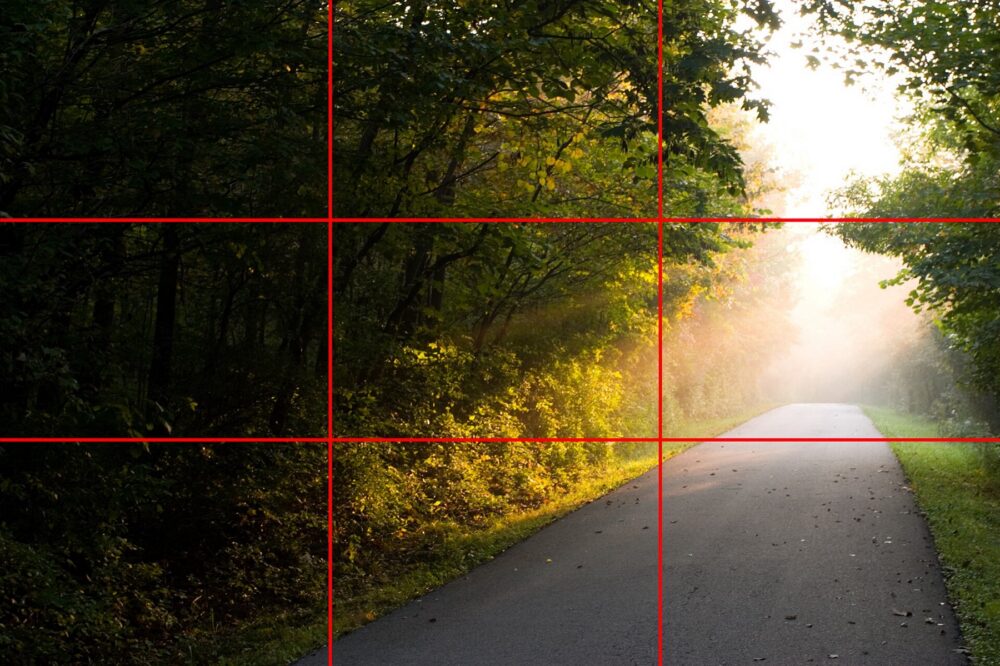
You won’t find products literally called “rule of thirds” on DHgate, but you can use the marketplace to source cameras and accessories that make rule-of-thirds composition much easier. The trick is translating this 3×3 grid concept into specific features—like in-viewfinder grids, good framing control, and stable support—that you can actually search for and evaluate in listings.
For a US buyer or small ecommerce brand, DHgate is useful for broad photography gear discovery, but you’ll want a deliberate search workflow and some skepticism about seller claims before you rely on it.
What “rule-of-thirds-friendly gear” actually means
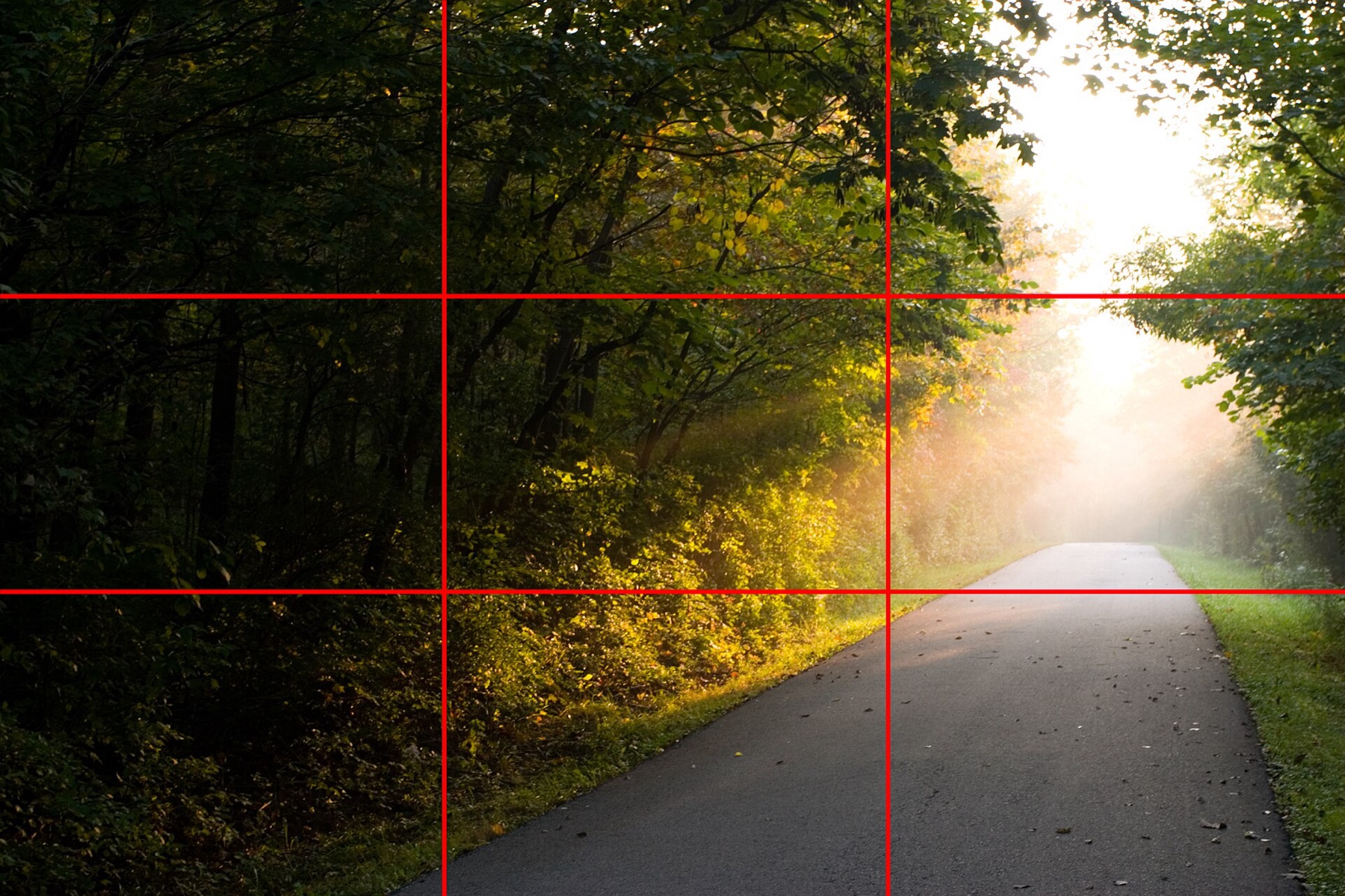
The rule of thirds divides your frame into a 3×3 grid; placing key elements along the lines or at the intersections tends to create more balanced, engaging photos, especially for product shots or lifestyle imagery.Adobe’s overview and Digital Camera World’s tutorial both describe this the same way: it’s a composition guideline built on a simple grid.
From a gear-buying perspective, that translates into a few concrete features:
- Grid overlays in the viewfinder or screen. Many modern cameras and smartphone camera apps offer optional grid overlays that directly implement the rule of thirds. You toggle them on in the camera menu or app settings, then compose using the lines. When shopping, you’re looking for bodies or apps that mention “grid display,” “composition grid,” or “3×3 grid overlay.”
- Accurate framing and stable support. The rule of thirds sounds artistic, but in practice you need a camera that’s easy to frame precisely and a tripod or stabilizer that keeps your composition locked while you fine-tune subject placement.
- Lighting that lets your subject sit on the grid without distraction. You don’t buy lighting for the rule of thirds, but soft, controllable light helps whatever you place on grid intersections actually read as the focal point.
On DHgate, that usually means shopping across broad categories—cameras, tripods, lights—and then checking for those rule-of-thirds-friendly traits inside the specs and photos.
How to search DHgate for gear that supports the rule of thirds
Because DHgate doesn’t center its taxonomy on composition concepts, you’ll get better results if you search by gear type plus features. Here’s a practical workflow.
1. Start with targeted search queries
On DHgate’s search bar, use queries that combine “camera” or “tripod” with grid-related or composition-related terms:
- `digital camera grid display`
- `mirrorless camera 3×3 grid`
- `camera with rule of thirds grid`
- `smartphone camera accessory tripod`
- `phone tripod with remote` (for hands-free framing on the grid)
You likely won’t see “rule of thirds” in product titles, so treat those words as bonus hits if they appear. The real value is surfacing cameras that mention “grid,” “composition,” or “guide lines” in descriptions and photos.
2. Use categories and filters to narrow down
DHgate positions itself—via its own blog—as a marketplace with a wide selection of cameras, lenses, accessories, and other photography products.Capture Your Summer Memories describes this range as covering “cameras and lenses to accessories and equipment.” That’s broad, so use filters to pare it down:
- Category: Drill into digital cameras, mirrorless cameras, or phone accessories depending on your shooting setup.
- Price range: Set a realistic band for test gear vs. long‑term kit, especially if you’re equipping an ecommerce photo corner.
- Order volume / ratings filters: Prioritize items that show some sales history and ratings; you’ll use reviews in a later step.
3. Read listing details with composition in mind
Each DHgate product listing generally includes specifications, images, prices, and seller ratings that you can review.DHgate’s shopping guide emphasizes paying close attention to these details.
For rule-of-thirds use, focus on:
- Specs section: Look for mentions of “grid lines,” “viewfinder display options,” “LCD overlay,” or user interface screenshots that show a 3×3 grid.
- Listing photos: Sellers sometimes show the camera menu or live-view screen. Zoom in—if you can see a grid on the screen, you’ve found a directly rule-of-thirds-friendly camera.
- Included accessories: A tripod or stabilizer in the bundle makes it easier to keep your subject parked on a grid intersection during longer shoots.
If you don’t see any evidence of a grid overlay in the listing text or images, assume you’ll be relying on your eye or on external tools (like editing software with grids) rather than in-camera guides.
4. Use example search queries for common buyer scenarios
Different buyers need different kinds of support for the rule of thirds. Here are practical query ideas:
| Scenario | DHgate search query | What you’re hoping to see in the listing |
|---|---|---|
| Product photography for a small shop | `mirrorless camera live view grid` | Specs or screenshots mentioning composition or grid overlays, plus tripod options |
| Social content with phones | `phone camera tripod bluetooth remote` | Stable setup so you can line up the subject on the grid using your phone’s built‑in grid setting |
| Low‑budget test gear | `used digital camera with grid lines` | Older models still offering LCD grids; verify via photos or manual references |
| Studio build‑out | `photography lighting kit softbox` + your camera search | Lighting kits that keep attention on grid intersections, paired with a camera that has grid overlay |
Treat those queries as starting points, then refine based on what you see in the first page of results.
Evaluating DHgate listings vs. alternative channels
Finding a listing is only half the job. You still need to decide if the gear, the seller, and DHgate itself are the right path for your rule-of-thirds needs.
Read ratings and reviews with a “can I actually see the grid?” lens
DHgate makes seller ratings and customer reviews visible as signals of reliability, but their own editorial guidance stresses that buyers should still exercise due diligence.Navigating DHgate’s website suggests checking seller ratings, reading reviews, and analyzing product descriptions carefully.
For composition-related gear:
- Seller rating and sales: Favor sellers with sustained positive ratings and a reasonable number of transactions on cameras or photo accessories—this reduces the chance you’re looking at a generic electronics reseller that doesn’t understand photography features.
- Text reviews: Search within reviews (Ctrl+F on desktop) for “grid,” “screen,” “menu,” or “viewfinder.” You’re hunting for comments like “the grid display works” or “no composition guides as advertised.”
If reviews are sparse or generic (“good product,” “fast shipping”) and you can’t confirm the grid feature, treat the listing as unverified for rule-of-thirds use.
When DHgate is practical—and when it isn’t
For a US buyer, DHgate is most practical for:
- Broad gear discovery where exact brand/model isn’t critical (for example, sourcing inexpensive tripods, light stands, or entry‑level cameras to test rule-of-thirds composition for your ecommerce catalog).
- Budget‑conscious setups if you’re willing to spend time vetting listings and accept some trial‑and‑error.
It’s less ideal when:
- You’re primarily looking for software tools—desktop or mobile apps that overlay rule-of-thirds grids on existing photos or in live view. Those are typically sourced from app stores, browser extension stores, or dedicated photo‑editing providers, not from physical‑goods marketplaces.
If, after searching and checking a few DHgate listings, you still cannot verify a grid overlay feature or stable support gear that meets your standards, it’s a sign to switch channels rather than forcing a DHgate purchase.
Cross‑border sourcing tips specific to rule-of-thirds gear
Because you’re sourcing internationally, add a few extra checks before you commit:
- Confirm manuals or documentation: If the listing doesn’t clearly show a grid, ask the seller (through DHgate messaging) to confirm whether the camera menu includes a 3×3 grid option and which languages the manual supports.
- Align with your shooting workflow: If your team shoots mostly with phones, prioritize accessories (tripods, mounts, lights) on DHgate and use your phone’s built‑in grid from settings, rather than chasing camera bodies with unclear grid support.
- Run an order‑readiness check: For any larger purchase, it’s worth walking through an internal checklist of listing details, communication history, and backup options. The DHgate order‑readiness checklist is a good general framework to adapt.
For additional DHgate platform context, use What DHgate is and how the marketplace works, and Find trusted sellers on DHgate.
If you decide DHgate is not the right venue for your rule-of-thirds tooling, you can still apply the same thinking elsewhere: look for gear that explicitly supports grid overlays, test stability and lighting, and keep composition at the center of your buying decisions.