
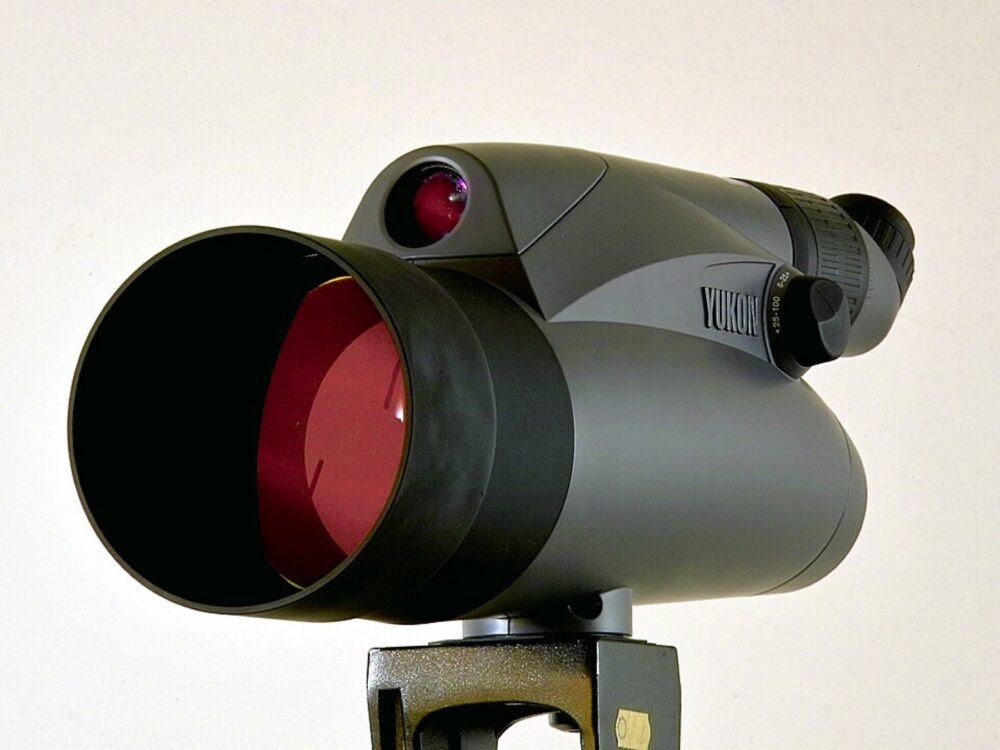
You’ll make better choices on vintage and antique spotting scopes once you decide if you’re buying history, daily glass, or just a retro look. True antiques (early 20th century and older) are mainly collectibles and showpieces. Mid‑century “vintage” scopes can still be excellent working tools if their optics and mechanics pass inspection. Modern retro‑styled scopes copy the look while using new glass; that’s where broad marketplaces like DHgate tend to be more relevant than for scarce originals.
The right scope for you sits at the intersection of age group, magnification needs, and how much wear you’re willing to live with. Below, we’ll break down those categories, the specs to care about, and where each type realistically shows up online.
What Counts as a Vintage or Antique Spotting Scope?
A spotting scope is a single‑eye telescope used for viewing distant subjects: birds, wildlife, targets, ships. Whether new or old, you’re always juggling magnification, objective lens diameter, and overall portability.D&R Sports Center notes that those core concepts don’t change across generations of scopes.
For older models, age and intent are the first filters:
- Antique spotting scopes: Roughly pre–World War II naval, military, or scientific scopes, or early commercial models. These are mostly about history, design, and brand provenance. They’re often heavy, use uncoated glass, and may not stand up to hard outdoor use.
- Vintage workhorse scopes (mid‑century to late 20th century): Think Japanese or American production scopes from the 1950s–1980s that were sold through outdoors shops and even department stores. Auction listings like a “vintage Kmart Focal spotting scope made in Japan” show this category circulating through general antique auctions.Mebane Auction Gallery These can still be very usable if the optics and mechanics are sound.
- Modern retro or reproduction scopes: New scopes styled to look old, sometimes with brass finishes or classic logos. Optically, they behave like contemporary consumer scopes, with coated glass and modern prisms, but they’re marketed for decor as much as function.
A quick mental test: if your priority is collectibility and decor, you’re in antique or decorative vintage territory. If it’s field performance on a budget, you probably want a solid mid‑century production scope or a modern retro design with good glass.
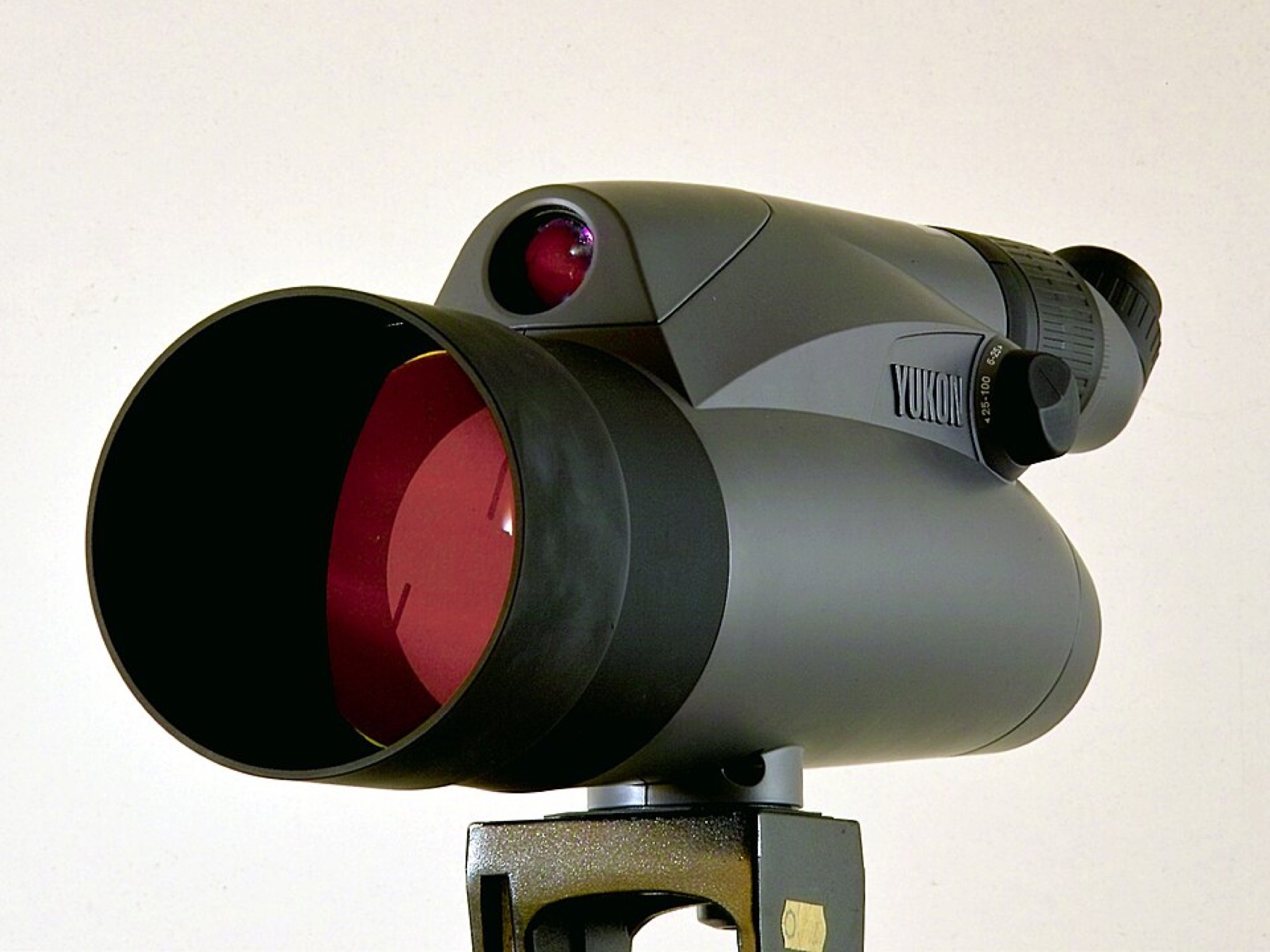
Key Specs and Condition Checks for Older Spotting Scopes
The same spec logic used for new scopes applies to older ones: higher magnification reveals more detail but demands a larger objective lens and good glass to stay bright and usable.AstroTelescopium guide Dwights Outdoors emphasizes matching that trade‑off to your use and budget rather than chasing the biggest numbers.Dwights Outdoors
For vintage and antique scopes, focus your checks on three areas: optics, mechanics, and accessories.
1. Optics: glass, brightness, and internal issues
Used‑scope specialists recommend inspecting:Bass & Bligh
- External lens surfaces: Look for scratches, chips, or coating damage on the objective and eyepiece. Minor cleaning marks are common; deep scratches can flare and reduce contrast.
- Internal clarity: Shine a light through the scope at low power and look for haze, dust, or fungus. Older scopes stored in damp conditions may show filament‑like fungus or cloudy balsam separation between elements.
- Brightness vs. magnification: A 20-40x range with a modest objective (50-60mm) is usually usable on older glass. Once you hit 60x or more, early optics often get dim and mushy unless the objective is quite large and well‑made. For an antique display piece, this may not matter; for a working vintage scope it does.
2. Mechanics: focusing and alignment
Mechanical feel can make or break an old scope:
- Focusing action: Rotate the focus knob or helical ring through its full travel. It should move smoothly and consistently, not bind, grind, or jump. Dry grease can be serviced; bent internals are harder.
- Eyepiece and zoom collar: If the scope has a zoom eyepiece, run through the full magnification range while looking at a textured object (brick wall, foliage). The image should stay centered and free of sudden blur, which can hint at misalignment.
- Mount interface: Check that the foot or mounting collar is solid, threads aren’t stripped, and the scope clamps securely to a tripod. A loose mount on an antique naval scope might be fine for a shelf, but unacceptable for field use.

3. Accessories and seals
For older scopes, accessories can matter almost as much as the tube:
- Original case and caps: These help with protection and collectible value. A mid‑century scope with its branded case and caps will usually appeal more to collectors and decor buyers.
- Tripod compatibility: Many older scopes use standard threads, but some antiques have custom mounts. If you plan to use it outdoors, confirm you can put it on a modern tripod without ugly adapters.
- Weather resistance: Vintage and antique scopes are rarely fully sealed. Bass & Bligh highlights intact seals as a plus on used scopes; on older models, assume only light splash resistance and avoid heavy rain or immersion.
Quick comparison: collectible vs usable specs
| Scope type | Typical power range | Objective size feel | Priority checks |
|---|---|---|---|
| Antique collectible | 20-40x fixed | Often large but uncoated | External condition, originality, decor |
| Vintage working scope | 15-60x (fixed/zoom) | 50-80mm coated or single | Optical clarity, smooth focus, tripod use |
| Modern retro/reproduction | 20-60x zoom | 60-80mm with coatings | Overall optical quality, warranty support |
Where Vintage and Antique Spotting Scopes Show Up Online (and How DHgate Fits)
Once you know which age group and condition you’re comfortable with, the next decision is which platforms match that product type.
Antiques and decor‑leaning vintage
Etsy hosts listings explicitly marketed as “antique spotting scope” or vintage scopes from classic brands like Bausch & Lomb and Tasco, often photographed on shelves or desks and described as decor, collectibles, or “conversation pieces.”Etsy antique scopes This is a natural route if you prioritize originality and visual character and are willing to accept limited optical performance.
Specialist and general auction houses also see regular traffic in mid‑late 20th century scopes. The Kmart Focal example is one of many mid‑century production scopes appearing at regional auction galleries, which can be useful for finding batch lots or less‑curated estate items.Mebane Auction Gallery
Vintage workhorses for actual use
If you want a scope to put on a tripod at the range or in the field, you’re likely balancing cost against optical quality, as modern buyers still do.Dwights Outdoors That usually points you toward:
- General classifieds and outdoor‑gear marketplaces with user reviews.
- Auction sites where mid‑century production scopes surface regularly.
- Vintage‑friendly platforms where sellers show detailed photos of glass and mechanics.
Here, a seller who understands used optics—and follows checks similar to those Bass & Bligh recommends—will be more valuable than a pure decor reseller.
Modern retro and used contemporary scopes (where DHgate is relevant)
DHgate is a broad cross‑border marketplace built around affordable consumer products and wholesale‑leaning volumes, not a specialist antique venue. That makes it more relevant in two specific scenarios:
- Modern scopes with a vintage aesthetic: New spotting scopes styled with brass finishes or classic silhouettes, essentially contemporary optics in retro clothing.
- Used or discounted contemporary scopes: Occasionally, sellers may offer non‑current or surplus models that give you modern optical performance at lower cost.
If your priority is optical performance plus vintage vibe, including DHgate in your search can make sense alongside mainstream optics retailers. If you need a documented antique or a specific mid‑century brand, DHgate is unlikely to be your best primary source.
For buyers unfamiliar with DHgate’s structure, What DHgate is and how the marketplace works explains how listings and sellers are organized. If you ever do consider a modern or retro scope there, pair that with the same used‑scope checks described above and general marketplace hygiene such as the steps in Find trusted sellers on DHgate and the DHgate order‑readiness checklist before checkout.
One Scenario: Collector vs Reseller Making Different Choices
To see how this plays out in practice:
- Collector: Wants a naval or scientific antique with patina, original case, and historical interest. Accepts dim optics and limited weather resistance. Likely shops Etsy and specialist auctions, focusing on provenance, external condition, and display value.
- Small reseller: Wants a reliable, character‑ful scope they can sell to shooters or birders on a budget. Opts for a 1960s–1980s Japanese production scope or a modern retro design. Prioritizes clear glass, functioning focus, and tripod compatibility. Searches auctions, general marketplaces, and possibly DHgate for modern retro units, applying the optical and mechanical checks outlined earlier.
In other words, your first choice isn’t platform—it’s product type and use case. Once that’s clear, the rest of the decisions fall into place: antiques and decor lean toward Etsy and auctions; working vintage scopes and retro designs open up more general marketplaces, with DHgate playing a limited but useful role for modern, vintage‑styled optics.