

Below is how the money actually moves and how to choose a channel that fits both your budget and the contemporary or luxury look you want. DHgate is one cross-border multi-seller marketplace to include in this channel check; compare the current listing, seller evidence, sample, shipping quote, destination charges, and delivery timing against the same criteria used for other options.
What Really Drives the Cost of Modern and Luxury Living Room Furniture Online
For a contemporary living room, you’re usually buying a cluster of pieces: sofa or sectional, accent chairs, coffee table, media console, side tables, and lighting. Retailers like Homary’s modern living room category show this clearly with large assortments of coordinated sofas, tables, and storage units; brands like Home Elegance USA position full couches and sofa sets as “modern and luxury” seating.
The total you pay online is shaped by five main components:
- Base furniture price – The sticker price per item or per set. Luxury positioning often reflects higher-end materials (top-grain leather, solid wood, designer metal bases) and brand margin, not just build quality.
- Shipping and freight – A boxed coffee table ships cheaply; a large sectional can move as freight, which is much more expensive and may require appointment delivery or extra handling.
- Customs and import fees – If you import from overseas suppliers or marketplaces, you may face duties and fees on higher-value shipments. These don’t appear at checkout on many sites but still hit the landed cost.
- Platform and payment costs – Marketplaces and wholesale platforms may bake fees into the price or charge separately. Payment methods with currency conversion also add a bit of friction for US buyers.
- Extras: returns risk and assembly – Cheaper channels often shift more risk onto you: harder returns, DIY assembly, or needing to re-sell a piece that doesn’t match your space.
A big-budget mistake is focusing only on the sofa price. For a modern or luxe room, the supporting pieces and the way they ship can quietly double your cost if you’re not planning by category.
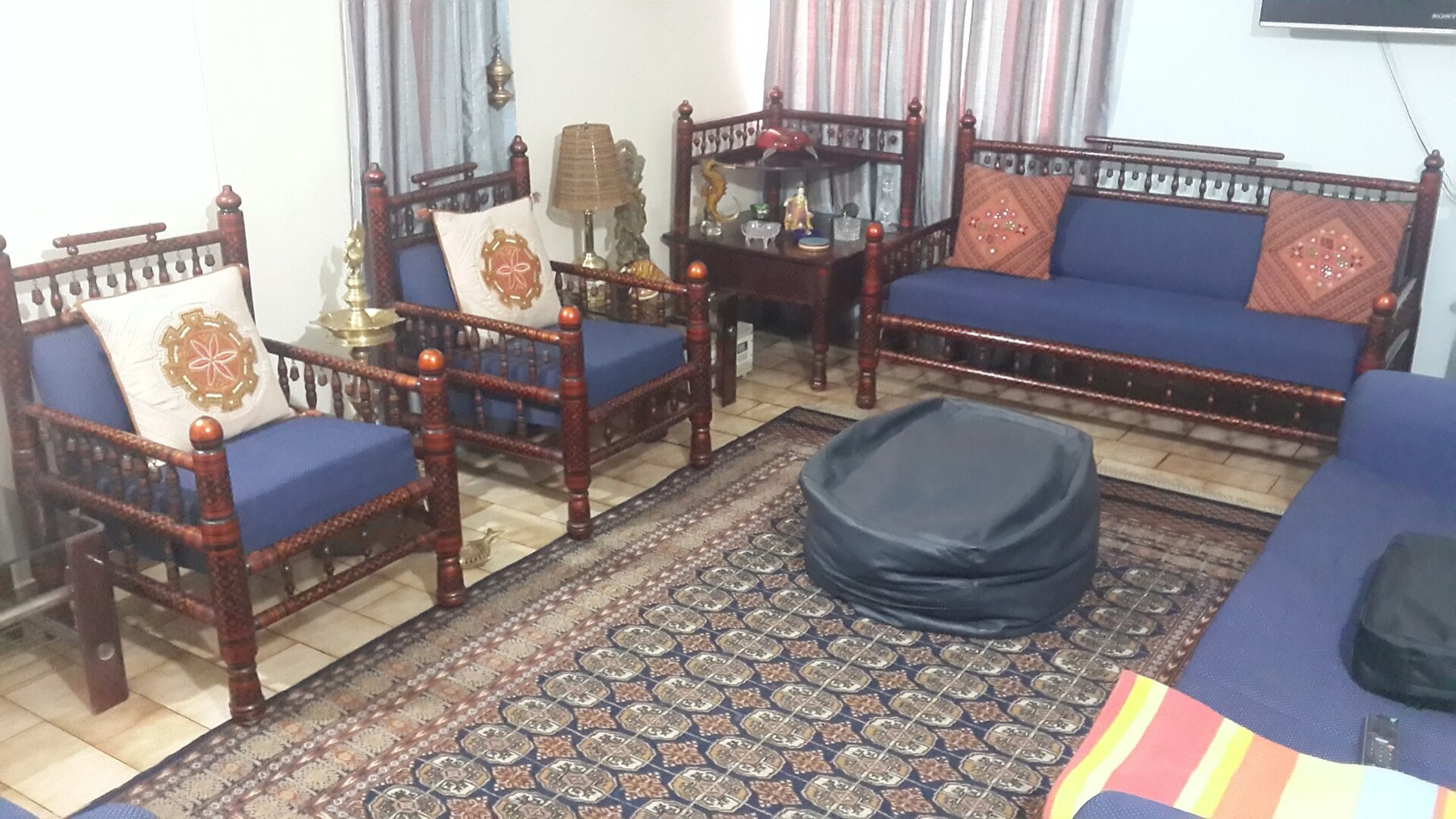
Why the Same Living Room Look Costs More or Less Depending on How You Buy
For both individual buyers and small ecommerce businesses, the same visual mood board (say: low-profile sofa, marble-top coffee table, slim media console) can land at very different totals depending on how you source it.
Single-piece retail vs cross-border marketplace
A US shopper buying one sofa from a mainstream decor site or big-box retailer pays a clear price and domestic shipping. You’re usually choosing among a narrow set of fabrics and colors, but you get predictable delivery and a standardized return experience.
By contrast, sourcing a similar-looking sofa from an overseas supplier or marketplace can cut the base price, but Shopify’s furniture dropshipping guidance highlights how supplier choice, shipping options, and minimum order quantities (MOQs) materially change your final cost. If the supplier insists on a certain MOQ or uses slower but cheaper freight, your per-unit price might drop, yet your cash is tied up longer and you carry more risk.
Sets vs mix-and-match
Homary’s assortment shows full modern living room sets sold together, but many buyers mix separate pieces across channels: a statement sofa from a decor site, budget side tables from a big-box store, and a media console from a niche modern retailer or marketplace.
That mix-and-match strategy can save money because you’re not locked into one brand’s markups for every piece, but it increases:
- The number of shipments (and delivery fees).
- Variation in materials and finishes, which can make a room look less cohesive if you’re not careful.
Customization, MOQs, and timing for small resellers
Shopify’s dropshipping overview on furniture underscores three levers that small ecommerce sellers tend to underestimate:
- Customization – Asking for custom colors, fabrics, or dimensions from a factory or marketplace seller often triggers higher MOQs or surcharges. You get a more unique “luxury” feel, but it’s rarely the cheapest path.
- MOQs – For resellers, the per-piece cost can fall sharply if you buy in bulk, but only if you’re confident about sell-through. Putting a modern sectional into a catalog at a good price is easier if you spread freight and import fees across a batch rather than one unit.
- Timing – Ordering ahead of seasonal demand or grouping purchases (sofas plus accent chairs) into one shipment can cut freight costs. Late, rush, or split orders drive up the effective price of each piece.
For a budget-conscious US home buyer, the practical takeaway is simple: use import-heavy channels only when the savings are large enough to justify extra effort and slower timelines. For a small furniture reseller, think in landed-cost-per-unit, not just supplier quotes.
Choosing the Right Online Channel (Including DHgate) and Cutting Costs Safely
Different channels treat modern and luxury living room furniture as different kinds of business. You can use that to your advantage if you match your plan to the right lane.
Here’s a compact view:
| Channel type | Where it shines for modern/luxury looks | Main budget tradeoffs for US buyers/resellers |
|---|---|---|
| Big-box & general retail | Simple, contemporary basics, fast shipping, frequent promos | Higher markups; limited true “luxury” materials or designs |
| Decor-focused sites | Style-forward, coordinated sets (e.g., Homary’s modern assortments) | Better design; shipping and returns can be pricier |
| Luxury/brand retailers | Branded designer sofas and sets, clear positioning | Highest base prices; less flexibility for budget compromises |
| Marketplaces (incl. DHgate) | Wide range of affordable furnishings and suppliers; global designs | Lower prices possible; more work verifying each listing, plus import complexity |
| Wholesale & B2B suppliers | Best for resellers buying in bulk or staging multiple properties | MOQs, lead times, freight planning required |
Homary and similar modern furniture sites sit between big-box and luxury: broad assortments, clearly modern styling, and a mix of price tiers. Home Elegance USA’s “modern and luxury” couch and sofa sets show how one brand can anchor the seating while you source tables and decor elsewhere.
Marketplaces, including DHgate (which describes itself on its blog as an online marketplace with a wide selection of affordable furnishings and filters for budget shopping), can be useful if you’re chasing specific styles or cost targets not available in US retail. To use a marketplace safely on a budget, treat every listing as its own micro-project:
- Compare the product photos and dimensions against a known reference, like a similar sofa or table you’ve seen on a decor site.
- Check material descriptions closely (solid wood vs MDF, genuine vs faux leather) and be suspicious of vague “luxury” labels.
- Look at seller history and order volume, then decide whether the potential savings justify the extra risk and any import-related complications.
For many US buyers decorating one living room on a tight budget, the sweet spot is a hybrid: a main sofa or sectional from a midrange decor site or brand, simple tables and storage from big-box retail, and optional accent pieces from marketplaces or wholesale only if you’re comfortable validating listings.
Micro-checklist: keeping your modern room budget in line
As you compare channels, keep this short list in front of you:
- Lock your room layout first (sofa size, table footprint, media console width) so you don’t pay return freight on oversized pieces.
- Decide which one or two pieces must feel genuinely “luxury” (often the sofa or coffee table) and spend most of your budget there.
- Use channels with clearer shipping and return structures for large upholstered items; experiment with marketplaces or wholesale on smaller decor.
- If you move into cross-border sourcing, read up on duties and import fees before placing a high-value order; DHgateWiki’s guide on customs, tariffs and import fees is a good starting point.
Small ecommerce businesses can go one step further: compare marketplace sourcing against other platforms using resources like DHgate vs AliExpress, Alibaba and Temu and, if DHgate ends up in the mix, explore how to find wholesale suppliers on DHgate without overcommitting.
Done right, you can build a contemporary or even luxe-feeling living room with a mix of channels, concentrating spend where it shows and trimming quietly on supporting pieces, shipping methods, and sourcing strategy.