
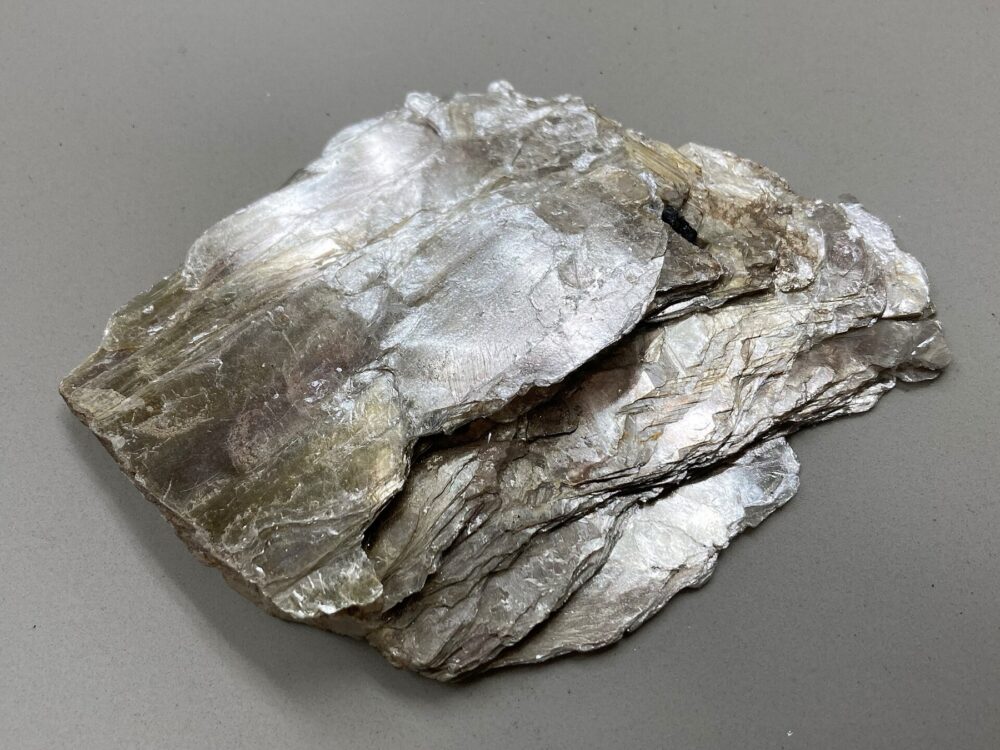
If you want mica jewelry or mineral specimens, you’ll usually have the best experience with mainstream retail marketplaces for finished pieces and niche mineral dealers for collectible specimens; for industrial mica, specialized material suppliers are the go-to. DHgate can be one extra place to look for low-cost bulk crystals or stones from China, but independent reviews describe it as legitimate yet mixed-risk, so it’s better for experimental sourcing than for authenticated or critical-use mica.
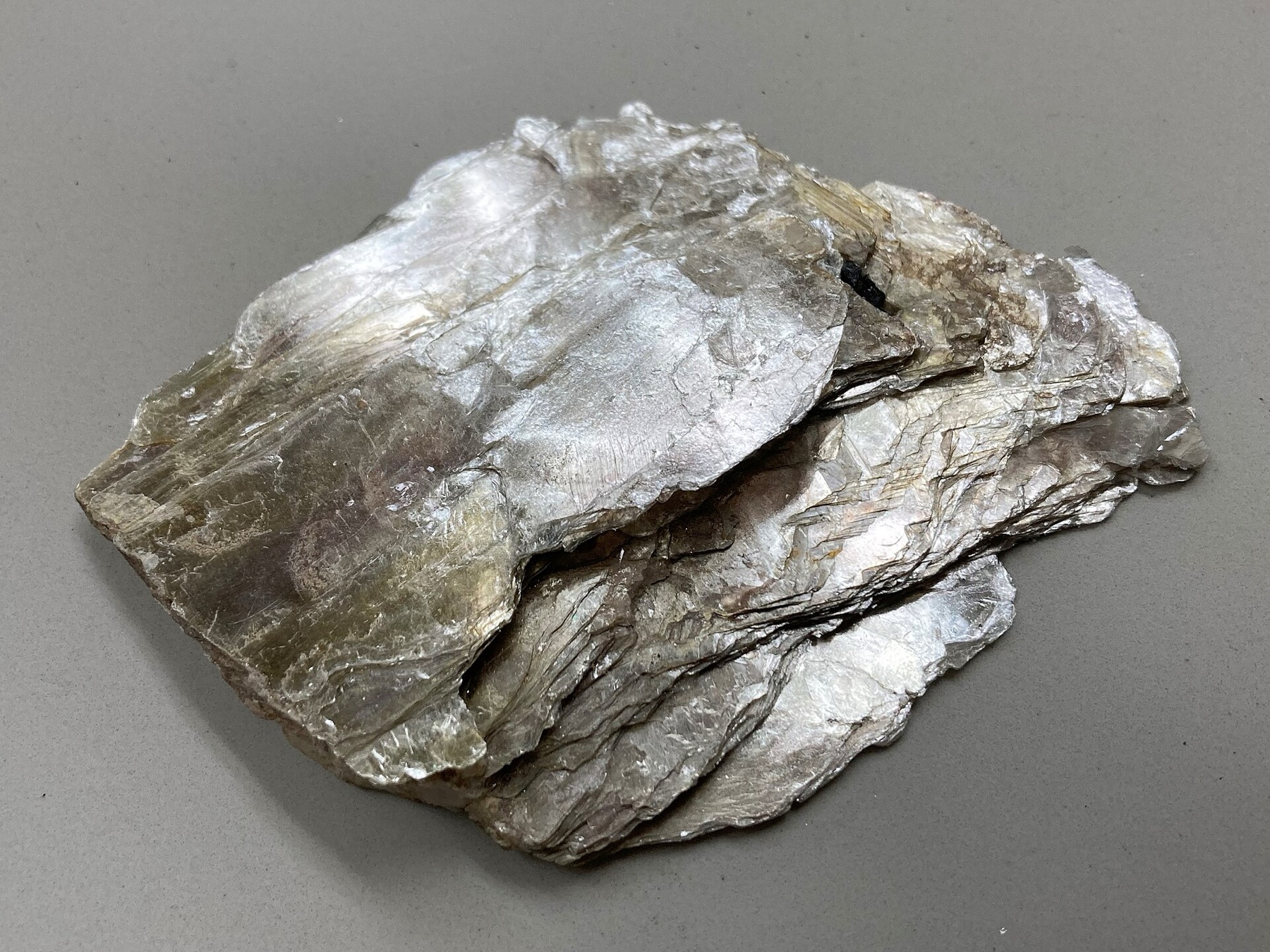
Mica itself is a group of silicate minerals with a layered, sheet-like structure. That layering makes it easy to split into thin, shimmering flakes used decoratively in jewelry and craft cosmetics, while its electrical insulation and heat resistance make processed industrial grades useful in electronics, insulation, and various high-temperature applications.mineralseducationcoalition.org and Material Insights both highlight this split between decorative and industrial roles.
Online Landscape for Mica Jewelry, Mineral Specimens, and Industrial Grades
For buying mica, the first decision is what “mica” means for you:
- Decorative jewelry and craft use: flakes or small slabs for resin art, beads, or mica-infused pieces; finished jewelry that uses mica as a focal element or accent.
- Mineral specimens: muscovite, biotite, phlogopite, and related mica-group minerals sold as labeled specimens or rough pieces for collectors.
- Industrial material: mica sheets, tapes, powders, or composites designed for electrical insulation, thermal barriers, or fillers in plastics and coatings.
Those use cases map to different platform types:
- General retail marketplaces mainly list finished jewelry or craft supplies, often with little mineralological detail. You’ll see “mica powder” for cosmetics or “muscovite pendant,” but rarely lab-level data.
- Collector and mineral specialist sites focus on labeled specimens and sometimes small slabs suitable for jewelry making. Their audience cares about locality, species, and authenticity.
- Industrial suppliers and technical distributors sell processed mica grades with specifications like dielectric strength, temperature rating, and particle size, aimed at manufacturers rather than hobbyists.
A concise way to think about it:
| Mica need | Typical format you buy | Best platform types to start on |
|---|---|---|
| Jewelry / resin crafts | flakes, powder, small slabs | retail marketplaces, craft-focused shops |
| Collectible mineral specimens | labeled crystals, plates, books | specialist mineral dealers, collector marketplaces |
| Industrial electrical/thermal use | sheets, tapes, powder, fillers | industrial material suppliers and technical distributors |
Trying to buy industrial mica from a jewelry-focused marketplace, or collectible specimens from a bulk industrial wholesaler, is where buyers run into misfit listings and vague specs.
How Retail, Collector, Industrial, and B2B Marketplaces Handle Mica
Each platform model runs differently and shapes what you actually get when you click “buy.”
Retail marketplaces (consumer-focused)
These are the big-name sites where you’ll find mica jewelry and craft mica in consumer-sized packs. Sellers range from small makers to importers. Expect:
- Low minimums (single pieces or small bags of mica powder or flakes) for hobbyists.
- Listings optimized for style and price rather than mineral detail; “shimmer pigment,” “natural stone” are common tags.
- Wide variance in how clearly mica type and origin are described.
Collector and mineral specialist platforms
Mineral dealers and collector marketplaces emphasize specimens and accurate labeling. Based on overviews like Commodity Education’s mica profile, collectors care about which mica species they’re buying and where it was mined. On these platforms you’ll typically see:
- Species names (muscovite, biotite, phlogopite) and locality info.
- Single pieces or small curated groups, priced more like collectibles than raw bulk.
- Audience expectations around authenticity; misidentified material hurts the seller’s reputation quickly.
These are a better fit if you’re an Etsy seller or jeweler who needs to advertise “natural muscovite from X region” and mean it.
Industrial suppliers and technical distributors
Industrial mica is primarily valued for electrical insulation and heat resistance, not appearance.Material Insights notes its role in capacitors, insulation boards, and high-temperature applications. Platforms in this space tend to offer:
- Detailed technical data: grade, thickness, composition, operating temperatures.
- Larger minimum order quantities and business-focused terms.
- Sales geared to engineers and buyers who already know the required spec.
If you’re a small manufacturer sourcing mica sheets for an electronics product, these are the channels to prioritize; hobbyist marketplaces rarely provide enough data to support engineering decisions.
B2B marketplaces for cross-border sourcing
Global B2B marketplaces connect overseas manufacturers and wholesalers to buyers. A China-based marketplace like DHgate is one example, with categories that include jewelry, crystals, and other fashion-adjacent goods.A DHgate blog overview describes it broadly as a B2B e-commerce marketplace with large jewelry and accessory categories, while a separate blog piece on crystals lists multiple raw and jewelry stones among its offerings.https://www.dhgate.com/blog/?p=13276
Choosing the Right Platform for Your Mica Use Case (Including DHgate as One Option)
The most reliable route depends on whether you’re a hobbyist, a small reseller, or a manufacturer—and how much uncertainty you can tolerate.
If you’re a hobbyist or small crafter
- Goal: small amounts of mica flakes, powders, or simple jewelry elements.
- Best starting platforms: mainstream retail marketplaces and craft-focused shops that sell mica powders, flakes, and pre-made pieces.
- Why: low minimums, familiar checkout, and lots of visual examples.
You rarely need cross-border B2B marketplaces here unless you’re experimenting with large mixed “crystal” bundles or trying to push your material costs as low as possible. In that case, browsing a B2B site like DHgate may expose you to bulk decorative stones, but treat listings as raw leads: examine photos critically, check seller history, and be ready for quality to vary.
If you’re an Etsy seller or jewelry microbrand
- Goal: distinctive mica-based pieces with credible mineral descriptions.
- Best starting platforms: collector-oriented mineral dealers and marketplaces plus some craft supply platforms.
- Why: clearer species labeling, locality details, and better odds you’re actually getting muscovite or a specific mica variant.
Buying “mystery stone” lots from bulk B2B channels can work for low-priced, style-first fashion jewelry, but it’s risky if your brand story leans hard on specific minerals or localities.
If you’re a small manufacturer that needs industrial mica
- Goal: repeatable performance — insulation, heat resistance, filler behavior.
- Best starting platforms: industrial material suppliers and technical distributors with proper data sheets.
- Why: they publish the dielectric and thermal performance data you need and sell at scales that match production.
Consumer marketplaces and generic B2B platforms are not the right place to compromise on spec-grade mica. If you see “industrial” products on a retail or B2B marketplace, treat them as leads to investigate with the manufacturer directly and confirm specifications against authoritative materials references.
A brief note on ethics and sourcing
Mica mining has drawn scrutiny in some regions for labor and safety issues, as highlighted in broader commodity discussions such as Commodity Education’s mica overview. As a buyer, especially a business, you can:
- Favor platforms and suppliers that disclose provenance and compliance efforts.
- Use collector-focused or reputable industrial channels when you need traceability.
- Be cautious of very cheap, poorly documented mica where neither locality nor labor practices are clear.
If your brand or business leans on ethical sourcing claims, that alone may push you toward more transparent specialist and industrial suppliers rather than opaque bulk channels.
Where DHgate sits in this mix
For U.S. buyers and small ecommerce businesses, DHgate and similar B2B marketplaces are best thought of as secondary, exploratory channels for decorative crystals and stone-based products, not as primary sources for authenticated mineral specimens or performance-critical industrial mica. If you reach the point where you’re experimenting with cross-border bulk orders to shave costs, it’s worth reading platform overviews like What DHgate is and how the marketplace works and broader online marketplace comparisons before you commit.
Use retail, collector, and industrial platforms to lock in your core mica supply. Then, treat DHgate as a place to test secondary decorative materials—only after you’ve decided exactly which mica role (jewelry, specimen, or industrial) your business actually needs.