
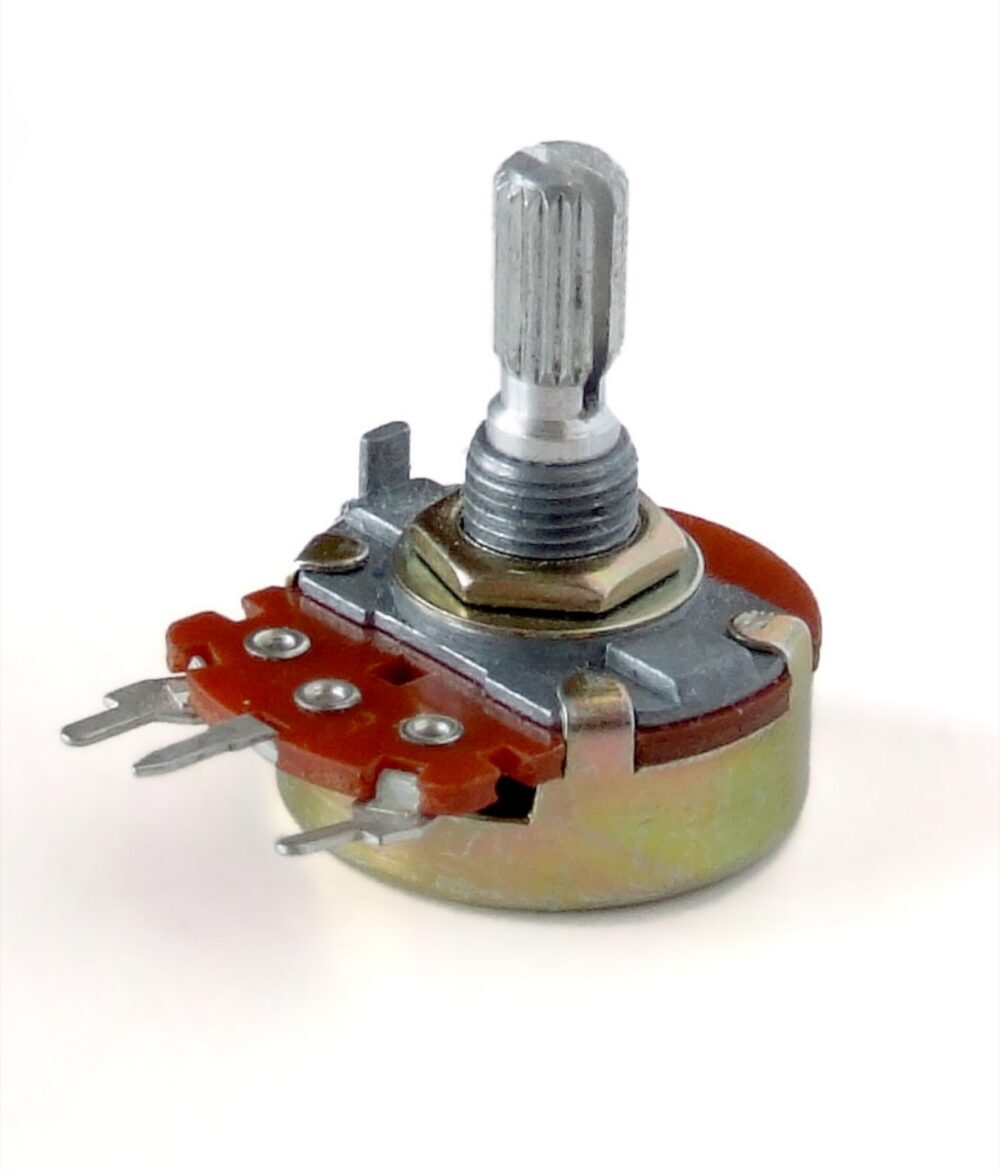
If you’re trying to replace or bulk-buy a potentiometer you first saw on Amazon, DHgate can be a useful sourcing option—but you have to search by specs, not by Amazon branding. The practical workflow is: copy the electrical and mechanical details from the Amazon listing, plug those into DHgate’s search bar, use filters and listing photos to narrow down candidates, then vet suppliers through ratings, reviews, and sample orders before you commit to a larger buy. If you can’t match the specs cleanly or get usable samples, you’re usually better off staying with Amazon or a specialist distributor.
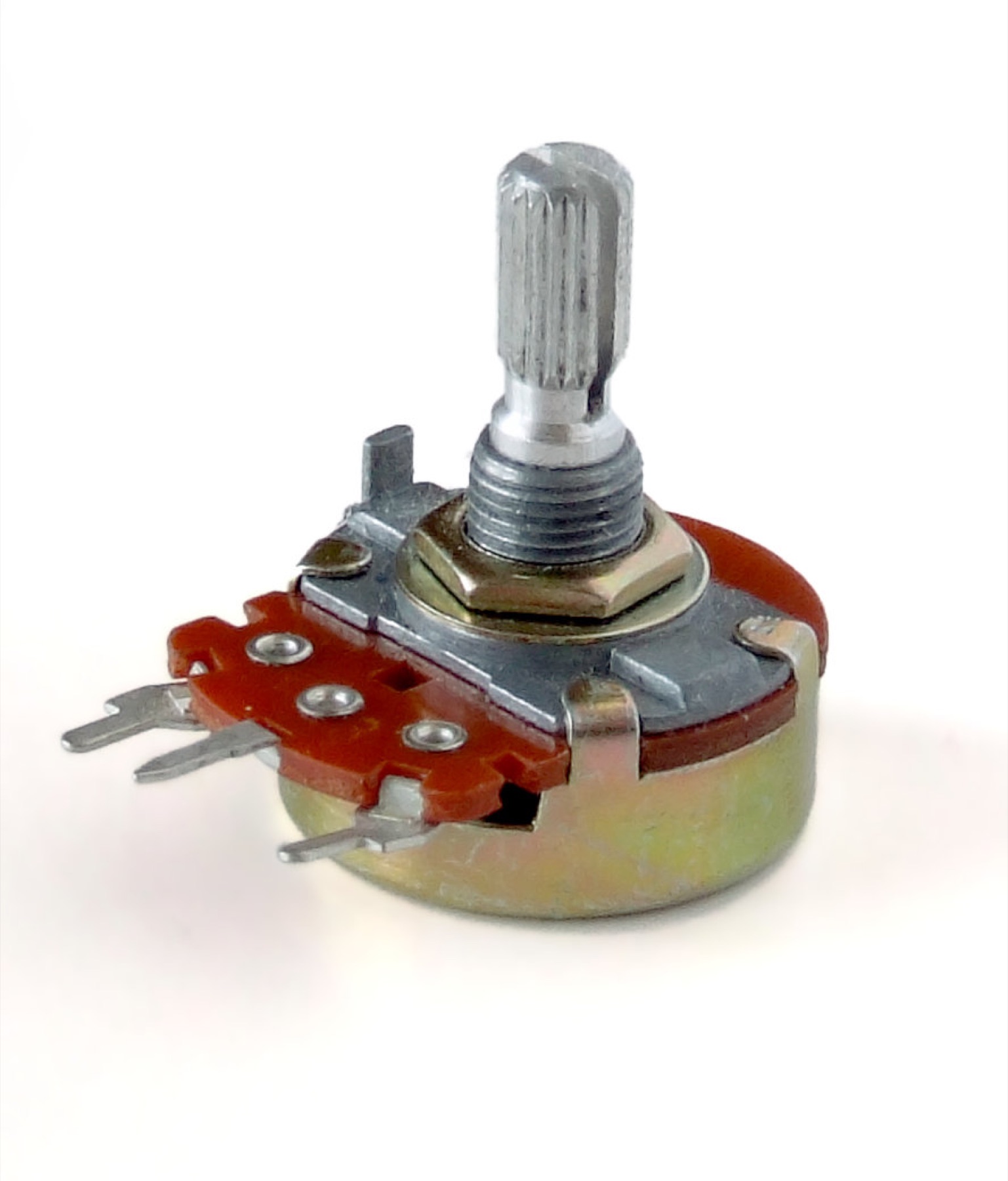
What Buyers Really Mean by “Amazon Potentiometers”
On Amazon, potentiometers often show up as branded kits or “guitar amp volume pots,” “10k audio taper pot,” or “linear rotary potentiometer for Arduino.” On DHgate you won’t reliably find those exact kits or brands; you’re looking instead for generic components built to the same specs.
For audio and general electronics work, the specs that matter most are:
- Resistance value: e.g., 1 kΩ, 10 kΩ, 50 kΩ.
- Taper: linear vs. logarithmic (audio) response.
- Power rating: how much power the pot can safely dissipate.
- Form factor: rotary vs. slide, and single-turn vs. multi-turn.
- Mechanical details: shaft diameter and length, knurled or smooth shaft, panel-mount vs. PCB-mount, number of gangs.
On Amazon, those details are buried in bullet points and Q&A. On DHgate, they’re the only thing that will let you match a part. So your goal is not to “find the Amazon pot,” but to rebuild the spec sheet for the part you like and then search that specification on DHgate.
Turn Your Amazon Specs into a DHgate Search and Shortlist
Here’s a concrete workflow you can reuse for almost any potentiometer:
1. Extract a spec list from your Amazon part
Open the Amazon listing (or an old order) for the potentiometer you trust and write down:
- Resistance and tolerance (for example: “10kΩ ±20%”).
- Taper type (“linear” or “audio/log”).
- Power rating (often 0.25W or 0.5W for small pots).
- Mounting style (“panel mount, solder lugs” or “vertical PCB mount”).
- Shaft type (knurled vs. smooth, D-shaft) and length.
- Any extras: built-in switch, waterproof body, sealed construction.
If Amazon doesn’t list a detail, use the product photos and your existing hardware to measure or infer it. A rough but honest spec list is far better than guessing later.
2. Build DHgate search queries around the specs
On DHgate, use the main search bar with component-style keywords, not brand names. For example:
- `10k audio taper rotary potentiometer panel mount`
- `50k linear slide potentiometer pcb mount`
- `1k rotary potentiometer with switch 6mm shaft`
Start broad, then add or remove terms depending on how many results you see. If you’re sourcing for resale, you can also run broader queries like `10k potentiometer` to find more factories, then refine.
DHgate’s own sourcing guidance suggests defining requirements first, then searching with relevant keywords and narrowing with filters—this is described in its component-sourcing guide, Sourcing components and raw materials via DHgate. That matches component sourcing best practice: get the spec right, then let the search surface suppliers who match it.
3. Use filters and listing details to narrow down candidates
Once you have a page of results, use DHgate’s filters and listing details to cut it down:
- Category and product type: make sure you’re in electronic components, not generic tools.
- Images: zoom photos to confirm pin layout, mounting holes, shaft type, and gang count.
- Specification fields: many listings include resistance, tolerance, and power rating—compare these to your Amazon spec list.
- Options menus: check if the listing actually offers your resistance value or taper, not just one generic “potentiometer.”
DHgate shopping guides, such as Your comprehensive DHgate shopping guide, emphasize reading listing specs carefully because different sellers may use similar titles for very different products. For potentiometers, that’s especially true: a 100k linear pot will look like a 10k audio pot in a thumbnail.
4. Shortlist 3-6 listings for deeper vetting
Add only the closest matches to your shortlist—parts that:
- Match the resistance and taper.
- Use the same mounting style (panel vs. PCB) and shaft type.
- Offer the quantity range you can start with (often a small pack rather than a huge minimum order quantity).
From here, you’re no longer trying to skim the whole marketplace. You’re comparing a few realistic candidates and their suppliers.
Evaluating DHgate Potentiometer Suppliers—and When to Use Other Channels
Once you have potential matches, the question shifts from “can I find a part” to “can I trust this supplier enough to integrate their parts into my builds or store inventory.” DHgate’s wholesale guidance for bulk buyers stresses researching sellers, starting with sample orders, and using filters to find stronger suppliers, as outlined in Wholesale confidence: why bulk buyers rely on DHgate.
Check seller history with component-specific questions
On each listing, look beyond the product photo:
- Seller ratings and feedback: higher positive feedback and a meaningful transaction history are useful signals for consistency.
- Reviews mentioning electronics: look for comments about component quality, not just fast shipping or packaging.
- Storefront focus: click through to the seller’s store. Are they mainly selling electronic components, or a random mix of fashion and gadgets?
For a small audio or electronics business, you want suppliers who treat components as a core product line, not a side hustle.
You can deepen this check using marketplace-level guidance on spotting better merchants, such as How to easily find good sellers on DHgate, which explains search tricks, seller variation in minimum order quantities, and how to use ratings and history when comparing stores.
Use samples and micro-orders as your quality filter
DHgate’s component sourcing blog explicitly recommends ordering samples before bulk purchases. For potentiometers, a simple micro-checklist helps:
Sample Ordering Micro-Checklist
- Order at least a handful of units from each shortlisted supplier (enough to spot inconsistencies).
- Inspect mechanical feel (smooth rotation or slide, no scratchiness), shaft play, and build quality.
- Test electrical behavior: resistance range, taper shape, and noise when turned, ideally in the actual circuit (amp, preamp, controller).
- Check labeling and packaging—consistent part markings matter if you’ll stock multiple values.
If a supplier won’t do small quantities at all, that’s workable for high-volume buyers but risky for hobbyists and small stores.
For broader, platform-level order checks—like double-checking specifications and quantities before checkout—you can use process-oriented guidance such as the DHgateWiki article on order readiness, which focuses on general marketplace sanity checks.
Decide whether DHgate beats other channels—for your use case
| Use case / channel | DHgate (spec-first sourcing) | Amazon retail | Specialist electronics distributors (US-based) |
|---|---|---|---|
| Hobby projects, small batches | Good if you enjoy vetting and testing; you define specs, search components, and order samples. | Easiest: search by consumer keywords; parts often documented but pricier. | Often more than you need unless you require niche or high-spec parts. |
| Small audio/electronics resale | Attractive for margin if you validate suppliers; expect to compare multiple sellers by specs. | Fine for low-volume resale; margins slimmer but listing-level info is clear. | Strong for branded parts and traceable supply for serious resale. |
| Critical, safety-related designs | Only workable if you have strong in-house QA and can qualify suppliers over time. | Still consumer-grade components; may not meet formal engineering standards. | Preferred; designed around engineering requirements and documentation. |
For many US buyers, DHgate makes the most sense when:
- You’re sourcing generic rotary or slide pots for audio or DIY kits.
- You’re willing to test samples and reject bad suppliers.
- You care more about cost and long-term margins than about brand labels.
Where DHgate fits for Amazon-style resale
DHgate also positions itself as a sourcing option for Amazon-style resale and FBA sellers, highlighting access to OEM factories and the need for validation and quality focus in DHgate for Amazon FBA sellers: a sourcing strategy. If you’re trying to take an Amazon-style potentiometer kit and turn it into your own listing:
- Use DHgate to find OEM-like suppliers for the underlying pots and related hardware.
- Validate those suppliers with aggressive sampling and spec checks before private-labeling anything.
- Be prepared to switch suppliers if tolerances or mechanical feel change over time—generic components can drift.
In many cases, you’ll end up using DHgate for the raw components and Amazon for the actual retail channel. That’s a reasonable split, as long as your DHgate search and vetting process is disciplined.
For additional DHgate platform context, use What DHgate is and how the marketplace works, Find trusted sellers on DHgate, and Review the DHgate order-readiness checklist.
For a broader sense of how DHgate works as a marketplace beyond components, you can read DHgateWiki’s overview of the platform structure and buyer role, which explains key concepts without focusing only on electronics components.