
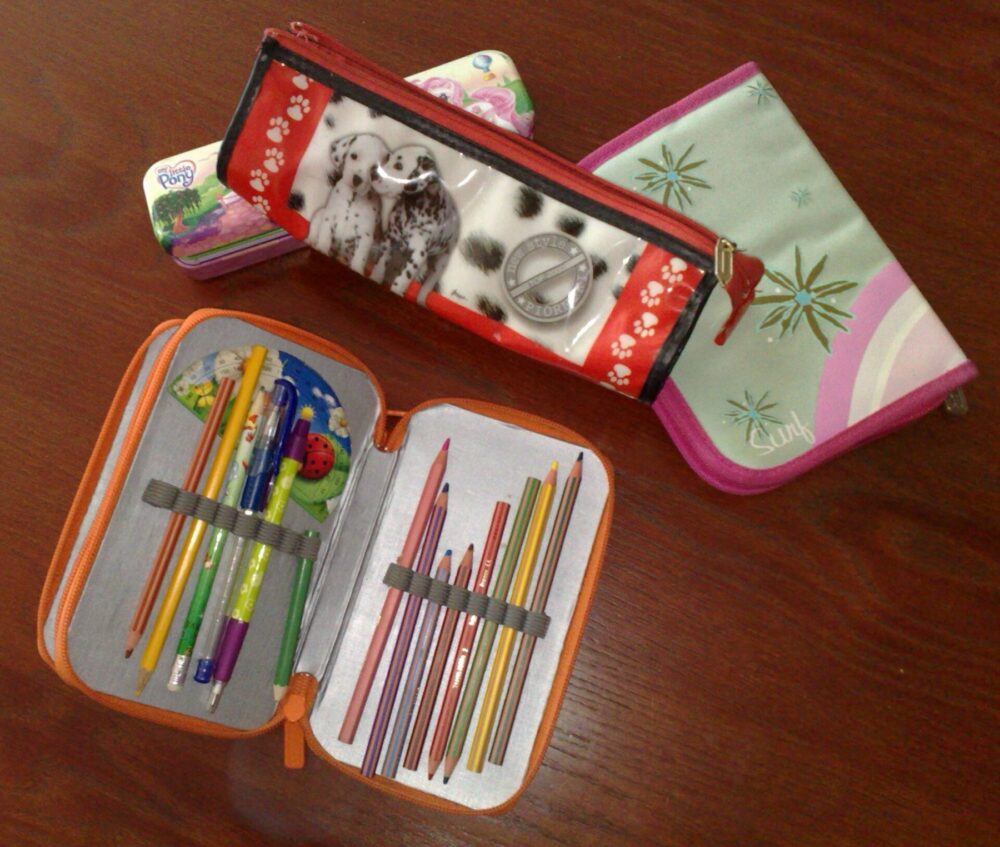
If you search “calculator pencil case” directly on DHgate and then refine by material, size, and rating, you can usually surface a mix of plastic and fabric cases with built-in calculators suitable for students or resale. The key is to use precise keywords, apply filters to cut out obvious low-effort listings, then read the specs, photos, reviews, and seller ratings before deciding whether DHgate fits your budget and risk tolerance.
For UK buyers and small ecommerce businesses, this guide focuses on how to find those calculator pencil cases on DHgate, how to judge the listings you see, and when it’s smarter to switch to a different sourcing route.
What Calculator Pencil Cases Are and Why Buyers Look for Them
A calculator pencil case is normally a hard or semi‑rigid case that stores pens and pencils and also includes a basic calculator built into the lid or side. Many student‑focused designs add extras like a simple pencil sharpener, rulers, pop‑up compartments, or magnets to hold notes.
The audience is mostly school‑age children and students, so designs skew toward bright colors, cartoon prints, and novelty mechanisms. For small UK resellers, these cases sit in the same category as low‑cost stationery gifts and back‑to‑school bundles. Margins can be modest, but the appeal is that you’re selling an all‑in‑one gadget rather than a plain pouch.
On DHgate, you’re effectively shopping this niche as a multi‑functional pencil box rather than a standalone calculator. That means you’ll often see it grouped with wider stationery or school‑supply categories.
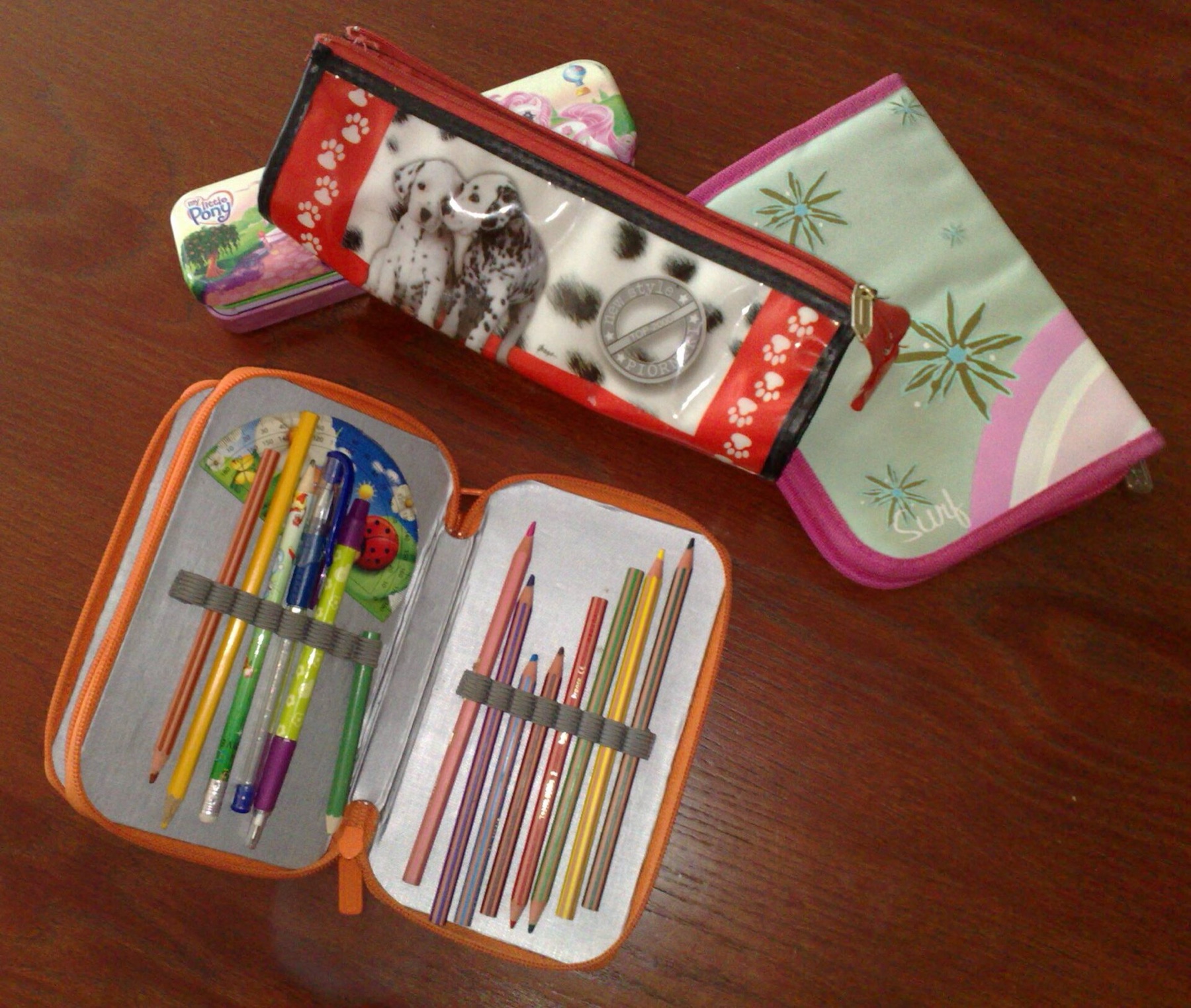
Finding the Right Calculator Pencil Case Types and Evaluating Quality
This is where DHgate’s search tools and listing details matter. You’re not just trying to “find something”; you’re trying to filter to styles that match your use case and look consistent enough to trust.
Step 1: Use specific search terms
Start at the DHgate homepage and type in one of these phrases:
- “calculator pencil case”
- “plastic pencil case with calculator”
- “multi function pencil box calculator”
If you want particular features, add them right in the query, e.g. “double sided calculator pencil case” or “kids pencil box with calculator and sharpener”. This helps surface listings where sellers have taken the time to describe the product rather than dumping generic stationery.
Step 2: Apply filters to narrow results
DHgate’s own ecommerce guide recommends using search filters to narrow down to products that match your criteria. On a typical results page you can usually filter by:
- Material (e.g., plastic vs fabric)
- Price range
- Minimum order quantity (MOQ)
- Seller rating
For calculator pencil cases, a practical workflow is:
- Set a sensible upper price so you cut out overpriced novelty items.
- Filter to higher seller ratings (for example, 4 stars and up if available). This doesn’t guarantee quality, but reduces the number of experimental or low‑history sellers.
- Watch the MOQ: resellers may need small test quantities before committing.
Step 3: Read the listing like a spec sheet
DHgate’s buyer‑oriented blog notes that each product listing normally includes specifications, images, prices, and seller ratings. For this niche, read those sections with specific questions in mind:
- Dimensions: Is the case large enough for UK standard pens and pencils, but small enough for school bags?
- Calculator details: Is it described as a basic four‑function calculator or something more? Is the display position clear from photos?
- Materials and build: Does the listing mention ABS plastic, metal hinges, or reinforced corners, or is it vague (“high quality material”)? Vague language can signal mixed batches.
- Child appeal: Are the prints, colors, or characters suitable for your target age group and local norms?
If a listing only shows one generic render, no size info, and minimal text, treat it as higher‑risk. DHgate editorial shopping tips emphasise detailed descriptions and good images as positive signals.
Step 4: Use reviews and ratings as a reality check
According to DHgate’s own buyer advice, checking seller ratings and reading product reviews are key steps in optimising purchases. When you open a calculator pencil case listing:
- Look at the seller rating and total sales count. More transactions plus good ratings suggest a proven track record with buyers.
- Read written reviews, not just star scores. For stationery, watch for comments about flimsy lids, calculators stopping working, or colours not matching the photos.
- Sort reviews, if possible, to see the most recent ones. Design or quality can change between batches.
If reviews are sparse or mixed, that doesn’t automatically disqualify the product, but it’s a sign to order a very small quantity first or keep searching.
Step 5: Message the seller to fill gaps
DHgate blog guidance on sourcing components suggests clarifying requirements and even ordering samples. For calculator pencil cases, a short message can cover:
- Real photos of current stock instead of catalogue images
- Confirmation of materials and hinge type
- Whether colours or prints can be mixed in a single order
Sellers who respond clearly and quickly are easier to work with if you plan repeat purchases for ecommerce.
Here’s a compact way to think about what you’re seeing on each listing:
| Listing element | Good sign for calculator pencil cases | Risk signal |
|---|---|---|
| Photos | Multiple angles, open/closed views, close‑up of calculator | One stock image; no view of calculator area |
| Description | Clear size, material, features listed in bullet points | Generic phrases, no measurements |
| Reviews | Specific comments about sturdiness and calculator working | Complaints about breakage or dead buttons |
| Seller rating | High rating with visible transaction history | Low rating or almost no sales |
Matching DHgate Listings to Your Needs and When to Choose Alternatives
Once you’ve found a handful of plausible calculator pencil case listings, you still need to decide how (or if) to buy.
Shortlisting and sampling for small UK resellers
For a UK stationery micro‑business, treat DHgate as a sourcing pool rather than a single supplier. DHgate’s ecommerce sourcing editorial recommends defining your requirements, evaluating supplier credentials, and ordering samples before bulk orders.
A practical workflow:
- Shortlist 3-5 listings that match your target age group, price range, and material preferences.
- Check each seller’s history via the rating and review section, then favour those with clearer descriptions and more feedback.
- Order sample quantities (even if that means paying a bit more per unit) to physically check:
- Calculator reliability
- Hinge strength and overall durability
- Print quality and packaging
- Use your samples to decide which single design or mix of designs is strong enough for your shop or online store.
If you’re buying for personal use (for your child or a student), you can skip the multi‑seller comparison and just pick the single listing that has the clearest photos, useful reviews, and a seller with a solid rating.
When DHgate is a good fit for calculator pencil cases
DHgate tends to make sense when:
- You’re price‑sensitive and willing to do your own filtering and QC.
- You want access to a wide range of novelty designs that may not be stocked by UK wholesalers.
- You’re comfortable with cross‑border sourcing and can invest time in reading listings, reviews, and contacting sellers.
In these situations, the platform’s breadth of stationery styles can be an advantage, as long as you stay disciplined about checking seller profiles. You can deepen that part of the process by reading Find trusted sellers on DHgate.
When to consider alternative platforms instead
There are also clear cases where DHgate is not the easiest route for calculator pencil cases:
- You need strict consistency: If you’re supplying a school or corporate client that expects uniform cases, a UK‑based wholesaler or a brand‑direct contract may be simpler than cross‑border, multi‑seller sourcing.
- You lack time for vetting: If you cannot read through multiple listings, reviews, and seller pages, a marketplace with local fulfilment and tighter curation might reduce the risk of getting flimsy products.
If any of these apply, you can still use DHgate for early design inspiration, but handle actual procurement elsewhere.
For broader context on how the marketplace itself works, it’s worth reading What DHgate is and how the marketplace works before you commit to a large stationery order. When you’re ready to buy, you can also run through the DHgate order‑readiness checklist to make sure each calculator pencil case listing meets your expectations.