
If you’re trying to keep a Rival meat slicer going—or stock a few for resale—you’ll find most genuine units and parts on resale and specialty sites, not mainstream retail. eBay, Etsy, and auction platforms such as HiBid have the widest range of used Rival slicers and cannibalized parts, while niche parts sites sell Rival‑compatible blades and hardware. DHgate can be useful mainly for generic slicer accessories (e.g., universal blades or pushers) from China‑based sellers, but it’s not a reliable source for original Rival‑branded parts, so you’ll need to verify fit and specs carefully.
For most Canadian buyers and small ecommerce businesses, that means using second‑hand channels for the core slicer and any model‑specific pieces, then layering in cross‑border marketplaces only for clearly compatible generic parts.
Understanding Rival Meat Slicers and Why Online Sourcing Matters
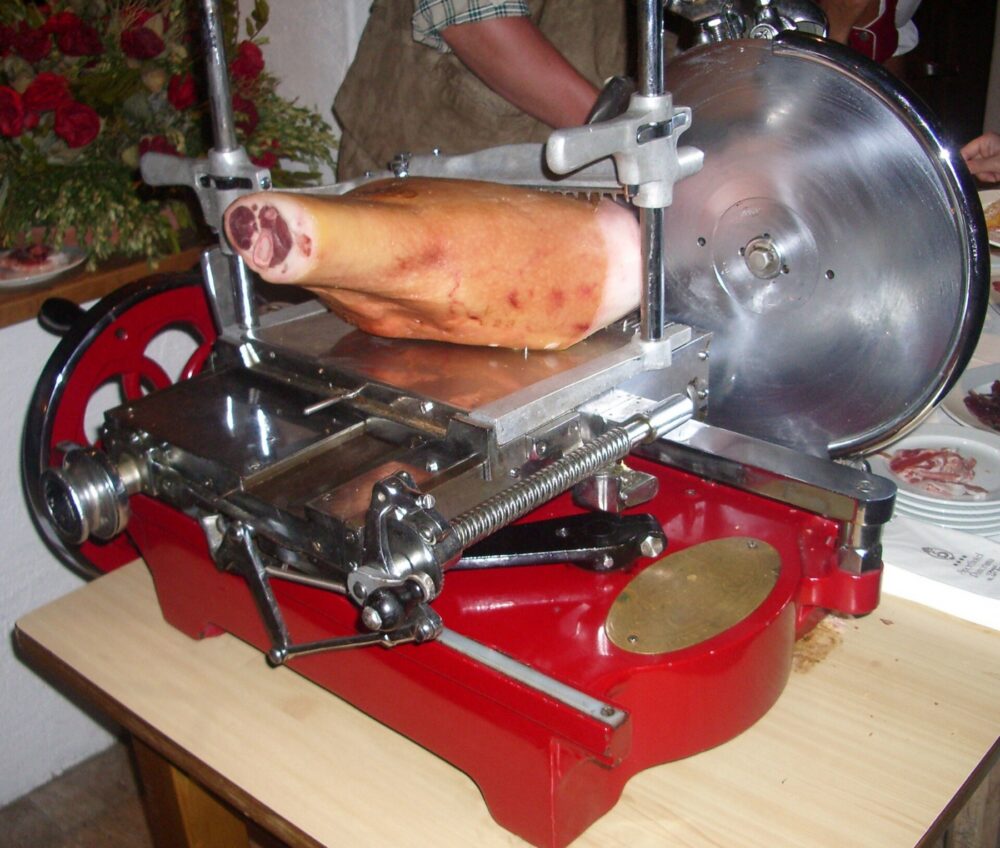
Rival meat slicers are home kitchen appliances designed to slice meats, cheese, bread, and vegetables. They were marketed as affordable, occasional‑use tools for home cooks, not heavy commercial machines. Typical vintage listings describe compact electric units with simple thickness adjustments and a removable round blade, sized for countertop use rather than a deli counter.
Because Rival slicers are no longer promoted as current, mass‑market appliances, new stock rarely appears at big box retailers. Today they behave like a vintage/home‑appliance brand: you mostly see older models passed along through resale and surplus channels. Sites like eBay regularly show used Rival slicers with visible signs of age, while Etsy tends to surface more “vintage kitchen” listings labeled as Rival slicers or Slice Crafter‑style units.
That shift matters for sourcing. If you’re a Canadian buyer or small reseller, you’re not choosing between Amazon and a local chain store. You’re deciding whether to hunt down intact units and OEM‑style parts in a rotating, used‑goods market; whether to trust third‑party compatible components; and how far you’re willing to go with cross‑border sourcing when a part is no longer made.
Key Types of Rival Slicers, Parts, and Compatible Accessories
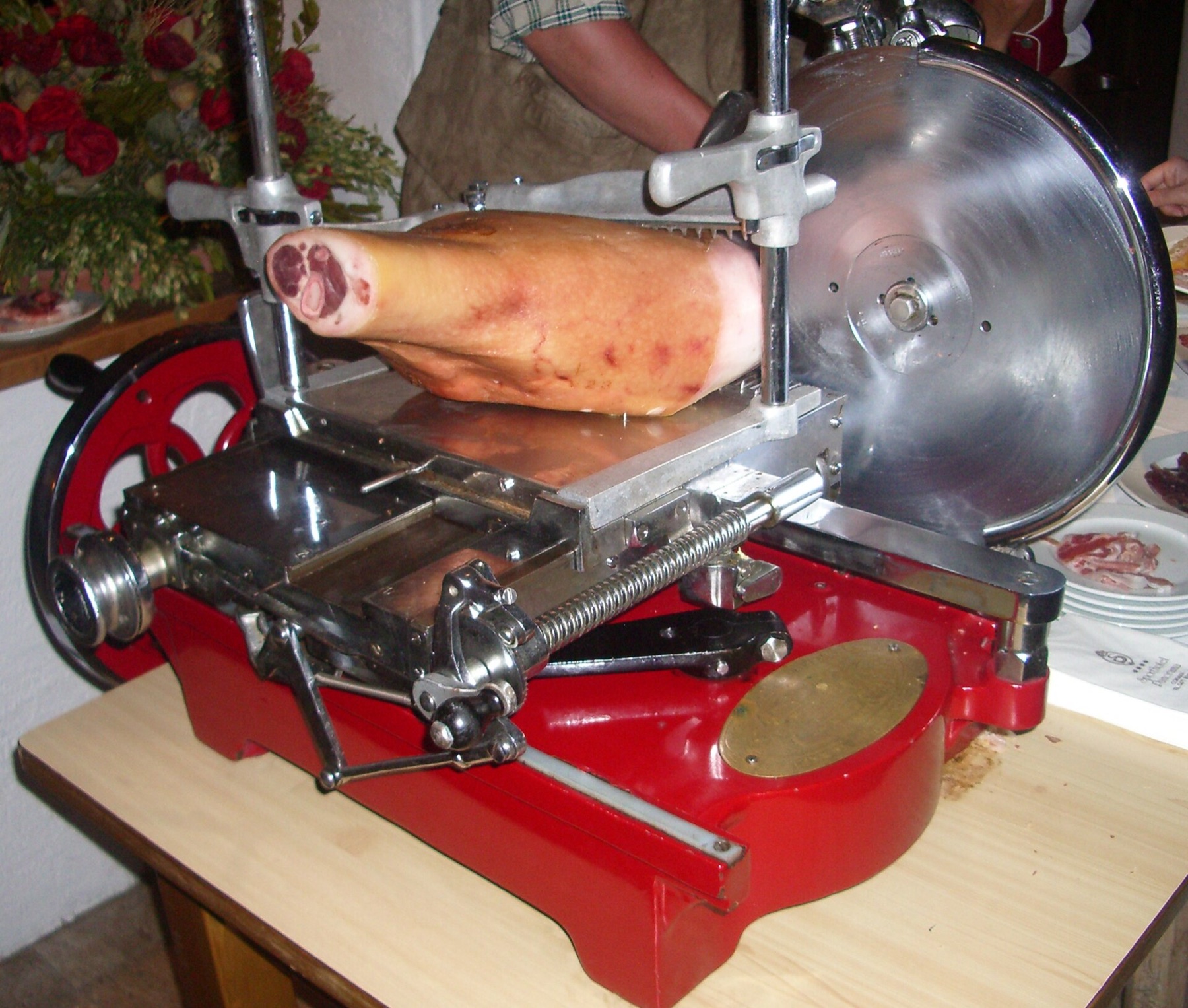
You’ll see a handful of specific Rival model codes repeated in listings. For example, models like 1101E3 and 1101E7 appear on niche parts sites alongside dedicated replacement blades and pushers.
Parts‑focused retailers such as MeatSlicersi’s Rival section show common components for these units:
- Replacement blades for particular models (e.g., a blade labeled for the 1101E7)
- Spiked grip pushers for holding meat against the carriage on models like the 1101E4
- Small hardware pieces such as gear screws that keep the drive mechanism together
On replacementblades.org, you’ll find a “replacement blade retainer” marketed as Rival‑compatible, which illustrates a key distinction: many parts are designed to fit Rival slicers but aren’t necessarily produced or backed by the original manufacturer.
From a decision standpoint, it helps to separate what you’re looking for into three buckets:
- Model‑specific parts – blades, retainers, pushers, thickness guides, and internal screws that match a particular Rival model number. These are usually tied to codes like 1101E3, 1101E4, 1101E7.
- Generic slicer accessories – cleaning brushes, food pushers, universal replacement blades with standard diameters and arbor sizes. These can be sourced from broader marketplaces as long as you can confirm dimensions.
- Whole vintage units – complete Rival slicers, sometimes sold “as‑is” or for parts. These show up mostly on auction and resale sites and can be cannibalized if you’re building inventory.
A small reseller might buy intact units on eBay or HiBid, then source compatible pushers and blade retainers from parts sites, rounding out with universal cleaning tools or generic blades from global marketplaces if specifications match.
Best Online Channels to Source Rival Slicers and Parts (Including DHgate)
Because Rival is effectively a vintage brand now, you need to match your buying channel to the specific task—finding a complete unit, rescuing a broken one, or stocking compatible accessories. Here’s how the main options compare:
| Channel type | What it’s good for | Typical Rival‑related finds* |
|---|---|---|
| General resale (eBay, Etsy) | Whole slicers, used OEM parts, occasional “parts only” listings | Complete Rival units, thickness guides, random spare parts |
| Specialty parts sites (meatslicersi.com, replacementblades.org) | Targeted mechanical parts and blades | Labeled blades, blade retainers, pushers, gear screws |
| Online auctions (HiBid) | Bulk or estate finds, potential low‑cost inventory | Mixed lots including Rival slicers, sometimes untested |
| Comparison lists (BestReviews.guide) | Scouting modern alternatives and lookalikes | Ranked “Rival meat slicers” pages with competing brands |
| Global marketplaces (incl. DHgate) | Generic slicer accessories, cross‑border price hunting | Universal blades/pushers, not original Rival parts |
Resale and auction platforms (for original units and donor parts).
On eBay.ca’s Rival meat slicer pages, you’ll commonly see vintage Rival slicers listed with photos of the actual unit, plus occasional replacement parts removed from broken machines. The U.S. eBay catalog and Etsy’s Rival slicer search show similar patterns: individual sellers, varying condition, and one‑off opportunities.
Canadian‑accessible auction platform HiBid periodically lists Rival slicers in antique or household auctions, sometimes as “Rival meat slicer” lots or specific model codes. For a small reseller, this is a way to grab several units in one go, provided you’re comfortable with estate‑sale uncertainty.
Parts‑specialist sites (for targeted mechanical fixes).
If you already know your model number, niche sites are often the fastest way to get back to slicing. Meatslicersi.com’s product pages and their spiked grip pusher listing show clearly labeled parts for specific Rival codes, along with photos of the actual component. Replacementblades.org does the same for certain retainers.
This route suits a Canadian home user who wants a single blade or screw and doesn’t want to gamble on a generic part, and it’s also attractive for micro‑resellers doing careful refurb work.
Comparison sites and modern substitutes.
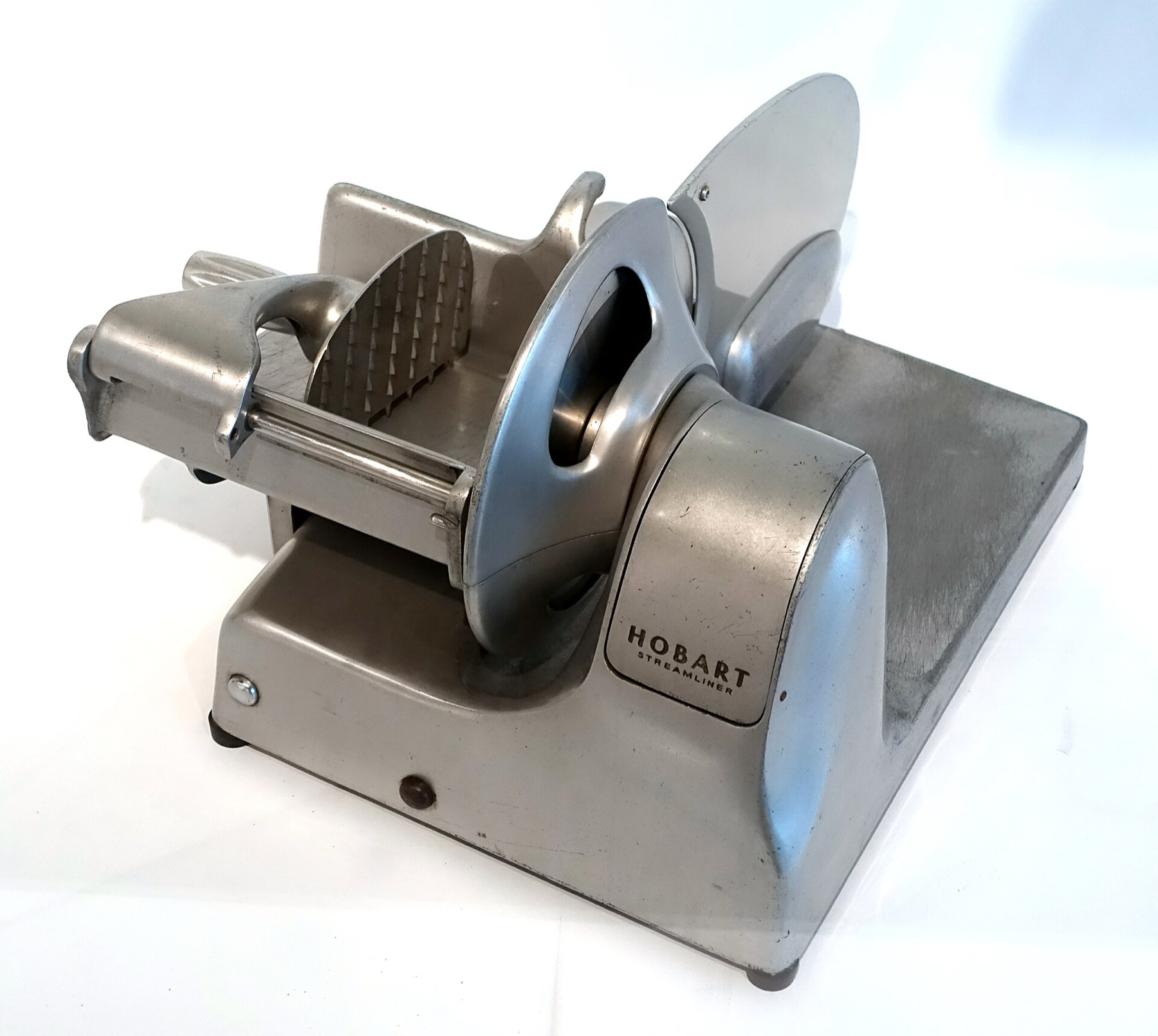
For a small ecommerce shop, this kind of page can be a quick way to identify newer slicers that are actually available wholesale, while still keeping a few vintage Rival units as “retro” inventory.
Where DHgate fits: generic accessories, not original Rival parts.
DHgate is a global marketplace that connects China‑based sellers with international buyers across many categories, including kitchen tools. As a channel in this specific task, DHgate is mainly relevant for non‑branded accessories—universal blades that match a certain diameter, generic food pushers, cleaning kits—rather than for authentic, model‑specific Rival parts.
Because our research didn’t surface verified Rival slicer listings on DHgate, you should treat anything labeled “compatible” as a generic part and confirm measurements, mounting style, and material against your slicer before considering it. For cross‑border buying, it’s also wise to spend extra time on seller‑level signals. Our guides on what DHgate is and how the marketplace works and how to find trusted sellers on DHgate can help you structure those checks, and the DHgate order‑readiness checklist is a useful pre‑checkout sanity pass.
For most Rival owners, DHgate will be a secondary option behind eBay, Etsy, HiBid, and dedicated parts vendors—something you tap when you need a generic accessory and you’re comfortable validating fit and cross‑border tradeoffs yourself.