
For buyers in Canada, the most reliable way to get good white cumin seeds (safed jeera) is to start with food‑grade retailers: Canadian grocery sites, South Asian spice shops, and bulk suppliers that clearly label cumin as a culinary ingredient and, ideally, show origin or certifications. Global marketplaces like DHgate can be a secondary option for seeds, but product quality and intended use vary widely there, so you should only treat individual listings as candidates after careful checking of descriptions, photos, and buyer reviews.
If you mainly cook at home, a 200-400 g pack from a Canadian grocer or South Asian online store will usually give you fresher, more predictable cumin than anonymous bulk imports. If you run a small ecommerce spice shop, you may pair those domestic sources with tested bulk lots from specialized wholesalers or export‑oriented suppliers.
What White Cumin (Safed Jeera) Is and Why Buyers Seek It Online
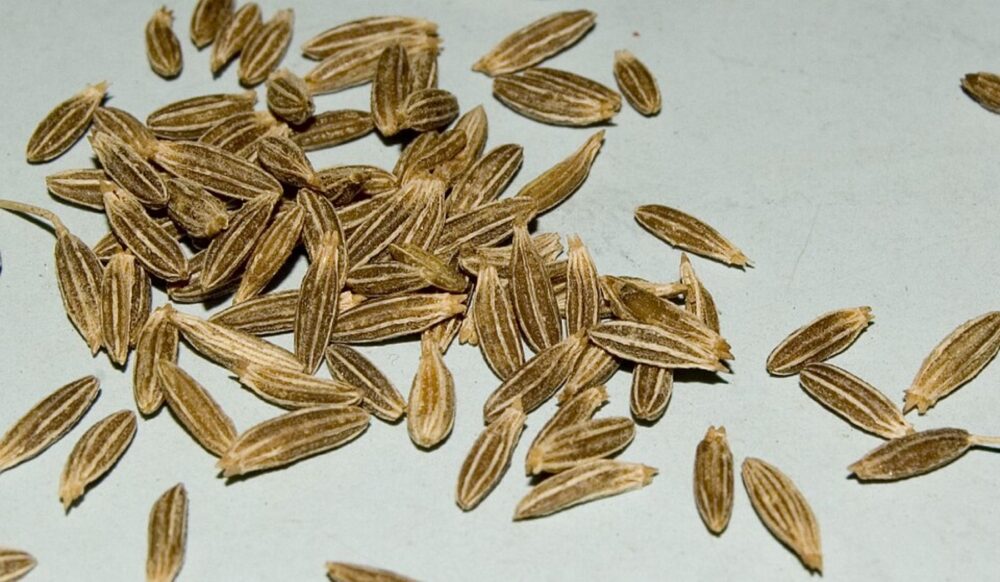
White cumin (often called safed jeera or safed zeera in South Asian markets) refers to pale, whole cumin seeds sold for cooking and traditional uses. Retailers like Dimraj Traders present it as whole seeds in small food‑grade packs, and shops such as Bazaar5 label it as Cuminum cyminum, emphasizing aroma and flavor for culinary use.
You’ll also see regular brown cumin called “jeera” in Canadian grocery listings, such as Global Choice whole cumin on Walmart.ca. Trade and retail sites don’t always distinguish clearly between “white” versus standard cumin in naming, so it’s smarter to look at photos and descriptions than rely only on the word “white.”
Canadian buyers typically look for white cumin online for three reasons:
- Home cooking: South Asian, Middle Eastern, and Latin American recipes often call for whole jeera to be tempered in hot oil, ground into masala, or sprinkled over rice and breads.
- Small food businesses: Cafés, meal‑prep services, and indie grocery brands need consistent flavor and appearance and may re‑pack cumin into smaller jars.
- Ecommerce resellers: Online spice shops want distinctive packaging, potentially organic or higher‑grade cumin, without committing to industrial‑scale orders.
Buying online lets you compare more variants than a single local store, but it also pushes more of the quality‑checking onto you.
Types and Quality Grades of White Cumin You’ll See Online
Online listings for white cumin fall into a few meaningful buckets.
Product forms and labeling
- Whole white cumin (safed jeera)
Sold as intact seeds for cooking and dry roasting. Retailers like Dimraj and Bazaar5 stress warm, earthy aroma and visual uniformity.
- Whole cumin/jeera (not always called “white”)
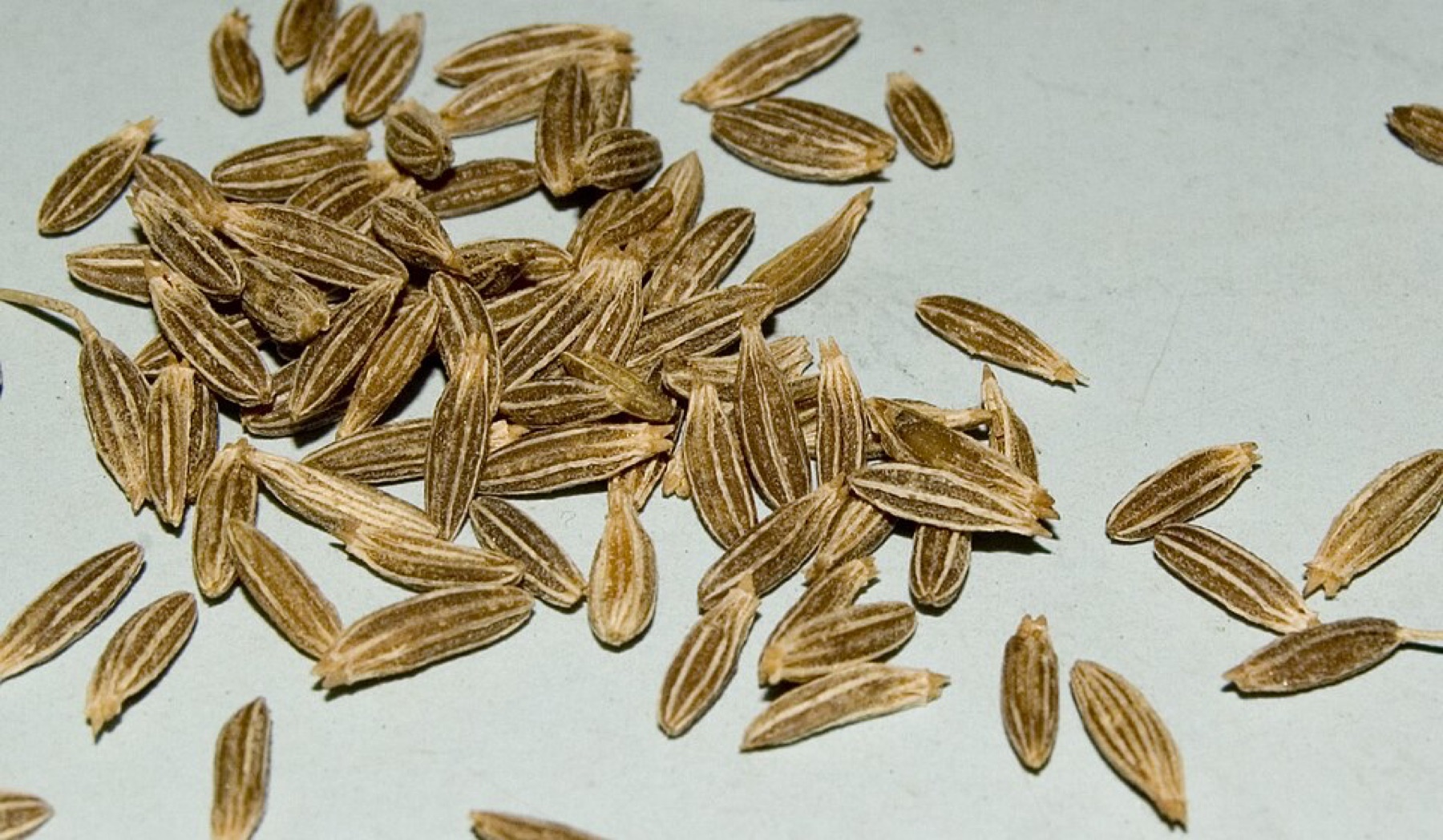
Canadian grocery sites and bulk shops often just say “whole cumin seeds” or “jeera”. Cumin listed on Gronatic or Bulkmart is positioned for culinary use, and photos show the typical elongated, ridged seeds.
- Ground cumin
Many spice shops sell powder alongside whole seeds. Ground cumin is convenient but loses aroma faster, which matters more for restaurants and resellers than for a home cook using it quickly.
Some specialist brands also use claims like “organic,” “pure,” or “chemical‑free” on cumin products; those are marketing signals rather than standardized grades unless backed by named certifications.
Export‑style grades vs. practical retail choices
Export‑oriented suppliers describe cumin grades such as “Singapore,” “Gulf,” or “Europe” quality, based on purity, cleaning, and specs rather than taste. Public guides like Elysium Agri’s cumin grade explainer discuss how bulk buyers compare lots on foreign matter, moisture, and seed size.
For a Canadian retail or small‑business buyer, that kind of grading matters in these ways:
- Purity and cleaning: Better grades have fewer stems, broken seeds, or stones. In product photos, look for mostly whole, intact seeds of similar size.
- Color and uniformity: Good white cumin is light beige to pale brown, not dull gray or mixed with noticeably darker seeds.
- Aroma: Strong, distinctive smell when you open the bag is a basic sanity check. For resale, you may want suppliers that can share a specification sheet or certificate of analysis; export‑grade suppliers highlight this more than generic marketplace sellers.
If a listing doesn’t mention grade but shows clear, even seeds and identifies the plant as Cuminum cyminum, that’s usually enough for home use. Resellers should press for documentation and consistent lot numbers.
Best Online Channels to Buy White Cumin From Canada (Including DHgate)
Canada gives you several workable channels for white cumin, each with different trade‑offs. Here’s how they stack up by typical use‑case:
| Channel type | Typical pack sizes you’ll see | Best suited for | Key upsides | Main risks/limits |
|---|---|---|---|---|
| Canadian grocery ecommerce (e.g., Walmart.ca) | Branded 200-800 g consumer packs of jeera/cumin | Home cooking; small cafés | Easy ordering, familiar brands, food‑grade positioning | Limited to mainstream varieties; rarely labeled by grade |
| South Asian/Specialty spice shops online | 100-500 g safed jeera / white cumin packs | Authentic recipes; niche ecommerce resale | More naming detail (safed jeera), often better aroma focus | Variable documentation; smaller catalogs per shop |
| Bulk/wholesale sites (e.g., Bulkmart) | Multi‑kilo bags, e.g., 55 lb whole cumin | Small manufacturers, repackers | Lower per‑kg cost, suited to re‑packing | Storage burden, you must check specs carefully |
| Global marketplaces (DHgate and others) | Seed packets and bulk listings from many sellers | Gardeners; experimental sourcing | Huge variety; user reviews help spot issues | High variance in quality, intended use (garden vs food) often unclear |
Canadian grocery and bulk sites
On Walmart.ca, whole jeera appears in branded 400 g bags, which are ideal if you cook regularly and want predictable flavor without worrying about import paperwork. You’ll find similar whole cumin on other grocery platforms and sometimes larger packs like 800 g.
Bulk‑oriented sites such as Bulkmart list big bags of whole cumin seeds suitable for small businesses that re‑pack spices or use cumin in manufacturing. Here, the decision isn’t just price — you need to be confident about cleaning level and storage conditions, because a 55‑lb bag will sit around longer than a pantry‑size pack.
Specialist spice and South Asian shops
Retailers like Dimraj Traders and Bazaar5 show white cumin as safed jeera with clear culinary positioning and often more attention to aroma. These are good sources if you care about traditional naming or want to match recipes that specify safed jeera.
For a home cook, ordering 100-250 g at a time keeps the spice fresher. For a small ecommerce business reselling spices, these shops can be starter suppliers while you learn which varieties your customers prefer.
Where DHgate fits — and where it doesn’t
DHgate’s own blog notes that the marketplace carries a wide range of plant seeds, from vegetables to flowers, with buyers able to rate and review sellers. That suggests you may encounter cumin or related seeds there, either for gardening or potentially bulk use.
However, DHgate is a broad wholesale marketplace, not a dedicated food retailer. Listings can mix garden seeds with food ingredients, and documentation standards vary by seller. Treat any white cumin or jeera listing there as a lead to investigate, not an automatic win: read the description to see whether it’s meant for planting or cooking, scrutinize photos for seed appearance, and pay attention to detailed buyer reviews rather than just star counts.
If you’re primarily buying food‑grade cumin for Canadian resale, it’s usually safer to use DHgate after you’re comfortable evaluating overseas suppliers and only when a listing offers clearer specs than you can get locally.
Quick scenarios: matching your channel to your needs
- Home cook in Toronto: Start with a 400 g bag of whole jeera from a grocery site like Walmart.ca, then try a 100 g pack of labeled “safed jeera” from a South Asian shop if you want to compare flavor.
- Small ecommerce spice brand: Use Canadian bulk sources such as Bulkmart for base cumin, but test smaller lots from specialist safed jeera retailers to offer a premium line. Ask for spec sheets or at least detailed product information.
- Experimenting with overseas sourcing: Explore export‑grade suppliers or marketplaces only after you’re clear on the difference between garden seeds and food‑grade cumin and you’re ready to vet each seller individually.
If you eventually consider DHgate for any spice or packaging purchases, it’s worth reading neutral explainers about what DHgate is and how the marketplace works and practical guidance on how to find trusted sellers on DHgate before you place larger orders.