
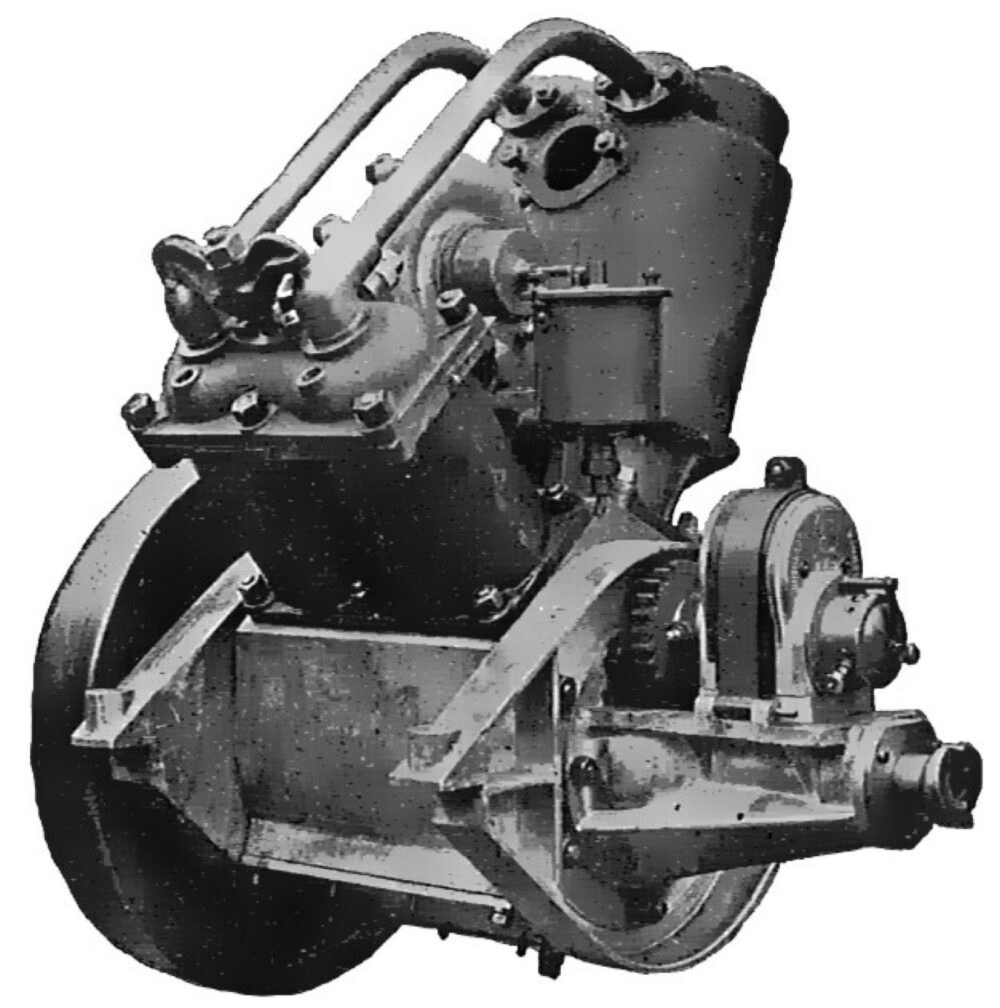
If you’re trying to buy a 4‑stroke bike engine kit, DHgate is one of the marketplaces where you can find them, but you’ll need to be deliberate about search terms, filters, and how you read each listing. The practical route is: search with specific 4‑stroke keywords, filter by price and seller rating, then shortlist only listings with detailed specs (displacement, mounting style, included parts), clear photos, and credible reviews. If most results look vague, poorly reviewed, or don’t match Canadian legal or quality expectations, it’s a sign to switch to another sourcing channel.
What 4‑Stroke Bike Engine Kits Are and Why Marketplaces Get Used
A 4‑stroke bike engine kit is a bundle that typically includes a small gasoline engine, mounting hardware, drive system (chain or belt), fuel tank, controls, and basic wiring to turn a regular bicycle into a motorized bike. “4‑stroke” here refers to the engine’s combustion cycle, which generally runs cleaner and quieter than common 2‑stroke kits, with separate oil and fuel instead of premix.
Buyers look for these kits for:
- Commuter builds that feel more durable and less fussy than 2‑stroke setups.
- Hobby projects where the appeal is the mechanical work as much as the riding.
- Small resale operations offering budget motorized bikes or DIY kits.
Cross‑border marketplaces like DHgate attract these buyers because they connect directly with overseas suppliers and manufacturers, often at lower per‑kit cost than local retail. DHgate’s own motorcycle parts content assumes you’ll search by keywords, then filter by price and seller ratings, and only buy after reading descriptions and buyer reviews to confirm compatibility and completeness. That same mindset is useful for engine kits, which carry more risk if specs or parts are wrong.
Key kit traits to keep in mind
Inline definition callouts that matter for your search:
- Displacement (cc): common 4‑stroke bicycle kits are around 49-100 cc. Bigger isn’t automatically better; higher displacement can mean more power and more legal scrutiny in Canada.
- Drive type: chain‑drive vs belt‑drive kits with gearboxes (often branded as “7G” style in hobby circles). The mounting and maintenance differ.
- Mounting style: front vs mid‑frame vs rear rack systems; this affects whether the kit will fit your bike’s frame safely.
Understanding these basics will help you recognize whether a DHgate listing is specific and serious or just a vague engine bundle.
Using DHgate to Search, Filter, and Narrow 4‑Stroke Kit Listings
Here’s a practical step‑by‑step workflow for DHgate.
- Start with focused keywords
On the DHgate homepage, use the top search bar and try variations such as:
- `4-stroke bike engine kit`
- `4 stroke bicycle motor kit`
- `4-stroke 49cc bike engine`
Avoid just `motorized bike` or `engine kit`; those will drag in 2‑stroke, electric, and unrelated parts.
- Scan the first page and refine
Look at how many results actually show small 4‑stroke engines with bicycle mounting hardware. If most are generic engines or scooter parts, adjust your keywords (add `bicycle`, `49cc`, or `100cc` depending on your target).
- Apply DHgate’s filters and sort options
DHgate’s own guidance for motorcycle body kits recommends using filters such as price range and seller ratings, and sorting by options like best match, new arrivals, or most popular. For engine kits, a practical pattern is:
- Set a price ceiling that matches your budget so random high‑end engines don’t clutter the view.
- Filter to higher‑rated sellers first; you want suppliers with a track record.
- Sort by best match or most popular to surface listings that buyers actually choose, then later look at new arrivals if you want to experiment.
- Open a few candidate listings and read deeply
From DHgate’s sourcing and buyer tips, the key actions are: read descriptions fully, check seller ratings, and review transaction history and product reviews. Tailor that to engine kits:
- Description detail: does it clearly state 4‑stroke, displacement (e.g., 49 cc vs 100 cc), drive type (chain/belt), and frame compatibility? A single vague line like “high power engine for bike” is a red flag.
- Included parts list: look for explicit mention of tank, throttle, mounting brackets, hardware, and any gearbox or transmission. Kits with granular parts lists are easier to install and resell.
- Photos: good listings will show the engine from multiple angles, the mounting points, and sometimes a diagram of the installed kit.
- Use reviews and seller data as a quality filter
DHgate’s buyer advice emphasizes checking seller ratings and product reviews. For 4‑stroke kits, make that concrete:
- Prefer sellers with substantial ratings and feedback on similar mechanical products (bike and motorcycle parts), not just clothing or random electronics.
- Read reviews looking for comments about installation, missing parts, or actual displacement/performance. Vague “good seller” comments without technical details are less helpful.
- Check seller transaction history if visible; it signals whether this is a long‑term parts supplier or a new, untested account.
- Shortlist and contact sellers when stakes are higher
If you’re a small Canadian reseller planning to buy multiple kits, follow DHgate’s ecommerce sourcing advice and:
- Shortlist 2-4 listings that pass your spec and review checks.
- Message sellers to confirm details like displacement, kit completeness, and whether they can provide extra photos or documentation.
- Ask whether they support sample orders; DHgate’s editorial guide suggests this as a best practice when you’ll place larger orders later, though not every listing will offer it.
Safety, Legality, and What You’re Personally Responsible For
A quick but necessary caution: motorized bicycle kits are not just cosmetic parts.
- Safety: installation quality directly affects safety. DHgate’s motorcycle body kit guidance explicitly recommends professional installation for complex parts; the same logic applies here. Poor mounting or drive alignment can cause accidents.
- Legality in Canada: different provinces treat motorized bicycles differently based on power, top speed, and whether the bike has pedals. Marketplace listings rarely explain local law, so you must verify your own compliance before riding on public roads.
- Liability: buying through a marketplace doesn’t transfer responsibility for safe installation or legal use. Treat every kit as “for off‑road/DIY use” unless you have clear local confirmation otherwise.
Hobbyist vs Reseller: How Your DHgate Workflow Changes
For Canadian buyers, your role changes what “good enough” looks like.
| Buyer type | DHgate use case | Must‑check details on listings | Suggested action on DHgate |
|---|---|---|---|
| Single‑kit hobbyist | One engine kit for a personal build | Displacement, frame compatibility, completeness of kit | Buy only from top‑rated sellers with detailed reviews |
| Small reseller | Multiple kits to resell or build for clients | Spec consistency, seller stability, ability to sample | Order 1-2 sample kits before any bulk purchase |
| Experimental builder | Trying different layouts or drive types | Variety of mounting styles, gearbox options | Use DHgate to test niche or uncommon configurations |
Hobbyists can sometimes accept a bit of uncertainty if the project is low‑stakes and budget‑driven, but resellers need repeatable specs and predictable supplier behavior. DHgate’s blog on ecommerce sourcing leans on evaluating suppliers and, where possible, requesting samples before committing to larger orders—those steps matter more for resale than for one‑off projects.
When DHgate Is a Good Fit for 4‑Stroke Kits—and When to Look Elsewhere
Buyers in public forums actively ask where to find “quality 4‑stroke motor kits 100cc or better,” which hints at the bigger problem: it’s hard to verify quality just from online listings, regardless of marketplace. That’s the backdrop for judging DHgate.
DHgate is a good fit when:
- Descriptions and reviews give enough detail about actual performance, installation, and completeness.
- As a reseller, you can secure sample orders to test before scaling.
It’s not the right channel for this purchase when:
- Most “4‑stroke” results are actually generic small engines with no bicycle mounting hardware.
- Listings are thin on specs, rely on stock images, or have little to no technical feedback from buyers.
- You need clear assurances about Canadian regulatory compliance, which cross‑border sellers rarely provide.
If your DHgate search looks weak—few true kits, vague descriptions, questionable reviews—shift your efforts. Other marketplaces, niche motorized bicycle shops, or local powersports retailers may offer fewer options but clearer product documentation and support.
For broader context on DHgate itself, you can read what DHgate is and how the marketplace works, and if you do move toward checkout, the DHgate order‑readiness checklist and guidance on finding trusted sellers on DHgate are useful next filters.
The goal is not to force DHgate into the solution, but to use it efficiently when the listings justify the risk—and to walk away quickly when they don’t.