
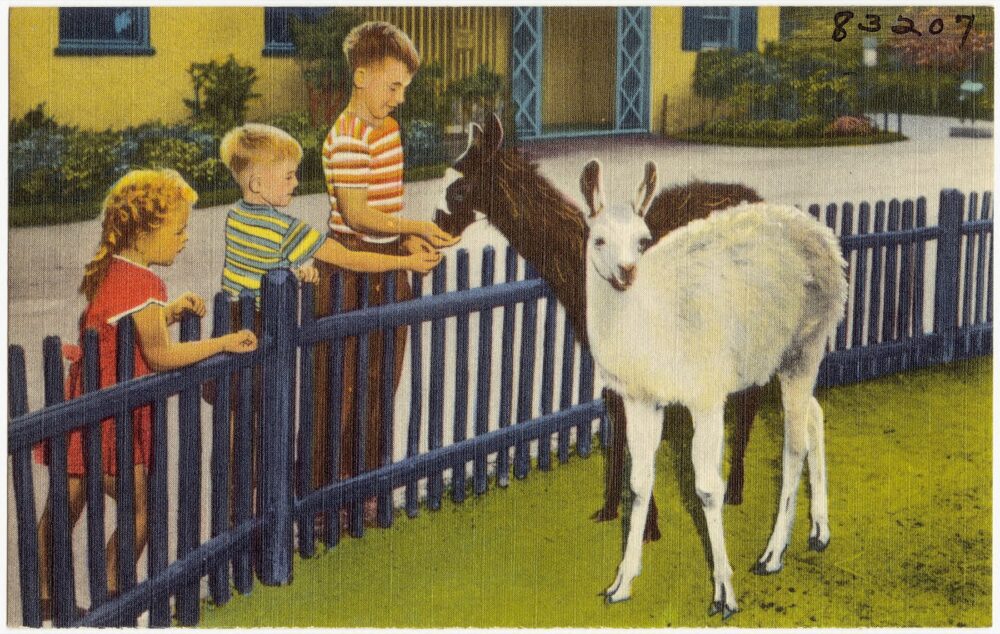
If you want zoo‑themed art on a fence or wall, start by locking down where it will go and whether it must survive outdoors. Measure that section of fence or siding, decide if you’re after a full mural, a few metal animal silhouettes, or printed panels, and then pick materials described as suitable for outdoor use—metal, treated wood, or outdoor‑grade prints. Once you’ve got style, material, and size sketched out, you can compare options from garden decor retailers, local artists, and global marketplaces such as DHgate using your specs as a filter instead of scrolling blindly.
For most buyers and small ecommerce shops, the practical workflow is: define the fence zone and viewing distance, choose a zoo theme (playful petting‑zoo vs. dramatic safari animals), match that to a material that can handle your climate, and only then shortlist products and sellers.
What Counts as Zoo Art and Fence Art for Home and Small Biz Buyers?
“Zoo art” on consumer sites usually means animal‑themed art: anything from realistic lion portraits to cartoon giraffes. “Zoo fence art” narrows that down to pieces that live on or near a fence—often in a backyard, school playground, daycare, petting zoo, or small animal attraction.
For your space, you’ll see a few main formats:
- Indoor zoo wall art – canvas or paper prints of zoo animals, framed photos, or multi‑panel sets hung inside a home, classroom, or waiting room. These don’t need weatherproof materials.
- Outdoor fence murals – paint or printed panels directly on a wooden or metal fence, or large boards installed to read as a continuous mural. Backyard mural and outdoor wall art guides note that planning around fence height, posts, and sightlines helps the scene feel intentional rather than random.
- Metal or wood animal silhouettes – cut‑out shapes (elephants, giraffes, birds) mounted to a fence or wall as yard art. They work well as accents between plants or along a pathway and can be moved or rearranged.
- Sculptural pieces near a fence – small statues or 3D forms placed so the fence is their backdrop. Yard art layout advice, such as the guidance in this overview of garden sculptures and layout, emphasizes using fences and walls as anchors for focal points.
If you’re decorating a business—say a daycare or grooming salon—the same categories apply, but you’ll likely favor bold, readable animals and simple, durable materials that are easy to clean.
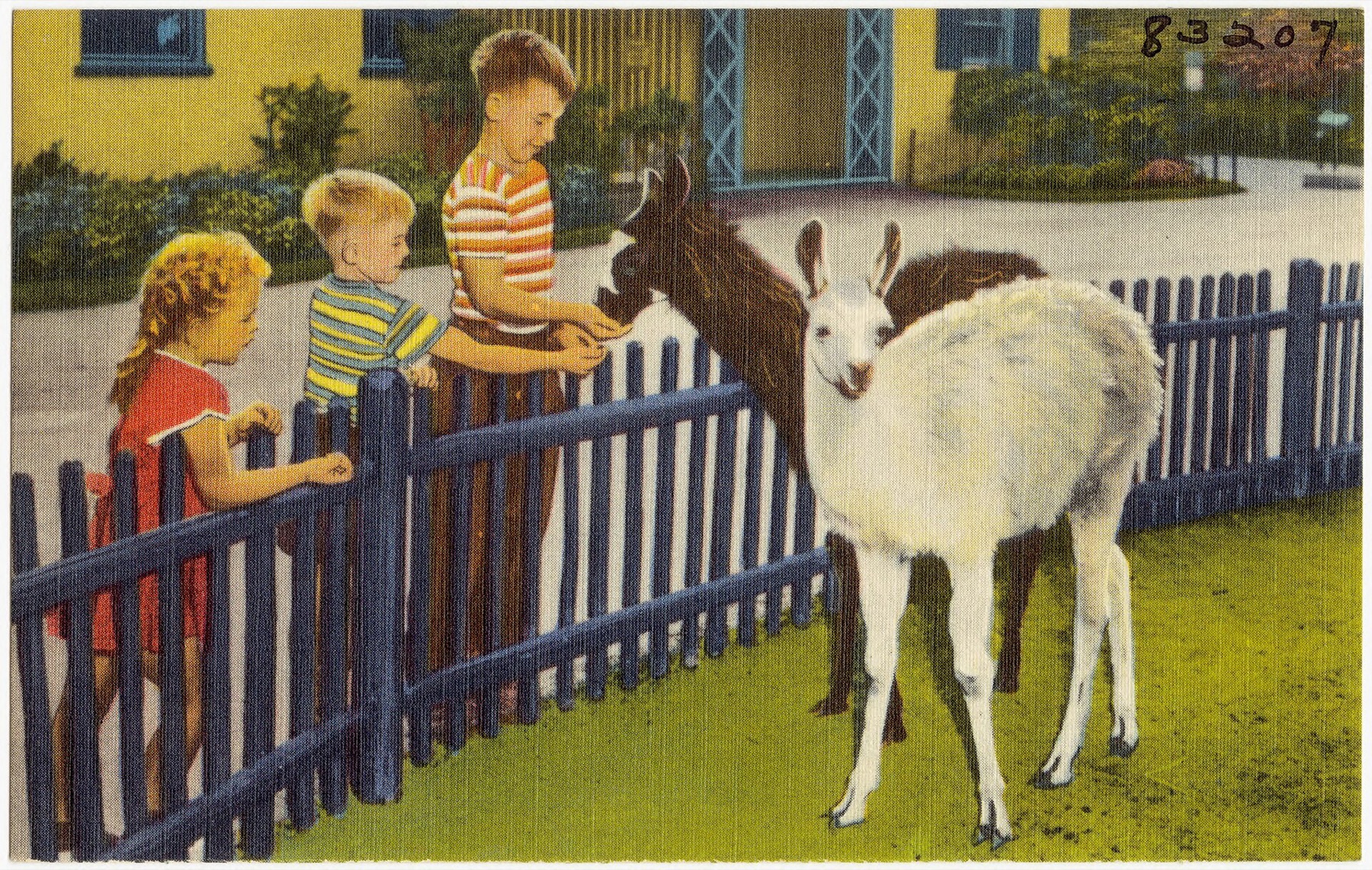
Key Style, Material, and Size Choices for Zoo Fence Art
Once you know you are decorating a fence, not just a living‑room wall, the core decisions are style, material, and scale.
Style paths: mural vs. panels vs. silhouettes
Think about how much of the fence you want to cover:
- Full or partial mural – good if you want an immersive zoo scene behind a play area. This might be painted directly on wood or created with printed boards. It tends to feel playful and high‑impact, but it’s harder to change later.
- Series of panels – individual animal panels (e.g., three panels: giraffe, lion, elephant) spaced along the fence. This borrows from indoor multi‑panel wall art, where the set’s size and gaps are tuned to the furniture or wall width. On a fence, the “furniture” is gates, posts, and plantings—plan your spacing so panels don’t clash with posts.
- Silhouettes and cut‑outs – simpler shapes you can tuck between plants or near corners. These are flexible if your layout changes over time.
A quick way to decide: stand in the main viewing spot (patio door, playground entrance, shop window) and sketch what you want to see—one big scene, a “parade” of animals, or small accents.
Materials: how they behave outside
Outdoor decor guides consistently highlight matching material to weather exposure and surrounding structures. Common choices include:
- Metal (steel, aluminum, sometimes iron) – popular for outdoor wall and fence art. Articles on metal wall decor, such as this placement guide, point out that finishes and coatings matter for rust resistance: powder‑coated or otherwise treated pieces usually hold up better than raw steel in damp climates. Metal suits bold line‑art animals and silhouettes.
- Wood – can feel warm and rustic, especially for petting‑zoo or farm themes. Garden wall art advice mentions that outdoor wood typically benefits from sealing or weather treatment; untreated boards can warp or fade more quickly.
- Weather‑treated prints on panel – essentially outdoor‑rated prints mounted on composite or metal boards. These are useful when you want photographic realism (e.g., a close‑up of a tiger) in a mural format.
Here’s a compact comparison to keep materials straight:
| Material | Typical Zoo-Themed Look & Best Use | Outdoor Behavior (High-level) |
|---|---|---|
| Powder-coated metal | Modern, crisp silhouettes or line-art animal outlines | Coating helps resist rust; suitable for exposed fences |
| Plain/untreated metal | Industrial, raw finish for bold graphic pieces | May discolor or rust faster when fully exposed |
| Sealed wood | Warm, natural boards or cut-out animals | Needs periodic care; can develop a weathered patina |
| Outdoor print panels | Photographic scenes or colorful cartoon zoo murals | Designed for exterior use; check any usage notes |
Because you’re often buying online, you won’t see these materials in person first. Look for language like “outdoor wall art,” “garden wall art,” or “weather‑resistant” and match that to your climate. In a high‑rain or coastal area, a protected metal or rated outdoor panel is usually safer than bare wood.
Getting fence sizing right
Sizing is where many buyers go wrong. Garden art layout pieces emphasize planning around existing structures and focal points; indoor wall‑art guides add that multi‑panel sets should feel proportionate to what’s around them.
For a fence:
- Measure the usable width and height of the fence section you’re decorating, ignoring areas blocked by shrubs or gates.
- Leave margins from the top and sides so panels don’t butt directly against posts. On a 10‑foot run, a trio of roughly 18-24 inch wide panels with several inches between them usually reads as balanced rather than crowded.
- Match to viewing distance. If people see the art from 20-30 feet away (street, parking lot), go larger and simpler. If it’s a small courtyard where viewers are 3-8 feet away, you can use smaller, more detailed pieces.
For indoor zoo art (e.g., a waiting room), you can borrow directly from multi‑panel wall art sizing: a multi‑piece set typically looks right when its total width is around two‑thirds to three‑quarters of the furniture width beneath it. Translate that to fences by treating a gate or main fence bay as the “sofa” and sizing art accordingly.
Where DHgate Fits Among Zoo Art and Fence Art Sources
Once your specs are clear—theme, material, rough dimensions—the next step is deciding where to look.
You have several broad paths:
- Garden decor and outdoor art retailers – useful for ready‑made metal silhouettes, garden wall art, and outdoor panels. Material descriptions tend to be explicit, and you can often sort by “outdoor wall art” or “fence decor.”
- Local artists and muralists – best when you need a custom, site‑specific zoo fence mural or heavy sculpture that has to integrate with your exact structures and landscape.
- Large marketplaces (including DHgate) – these aggregate global sellers offering art prints, panels, and handcrafted items. DHgate’s editorial blog presents the platform as offering a wide range of art prints and artisan products at competitive prices via international sellers, which can be appealing if you want a broad style range alongside budget‑conscious choices.
For zoo‑themed fence and wall art, DHgate is generally most relevant when:
- You’re buying printed animal art or small panels, possibly in bulk for a business, and want to compare many styles quickly.
- You’re sourcing related artisan pieces (animal‑themed handcrafts) to complement a fence mural—things like small hanging ornaments or decorative plaques.
To keep this marketplace in Product Discovery rather than general sourcing advice, use it mainly as a comparison source once your specs are fixed:
Using marketplaces with your fence-art plan
- Search using specific terms based on your plan – combine animal, material, and use, such as “outdoor metal lion wall art,” “garden giraffe silhouette,” or “animal fence decor panel.” This narrows results to pieces meant for walls and fences.
- Filter for materials and uses that match what you decided earlier – scan titles and descriptions for words like “outdoor,” “garden,” “metal,” “wood,” “weather‑resistant,” or “canvas print” so you’re only considering products suited to your placement.
- Check listing photos and dimensions against your measurements – look at how pieces sit on walls or fences in photos, and compare the posted dimensions to your fence section and spacing plan.
If your project evolves toward a large, site‑specific zoo mural or heavy sculpture, local artists and specialty outdoor decor shops are often a better fit than any global marketplace. Use DHgate mainly where its strengths—many styles of art prints and themed handcrafts—line up with your plan, not as a default choice.
When you’re ready to dig into platform mechanics or seller evaluation beyond product specs, you can use DHgate‑focused references such as What DHgate is and how the marketplace works, the DHgate order‑readiness checklist before checkout, and guidance on finding trusted sellers on DHgate as separate helpers. Those resources step beyond product discovery into how to handle actual orders.