
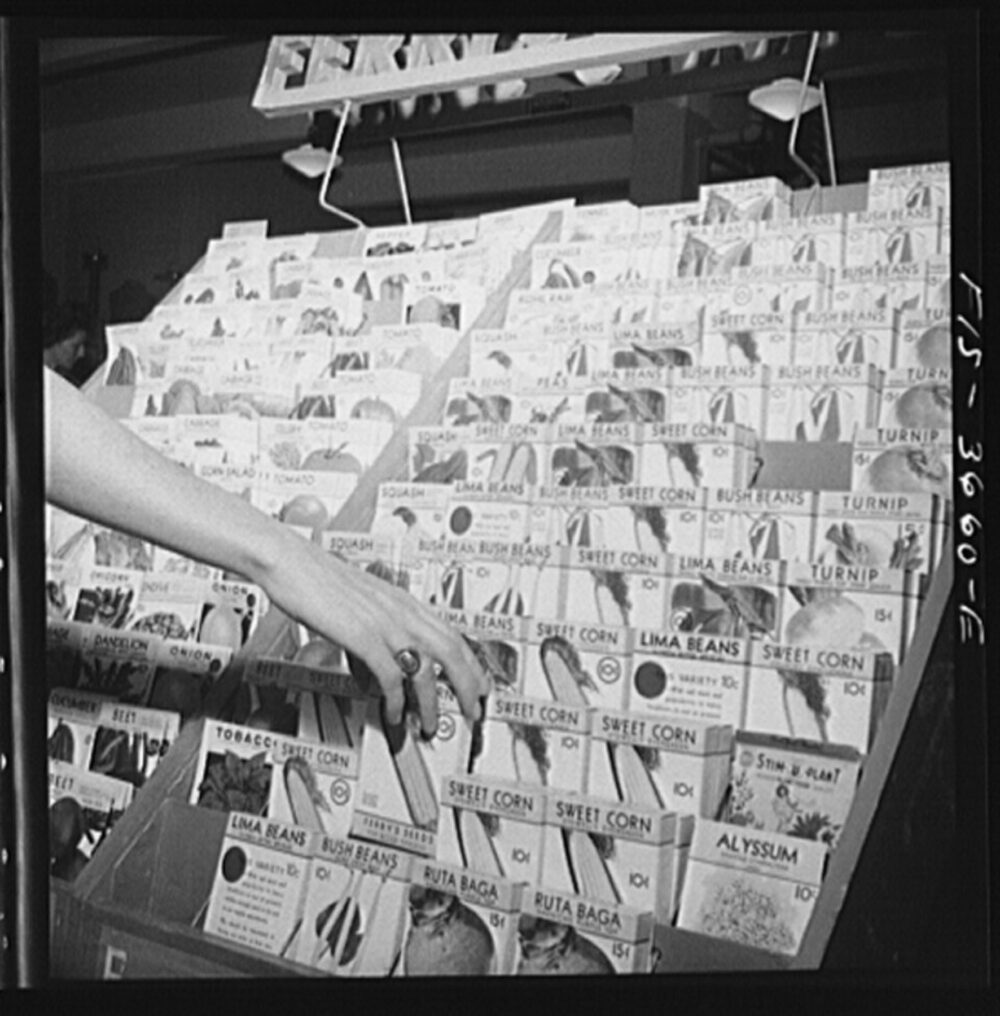
For most US buyers, the most reliable swede (rutabaga) seeds come from specialist seed companies and farm suppliers that clearly label varieties and give growing directions. Large marketplaces such as DHgate can host vegetable seed listings too, but they’re a secondary option and you have to vet each seller and product description much more carefully.
If you’re trying to decide where to buy, think first about what you’re actually planting and why.
What Swede (Rutabaga) Seeds Are and Why People Look Online
Swede—also called rutabaga or Swedish turnip—is a cool‑climate root vegetable. It’s a cross between cabbage and turnip and is grown from seed for autumn and winter harvests, with a sweet, earthy flavor that holds up well in roasting and mashes.
In the US you’ll often see the same crop labeled as “rutabaga” rather than “swede.” That matters online: UK and Australian sites tend to say “swede,” while US‑focused sites lean toward “rutabaga.” Treat those names as interchangeable when you’re browsing.
Buying seeds online helps if:
- Local garden centers only stock generic turnip mixes.
- You want specific named varieties for flavor or maturity timing.
- You’re a small ecommerce seller looking to resell packets alongside other cool‑season vegetables.
For those scenarios, getting the variety name right and choosing the right type of seed matters more than chasing the cheapest packet.
Swede Seed Types and Varieties to Know Before You Shop
Swede isn’t a wildly diverse crop, but the named varieties you’ll see online still behave differently in size, timing, and kitchen use.
Common patterns you’ll encounter:
- Open‑pollinated vs hybrid: Many swede/rutabaga listings are open‑pollinated, meaning you can potentially save seed. Hybrids may promise more uniform roots but you usually don’t save seed from them.
- Skin color and tops: Classic types have purple shoulders (“purple top”) over creamy yellow flesh.
- Maturity window: Some are bred for relatively quick autumn harvest; others sit in the ground longer and bulk up.
Examples you’ll see at seed houses:
- Purple Top – listed by budget seed sellers like DH Seed Harvest. Typically described as a standard, dependable swede with purple shoulders and yellow flesh.
- Best of All – offered by UK suppliers such as Seedaholic. It’s positioned as a good all‑rounder for flavor and general garden use.
- Aspen – an example from Australian sites like Seed Station, often marketed as an heirloom‑style swede for home gardens.
If a listing doesn’t name a specific variety at all—or just says “mixed root vegetable seeds”—that’s an immediate quality red flag, especially if you plan to resell.
How to Choose a Safe, High‑Quality Channel for Swede Seeds (Including DHgate)
From a buyer’s perspective, you’re choosing channels, not just brands. Each channel handles labeling, advice, and risk differently.
1. Specialist seed companies and farm suppliers
Dedicated seed companies and farm suppliers are usually the most straightforward option for swede/rutabaga:
- UK‑based vendors such as Premier Seeds Direct and DT Brown sell swede seeds with named varieties and basic sowing guidance.
- Australian retailers like The Seed Collection and Southern Harvest also carry swede and publish growing guides.
For a US home garden or micro‑seller, these channels usually give you:
- Clear variety names (Purple Top, Best of All, Aspen, etc.).
- Pack information such as approximate seed count and sowing season.
- Crop‑specific advice rather than generic “vegetable mix” language.
Catch for US buyers: many of these suppliers are overseas. Shipping seeds into the US can involve import rules, and not every overseas retailer targets US compliance. If you’re ordering cross‑border, treat customs and plant‑health regulations as a separate research task—this article can’t give you legal advice.
2. Cross‑border retailers with guides
Some overseas sites combine seed sales with detailed grow‑your‑own content, which is useful if you’re new to swede:
- The Seed Collection’s swede page links to a grow guide explaining sowing timing, spacing, and harvest expectations.
- Southern Harvest’s swede guide walks swede from seed to kitchen, including culinary suggestions.
These guides are written for their climate (often cooler coastal or southern hemisphere seasons), so you’ll need to adapt timing to your US zone. But they’re helpful for understanding what a normal swede crop looks like and what seed packets should promise.
3. Large general marketplaces (including DHgate)
Big marketplaces aggregate thousands of independent sellers. You’ll find vegetable, flower, and pepper seed listings presented alongside tools and other garden supplies, and swede/rutabaga may appear under broad “vegetable seed” headings.
If you decide to explore DHgate or similar marketplaces for swede, make your checks very specific:
- Look for proper crop naming: the listing should say “swede” or “rutabaga,” not just “mixed root” or a vague “rare vegetable.” If it shows a photo that looks like a turnip but uses rutabaga naming loosely, assume it might not be swede.
- Insist on a variety name or clear type: “Purple Top swede” is a concrete description; “colorful turnip seeds” is not.
Because large marketplaces are broader than just seeds, it’s worth learning their mechanics before you trust a listing. For DHgate specifically, articles like What DHgate is and how the marketplace works and Find trusted sellers on DHgate explain how seller ratings and listing details fit together. If you reach the point of placing an order, the DHgate order‑readiness checklist is a useful last pass on any agricultural product.
4. Comparing channels for a practical swede project
Here’s a concise way to think about your options:
| Buyer goal | Best‑fit channel (editorial judgment) | Why it usually works better |
|---|---|---|
| First‑time US home swede crop | Domestic or overseas specialist seed house, farm supplier | Clear variety labeling and crop‑specific instructions |
| Small online shop reselling packets | Recognized seed brands or farm suppliers | Easier to explain variety and origin to customers |
| Experimenting with unusual mixes | Cross‑border retailers with detailed guides | More niche varieties and context, if import is viable |
| Ultra‑budget seed experiment | Large marketplace listings (e.g., DHgate) after strong vetting | Lower prices but higher risk; not ideal for resale |
If you only want a single bed of reliable roots, a labeled packet from a specialist seed house is almost always the calmer choice than a generic marketplace listing.
Alternatives If Swede Listings Are Thin
Sometimes swede/rutabaga is simply not stocked in your usual channel, or listing quality looks shaky.
Reasonable alternatives:
- Buy rutabaga packets from mainstream US vegetable seed brands – many general US catalogs label this crop as rutabaga instead of swede. That’s still the same vegetable.
- Grow turnips instead – for a similar, faster root crop if you can’t clear swede import or find transparent listings.
- Delay cross‑border orders until you understand import rules – if you’re planning larger resale volumes, treat seed regulation as a real business constraint, not an afterthought.
Swede is a modest, hardy crop; sourcing good seed shouldn’t be complicated. Prioritize channels that tell you exactly what you’re buying—variety name, crop type, and sowing guidance—and treat low‑detail, cross‑border marketplace offers as experimental rather than core supply for your garden or ecommerce business.