
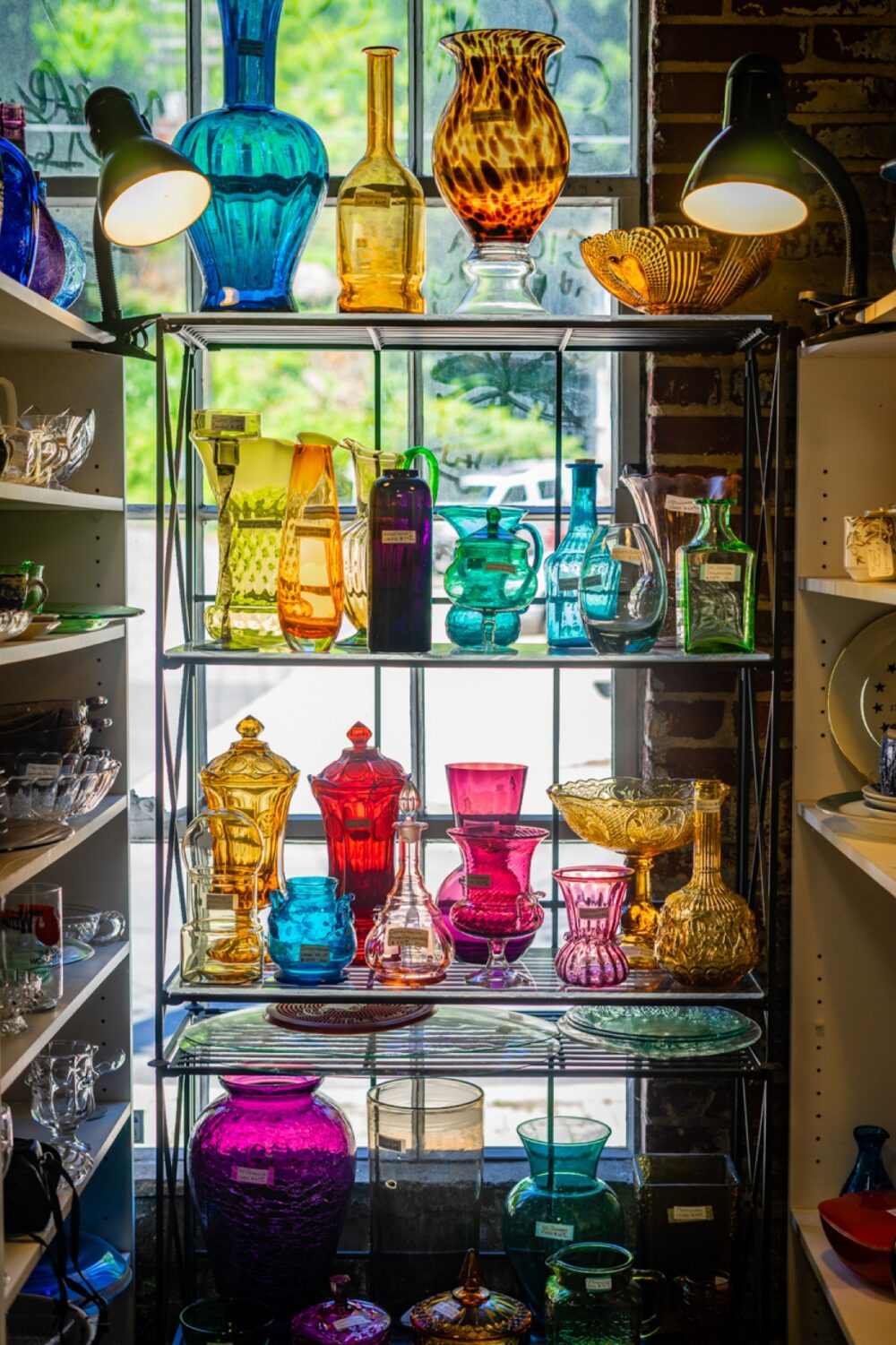
Colorful glassware is best chosen by starting with how you’ll use it, then narrowing by color treatment, material, capacity, and durability. For everyday home use, you’ll likely want mid-weight tinted tumblers that coordinate with your dishes. For weddings or styled events, jewel-toned stemware and ribbed or embossed pieces create more drama but are heavier and less stackable. Small ecommerce sellers in Canada often balance aesthetics with breakage risk and storage costs. DHgate can be one useful cross-border marketplace when you specifically want affordable variety or bulk quantities of decorative glassware, but it should sit beside domestic retailers, thrift sourcing, and other platforms rather than replace them.
What Counts as Colorful Glassware and How People Actually Use It
Most colored glassware buying guides group two broad categories together: drinkware and decor. Drinkware covers anything you drink from—tumblers, stemmed wine glasses, goblets, beer can glasses, coupes and flutes—produced in tinted or patterned glass instead of clear. Decor includes vases, candle holders, bud glasses and vintage-style pieces used mainly for visual impact on a table or shelf.
Editorial coverage of colored glassware shows it used both for serving drinks and as part of decorative tablescapes, often in coordinated solid-color or multicolored sets.Source A Canadian household might use blush-pink water glasses daily, but pull out deep amber goblets or smoky blue wine glasses for autumn dinners. Event planners often treat colored glassware as a key part of a theme—pastel coupes for a garden party, jewel-toned highballs for a moody cocktail bar.
Small ecommerce sellers tend to split inventory into “workhorse” pieces and “statement” pieces. Workhorse items are durable, mid-weight tinted glasses for water, iced coffee or cocktails. Statement pieces are more ornate—like embossed goblets or ribbed jewel-tone tumblers—that photograph well for product listings and social content but may cost more to ship and break more easily.
For Canadian buyers, local availability can shape these choices. Everyday tinted tumblers and a few trend colors are often easy to find at domestic retailers, while more unusual jewel tones or vintage-style embossed pieces may require sourcing from cross-border marketplaces or specialized online shops.
Key Styles and Specs: Color Treatments, Materials and Shapes to Compare
Colored glassware isn’t all the same. Three decisions change the look and practical feel more than anything else: how the color is applied, what material you’re buying, and the shape/weight of the piece.
1. Color treatments and how they affect your table
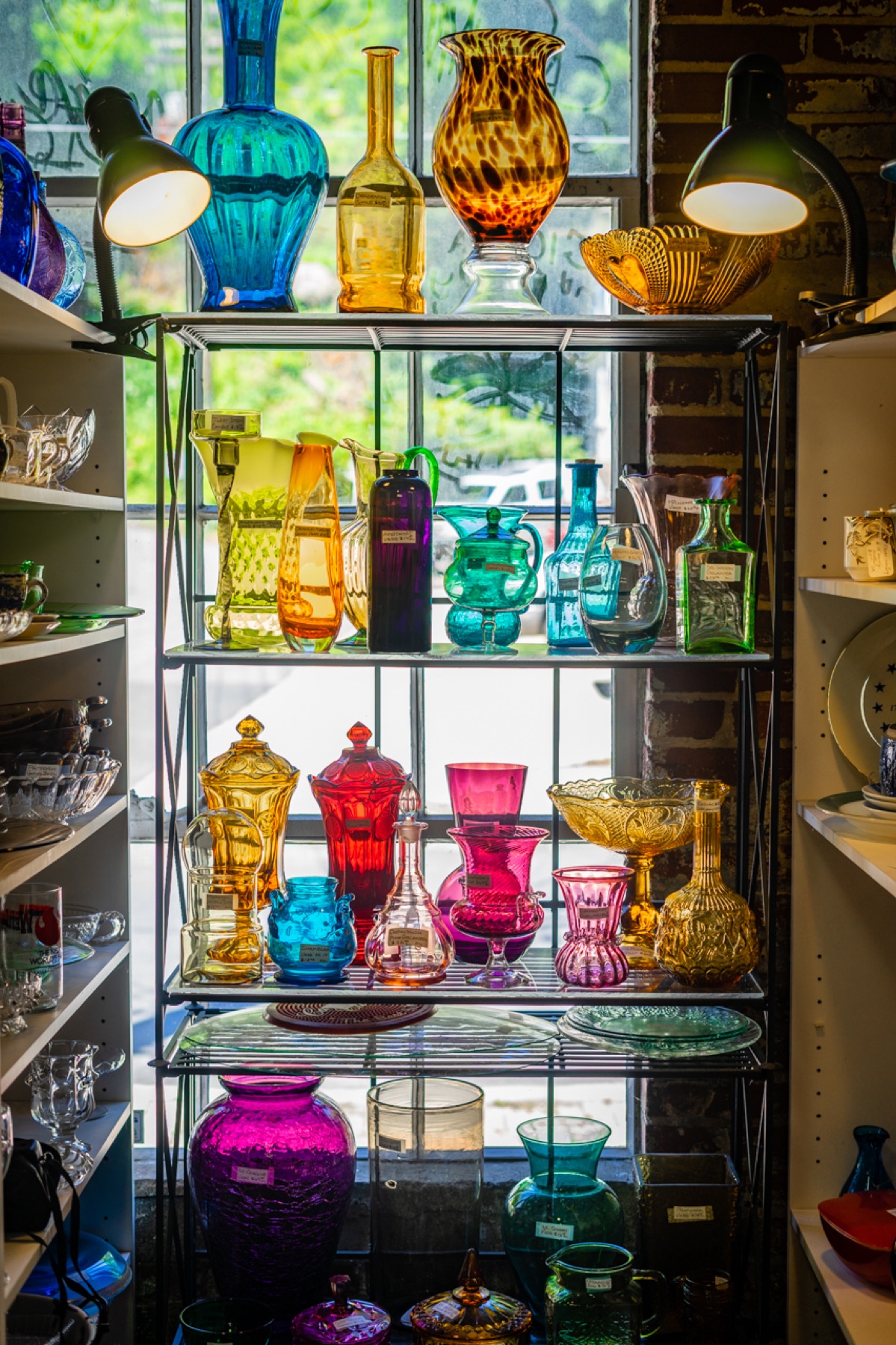
Trend pieces highlight how glass color and texture set the tone of a table: amber for warmth, rich jewel tones for drama, and ribbed or patterned surfaces for extra texture.Source The main options you’ll see are:
- Solid tinted glass: The entire piece is one color (amber, teal, blush, smoke grey). This is the most versatile for daily use because it coordinates easily with different dishes.
- Ombré or two-tone glass: Color that fades from clear to tinted, or mixes two colors in one piece. These look striking in photos but can be harder to match across a large table.
- Embossed and patterned glass: Designs pressed into the surface—floral motifs, geometric patterns, or ribbing. Design blogs describe embossed glasses with thick bases as adding “character” but also more weight and visual presence.Source
Because color changes how drinks appear, think about your menu. Lemonade looks brighter in clear or pale-toned glass, while iced coffee or whiskey feels richer in amber or smoke. Strong jewel tones can make lighter drinks look darker, which may or may not fit your brand or occasion.
2. Materials and everyday durability
Retail and styling guides largely focus on aesthetics, but under the surface you’re choosing between types of glass that behave differently. You’ll often see descriptions like “pressed glass,” “crystal-style,” or simply “colored glass.” The real-world trade-offs are:
| Material style (editorial framing) | Pros for buyers/sellers | Trade-offs and cautions |
|---|---|---|
| Standard tinted glass (pressed) | Usually affordable, good for everyday use, widely available in sets | Can chip if rims are thin; heavier than blown glass; quality varies by maker |
| Crystal-style or “cut” look | High sparkle in photos, feels premium for events and gift sets | Often heavier and more fragile; may show fingerprints more; avoid assuming any safety properties from the term “crystal” |
| Embossed/thick-base glass | Very stable on the table, strong visual character; suits vintage or boho brandingSource | Increased weight and bulk, higher storage impact for ecommerce |
For Canadian home buyers, standard tinted glass is usually the least stressful option: if a piece breaks, it’s cheap to replace. For event rental businesses, heavier embossed or crystal-style pieces can signal quality but demand careful packing and may increase replacement costs when breakage happens.
3. Shapes, capacity and weight
Quite a few colored glassware guides stress matching glass style and capacity to occasion and table aesthetics.Source In practice, that means asking:
- Capacity: For water, 12-16 oz tumblers are typical; for wine, 8-14 oz stemware; for cocktails, 6-12 oz coupes or rocks glasses. For resale, check capacities carefully so sets feel consistent.
- Stemmed vs stemless: Stemmed colored glasses look formal and elevate wine or cocktails visually, but are more prone to tipping and harder to store. Stemless colored tumblers stack better and suit casual branding.
- Rim and wall thickness: A thin rim feels more refined for wine and cocktails; thicker rims feel casual and are often more durable. Thicker walls also make glasses look chunkier in photography, which can be part of a retro or rustic aesthetic.
For ecommerce sellers, product photography drives many of these decisions. Ribbed jewel-tone highballs catch light dramatically and stand out on a product grid. Smooth blush tumblers may feel more minimal but work with a wider range of props and backgrounds.
Buying Criteria for Colorful Glassware, Including When DHgate Belongs in the Mix
Once you understand styles and specs, you can make more targeted choices whether you’re buying two glasses for your kitchen or 200 for your online shop.
Match scenario to durability and set building
Colored glassware idea guides often stress mixing neutrals with accent colors and building sets that feel cohesive across a table.Source A practical way to apply that:
- Home use: Start with one versatile color family (amber, smoke, blush). Choose mid-weight tinted glass in a single capacity you’ll use daily, then add a few “fun” pieces like coupes or goblets later.
- Events and rentals: Prioritize stability and replacement logic. Heavier bases and embossed texture can be worth the weight if guests constantly handle the pieces. Order spare units beyond your table count so a few breakages don’t ruin your set.
- Resale/ecommerce: Think in collections. One core style—say ribbed amber tumblers—and one or two accent styles (a jewel-toned goblet and a clear coupe) allow cross-selling without overstocking. Make sure the color and finish look consistent across batches so your product photos stay accurate.
Before committing, inspect listing photos closely for color consistency. Mixed sets where one glass looks more saturated than the rest might disappoint buyers or complicate your own branding.
Where DHgate belongs in your sourcing mix
Recent colored glassware trend coverage mentions that some buyers look to marketplaces like DHgate when hunting affordable, varied pieces for themed tables or resale.Source That’s a useful clue about where the platform fits: it’s a discovery channel for variety and bulk, not a one-stop answer for every colored glass need.
DHgate may belong on your shortlist if:
- You want large quantities of a distinctive style—such as embossed goblets in several colors—for events or ecommerce.
- You’re exploring less common color combinations or patterns that aren’t easily found at Canadian brick-and-mortar or mainstream retail sites.
- You’re comfortable comparing multiple sellers and listings to get the style and specs you need.
It’s less attractive if you only need a couple of glasses quickly or prefer to inspect pieces in person; local retailers and thrift/vintage shops are often better for that. Because DHgate is a marketplace with many independent sellers, treat each listing as its own decision: compare photos, dimensions, and set sizes, and look for clear spec descriptions on capacity and material.
If you’re new to the platform, it can help to first understand what DHgate is and how the marketplace works. For larger or resale-focused orders, consider reviewing how to find trusted sellers on DHgate and the DHgate order-readiness checklist before checkout so your colored glassware specs are locked in before you pay.
In short, let your use case drive the decision. Pick the color treatment, material style and capacity that match how your glasses will live in real spaces. Then treat DHgate as one of several places to look for those specifics—valuable for variety and bulk, but only if the individual listings meet the standards you’ve set.