
For hobby jewelry makers, slime shops, and small accessory brands, the real decision is matching the charm style you need to the channel that actually specializes in it. Below, we’ll define what “plastic charms” cover, break down major types, then map them to channels so you can pick the right mix of uniqueness, price, and risk. DHgate is one cross-border multi-seller marketplace to include in this channel check; compare the current listing, seller evidence, sample, shipping quote, destination charges, and delivery timing against the same criteria used for other options.
What Plastic Charms and Accessories Are, and Why Makers Seek Them Out
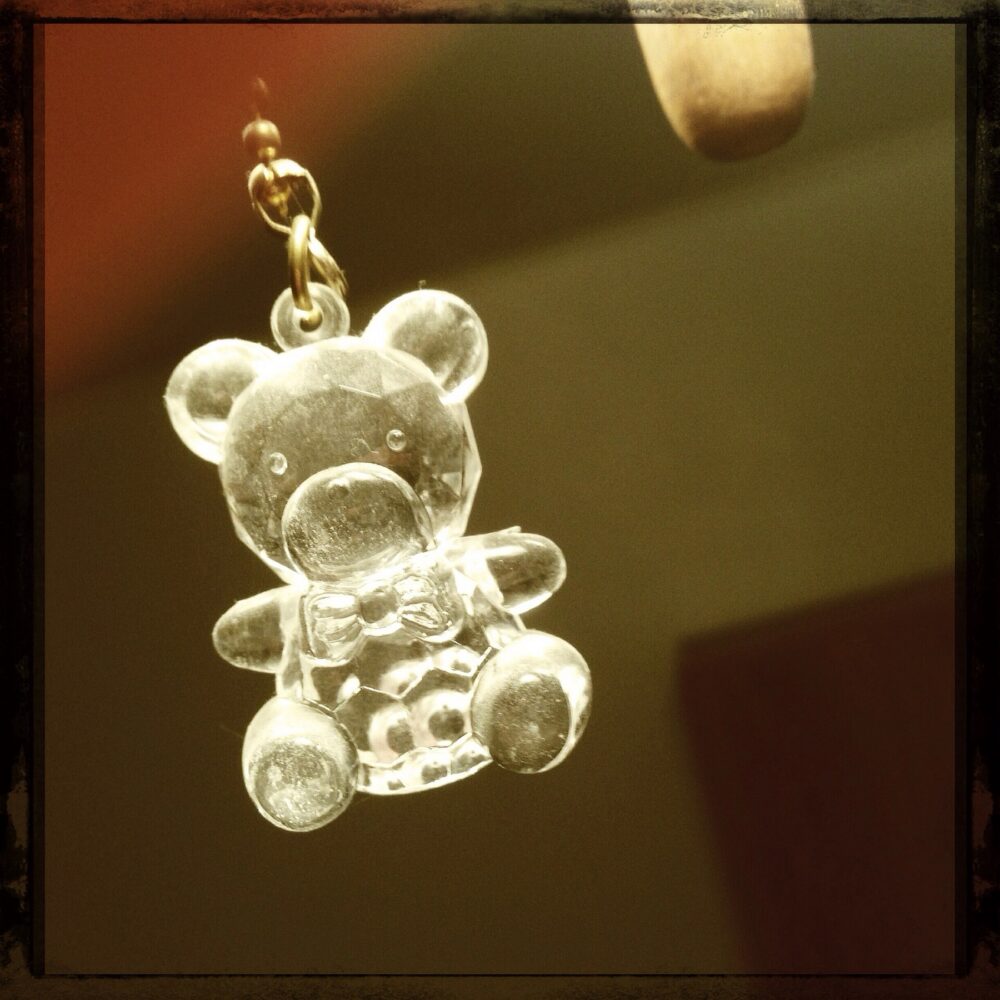
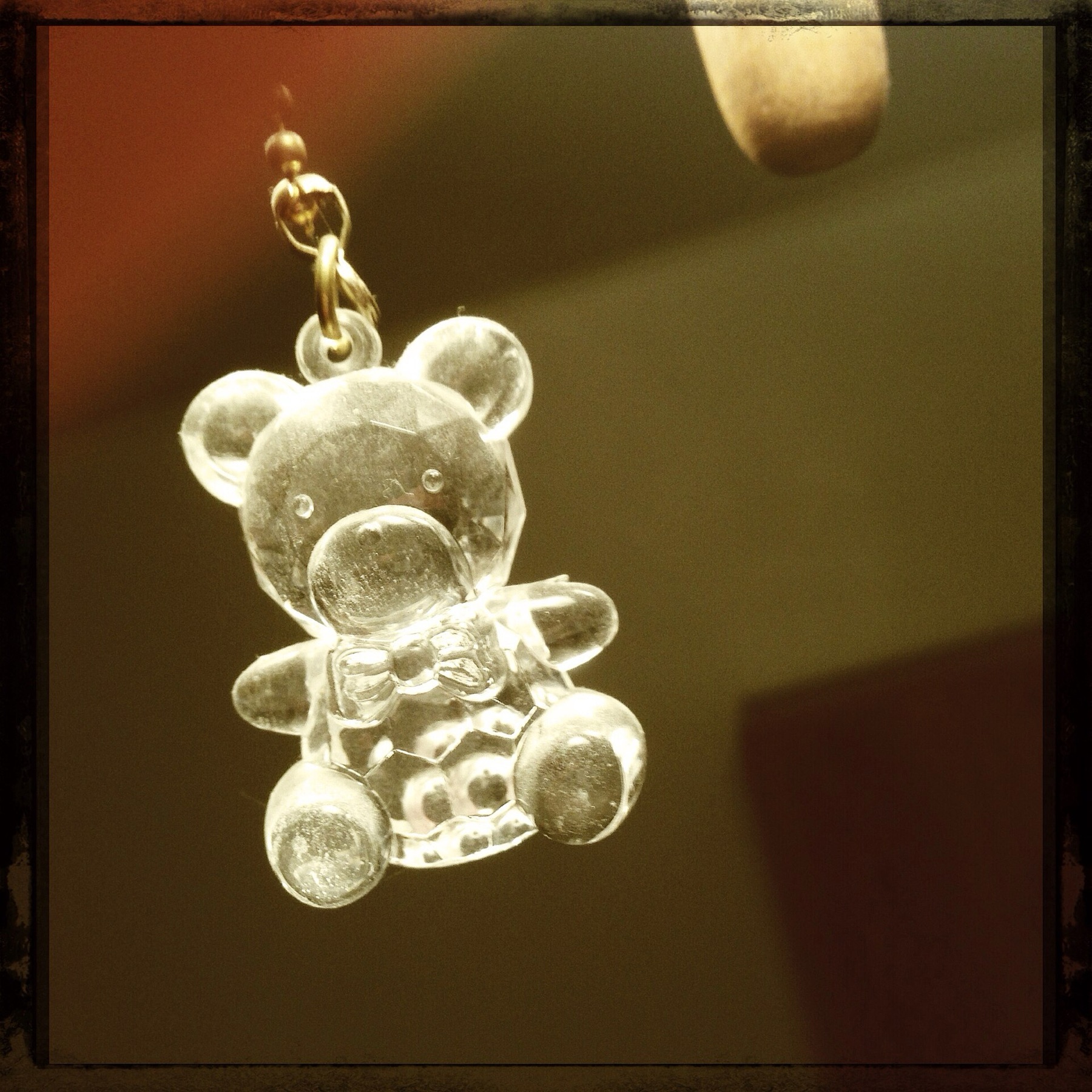
Plastic charms and accessories are small decorative pieces made from plastics like acrylic, resin, PVC, or ABS. They’re designed to be attached to something else—bracelets, necklaces, keychains, bags, shoes, zipper pulls, slime tubs, phone straps.
Makers use them to add color, texture, and themes without the weight or cost of metal or gemstones. Common use cases include:
- Jewelry making: Acrylic pendants, resin cameos, and molded beads on earrings, necklaces, and charm bracelets.
- Keychains and bag décor: Cute figures or logos hanging from key rings, zipper pulls, or bag chains.
- Crocs and shoe customization: Push‑in PVC charms that fit clog holes.
- Slime mix‑ins: Tiny food, animal, or seasonal shapes that give clear slime a “loaded” look.
- Kids’ accessories and party favors: Lightweight charms for zipper bracelets, lanyards, or DIY craft kits.
Because most designs are trend‑driven—Halloween ghosts this season, pastel food charms next—buyers often care more about theme variety and originality than long‑term durability.
Key Types of Plastic Charms for Jewelry, Shoes, Slime, and Bags
You’ll see “plastic charms” used loosely online. Breaking them into families makes it easier to know where to shop.
Flat acrylic pendants and charms
These are laser‑cut or molded flat shapes—stars, hearts, moons, characters—usually with a hole or loop for jump rings. They’re popular in kawaii jewelry, Y2K bracelets, and simple earrings.
- Look: Bright, flat color or printed designs.
- Best for: Earrings, charm bracelets, lightweight necklaces.
Resin or plastic cameos
Resin/plastic cameos are a distinct sub‑type: oval or shaped plaques with a raised portrait or scene, used in vintage‑style pieces. Specialist jewelry suppliers like Rings & Things’ cameo category carry detailed resin cameos billed specifically as charms and pendants.
- Look: High‑detail relief, often classical or Victorian motifs.
- Best for: Brooches, lockets, statement pendants where design detail matters.
Crocs‑style shoe charms
These are small PVC or soft plastic pieces with a back peg that snaps into clog holes.
- Look: Cartoonish, bold colors, often sold in themed sets (food, games, holidays).
- Best for: Garden clogs, kids’ shoes, novelty bracelets that reuse the peg mechanism.
Slime charms and tiny mix‑ins
Designed to sit inside clear or white slime, these are very small plastic icons—fruits, sweets, letters, seasonal characters.
A good example of seasonal plastic bead charms is a white ghost design sold as an autumn charm by Parts Club via Endless Mode’s listing for a ghost plastic bead charm. It’s marketed specifically as an inexpensive thematic part for handmade accessories.
- Look: Miniature scale, bold shapes that read clearly through slime.
- Best for: Slime shops, sensory kits, small pendant clusters.
Zipper pulls and bag charms
These can be flat or 3D plastic charms attached to a lobster clasp, split ring, or jump ring to clip onto a zipper or bag.
- Look: Anything from simple geometric pieces to perfume bottle and lipstick forms highlighted in bag charm trend write‑ups.
- Best for: Backpacks, purses, pencil cases, tech sleeves.
Lightweight charm beads
Some plastic charms are drilled like beads: ghost shapes, stars, flowers you can thread onto elastic or wire.
- Look: 3D shapes with a through‑hole; often seasonal packs (e.g., Halloween ghosts, pumpkins).
- Best for: Children’s bracelets, party craft bars, quick DIY kits.

How to Choose Online Channels for Plastic Charms, Including When DHgate Makes Sense
Different charm types gravitate toward different online channels. If you match your project to the right source, you’ll waste less time scrolling.
Quick channel map
Here’s a compact way to think about where to look first:
| Charm type / goal | Best first‑stop channels | Typical strengths |
|---|---|---|
| Unique resin cameos, design‑heavy | Specialist suppliers, indie bead shops (e.g., Brooklyn Charm) | Curated designs, smaller batches |
| Cute acrylic charms, slime mix‑ins | Etsy shops, niche charm retailers, slime supply sites | Trendy themes, small packs, US‑based |
| Large bulk Crocs/slime sets, favors | Cross‑border marketplaces (e.g., DHgate), other B2B platforms | Low per‑piece cost, high volume |
| Simple stars/hearts for hobby jewelry | Big‑box craft retailers, online bead chains | Easy access, consistent re‑stock |
| Bag charms & zipper pulls for resale | Mix of Etsy designers, bead shops, cross‑border for hardware | Mix of originality and margin options |
Design‑first channels: Etsy and independent bead shops
If uniqueness and design control matter more than sheer volume, prioritize maker marketplaces and specialty shops.
- Etsy: Many sellers focus on specific aesthetics (goth pastel horror, cottagecore, food themes) and will list plastic star charms, bracelet charms, or shrink‑plastic pieces in small, ready‑to‑ship packs. Good fit for hobbyists or small brands testing micro‑drops.
- Independent bead shops: Stores like Brooklyn Charm’s plastic components section curate plastic charms as part of a broader jewelry‑making assortment. You’ll find plastic cameos, novelty components, and on‑trend shapes chosen by designers, not just factories.
These channels typically suit:
- Limited‑run collections where you don’t want everyone using the same bulk pack.
- Buyers who prefer seeing a styled sample piece before committing.
Big‑box craft and general bead retailers
For straightforward shapes—stars, pearls, shells, generic animals—major craft chains and bead retailers keep things simple. You’ll see blister packs of rhinestone‑accented plastic charms and basic color assortments.
Pros:
- You can mix these with more unique pieces sourced elsewhere.
- For US buyers, shipping tends to be faster and more predictable than cross‑border.
Drawbacks:
- Limited themes; seasonal selection can be narrow compared with specialist or cross‑border sources.
Cross‑border marketplaces and when DHgate is relevant
If your priority is volume and low per‑piece cost—for example, filling 300 party favor bags with Crocs‑style charms or slime mix‑ins—cross‑border B2B marketplaces enter the picture.
DHgate operates as a B2B cross‑border marketplace connecting global buyers with mainly Chinese suppliers across categories including fashion accessories and small charms. Because selection is broad but quality and design consistency vary by seller, the fit is best when:
- You’re comfortable ordering bulk rather than a handful of pieces.
- You treat each listing like a separate supplier search—checking photos closely, comparing multiple listings, and ideally starting with a smaller test order.
Curation tools can help. Third‑party sites like DHgate Edit’s accessories category and its “under $20” collection highlight specific accessory listings under certain price points, which can reduce scroll time. Treat those picks as a shortlist to investigate, not an automatic endorsement.
- Use domestic channels (Etsy, bead shops) to validate a design concept.
- Shift selected styles to a marketplace like DHgate only once they understand their own sell‑through and can justify the risk of importing.
If you’re new to this kind of sourcing and want a deeper look at marketplace mechanics before diving in, you can read What DHgate is and how the marketplace works and Find trusted sellers on DHgate for broader marketplace context.
Practical scenarios: hobby vs resale
For a hobby jewelry maker in the U.S.:
- Start with Etsy and independent bead shops for unique acrylic charms and resin cameos.
- Use big‑box craft retailers for simple filler shapes and kids’ project packs.
- Skip cross‑border marketplaces unless you’re confident you’ll use large quantities; the savings don’t usually justify the wait and effort for a single bracelet set.
For a small ecommerce brand or slime shop:
- Source your “hero” charms—signature cameos, distinctive bag charms—from specialist suppliers like Rings & Things and Brooklyn Charm so your designs feel ownable.
- Test themes and bundles with domestic suppliers first.
The best mix depends on how much you value uniqueness versus margin. Treat channels as tools: use Etsy and bead shops to get the look right, then layer in cross‑border bulk only where low‑cost volume is truly core to your product.