
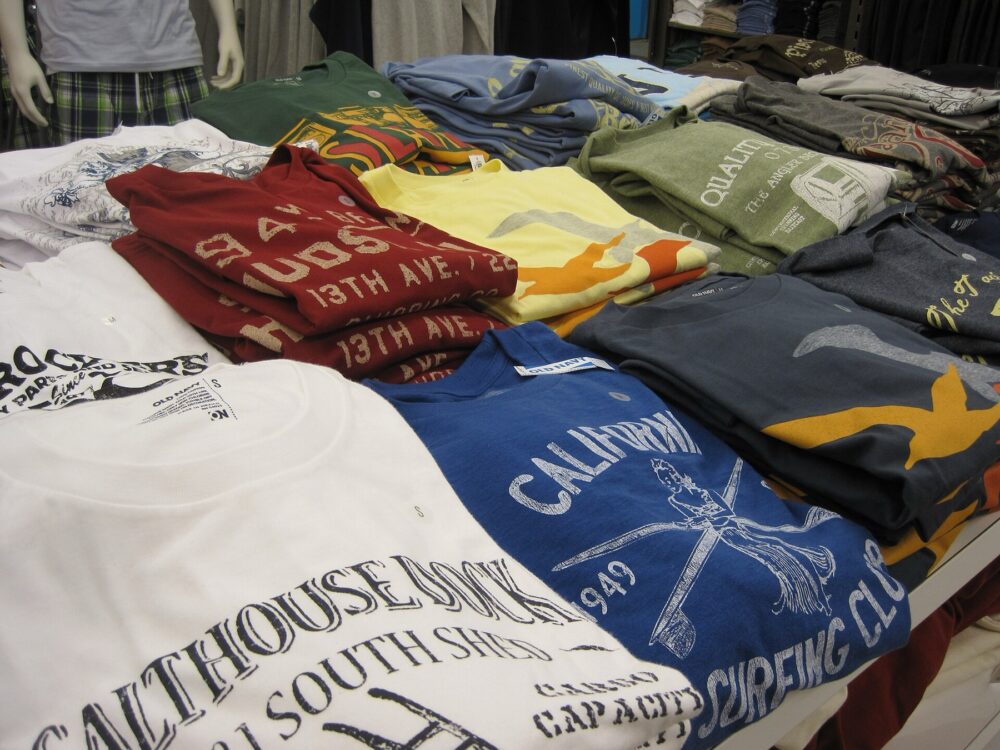
If you want a Yu‑Gi‑Oh! shirt, start by deciding whether you’re chasing a rare vintage tee or just a comfortable graphic you can wear or resell in volume. True vintage Yu‑Gi‑Oh! shirts are usually older, licensed pieces with period‑correct tags, heavier fabrics and legacy print methods; they’re scarce and priced accordingly. Modern graphics tend to use softer cotton or blends, lighter prints and more standardized fits, and they’re what you’ll see on big marketplaces and print‑on‑demand shops. DHgate sits in that second bucket: its own editorial content presents it as a large marketplace for many printed and fandom‑style tees, so it can be relevant if you care more about cost and quantity than rarity.
The sections below focus on how to tell shirt types apart, which specs actually matter on body, and when mass‑produced options (including DHgate‑style listings) belong in your short list.
What Counts as a Yu‑Gi‑Oh! Vintage vs Modern Graphic T‑Shirt?
For Yu‑Gi‑Oh! tees, “vintage” is less about a strict year cutoff and more about original production and age. You’re usually talking about shirts printed closer to the franchise’s earlier popularity waves, with artwork and tags that match that era.
Vintage T‑shirt specialists highlight three big clues for any vintage tee: the tag, the fabric, and the print method. A guide to vintage shirts from Dikdik Duds notes that older pieces often have woven or sewn neck tags rather than fully printed labels, and can show older logo treatments or sizing language that feels outdated compared with modern standards.How to Buy Vintage T‑Shirts Fabric on those shirts is often a heavier cotton or an older cotton‑poly blend that feels denser than the soft fashion blanks common today. Prints frequently use thicker plastisol inks that sit on top of the fabric and can show cracking or a rubbery feel after years of wear.
Modern Yu‑Gi‑Oh! graphic tees, by contrast, are usually recent runs that either use official artwork on new blanks or reference the aesthetic without being licensed. General graphic‑tee advice from Magickwear points out that current shirts tend to use softer cotton or cotton‑blend fabrics, breathable construction and contemporary fits geared for everyday comfort.Mens Graphic Tees Vintage Tagging is often printed inside the neck, and prints may use thinner screen inks, direct‑to‑garment (DTG), or sublimation that feels smoother and less raised.
Here’s a focused comparison you can use when you’re holding a shirt or zooming in on a listing:
| Feature | Likely Vintage Yu‑Gi‑Oh! Tee | Typical Modern Yu‑Gi‑Oh! Graphic Tee |
|---|---|---|
| Neck tag | Woven or sewn tag with older branding or sizing language | Printed or heat‑transfer neck label with contemporary branding |
| Fabric feel | Heavier cotton or older cotton‑poly blend, more rigid handfeel | Softer cotton or blends with more drape and comfort focus |
| Print texture | Thick, raised ink that may show cracking or rubbery feel | Thinner screen ink or DTG/sublimation, smoother on the fabric |
| Rarity | Harder to replace; individual pieces feel unique | Common designs; easier to re‑order or find near‑duplicates |
| Typical use case | Collector piece or single “grail” tee | Everyday wear or repeatable shop/event inventory |
If your goal is one special “It’s Time to Duel” shirt that feels like a period piece, you’re in the vintage lane. If you want a stack of Yu‑Gi‑Oh‑style designs for an online shop or event merch, modern graphics are more practical.
Key Buying Factors: Fabric, Fit, Print Quality and Authenticity Risk
Once you know which type you’re hunting, you still need shirts that feel good and look right.
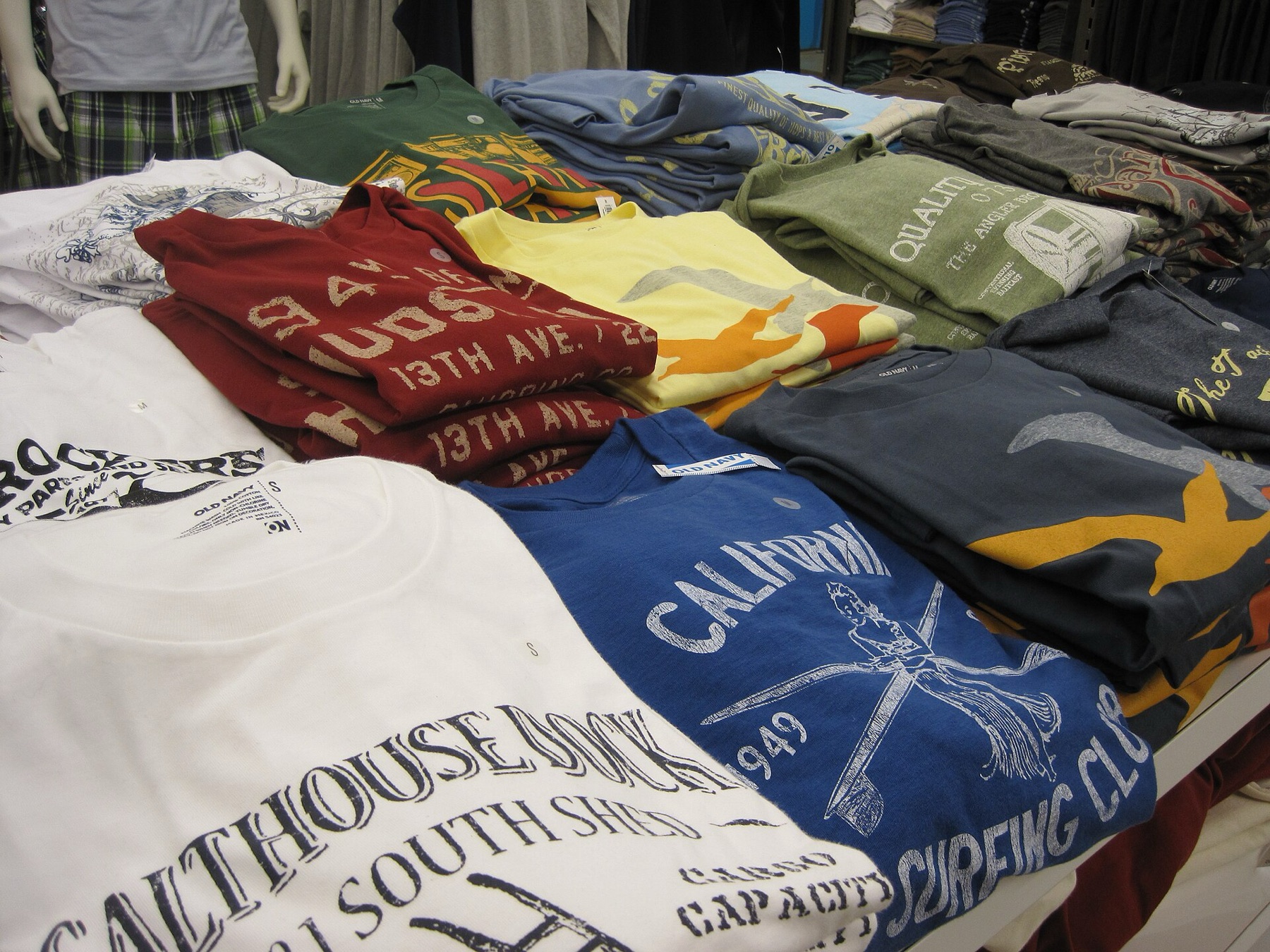
Fabric and Comfort
Graphic‑tee guides consistently highlight cotton and soft cotton blends for daily wear, plus breathable construction so you’re not overheating under a big chest print. For summer or layering under a flannel, a mid‑weight cotton or cotton‑poly blend is usually the sweet spot. If a listing doesn’t clearly state the fabric composition, that’s a warning sign, especially if you’re buying for a store where returns are complicated.
For vintage‑leaning buyers, be ready for heavier fabric that may feel stiffer at first but softens with wear. Modern anime graphics are more likely to use lightweight fashion blanks aimed at softness out of the bag.
Fit and Cut
Yu‑Gi‑Oh! designs often run large on the front, so the way the shirt hangs matters. Pay attention to:
- Sleeve length: classic short sleeves vs almost elbow‑length “boxy” cuts.
- Body width and length: a wider, shorter tee will read more streetwear; longer, narrower fits feel closer to standard mall brands.
- Fit label: slim, regular, or oversized.
For U.S. buyers and small ecommerce shops, consistent fit across sizes is important; ideally, the medium, large and XL in the same design should have similar proportions scaled up, not wildly different shapes.
Print Method and Sharpness
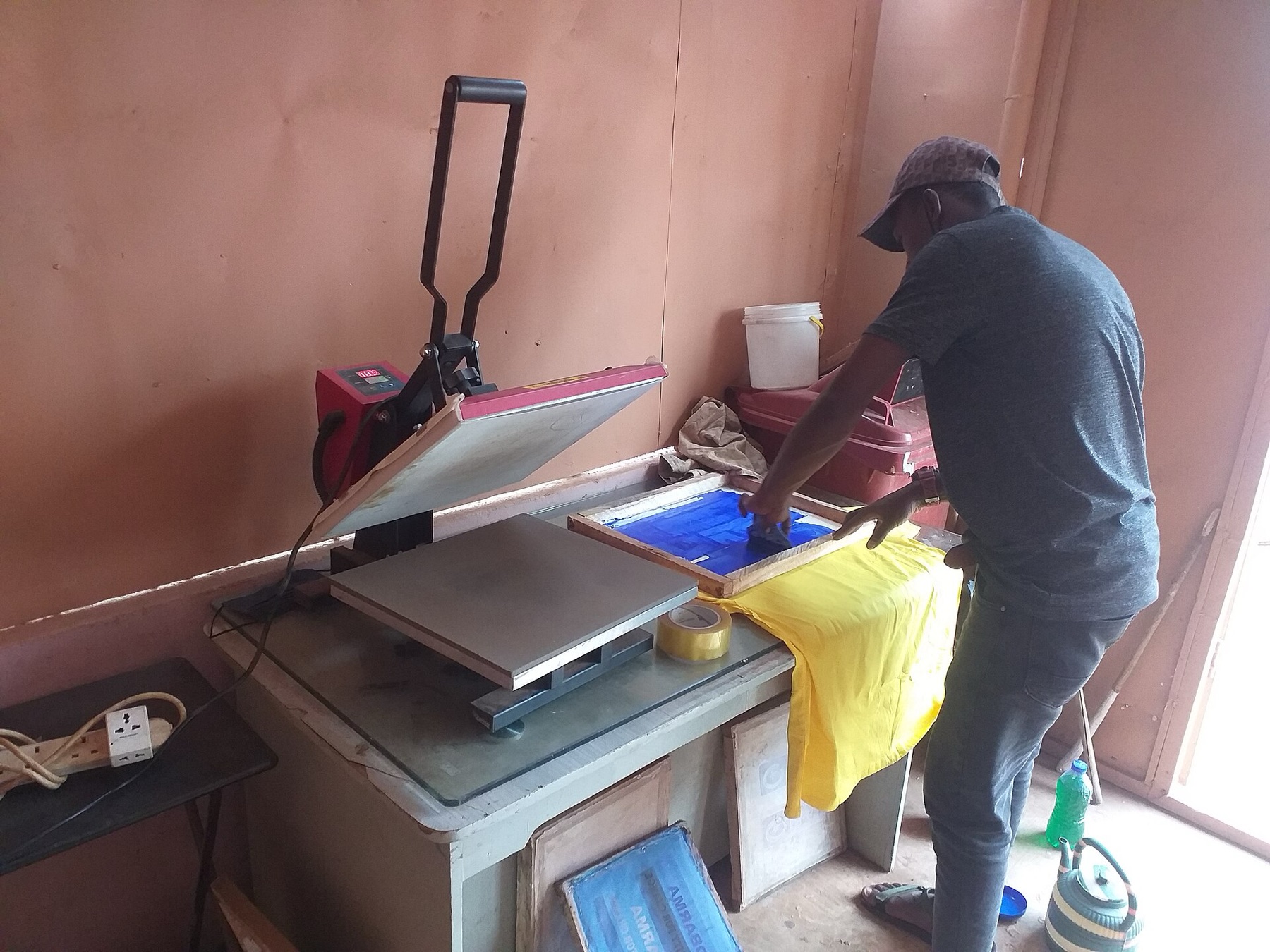
For anime shirts specifically, merch guides recommend checking print sharpness and color handling. Yu‑Gi‑Oh! art relies on fine linework and card‑style layouts; on a good print, outlines are crisp and gradients don’t bleed. Look closely at:
- Card borders and text shapes
- Character outlines and hair/armor lines
- Black areas that should look solid, not patchy
Blurry borders, muddy blacks or colors that don’t quite line up suggest a lower‑quality reproduction.
Licensing Marks, Logos and Size Consistency
Many official anime shirts include small copyright or trademark text and a brand logo near the hem, collar, sleeve, or within the artwork. Yu‑Gi‑Oh! merch guides point to these marks, plus consistent sizing across the run, as clues that you’re looking at an official style rather than a quick reproduction.Yu‑Gi‑Oh! Shirt & Duel Monsters Anime Merch Buying Guide
Keep in mind:
- A lack of licensing text doesn’t automatically mean a shirt is unofficial.
- If a listing claims the tee is vintage or official but photos don’t show period‑appropriate marks, treat it cautiously.
- For bulk buys, inconsistent sizing between the same design in different sizes can indicate less controlled production.
Wear Patterns and Obvious Reprints
On supposed vintage Yu‑Gi‑Oh! tees, cross‑check the condition description with the photos:
- Genuine older shirts often show natural fading, collar wear and some cracking on the print.
- Fabric may have softened, with slight pilling or color variation around seams.
If something is labeled “90s vintage” but photos show a jet‑black, ultra‑smooth fabric, perfectly solid print and a modern tag layout, you’re probably looking at a modern reprint in a “vintage‑style” cut rather than a true period piece.
Where Yu‑Gi‑Oh! Vintage and Graphic Tees Show Up Online, Including DHgate
You don’t find every type of Yu‑Gi‑Oh! shirt in the same places.
Authentic vintage and rare graphic tees typically show up on specialist vintage platforms and resale marketplaces that cater to collectors. These include curated vintage shops, auction‑style listings and peer‑to‑peer resale apps. A DHgateWiki overview of vintage and rare T‑shirt platform types notes that these channels more often surface older, harder‑to‑replace pieces, with close attention paid to tags, print type and overall era description.Vintage & Rare T‑Shirts Online: Platform Types That Actually Work
Mass‑produced anime graphics, including Yu‑Gi‑Oh!‑style designs, tend to dominate large global marketplaces and print‑on‑demand sites. DHgate’s own editorial blog describes the platform as offering a wide range of printed and graphic T‑shirts at competitive, wholesale‑friendly prices, including comic‑ and fandom‑style designs.Top Comic Book Tshirts: Superheros In Your Collection That positioning makes DHgate more relevant when:
- You’re a small ecommerce seller or event organizer stocking affordable Yu‑Gi‑Oh‑inspired graphics in bulk, and
- You care more about per‑unit cost and variety than about a specific vintage tag or original production run.
In that scenario, treat DHgate like any other large marketplace: focus on listing‑level details such as fabric descriptions, clear front and back photos, and close‑ups of the print. For Yu‑Gi‑Oh!‑style artwork, zoom in on linework, colors and any licensing text in the images, and consider ordering a small test batch before committing to a bigger run.
If your personal priority is a single, era‑correct Yu‑Gi‑Oh! tee with thick vintage print and original tags, you’ll usually get better results by putting your time into specialist vintage platforms and resale markets instead of bulk‑oriented global marketplaces.
For broader background on how DHgate works as a marketplace in general, see What DHgate is and how the marketplace works. Buyers who move from product discovery to placing actual orders there often consult the DHgate order‑readiness checklist before checkout and, when they need help vetting specific sellers, refer to how to find trusted sellers on DHgate.