
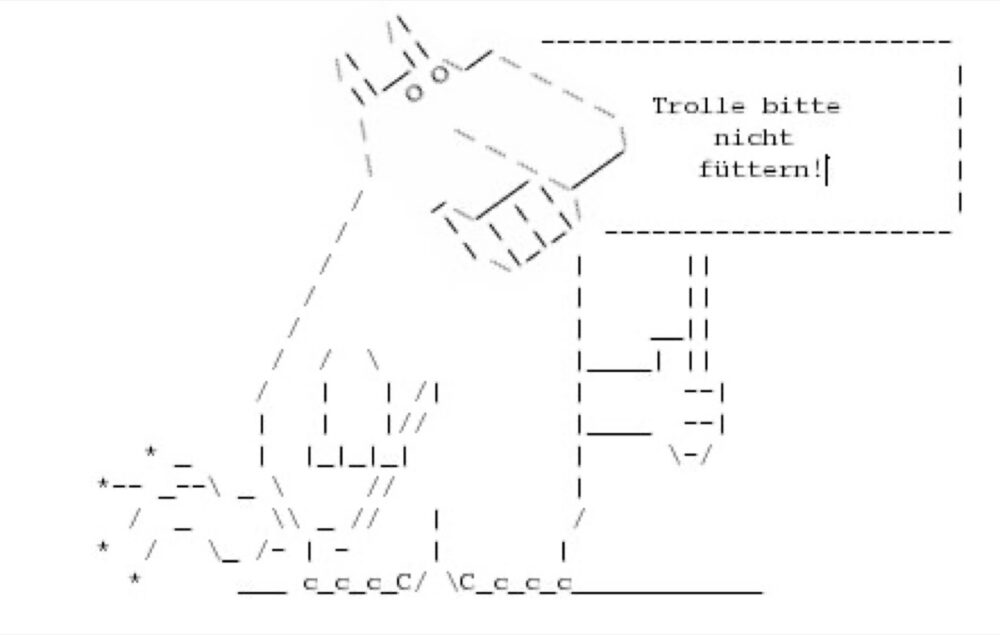
If you’re choosing troll emojis or ASCII art, start by deciding whether you just need a funny face to copy into chats, or you actually need physical or branded troll merch to sell or ship. For casual use, free copy‑paste libraries like EmojiCombos’ troll collections and curated lists on Toolscord cover almost everything. DHgate and similar marketplaces only become relevant once you move into physical products like stickers, T‑shirts, or plush toys and need bulk or custom designs.
What Counts as Troll Emojis and ASCII Art Today?
“Troll” content covers several overlapping formats, all built to give your messages a slightly chaotic, mischievous tone:
- Standard Unicode emojis used as trolls – using combinations like 🗿, 🤡, 💀, 😈, or strange mashups to react, mock, or play.
- ASCII/Unicode text art – faces or full characters drawn from keyboard symbols, often inspired by the classic trollface meme.
- Kaomoji and text faces – Japanese‑style or mixed text faces such as `( ͡° ͜ʖ ͡°)` or more cursed variants.
- Physical troll merch – printed or embroidered versions of troll faces on stickers, apparel, phone cases, plushies, etc.
Sites such as EmojiCombos group troll content into emoji combos, ASCII text art, kaomoji, and themed sets you can drop into bios, chat replies, or stream overlays. Their specific troll ASCII pages (for example, the “troll face” and “uncanny troll face” collections) let you copy a design straight to your clipboard and paste it anywhere text is allowed.
For more raw material, the `dysfunc/ascii-emoji` repository on GitHub collects many text‑based emoji faces, including ones that read as smug, chaotic, or troll‑like. That’s useful if you want to build your own variations while keeping them short enough for usernames or captions.
Key Option Types and How to Match Them to Your Use Case
Think in terms of what you’re actually trying to do: post once in a Discord channel, design a whole meme page, or stock an online store.
1. Unicode emojis and simple combos
Best for: quick replies, DMs, Discord/Slack, TikTok comments.
Tool collections like Toolscord’s troll emojis list curate sets of emojis that feel instantly troll‑y and are designed for fast copying into social platforms. These are perfect when:
- You need speed (tap, paste, send).
- Your audience is on platforms that always support standard emojis.
- You don’t care about unique branding; you just want the vibe.
Tradeoffs: Low control and originality. Everyone else can use the same emojis, so they’re great for reactions but weak as brand assets.
2. ASCII / Unicode text art (including trollface designs)
Best for: bios, signatures, spammy troll posts, retro chatrooms, and places where images aren’t allowed.
Pages like EmojiCombos’ troll face ASCII text art and uncanny troll variants offer:
- Short single‑line faces you can drop into Twitter/X names, stream titles, or status lines.
- Multi‑line art that works in Discord or Reddit posts but might wrap badly in narrow mobile views.
How to choose:
- Use short, readable faces for usernames and subject lines.
- Use bigger multi‑line pieces inside posts where people expect visual noise.
- Test them in your target app first; some platforms collapse whitespace or break alignment.
3. Kaomoji and hybrid text faces
Best for: more expressive trolls, playful branding, and cross‑language audiences.
Kaomoji‑style troll faces mix Latin characters with Japanese punctuation and symbols. EmojiCombos has dedicated kaomoji troll collections that lean into exaggerated eyes or smirks.
Choose kaomoji when:
- You want distinctive faces that stand out from standard `( ͡° ͜ʖ ͡°)` clones.
- You’re targeting communities already familiar with kaomoji, like anime or gaming subcultures.
The downside is complexity: some characters might not render correctly in older apps or certain fonts.
4. Physical troll merch
Best for: ecommerce brands, creators selling merch, event giveaways.
Here the “product” is no longer just text; it’s a tangible item:
| Use case | Good physical formats | Key decision factors |
|---|---|---|
| Streamer / creator merch | T‑shirts, hoodies, stickers, hats | Print area, fabric quality, color accuracy |
| Small ecommerce brand | Sticker packs, phone cases, mugs | Unit cost, minimum order, packaging options |
| Event / conference swag | Buttons, lanyards, tote bags | Bulk pricing, turnaround time, durability |
For these, marketplaces with broad low‑cost ranges (DHgate, AliExpress, print‑on‑demand platforms, or local printers) matter much more than emoji libraries.
Buying Troll Imagery: Free Libraries vs. Marketplaces like DHgate
Most buyers never need to pay for troll emojis or ASCII art. Digital formats are widely available to copy and paste from sites like EmojiCombos and tools such as Toolscord. That’s ideal for:
- Personal use in chats or comments.
- Low‑stakes social posts that don’t need unique art.
- Testing tone before investing in branding.
DHgate’s own blog has pointed out that emojis show up across the shopping journey – in search boxes, reviews, and customer‑service chats – on major platforms. That’s a reminder that for pure digital trolling, you can often get far just by combining free emojis and text faces.
You shift into marketplace territory only when troll imagery becomes part of a product:
- You want trollface‑inspired designs on stickers, apparel, or accessories.
- You need consistent bulk supply for an ecommerce catalog.
- You’re coordinating social commerce on channels like Instagram or TikTok and want matching physical items.
In that scenario, large marketplaces with broad low‑cost product ranges, such as DHgate (per its blog’s comparison with AliExpress) and AliExpress itself, are useful as sourcing pools. Here’s how to think it through:
- Customization: If you need your own troll variation (not just a generic meme), look at vendors offering custom printing or OEM services. On DHgate, that typically means searching by product type plus “custom” keywords and then talking through art files and print specs with individual sellers.
- Platform choice:
- Use pure copy‑paste libraries for digital-only projects and social trolling.
- Use print‑on‑demand (Merch by Amazon, Printify, etc.) when you want low inventory risk but are fine with higher unit costs.
- Use cross‑border marketplaces like DHgate or AliExpress when you’re ready to manage bulk orders, compare multiple factories, and optimize margins.
If you do decide DHgate is relevant for your merch project, it’s worth understanding the marketplace first. A neutral explainer like What DHgate is and how the marketplace works can help set expectations, and guides such as Find trusted sellers on DHgate or the DHgate order‑readiness checklist give practical next steps.
For most buyers though, the right answer is simple: use free troll emojis, ASCII art, and kaomoji for digital expression, and only bring DHgate‑style marketplaces into the mix once troll imagery turns into a physical product that needs real sourcing decisions.