
For most US buyers, the most reliable places to buy mosquito nets and gazebo netting online are big retailers like Home Depot, Walmart, and Wayfair, plus model‑specific kits direct from brands such as Yardistry or Sunjoy. These channels make it easier to match the net to a specific gazebo size or brand. Global marketplaces like DHgate can be useful if you want very low‑cost, generic netting or are sourcing for resale, but listings vary more in sizing and spec details, so you’ll spend extra time verifying measurements and materials before you click buy.
What mosquito nets and gazebo netting are—and when you actually need them
Mosquito nets and gazebo netting are fine mesh coverings designed to keep flying insects out while still letting air move through your space. On outdoor structures, they usually hang from the roof line down to the ground, forming “walls” around gazebos, pergolas, or canopy tents so you can sit outside without swatting bugs every few seconds.
Retailers like Home Depot’s gazebo accessories section and specialty sites such as AllTents treat these nets as comfort accessories. They’re meant to reduce nuisance insects on patios, decks, garden seating areas, or near pools, not to serve as medical or certified disease‑prevention gear.
You might need mosquito netting if:
- You already own a gazebo or pergola and want to add bug protection without rebuilding the structure.
- Your existing gazebo came with a net that tore or discolored and you now need replacement netting.
- You’re creating a temporary outdoor room for events and want guests protected from insects.
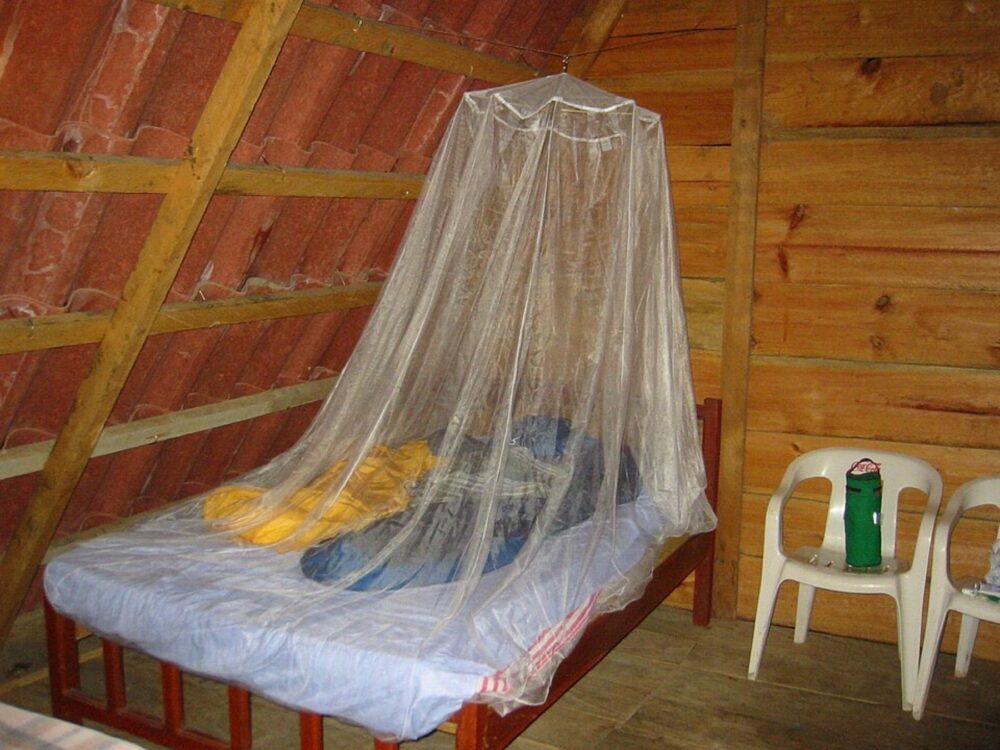
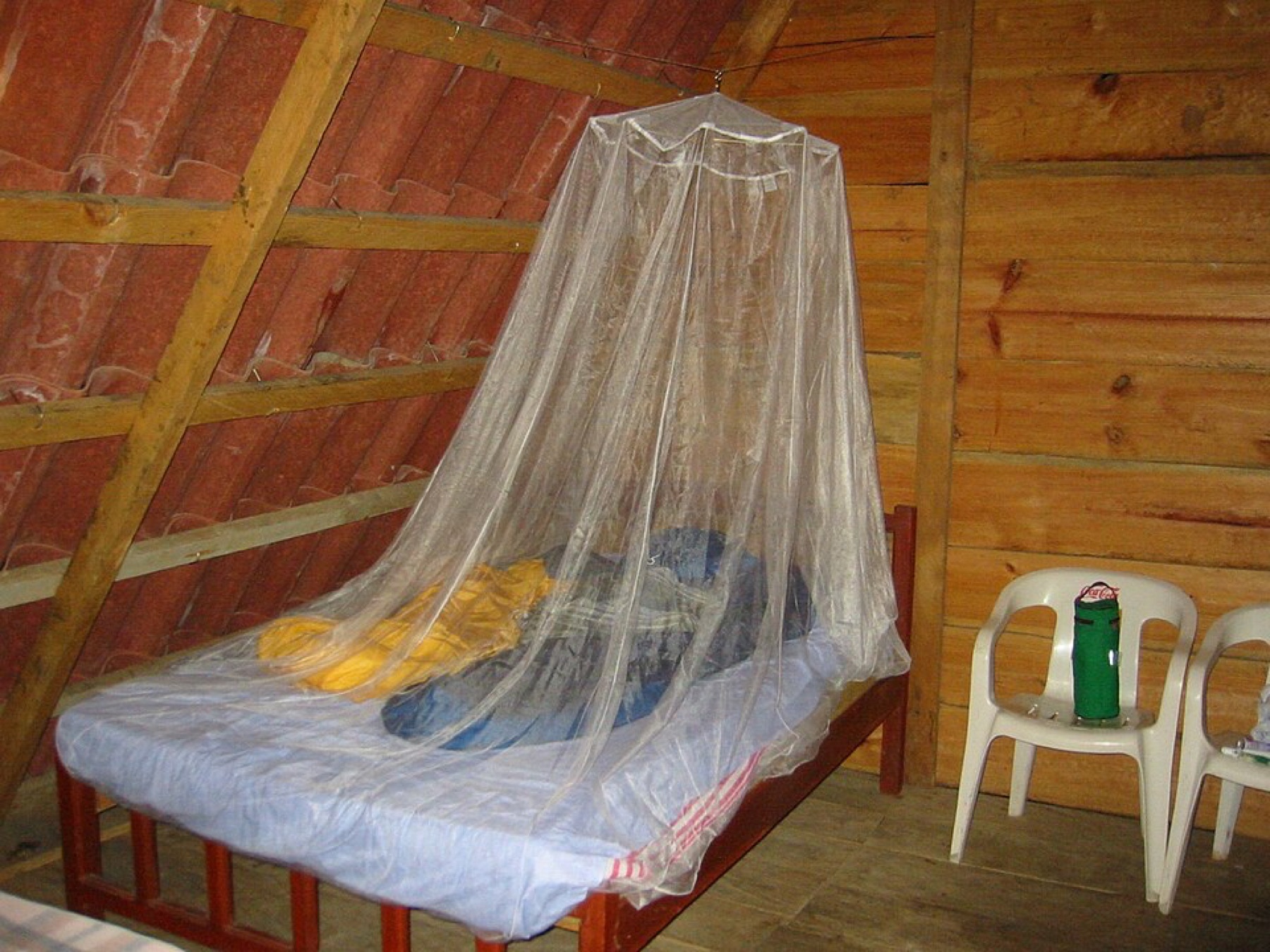
- Indoors, you want a net over a bed or hammock for comfort in buggy climates.
The key decision isn’t just “Do I want a net?” It’s “What structure am I covering, and how precisely does the new net have to fit?” That answer drives where you should shop.
Key types and specs: from model-specific gazebo kits to universal mesh panels
Most of the online confusion comes from buying the wrong type of net for the structure. You’ll usually see four practical categories:
1. Model-specific gazebo mosquito net kits
These are cut and sewn for a particular gazebo line and size (for example, a 12×12 cedar gazebo from a specific brand). A Yardistry mosquito mesh kit for a 12×12 gazebo is a typical example: it matches the brand’s post spacing, rail height, and attachment system out of the box.
Model‑specific kits make sense when:
- You own a branded, permanent gazebo.
- The manufacturer sells an official netting kit (often via big retailers or its own site).
- You care about a clean fit with minimal gaps.
The trade‑off is price and less flexibility. A 12×12 Yardistry kit won’t fit a random 10×10 steel gazebo.
2. Universal replacement panels (often 10×10)
Universal mosquito nets are marketed to fit “most” square gazebos of a certain footprint, typically 10×10 feet. Shein’s 10×10 ft outdoor screen wall with zipper is a good example: four panels form screen walls, each with zipper doors, marketed for garden and patio gazebos.
These universal sets show up on fast‑fashion sites, Walmart, TikTok Shop listings, and marketplace sellers. Specs to watch closely:
- Footprint size: 10×10, 12×12, 10×12, etc. This must match or slightly exceed your roof size.
- Panel count: Usually 4 panels, one per side.
- Doors: Zippered openings vs simple overlapping panels.
- Attachment: Hooks, ties, Velcro straps, or rails.
Universal panels work best if you have a basic steel or aluminum gazebo and are comfortable tweaking attachment points or accepting minor gaps.
3. Tent-style mosquito nets
These nets form a complete enclosure around an area rather than attaching to a gazebo frame. Think of:
- Freestanding screen houses for camping.
- Bed nets or hammock nets indoors.
While they solve a similar problem, they’re sized around the enclosed object (bed, picnic table, hammock) instead of a roof footprint. If you don’t have a fixed gazebo—or you’re outfitting camping gear—these tent‑style nets are easier to buy and less dependent on brand‑specific compatibility.
4. Raw netting and specialty mesh rolls
Specialty suppliers such as Modern Shade’s netting collection sell insect netting by the yard or as generic panels. This suits:
- Custom‑built pergolas where no off‑the‑shelf kit exists.
- Small ecommerce sellers wanting to sew their own covers.
- DIY retrofits around patios or balcony openings.
You’ll be looking at fabric width, mesh size, color, and UV resistance rather than gazebo model names.
Quick mapping: product type vs best fit
Here’s a compact view of which channel tends to stock each type reliably:
| Product subtype | Best fit buyer scenario | Typical online channels that stock it well |
|---|---|---|
| Model-specific gazebo net kit | Owner of branded permanent gazebo | Home Depot / Wayfair categories; brand sites (Yardistry, Sunjoy); AllTents |
| 10×10 “universal” replacement panels | Generic steel gazebo, budget conscious | Walmart; Shein; TikTok Shop; mixed marketplaces |
| Tent-style mosquito nets | Camping, beds, hammocks | Big-box outdoor/camping sections; general marketplaces; specialty gear sites |
| Raw netting / mesh rolls | DIY builds, small resellers | Specialty netting (Modern Shade); fabric suppliers; global marketplaces |
Best places to buy online: big-box, specialty brands, fast-fashion sites, and marketplaces like DHgate
Once you know your net type, picking a channel gets much easier.
Big-box retailers: safest for homeowners with standard gazebos
Home Depot groups multiple netting SKUs under its Gazebo Accessories and Outdoors categories. You’ll see:
- Replacement mosquito netting labeled by size (10×10, 12×12) and sometimes by brand.
- Color filters (for example, black mosquito netting) to match existing structures.
Wayfair offers gazebo netting as a searchable category, including nets sized for common footprints. Walmart carries several screen wall sets and universal nets through its marketplace, usually with clear size and panel count in the title.
These channels are best when:
- You want clear sizing filters and straightforward returns.
- You prefer to match a common gazebo footprint (e.g., 10×10 backyard gazebo).
- You don’t want to decipher sparse listing descriptions.
Specialty brands and niche sites: best fit and compatibility
If your gazebo is branded, start with the manufacturer and specialty resellers:
- Yardistry, Sunjoy, Outsunny and similar brands often sell nets cut for specific models.
- Sites like AllTents position mosquito nets as gazebo accessories, organized by structure type.
You’ll usually pay more than on fast‑fashion platforms, but you get:
- A kit designed for your frame, rail height, and post spacing.
- Attachment hardware included.
For a US homeowner who wants their $1,000 cedar gazebo to look intentional, this is usually the least risky route.
Fast-fashion and social commerce: budget universal panels
Fast‑fashion sites and social commerce platforms specialize in aggressively priced universal nets:
- Shein’s 10×10 ft screen wall netting with zipper doors is marketed as a one‑size solution for garden gazebos.
- TikTok Shop hosts similar 10×10 4‑door zipper nets for quick outdoor setups.
These channels are attractive if you:
- Need a budget net for a basic metal gazebo or temporary event tent.
- Are comfortable adjusting ties or Velcro straps to make a “close enough” fit.
Before buying, scrutinize listing photos for:
- How the panels hang relative to the roof.
- Door placement and number of zippers.
- Any mention of compatible frame thickness or attachment points.
Marketplaces, including DHgate: variety and low cost with higher verification overhead
Global marketplaces (DHgate, plus others) sit in a different niche: lots of generic mosquito netting and gazebo mesh from many sellers, often at lower per‑unit prices. This can work well for:
- Small ecommerce businesses testing netting styles for resale.
- DIY buyers looking for raw mesh rolls or off‑brand universal panels.
The trade‑offs are real:
- Specs can be inconsistent between listings: “10×10” might refer to roof size or panel length, and attachment details may be vague.
If you explore DHgate or similar marketplaces, treat each listing as its own project:
- Check measurements in both feet and centimeters, and compare them to your actual frame.
- Look for buyer-uploaded photos showing how the net actually hangs.
- Favor listings where material (polyester vs other mesh), panel count, and door configuration are spelled out.
If you’re new to DHgate as a platform and considering it for broader sourcing, you can read an overview in What DHgate is and how the marketplace works, and use Find trusted sellers on DHgate and the DHgate order-readiness checklist to tighten your screening process.
A quick scenario: homeowner vs small reseller
- US homeowner with a big-box gazebo: You have a 10×10 steel gazebo from a major retailer and the original net ripped. Start at Home Depot, Wayfair, or Walmart with the exact footprint. If you spot your gazebo brand’s name on a replacement kit, buy that; if not, choose a universal 10×10 net with 4 panels and zipper doors and be prepared to adjust ties.
- Small ecommerce reseller: You want to sell budget screen walls for generic gazebos. You might buy a few universal 10×10 sets from Shein or TikTok Shop to assess consumer expectations (panel weight, zipper quality), then look at DHgate or other global marketplaces for similar spec nets or raw mesh to hit better margins. Order small test quantities first and validate measurements and material before committing.
With mosquito nets and gazebo netting, the right channel isn’t about brand loyalty; it’s about how precise the fit must be and how much risk you’re willing to take to save money.