
If you’re choosing between Antique Fluting Irons and Hand Fluters, start by deciding whether you need a true 19th‑century tool or a vintage‑style pleater. Genuine fluting irons were heated cast‑iron or brass devices used to press fine pleats and ruffles into collars and cuffs; many modern listings online are decorative props or new pleating irons. For authentic antiques, platforms like Etsy, eBay, and specialist dealers typically offer better documented pieces, while DHgate is more likely to be relevant if you want contemporary artisan or reproduction tools rather than museum‑grade originals.
Once you’re clear on that goal, you can narrow type, materials, and condition to find the right fit.
What Antique Fluting Irons and Hand Fluters Actually Are
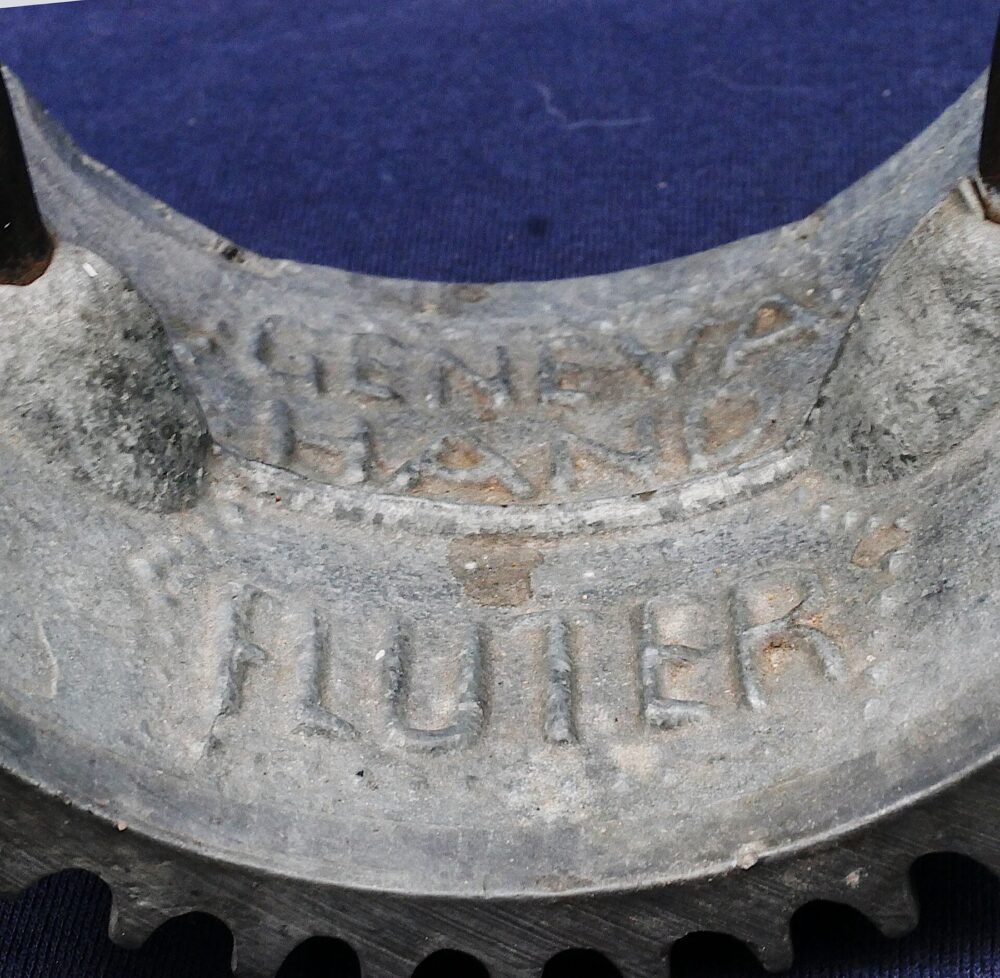
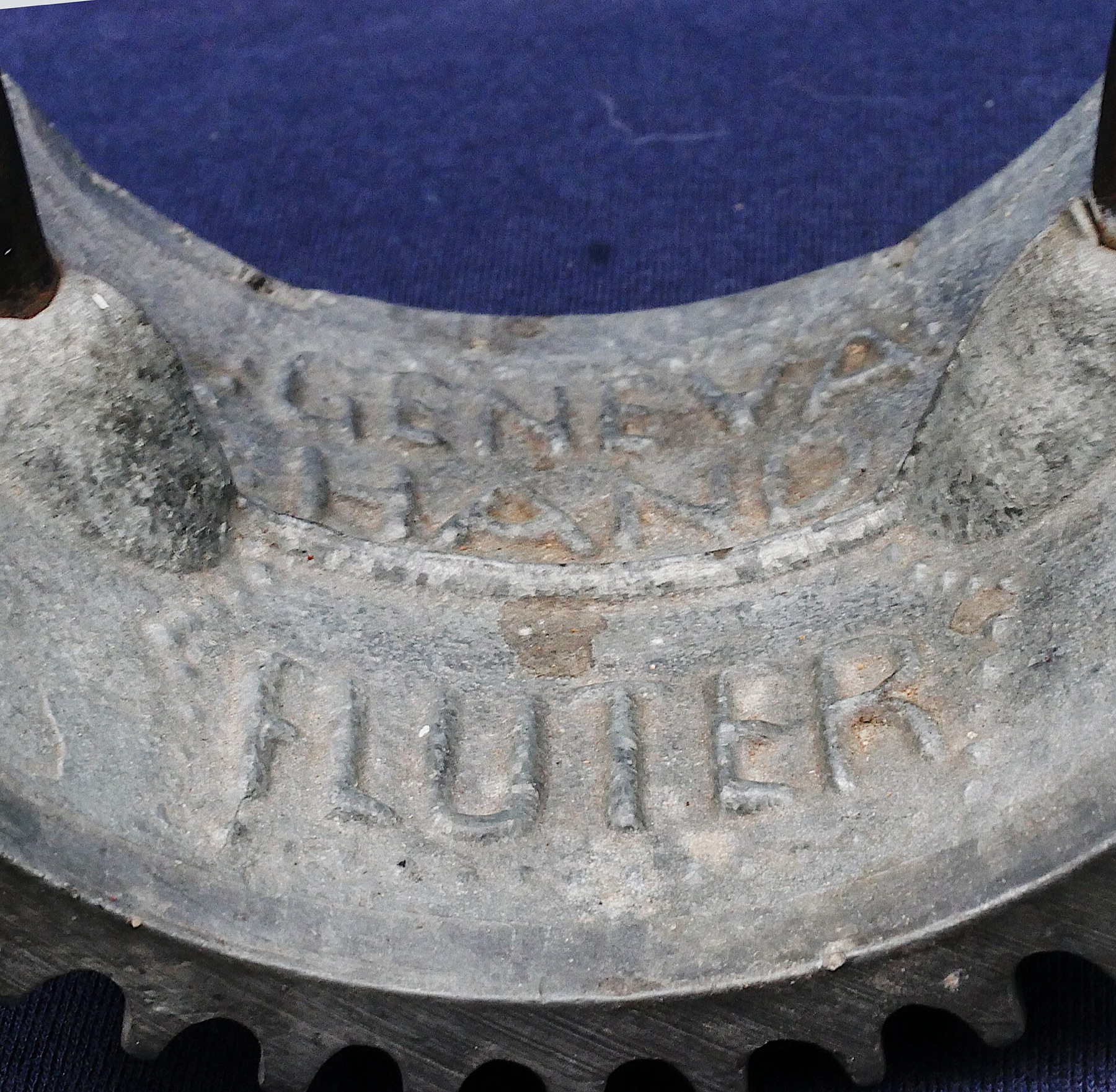
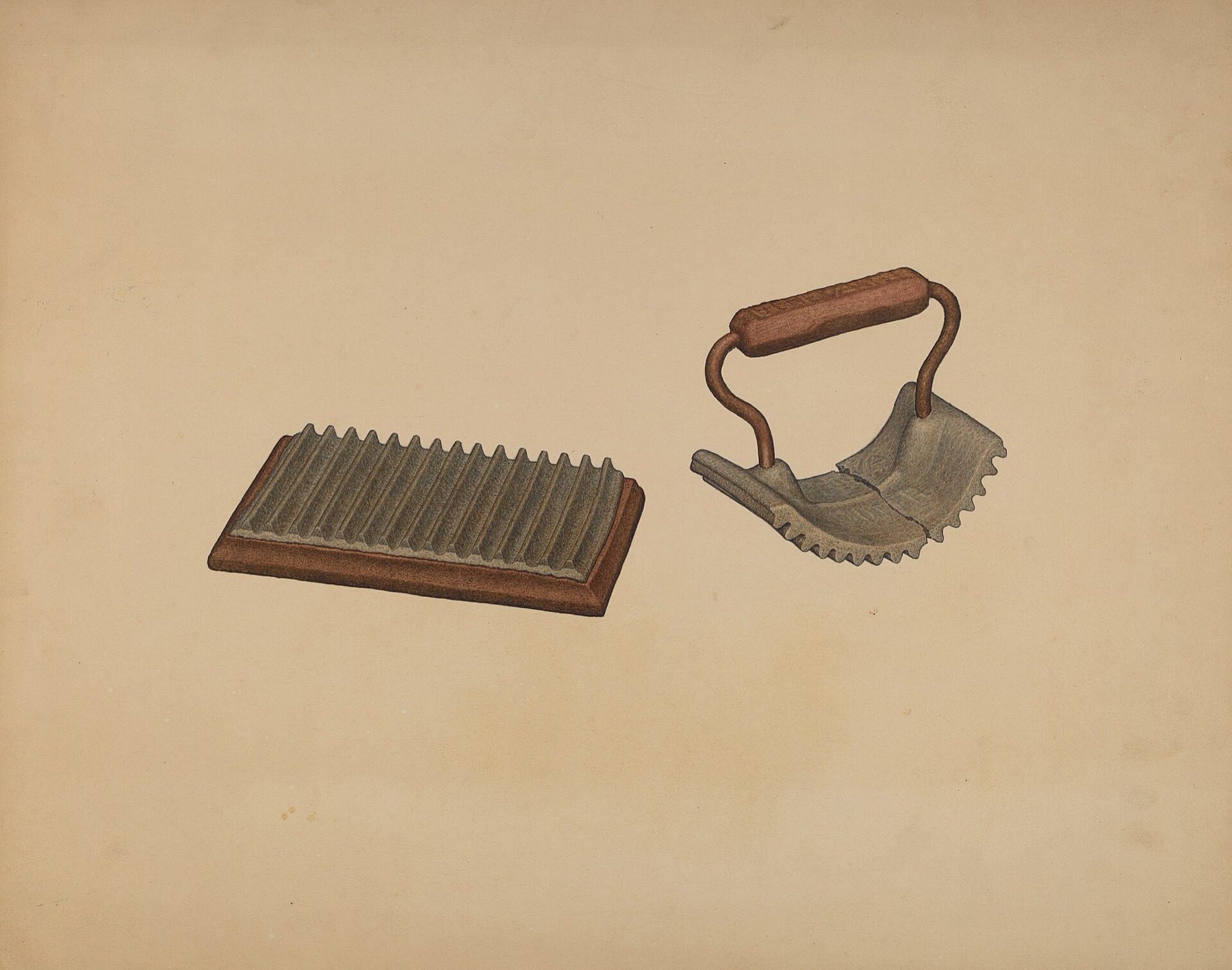
Antique fluting irons (also called hand fluters or pleating irons) were specialty textile tools used from the 19th into the early 20th century to create crisp, fluted waves in fabric trims—especially on collars, cuffs, and ruffles. Museum examples like the Geneva hand fluter show a compact cast‑iron device with a heated base and corrugated surface; fabric was laid over the ridges and pressed to form regular decorative pleats.Geneva hand fluter, Smithsonian
Collector groups distinguish these from flat “sad” irons used to smooth garments. Fluters were marketed as labor‑saving home devices for intricate trim, not general pressing.Pressing Iron and Trivet Collectors overview
When you browse online, you’ll see three broad categories mixed together under similar names:
- True antique fluters – 19th‑/early 20th‑century cast‑iron or brass tools with wear, casting marks, and often a maker or patent stamp.
- Vintage or mid‑20th‑century pleating irons – later tools that echo the corrugated design but may use different handles, bases, or finishes.
- Modern replicas/props – new decorative pieces styled to look old, or modern pleating tools for costumes that borrow the antique silhouette but are not historical artifacts.
Knowing which bucket a listing falls into is the first major decision.
Key Types and Features Buyers Should Compare
Collectors and textile historians draw distinctions between hand fluters and larger machine fluters or crimping machines, and between different base/roller layouts.Antique fluting iron identification
Here are the major types you’ll encounter:
| Fluter subtype | Typical construction & heating | Best suited for |
|---|---|---|
| Geneva‑style hand fluter | Cast‑iron base with corrugated surface; separate heated base or slug placed inside | Display, collecting, light demo use |
| Roller/bottom plate hand fluter | Corrugated roller and matching base; roller pressed or rolled over heated plate | Light functional pleating, costume work |
| Hand‑cranked fluting machine | Bench‑mounted, multiple rollers, hand crank; heated by nearby iron or stove | Serious collectors, museum display |
| Brass “Improved” fluter | Brass body with hinged lid on base, often decorative casting | Display, small antique reselling |
| Modern pleating iron | New manufacture; electric or stove‑heated; corrugated jaws or plates | Practical pleating, not collecting |
Materials and details matter for dating and value:
- Cast iron vs brass. Antique identification guides group fluters with other specialty irons and highlight material as a key dating clue. Cast‑iron bodies are common and robust; brass models often marketed as “improved” can signal a particular design era and are visually striking.Sad irons and fluters guide
- Corrugation pattern. Narrow, regular ridges match period shirt collars and cuffs. Deep or irregular corrugations may indicate a different use or a later decorative design.
- Heating method. Some bases held a removable slug heated on a stove; others relied on the whole iron being heated. Hand‑cranked machines were usually placed near a heat source rather than containing it.
- Markings and construction. Look for cast‑in names, patent references, or stamped numbers. The crispness of casting, the style of bolts and hinges, and the finish of handles all give clues to age in combination with catalog references.Antique iron overview
Choosing the Right Fluter for Collecting, Use, or Resale (Including DHgate Options)
If you’re a collector or small antiques reseller
Prioritize documented, period pieces:
- Age signals. Combine material (cast iron or brass), construction details, and any patent or maker marks with references from collector sites and museum descriptions such as the Smithsonian’s Geneva hand fluters.Smithsonian Geneva hand fluter
- Condition. Surface rust and patina are normal; deep pitting, cracks, or missing components (roller, base, slug) hurt both display value and any chance of light use.
- Completeness. A base without its matching roller, or vice versa, is common in mixed auction lots, but less appealing for resale.
For genuine antiques, marketplaces that focus on vintage and collectibles—Etsy’s antique fluting iron category, individual eBay listings, specialist dealers, and estate auctions—tend to offer clearer descriptions and more provenance, even though they still require careful reading and comparison.Vintage fluting irons on Etsy
If you need a functional pleater or prop
If your primary goal is light pleating for costumes or decor, you can relax the age requirement:
- Look for robust corrugated surfaces and a safe, controllable heating method.
- Accept newer or reproduction tools as long as the construction is solid.
- Favor designs where the fabric is easy to feed and remove without snagging.
In this scenario, modern pleating irons and well‑made replicas can be more practical than delicate antiques.
Where DHgate fits against other marketplaces
DHgate presents itself as a marketplace where global sellers offer a wide range of products, including unique handcrafts and artisan items.DHgate artisan products overview For antique fluting irons and hand fluters, that makes DHgate more relevant if you’re open to vintage‑style or artisan‑made pleating tools—for example, a new corrugated iron inspired by Geneva designs—than if you strictly need a documented 19th‑century piece.
The practical split:
- For true antiques and resale inventory: prioritize platforms that actively list “antique fluting iron” and similar terms (Etsy, eBay, specialist iron or textile‑tool dealers, and auction sites that show mixed lots including fluters).Antique fluting iron lots
- For functional or decorative fluters with an antique look: include DHgate alongside other broad marketplaces when you search for new or handmade pleating irons or vintage‑style presses.
For additional DHgate platform context, use What DHgate is and how the marketplace works, Find trusted sellers on DHgate, and Review the DHgate order-readiness checklist.
Whatever marketplace you choose, treat each listing as a separate decision: rely on photos to inspect materials and construction, compare descriptions against museum and collector references, and be explicit with yourself about whether you’re buying history, a working tool, or simply an attractive prop.