
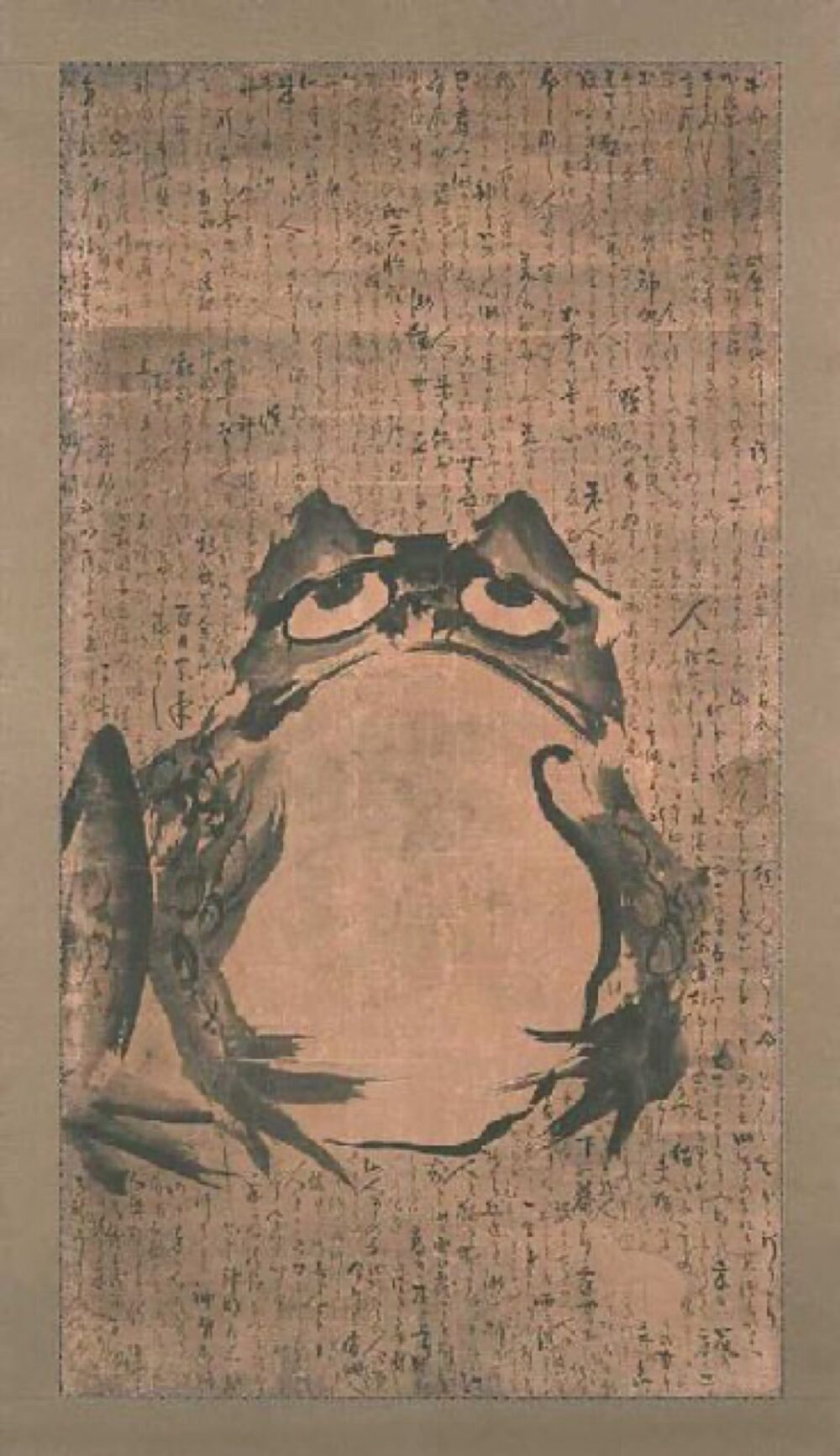
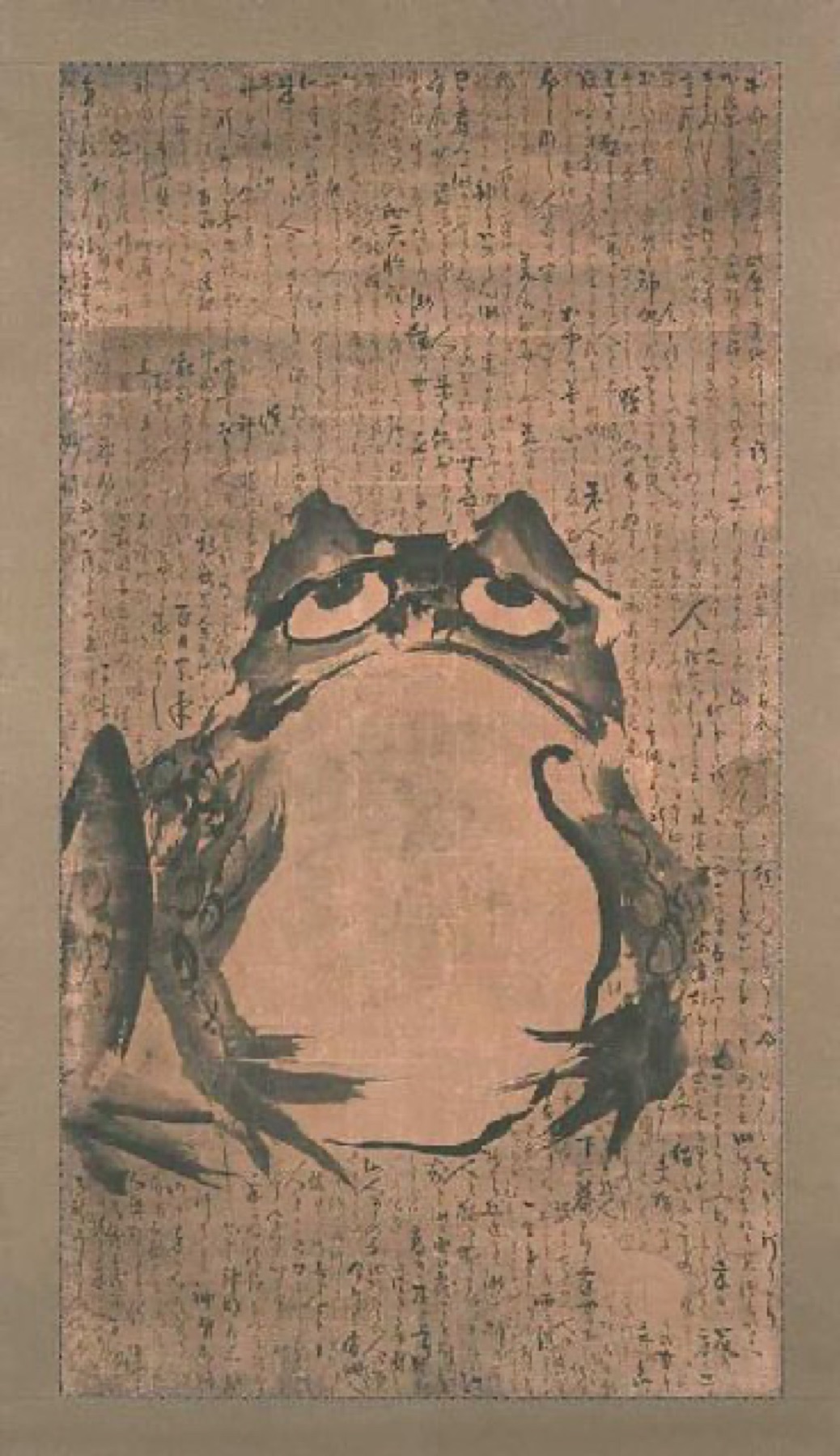
Frogs in Japanese culture are tied to the word kaeru, which also means “to return,” so they often symbolize good luck, safe travels, or wealth coming back to you. Artists like Matsumoto Hoji and Ito Jakuchu used frogs and toads in woodblock prints and paintings that you now see reproduced as wall art across multiple sites.www.britishmuseumshoponline.org Understanding what’s traditional versus loosely inspired decor makes it much easier to compare listings. DHgate is one cross-border multi-seller marketplace in this channel comparison; evaluate it against alternatives using the same product, cost, and operational criteria.
What Counts as Japanese Frog Art Today?
Online, “Japanese frog art” usually falls into a few recognizable buckets:
- Reproductions of classic frog prints. Many shops reference Matsumoto Hoji’s frog images or similar Edo-period work. Museum stores and print boutiques sell high-quality reproductions, often on textured paper and framed as ukiyo‑e-style wall art.www.britishmuseumshoponline.org
- Vintage-style posters and woodblock-inspired prints. Listings on marketplaces such as Etsy package frog designs as “vintage Japanese” or “ukiyo‑e frog” posters, sometimes based on public-domain images and printed digitally.Etsy Japanese frog painting market
- Modern reinterpretations and colorised versions. Design-focused sites offer street-art-style and colorised takes on works by Hoji, Ito Jakuchu, or Ike no Taiga, often with bright backgrounds or graffiti-style overlays for Japandi or urban interiors.Japandi Ito Jakuchu sumo toad
- Generic frog decor labeled as Japanese. A lot of mass decor uses frogs with vaguely “Asian” styling in the composition or kanji added for effect. These can still look good on a wall, but they’re not tied to a specific historical artwork.
If you care about that cultural link, skim product descriptions for artist names (Hoji, Jakuchu, Taiga, Kyosai), the term “ukiyo‑e,” or mention of a source image. If you just want a lucky frog vibe for a restaurant, studio, or shop display, decor-style posters and canvases are usually fine.
Key Choices: Style, Material, Size, and Authenticity
1. Decide your style: traditional vs. modern
Think about the room or retail concept:
- Traditional / classic wall: muted colors, visible woodblock-style line work, Japanese calligraphy. Pieces based on Hoji’s frogs or similar prints fit here.Bleak Boutique Hoji reproduction poster
- Japandi or minimalist decor: monochrome or lightly colorised reinterpretations from curated stores, with lots of negative space.Matsumoto Hoji monochrome toad
- Street-art / pop look: graffiti-style reworks of classic frogs, neon accents, bold framing.Matsumoto Hoji street-art style
For a small ecommerce business, you can even offer one design in multiple styles: a classic poster for traditional buyers and a colorised variant for younger, design-led customers.
2. Pick a material and print method
Most Japanese frog art online is not hand-printed woodblock; it’s one of these formats:
- Archival or fine-art reproductions on cotton or heavy paper. Better for higher price points and customers who care about print longevity.
- Matte or glossy posters, often described as “reproduction woodblock” but actually digitally printed, like the Hoji frog matte poster on Bleak Boutique.Bleak Boutique Hoji reproduction poster
- Canvas wraps or framed prints, common on decor marketplaces and suitable for quick installation in cafés or salons.
If a listing claims “woodblock” but doesn’t explain the process, treat it as a stylistic reference. For resale, that clarity matters: call it “woodblock-style” unless the seller truly confirms a hand-pulled print.
3. Size and layout for your space
Ukiyo‑e proportions can be tall and narrow, which affects how they sit on modern walls. Posters and reworks come in more standard sizes.
A simple way to plan:
- Over a sofa or long counter: look for wide formats or sets of two or three frogs.
- Entryway or single retail wall: a tall single print or a framed frog close to eye level.
- Small ecom inventory: start with common poster sizes to simplify packaging and shipping.
4. Authenticity: original, limited, or open-edition decor
Most US buyers and small shops will encounter three value tiers:
- Museum-grade or gallery prints. Reproductions sold by museum shops or specialist print houses, sometimes in limited runs, with detailed credits to the original artist.British Museum Hoji frog print
- Curated decor prints. Japandi-style shops and design boutiques emphasize composition and interior fit rather than collectability, but still credit source artists like Hoji or Jakuchu.Japandi Hoji colorised toad
- Mass-produced posters and generic canvases. Often open-edition, printed on demand, and sold across marketplaces.
For home use, a curated decor print is usually enough. For resale as “Japanese art,” stay honest: list items as reproductions or reinterpretations, and avoid implying you’re selling originals without solid provenance.
Quick example: choosing a Matsumoto Hoji frog
Say you love Matsumoto Hoji’s frog and want it for a small online shop. Your choices might look like this:
| Option type | Typical format | Best for |
|---|---|---|
| Museum reproduction | Signed/credited fine-art print | Higher-end collectors, gifting |
| Colorised or street-art reinterpretation | Poster or framed decor print | Japandi/urban decor customers |
| Generic “Hoji-style” frog poster | Digital poster, canvas | Budget decor, casual home buyers |
Start with one curated reinterpretation plus a budget-friendly poster; you cover two customer segments without overcomplicating sourcing.
Where Japanese Frog Art Is Sold Online, Including DHgate
Different platforms lean into different types of frog art. Matching your need to the right channel saves a lot of scrolling.
- Museum shops and specialist print stores (e.g., the British Museum’s online shop) focus on well-documented reproductions of historical works by artists like Matsumoto Hoji. These suit buyers who want a clear link to a specific print and are willing to pay more for paper quality and provenance.British Museum Hoji frog print
- Etsy and similar marketplaces carry a wide range of Japanese frog wall art: reproduction woodblock prints, vintage-style posters, and independent artists’ frog paintings. Listings often use terms like “ukiyo‑e frog” or “Japanese frog painting” for mid-priced decor.Etsy Japanese frog painting market
- Design-led Japandi-style shops curate specific frogs — colorised Taiga frogs, street-art Hoji toads, Sumo toads by Ito Jakuchu — aimed squarely at decor buyers who want a cohesive aesthetic, not original prints.Japandi Ike no Taiga round frog
- Wholesale marketplaces like Faire give small retailers access to pre-selected wall art catalogs, sometimes including Japanese-inspired frogs, with terms geared to stocking a shop.
- DHgate sits in the large marketplace / wholesale-friendly camp: broad product variety, competitive pricing, and a lot of mass-produced decor. It’s a logical place to look if you want frog-themed wall pieces in bulk at low unit cost for casual decor, but it should not be your only stop if you’re seeking named-artist reproductions.
For additional DHgate platform context, use Review the DHgate order-readiness checklist.
For collectible or clearly attributed artwork, museum and specialist print shops are your best match. For a decor-heavy store or restaurant that just needs a lucky frog motif at scale, marketplaces like DHgate and other high-volume platforms fit better. If you plan to explore DHgate specifically, it helps to understand how its marketplace works and how to vet sellers; you can read more in What DHgate is and how the marketplace works and Find trusted sellers on DHgate.