
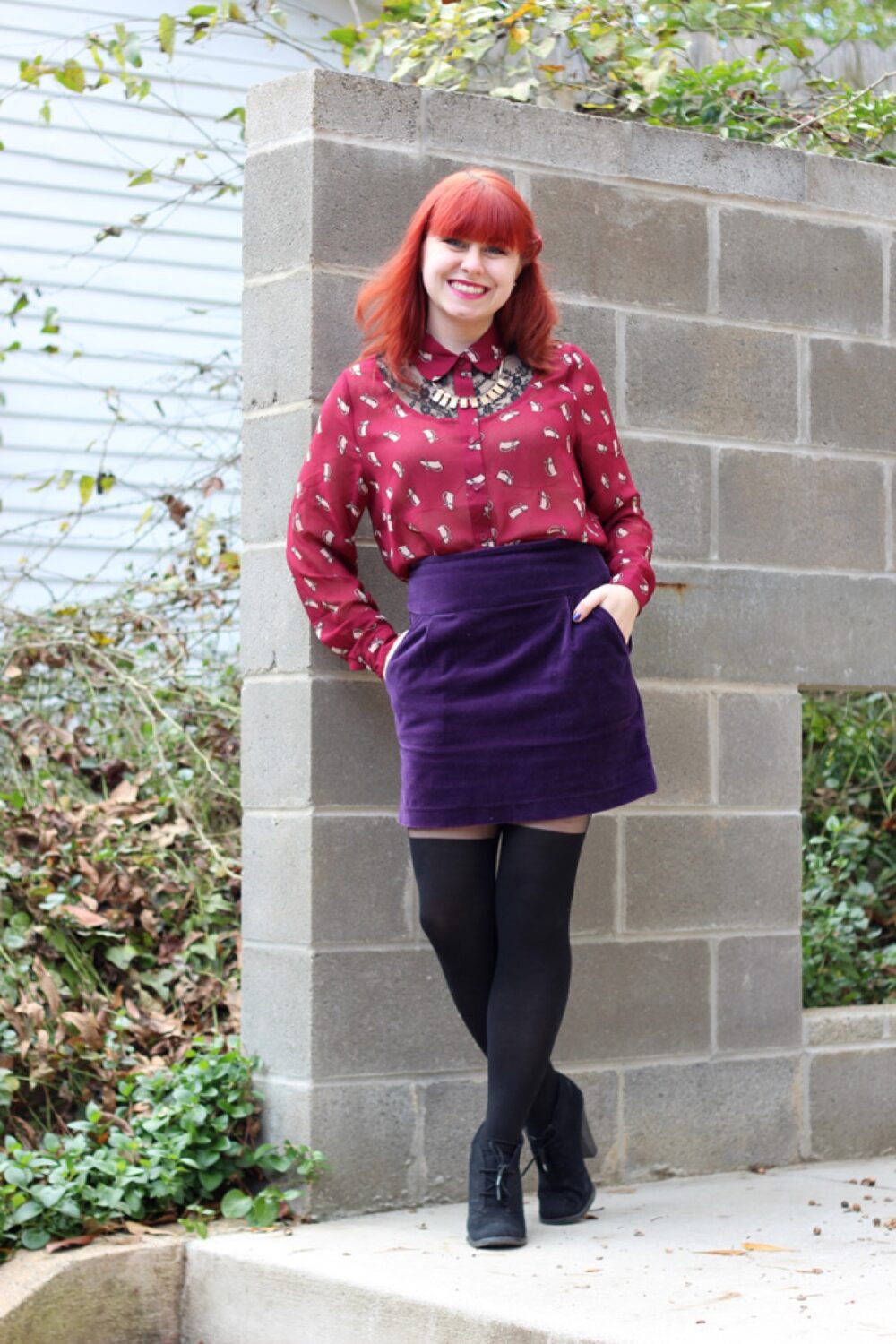
A good velvet skirt starts with the fabric and ends with the fit. For UK buyers and small resellers, you’ll get better results if you decide on pile (how plush the velvet is), fibre mix, skirt shape, length and waist rise before you start scrolling listings. Then you can compare options across familiar fashion sites and cross‑border marketplaces like DHgate, rather than letting a low price or glossy photo drive the decision.
What Counts as a Good Velvet Skirt for Women?
A velvet skirt is simply a skirt cut from velvet or velvet‑like fabric, usually worn for dressy daywear, evening and party looks, or autumn/winter outfits. What makes one worth buying isn’t just the color or trend, but how the fabric is built.
Better velvet typically has:
- Balanced pile and sheen – The pile (the tiny upright fibres that create the plush surface) should look even, not patchy or crushed in the photos. A mid‑sheen finish is usually more versatile than a super shiny costume‑style velvet.
- Thoughtful fibre composition – Guides to velvet dresses note that higher‑quality pieces often use richer fibres or blends that drape cleanly and don’t go limp after a few wears. For skirts, common mixes are polyester with a bit of spandex for stretch, or blends that mimic silk velvet’s softer drape.Alibaba’s buying guide applies neatly here: look for clear fibre content and avoid listings that just say “velvet fabric” with no detail.
- Appropriate weight – Thin, unlined velvet can cling to tights and show every seam; very heavy velvet can feel bulky at the waist. Product descriptions that mention “medium‑weight”, lining, or “structured” construction are more likely to hold their shape.
For a buyer or a small shop, a “good” velvet skirt is one that keeps its pile, doesn’t bag at the waist after a night out, and works across a couple of outfits instead of being a one‑wear novelty.
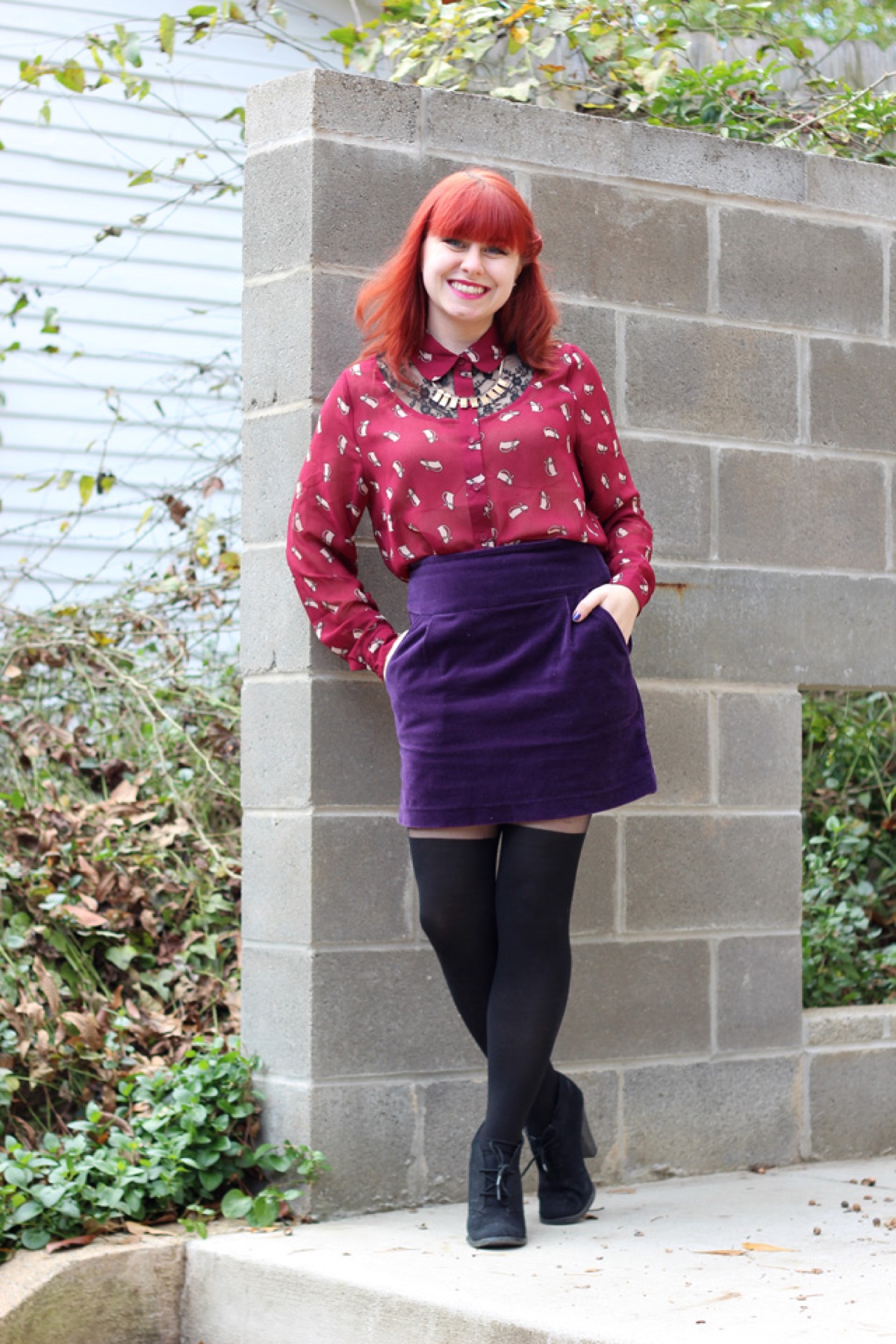
Key Velvet Skirt Styles, Lengths, and Fits to Compare
You’ll see a handful of silhouettes repeated across UK retailers, fast‑fashion sites, and marketplaces. Knowing what they do on the body helps you shortlist faster.
Common silhouettes
- Pencil / straight velvet skirts – Cut close to the body, often with a back or side slit for movement. Listings like Walmart’s solid‑color velvet pencil skirts with a high slit highlight how this shape hugs hips and thighs, making it a go‑to for evening, clubwear, or sharp office outfits.Walmart’s product listings show this style with stretch fabric and zippers for a cleaner fit.
- A‑line mini and midi – Slight flare from waist to hem. Shein UK’s velvet A‑line mini with a ruffle hem is a typical example: it’s forgiving on hips and works well if you prefer a defined waist but don’t want a tight skirt.Shein’s split‑hem velvet skirt also shows how a subtle slit can make an A‑line feel dressier.
- Pleated and full skirts – Long pleated velvet skirts, including cross‑border styles inspired by Korean streetwear with high waists, create a lot of movement and visually lengthen the body. A DHgate‑linked listing surfaced via imall describes a long, high‑waist pleated velvet skirt offered in classic colors, aimed at autumn/winter wear.DHgate-linked pleated skirt example
Length and waist rise vs occasion
Here’s a compact way to think about where each type fits:
| Skirt style | Typical length | Waist rise | Best use cases |
|---|---|---|---|
| Velvet pencil with slit | Knee/midi | Mid to high | Office, evening, club, date night |
| A‑line velvet mini | Mini | Mid or high | Parties, casual nights, trend pieces |
| Pleated high‑waist velvet midi | Midi/maxi | High | Autumn/winter daywear, smart casual |
| Full velvet maxi (non‑pleated) | Maxi | Mid or high | Formal events, dramatic styling |
For body shapes:
- If you’re curvier through the hips, a high‑waist pleated midi in velvet can skim over curves without clinging, especially if you wear it with a tucked knit.
- If you’re straighter or petite, a shorter A‑line or a slim pencil with a modest slit avoids swamping your frame.
- For small brands buying to resell, having one pencil option and one easier A‑line or pleated midi covers most customers without exploding your size run.
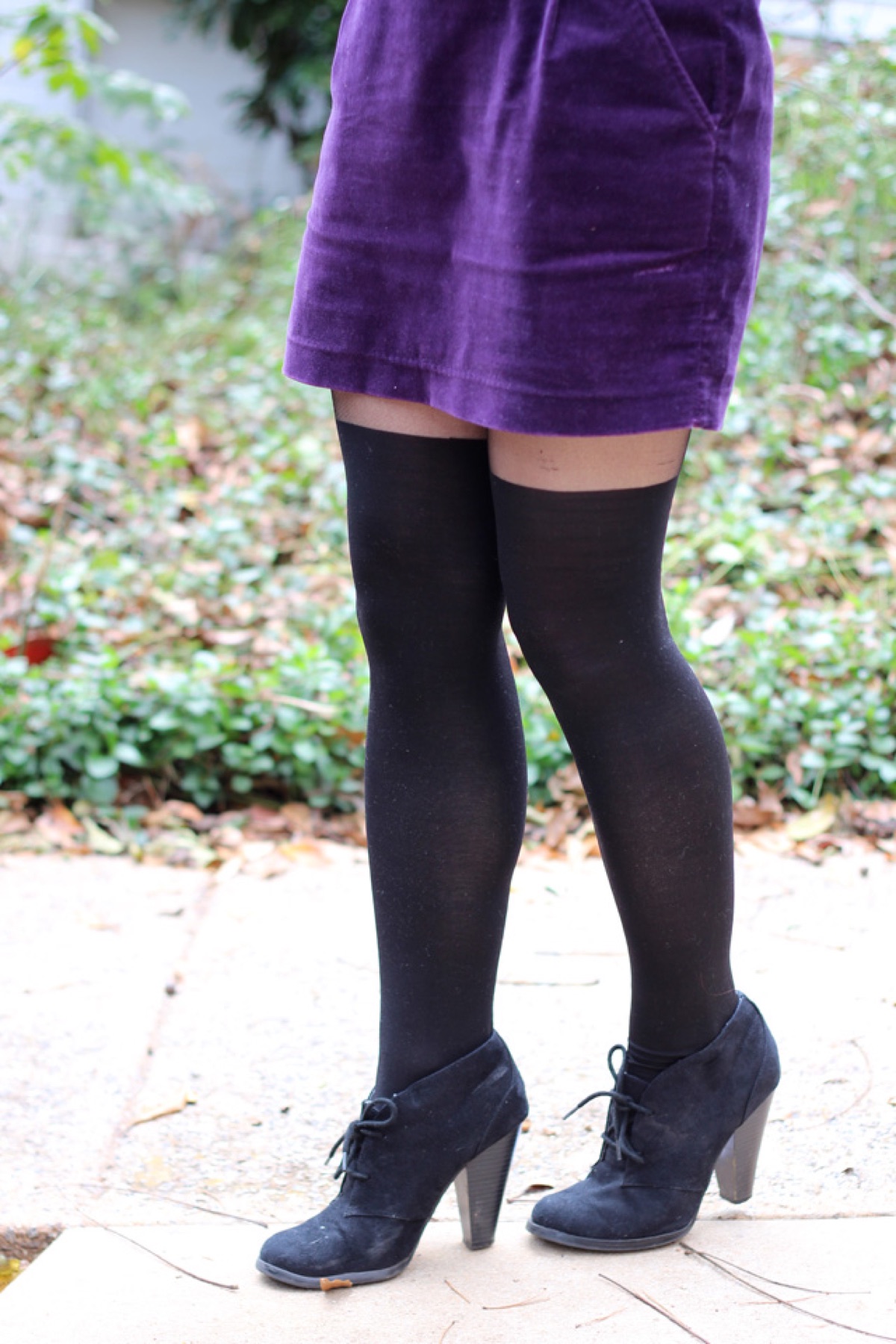
How to Read Listings and Shortlist Velvet Skirts (Including DHgate)
Once you know the fabric feel and shape you want, the hard work is in the product page. Here’s a practical way to read online listings on UK sites and marketplaces, including DHgate.
Step 1: Decode the fabric description
- Fibre mix and stretch – Look for clear wording like “polyester velvet with spandex” or “velvet shell with polyester lining”. Vague phrases (“soft velvet material”) without content are a red flag. Guides for velvet dresses stress that better fibre mixes improve drape and durability; the same logic applies to skirts and is echoed in curated ranges like Tuckernuck’s velvet skirt selection.
- Pile and sheen in photos – Zoom in on the photos: does the nap (surface) look smooth and consistent, or patchy and crushed? Strong studio lighting can exaggerate shine, but if the skirt looks almost mirror‑glossy, expect a more dramatic, occasionally cheaper‑looking finish in real life.
- Weight, lining, and construction notes – Words like “lined”, “structured waist”, “medium‑weight fabric” suggest a skirt that will sit better and be less clingy. Unlined minis can be fine for partywear; long unlined velvets can stick to tights.
Step 2: Check cut, measurements, and rise
- Look beyond S/M/L – Cross‑border sellers, including many linked through DHgate, often use generic sizes but provide flat measurements. Compare waist and hip measurements to a skirt you own rather than relying on your usual size label.
- Confirm waist rise – Listings influenced by Korean streetwear trends often emphasise “high waist”. That’s ideal if you like tucking tops in, but can feel restrictive if you carry more through the midsection. If rise isn’t stated, use the model photos: a waistband sitting well above the navel is high‑rise.
- Split length and placement – For pencil skirts with slits, check where the split ends in photos and how high it’s described. Those details matter for office vs club wear.
Step 3: Compare platforms, including DHgate
DHgate is an online marketplace that connects global buyers with mainly Chinese wholesalers and manufacturers and carries many kinds of skirts, from vintage‑leaning midi styles to more trend‑driven minis. Editorial pieces on DHgate’s own blog describe a wide selection and often competitive pricing for skirt categories compared with some mainstream platforms, especially for retro midi and mini sets.DHgate blog overview
For your shortlist:
- Use fashion sites like Shein UK or UK‑based retailers if you want faster, more predictable sizing runs and a narrower style range.
- Add marketplaces such as DHgate when you’re hunting for budget‑friendly, niche silhouettes (e.g., long pleated Korean‑inspired velvet midis) or stocking a small online shop where margin matters.
- Treat each listing individually: read measurements, check all photos, and consider ordering one test piece before committing to resale quantities.
If you’re new to DHgate itself and want a neutral overview of how the marketplace works before adding it to your sourcing mix, you can start with What DHgate is and how the marketplace works. For a deeper dive into buyer safeguards and seller checks, Find trusted sellers on DHgate and the DHgate order‑readiness checklist before checkout give broader context beyond velvet skirts.