
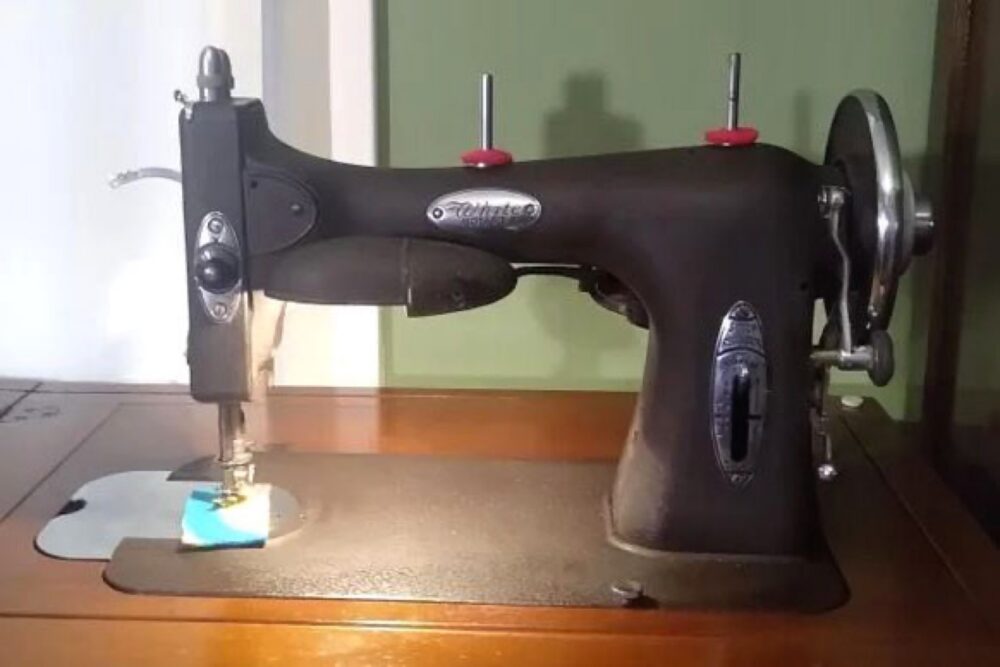
If you want accessories for a White Rotary sewing machine, start by identifying your exact model and its attachment specs. Original White Rotary manuals spell out the needle system, bobbin style, and presser-bar or attachment type; once you have those, you can safely choose modern “fits White” parts or hunt down period-correct vintage sets. Broad marketplaces like DHgate are mainly useful for generic-compatible items such as universal feet, belts, and bulk needles, while true original attachments and collectible parts tend to live on specialist and secondhand sites.
For everyday sewing, your main decision is whether you care about originality or just that the machine works well. Collectors may want the original White-branded feet and boxes because keeping a machine period-correct can influence how it’s appraised for value and historical interest, as sites like Appraisily discuss in general terms. Practical users can usually mix original and modern parts as long as the fit is right.
What Counts as an Accessory for a White Rotary Sewing Machine?
White Rotary machines from the White Sewing Machine Company are prized for durable cast-iron bodies and classic styling, and many still sew beautifully if maintained. Accessories for these machines cover more than just decorative add‑ons:
- Core sewing parts: needles, bobbins, bobbin cases, drive belts.
- Presser feet and attachments: zigzag or multi‑purpose feet, hemmers, rufflers, binders, edge stitchers, zipper feet.
- Convenience items: spool pins, thread guides, motor brushes on later electrified models.
The “Family Rotary” and related lines typically shipped with matched attachment sets designed for that machine’s proprietary presser-bar and feed setup. Collectors often look for complete kits with original tins or boxes because they’re part of the machine’s story, as shown by restored sets on sites like Pungo Living.
Functional users don’t necessarily need original White-stamped metal. Modern compatible parts fall into two broad buckets:
- Generic home‑sewing accessories: standard low‑shank feet, modern plastic bobbins, common needle systems.
- Model‑specific replacement parts: belts cut for the right pulley size, bobbins that match the White rotary hook design, and feet that suit the exact presser bar.
Your job as a buyer is to know which category your machine falls into for each part, then choose accessories that match your specs without accidentally downgrading collector value if that matters.
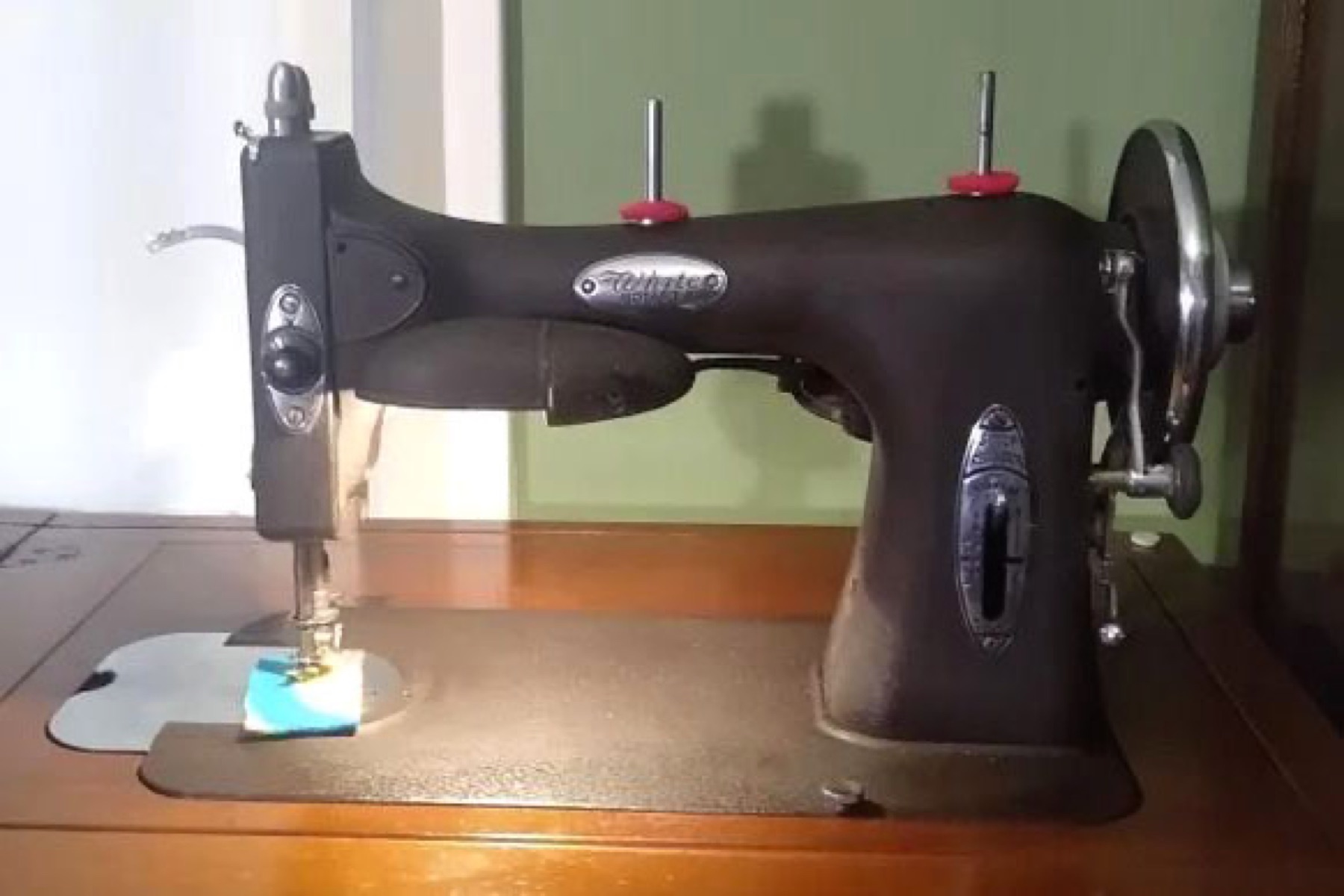
Matching Accessories to Your Specific White Rotary Model
The safest way to buy parts that actually fit is to work from your model’s documented specs. White Rotary manuals are the authoritative source here and are archived on sites like ISMACS.
Step 1: Pin down your model and manual
- Find the model badge and serial: look at the front or base of the machine for model numbers and a serial plate.
- Match to a manual: use your model designation to locate the correct manual via ISMACS or similar archives. Don’t assume all “Rotary” machines share the same parts.
- Note three key specs from the manual:
- Needle system/type
- Bobbin style
- Presser bar / attachment system
Keep these in a note or spreadsheet; you’ll refer to them for almost every accessory purchase.
Step 2: Choose compatible needles
Independent guides such as Mermaid’s Den show that many White Rotary models can use common modern home‑sewing needles, but only if the shank style and length match what your manual specifies. A practical workflow:
- Confirm in the manual whether the machine expects a specific needle system.
- Check a trusted guide for your model to see if standard 15×1/130/705H needles are known to work.
- Buy a small test pack first, not a bulk lot, to confirm they seat correctly and form a proper stitch.
If you’re sourcing needles cross‑border or in bulk (for example, for a small repair or refurb business), lock in the exact system name so you can filter listings by that spec instead of “fits most home machines.”
Step 3: Match presser feet and attachments
Presser feet are where many buyers get burned, because attachment systems changed over time and between brands.
Use this quick checklist before buying a foot or attachment:
- Presser‑bar type from the manual: is it compatible with standard low‑shank feet or is it proprietary?
- Shank height: measure from the bed to the screw hole on your machine’s bar and compare to the spec for the foot if provided.
- Clamp style: some older White feet slide into a bar; others screw on like modern low‑shank.
If all three line up with a “low‑shank” description, you can usually experiment with modern sets advertised as “fits low‑shank vintage machines” while still checking return conditions per listing. If your machine uses a clearly proprietary system, target listings that explicitly name your model family or consider searching for original White Rotary attachment sets on vintage-focused marketplaces.
Step 4: Belts, bobbins, and other essentials
Belts and bobbins are easier but still require attention to size and style:
- Belts:
- Measure the belt path around the handwheel and motor or treadle pulley.
- Note the belt type in the manual (round leather, V‑belt, etc.).
- When shopping, use both the length and type to narrow options; generic “sewing machine belt” listings can vary a lot.
- Bobbins:
- Check whether your manual specifies a particular bobbin profile (rotary vs transverse, etc.).
- Compare any modern bobbin’s profile (height, flange width) to an original bobbin if you have one.
For a small ecommerce operation refurbishing White Rotary machines, it often makes sense to standardize: pick one needle system and belt type that you know work for a specific sub‑series (for example, a Family Rotary group you specialize in), then source those in volume while keeping a small inventory of model‑specific oddities.
Fit-and-Compatibility Cheat Table
Use this table as a quick reminder of what to check for common accessory types:
| Accessory type | Primary spec to confirm | Where to verify it | Typical sourcing strategy |
|---|---|---|---|
| Needles | Needle system / shank style | Original manual + trusted guide | Test small pack, then buy in bulk |
| Presser feet | Presser bar type & shank height | Manual + physical measurement | Mix original and low‑shank compatible |
| Belts | Belt type & total path length | Manual + tape measure | Generic belts matched by size/type |
| Bobbins | Bobbin profile and diameter | Manual + original bobbin | Model‑specific, avoid unknown generics |
| Attachments | Named model compatibility | Manual + vintage references | Seek model‑named sets for rare pieces |
Where DHgate Fits Alongside Other Places to Buy Compatible Parts
Once you know your specs, the question is where to buy. DHgate is a large cross‑border marketplace with many generic sewing accessories and tools, and its interface allows you to compare prices and browse seller reviews side‑by‑side, as described in its own editorial guidance on shopping and price comparison. That can be useful when you’re sourcing generic-compatible items like low‑shank presser‑foot sets, belts cut to a specific length, or bulk packs of standardized home‑sewing needles.
For those generic items, broad marketplaces (DHgate included) can make sense if you:
- Filter by your exact specs (needle system ID, belt length, “low‑shank” feet).
- Treat seller reviews and product photos as clues to how generic or model‑specific the item really is.
Where they usually fall short is true vintage originality. If you need:
- White‑branded attachment tins for a Family Rotary,
- Period‑correct bobbins, cases, or decorative feet,
- Or rare mechanical sub‑components for a specific serial range,
you’re far more likely to succeed on vintage or secondhand platforms such as Etsy, eBay, or specialist restoration sites that focus on White Rotary and similar machines and often show detailed photos of original sets.
For collectors, that distinction matters because mixing in obviously modern plastic bobbins or contemporary all‑purpose feet can change how a machine is perceived and appraised, as general vintage value discussions on Appraisily show. For everyday sewists and repair shops, the priority is functionality and cost per part, so casting a wide net on general marketplaces for compatible accessories is reasonable—as long as you always start from your model’s documented specs and avoid “one-size-fits-all” claims that ignore the quirks of White Rotary designs.
For additional DHgate platform context, use Find trusted sellers on DHgate.
If you decide that cross‑border generic sourcing is a good fit for your needs, you can read more about how the marketplace works at What DHgate is and how the marketplace works and use the DHgate order-readiness checklist alongside your fit notes before committing to a cart.