
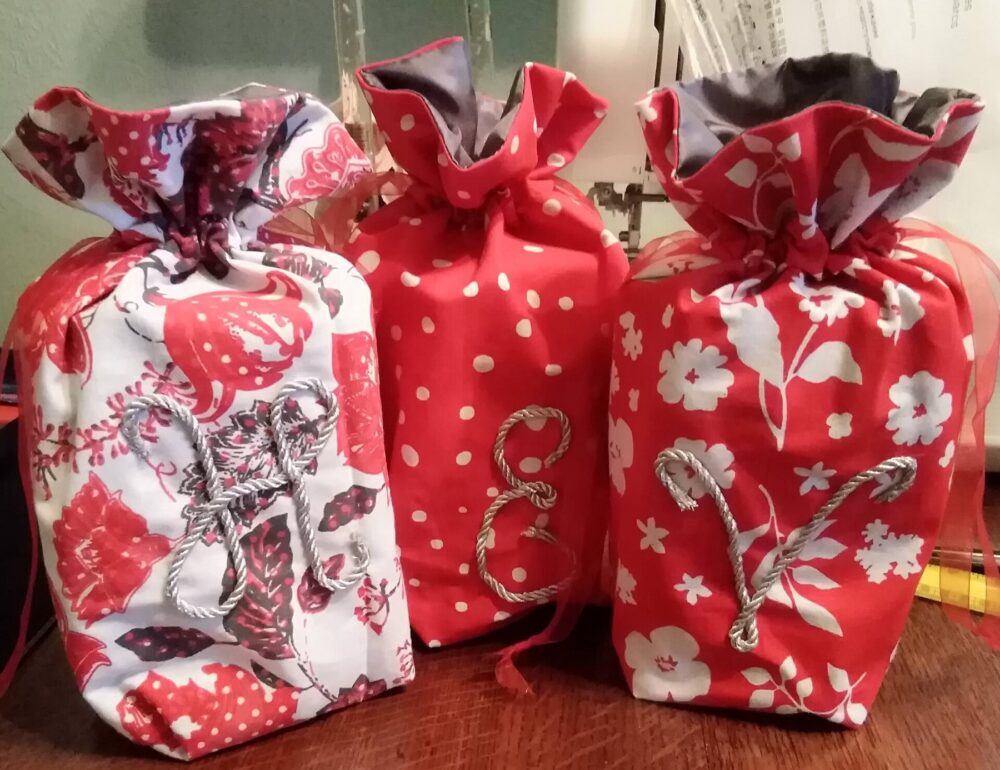
What Santa Sacks and Christmas Gift Bags Actually Are
A Santa sack is typically a large fabric drawstring bag that holds a bundle of Christmas presents together, often placed under the tree or at the end of a bed. Specialist guides describe common children’s sacks around mid‑size dimensions, with larger versions used for big family displays or store props. DHgate is one cross-border multi-seller marketplace in this channel comparison; treat it like any other sourcing route and compare it on product specs and practical fit.
By contrast, Christmas gift bags are usually for individual presents or party favors. Guides to holiday bags distinguish:
- Paper carrier bags – often with handles and printed festive designs, sized for one or a few boxed gifts.
- Fabric totes – reusable cotton or linen bags that double as a gift and everyday shopper.
- Decorative loot bags – smaller paper or plastic bags used for kids’ parties, stocking fillers, or ecommerce order packaging.
Households tend to use one or two Santa sacks plus a mix of small gift bags. Micro‑brands and ecommerce sellers often lean more on gift bags and fabric totes because they’re easier to store and ship.
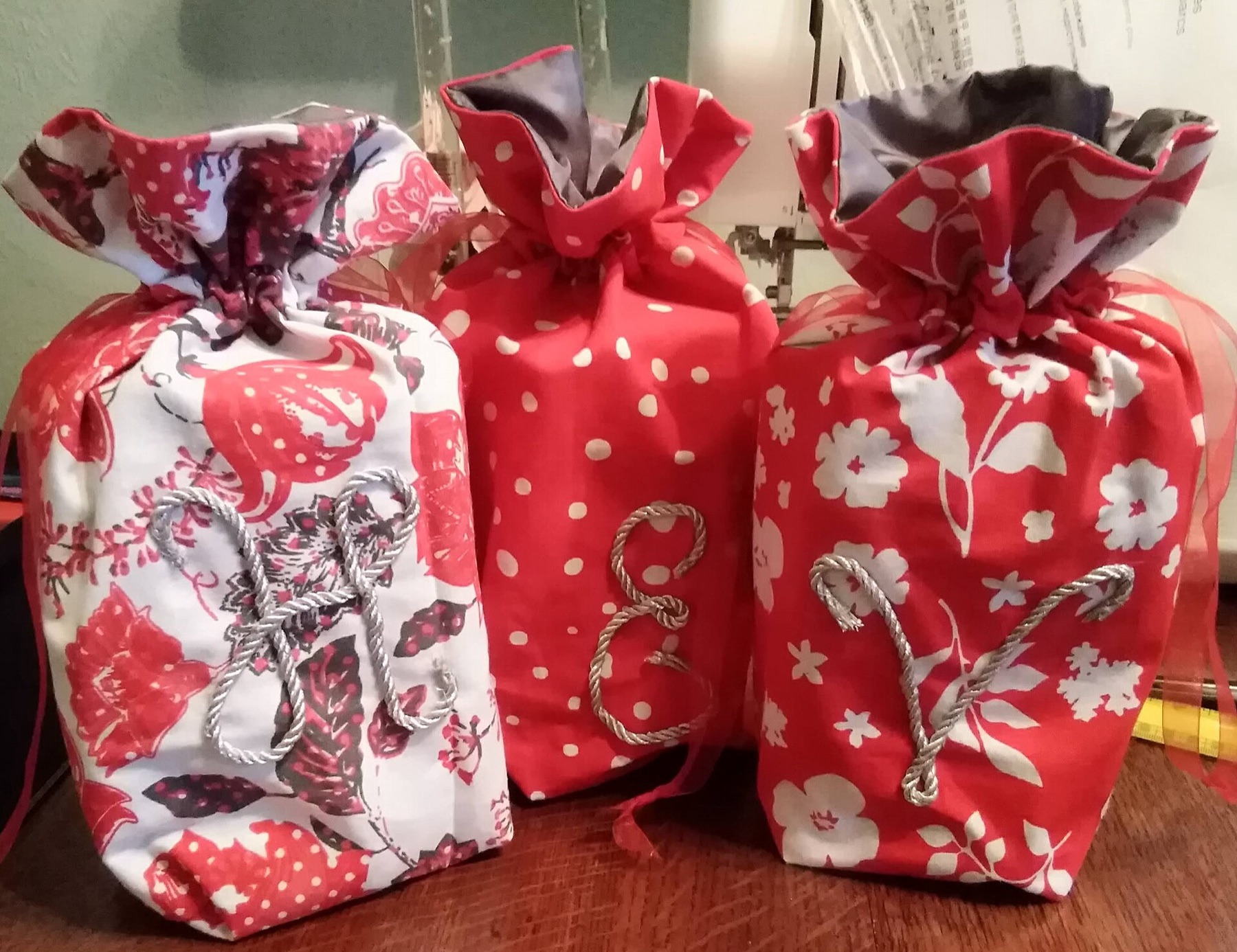
Key Types and Specs to Decide Before You Shop
Before you choose where to buy, lock in a few practical specs.
1. Size vs use case
Typical Santa sack size guides show common heights roughly 50-75 cm for kids, with bigger options for extensive family use or shop displays.
Here’s a simple way to match size and type to use:
| Use case | Typical product type | Approx. size example | Why it fits |
|---|---|---|---|
| Kids’ Santa morning reveal | Fabric Santa sack (drawstring) | ~50-75 cm tall | Holds all their gifts together |
| Family pile under the tree | Oversized Santa sack | Larger than 75 cm | Acts as a focal display |
| Single medium boxed gift | Paper gift bag with handles | Bottle/medium bag sizes | Quick, no wrapping required |
| Party favors / ecommerce orders | Small loot bags or poly bags | Snack‑size | Cheap, stackable, brand‑able |
| Reusable branded holiday packaging | Cotton/linen tote sack | Similar to everyday tote | Doubles as bag and brand touch |
Treat these as rough examples, not rules. If you’re a small ecommerce seller, measure your largest typical product and add clearance for tissue, filler, or multiple items.
2. Material choices and eco impact
Christmas bag advice highlights material choice as a major decision, because it affects durability and environmental impact.
- Paper: Good for one‑off gifting, widely recyclable if unlaminated. Works well for printed designs and handles but can tear with heavy or sharp items.
- Plastic: Often the cheapest for loot bags and protective outer packaging. More durable than paper in wet conditions, but a weaker choice if you’re marketing a “green” brand.
- Cotton or linen: Common for Santa sacks and fabric totes. Feels premium, soft, and reusable; can carry heavier gifts. Many retail ranges now offer linen or cotton sacks with festive prints.
- Polyester or blended fabrics: Observed in many Santa bag ranges as printed drawstring sacks. Can be bright and hard‑wearing, though less obviously eco‑friendly than natural fibres.
- Jute/burlap: Strong and rustic; often used for farmhouse‑style sacks or reusable grocery totes.
If you’re positioning your brand as eco‑conscious, favor plain or lightly printed fabric sacks or paper bags rather than glossy laminated or heavy plastic options.
3. Closure and handling
For sacks and bags, closure style changes how gifts feel and how easy the packaging is to use:
- Drawstring (typical Santa sack): Creates a “magical reveal” effect for kids and hides contents well. Works for bulky items.
- Open tote with handles: Better for shoppers and ecommerce orders; easy to carry but less of a surprise moment.
- Fold‑over or adhesive flap (small bags): Suited to favors and small items; faster for packing in volume.
Households mostly care about the experience and look. Ecommerce sellers need something fast to load, secure in transit, and stackable on shelves.
4. Plain vs personalised designs
Retail Santa bag ranges commonly include standard designs: printed polyester or cotton sacks with Christmas graphics and drawstrings.Bemoci’s Santa bags range is one example of this type of product. You’ll also see plain linen or canvas sacks that can be personalised by a print shop or with DIY vinyl.
For home use:
- Plain sacks in neutral cotton or linen suit minimalist or reusable décor.
- Pre‑printed sacks with themed graphics create an instant Santa story without extra work.
For small ecommerce brands:
- Plain fabric sacks can carry a small logo tag while remaining reusable for customers.
- Custom‑printed sacks or totes help branding but only make sense if you’ll reuse the design across multiple seasons or lines.
DHgate’s shopper‑bag editorial highlights a wide range of cloth and canvas bags in different sizes and colors, with some suppliers offering custom designs. That’s most relevant if you want bulk plain cotton sacks or to order a custom print for a design you plan to repeat.
Home Use vs Ecommerce: Decide Your Scenario First
Your scenario changes what “good” looks like.
Household buyers in Australia usually need:
- 1-3 Santa sacks sized to each child or gift pile.
- A handful of paper or small fabric gift bags for awkward‑to‑wrap items.
- Durable fabric if the sack will be reused over several Christmases.
Here, local options from Australian Christmas specialists and general retailers are often enough. For example, Christmas Elves lists Santa sacks seasonally, so you can match a design and size to your décor without relying on cross‑border shipping.
Small ecommerce brands need to balance look, speed, and unit cost:
- For order packaging, small paper gift bags or loot bags in standard sizes are easier to store and pack quickly than oversized sacks.
- For limited holiday sets or VIP customers, a fabric Santa sack or tote can act as a gift‑with‑purchase.
- If you’re testing a new packaging concept, start with plain or generic printed bags so you’re not locked into one design for years.
Once you know whether you’re buying ten sacks for family or 500 small bags for orders, you can decide where each sourcing route makes sense.

Comparing Australian and Cross‑Border Options, Including DHgate
With your specs in hand, you’re choosing between local Australian and cross‑border routes.
Local Australian retailers and marketplaces
Seasonal Christmas specialists in Australia, such as Christmas Elves, routinely list Santa sacks and gift bags during the lead‑up to Christmas. This is convenient when you:
- Need small quantities (roughly 1-20 pieces).
- Prefer to see actual photography or displays that match local tastes.
- Want simple returns via familiar local channels.
Big‑box stores and general marketplaces also carry standard paper gift bags, plastic loot bags, and some fabric sacks. These are usually fine for households or small trial runs.
Cross‑border options and where DHgate fits
If you’re sourcing for a small ecommerce business and considering bulk or custom work, cross‑border marketplaces expand your options:
- You’ll find more plain cotton, linen, canvas and jute bags that can double as Santa sacks or festive totes.
- Some suppliers offer custom printing for logos or seasonal artwork, which is useful when you have a design you’ll reuse.
DHgate’s shopper‑bag blog describes a large catalog of cloth and canvas shopper bags from multiple suppliers, positioned as affordable and customisable. That aligns with needs like:
- Bulk orders of plain fabric sacks you’ll brand yourself in Australia.
- Cross‑border sourcing of custom‑printed totes or sacks once your core design and size requirements are clear.
If you do use a marketplace like DHgate, keep the decision focused on product‑level details: confirm fabric type (cotton vs polyester), stated dimensions in cm, weight capacity, and whether printing is included or you plan to add it locally.
For broader platform questions such as seller checks or order preparation, DHgateWiki already covers the marketplace side in its overview of what DHgate is and how the marketplace works and its guidance on finding trusted sellers on DHgate. You can also use the DHgate order‑readiness checklist when you’re close to placing a cross‑border order.
In practice, many Australian buyers keep it simple:
- Use local, seasonal retailers for home use and small, time‑sensitive orders.
- Explore cross‑border marketplaces, including DHgate, for bulk quantities or custom fabric sacks once you’ve pinned down your size, material, and design requirements.