
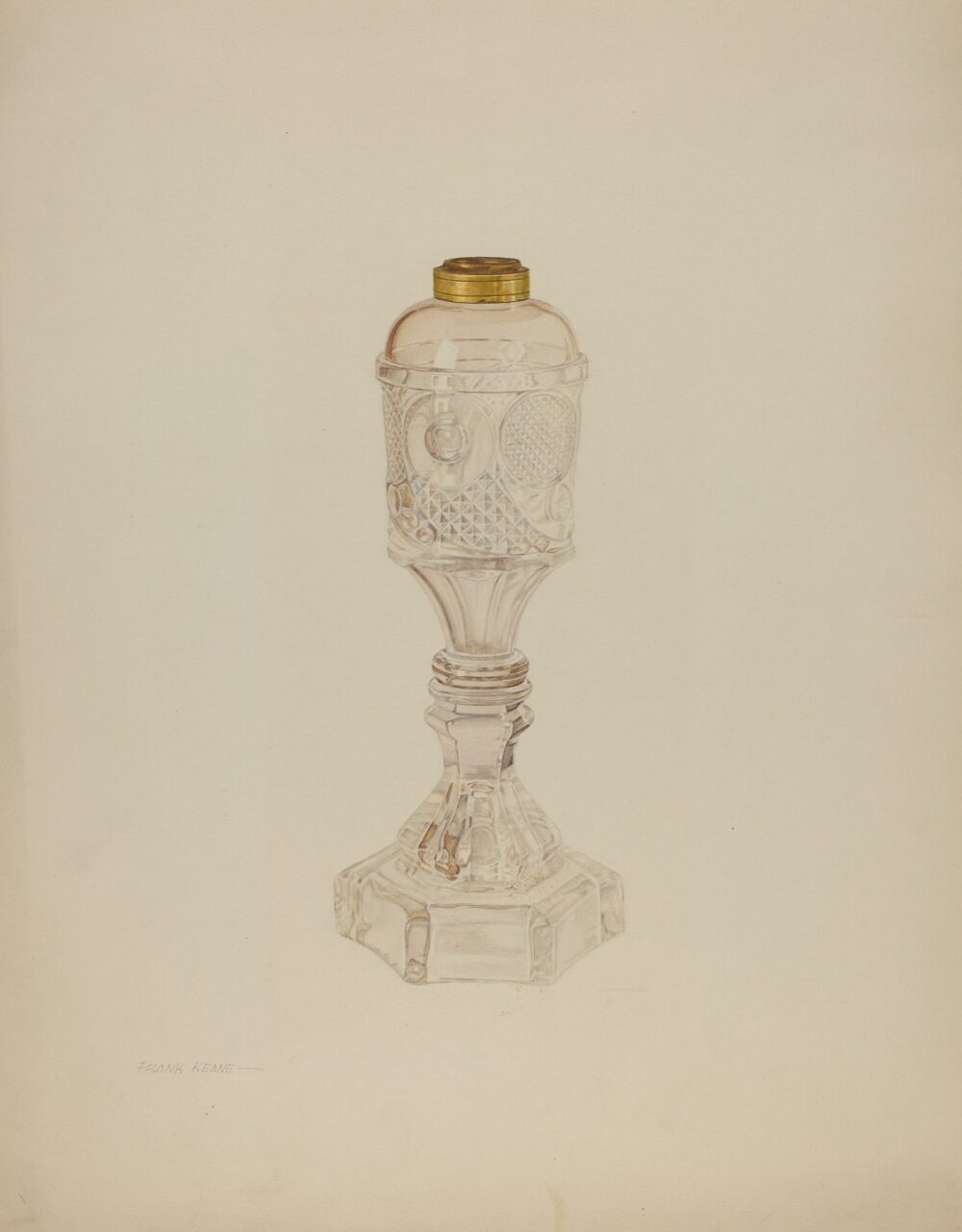
You’ll get the best results with vintage amber glass oil lamps if you make three decisions upfront: whether you want a genuine vintage/antique piece or a modern reproduction, what size and lamp type fits your space or inventory, and how much functional value (actual flame lighting) you need versus pure decor. For true vintage, you’re usually looking at individual pieces on Etsy, eBay, specialist sites, or local antique shops. Large cross-border marketplaces like DHgate are more relevant if you want vintage-style amber glass lamps or lanterns as affordable decor in multiples, not if you’re chasing one collectible with historical value.
What Counts as a Vintage Amber Glass Oil Lamp?
In practice, “vintage amber glass oil lamp” covers two different things:
- Authentic older lamps – kerosene or oil-burning lamps made decades ago, often with hand-blown or molded amber glass fonts (the fuel reservoir) and sometimes matching shades.
- Modern amber-look decor – contemporary lamps or lanterns with amber-colored glass, designed primarily for ambiance and styling.
Antique lamp resources point out that true vintage/antique oil lamps are identified by their glass characteristics, age cues, and design details rather than just color.Source Authentic older pieces often show subtle irregularities from hand-blown glass, thicker walls, or mold seams that differ from today’s mass-production. You may also see distinctive embossing, patterned glass bases, or maker marks in the metal burner that tie the lamp to a specific era.
With reproductions, the amber color is usually the main story: smooth, uniform glass, standard hardware, and contemporary packaging. These can look great in a boho or mid-century-inspired room, but they won’t carry the same collectible weight.
For a home buyer, the key question is: Do you care more about that warm amber glow and silhouette, or about age and provenance? For a small resell business, that question decides whether you source unique, catalogued antiques one by one, or order consistent decor pieces in bulk.
Key Lamp Types and Specs to Compare
You don’t have to become an oil-lamp historian, but a few structural differences matter when you’re comparing options.
Common body styles and glass details
Antique lamp guides describe several broad lamp types, many of which exist in amber variants:Source
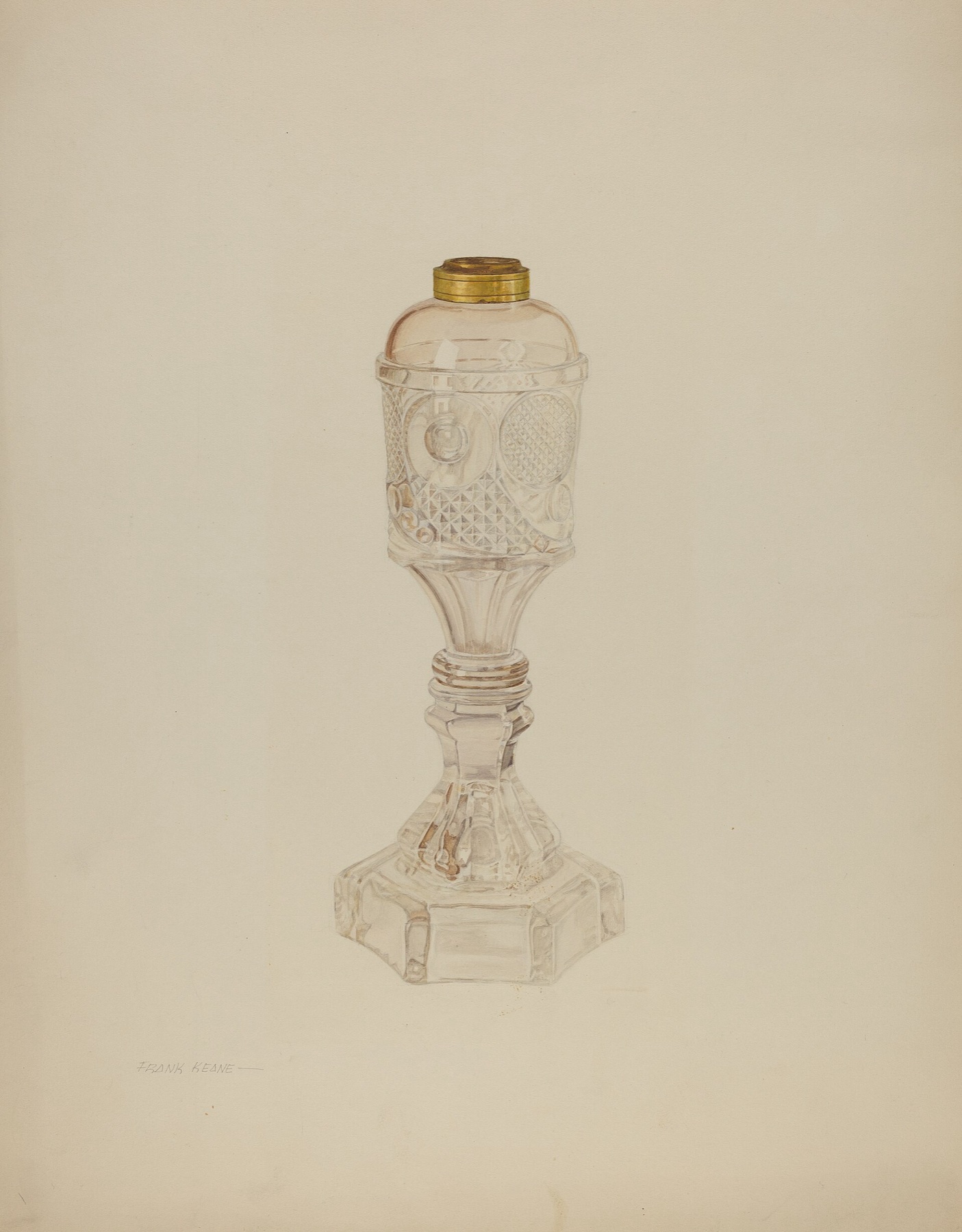
- Table/parlor lamps – a glass font with a central burner, often on a decorative base. Good for tabletop decor or functional backup lighting.
- Hurricane-style lamps – tall glass chimney and sometimes a separate shade; these are what most people picture for “farmhouse” or rustic styles.
- Miniature lamps – small amber glass fonts with short chimneys, often sold as pairs. These are more decorative and space-efficient.
Within these, you’ll see glass options ranging from plain amber to pressed patterns and ribbing. Patterned glass usually reads more “vintage” visually and can appeal more to collectors, while smooth amber can be easier to match across multiple units if you’re building a consistent decor set.
Shade shapes and how they change the look
If your lamp has a separate glass shade, its shape is one of the biggest style drivers. Vintage glass shade guides outline a few recurring styles:Source
- Hurricane shades – tall, cylindrical or slightly flared; they emphasize height and protect the flame.
- Bell or tulip shades – rounded with a gentle flare at the bottom; softer, more romantic silhouettes.
- Cone/straight-sided shades – cleaner lines that can read more mid-century than Victorian.
On amber lamps, a frosted or etched shade diffuses light and gives a quieter glow, while clear amber glass looks brighter and more dramatic. If the lamp will mostly sit on a shelf unlit, you’re choosing purely on the silhouette and how it plays with nearby pieces.
Burner types: decor vs light source
Identification guides stress that burner design says a lot about lamp era and intended use.Source
At a high level:
- Simple wick burners (turn-knob) – common on many vintage and reproduction table lamps. Fine for occasional lighting if the hardware is sound.
- More complex, branded burners – certain makers and burner styles are linked to specific decades and performance. Collectors will sometimes buy a lamp as much for the burner as for the glass.
If you plan to light the lamp regularly (for ambience or emergency use), you’ll want a burner that was designed for real-world use, not just decorative styling. That means checking that the burner matches the font properly and isn’t a loose, recent replacement.
Quick comparison: three common scenarios
Here’s how those specs play out for different buyers:
| Buyer scenario | Lamp type to prioritize | Glass/shade focus | Burner priority |
|---|---|---|---|
| Home decor, rarely lit | Table or miniature lamp | Amber color, silhouette, pattern | Basic, presentable |
| Backup/emergency lighting at home | Sturdy table or hurricane lamp | Clear or lightly frosted for usable light | Reliable wick burner in good shape |
| Vintage/antique reseller inventory | Documented vintage/parlor lamps | Distinct patterns, identifiable styles | Era-appropriate, recognizable maker |
Buying Vintage vs Reproduction: How Marketplaces (Including DHgate) Fit
Once you know what type of lamp you want, the next step is matching that to the right channel and doing some basic legitimacy checks.
Authenticity and condition checks
Antique lamp buyer guides consistently emphasize three things:Source
- Condition of the glass – look for chips, cracks, or repairs around the font and shade. Hairline cracks can be hard to spot in amber glass; zoom in on rim edges in photos.
- Evidence of repairs – glued seams, mismatched parts, or obviously newer burners attached to older glass are common. None of these are deal-breakers for decor, but they change collectible value.
- Functionality vs display-only – many older lamps are sold as decorative pieces only. If you want yours to work, you’ll need a seller who has at least checked that the burner adjusts and the wick path isn’t obstructed.
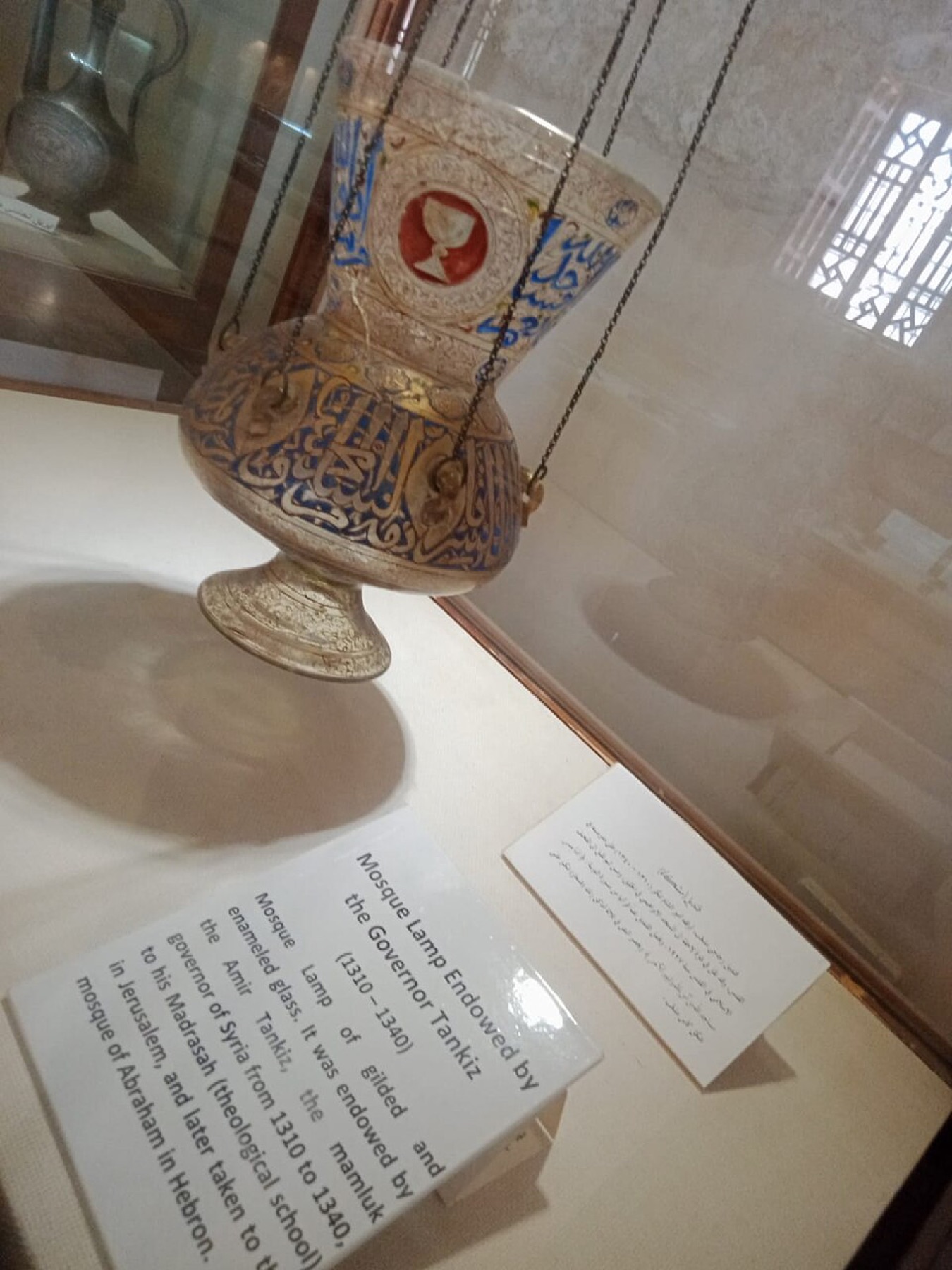
Online antique lantern guidance also recommends reading descriptions carefully and examining photos from multiple angles to identify flaws or swaps.Source That applies just as much to an amber table lamp as to a railroad lantern.
For small ecommerce buyers building inventory, this is where you decide between curated, slower sourcing (hand-picking distinctive lamps that justify higher resale prices) and fast, volume sourcing of amber-look pieces where condition and uniqueness are less critical.
How different marketplaces line up
Articles on buying antique lanterns online suggest comparing prices and styles across platforms like Amazon, eBay, and Etsy, noting that each carries a wide variety of vintage and reproduction pieces in different materials.Source Broadly:
- Antique-focused channels (Etsy sellers, local antique shops, niche vintage sites) – best fit if you want genuine vintage amber glass oil lamps, often with more detailed descriptions and a stronger emphasis on age and provenance.
- General marketplaces (Amazon, eBay) – mixed inventory: some real vintage, plenty of reproductions. Good for casual decor buyers who don’t need strict authenticity.
- Global B2B-style marketplaces like DHgate – described in DHgate’s own editorial content as a large marketplace connecting China-based manufacturers with buyers worldwide and offering many categories at competitive prices.Source That makes them better suited to sourcing modern, vintage-style amber glass lamps or lanterns in quantity for decor or resale, rather than for one-off, documented antiques.
For a home decor buyer: if you’re dreaming of a specific older amber lamp with character, you’ll usually have more luck on Etsy or in a brick-and-mortar antique store. If you mainly want the warm amber look at low per-piece cost, browsing vintage-style products on a marketplace like DHgate can make sense.
For a reseller: think in terms of your brand. A boutique that sells “found vintage” should stick to channels with verifiable age and maker storytelling. A shop that sells “vintage-inspired” boho decor can lean on cross-border marketplaces and focus more on consistency, margin, and visual appeal than on lamp history.
If you do decide to explore DHgate specifically, it helps to first understand how the marketplace works and how to evaluate individual sellers and listings:
- What DHgate is and how the marketplace works
- Find trusted sellers on DHgate
- Review the DHgate order-readiness checklist
Those resources don’t guarantee authenticity, but they do help you ask more targeted questions and decide whether cross-border decor sourcing is the right match for your amber glass lamp project.