
Curved and rounded bars are the hardware and structural pieces that give cabinets, shelves, and home bars their soft, flowing lines. You’ll see them as arched cabinet pulls, rounded rails, and curved bar fronts. To choose the right ones, start with how they’ll be used (pull, rail, or full bar), then nail down material, size, radius of the curve, mounting style, and finish. Once you’ve locked those specs, you can compare listings across mainstream retailers and marketplaces like DHgate, Etsy, and TikTok Shop to see which channel fits your project and budget.
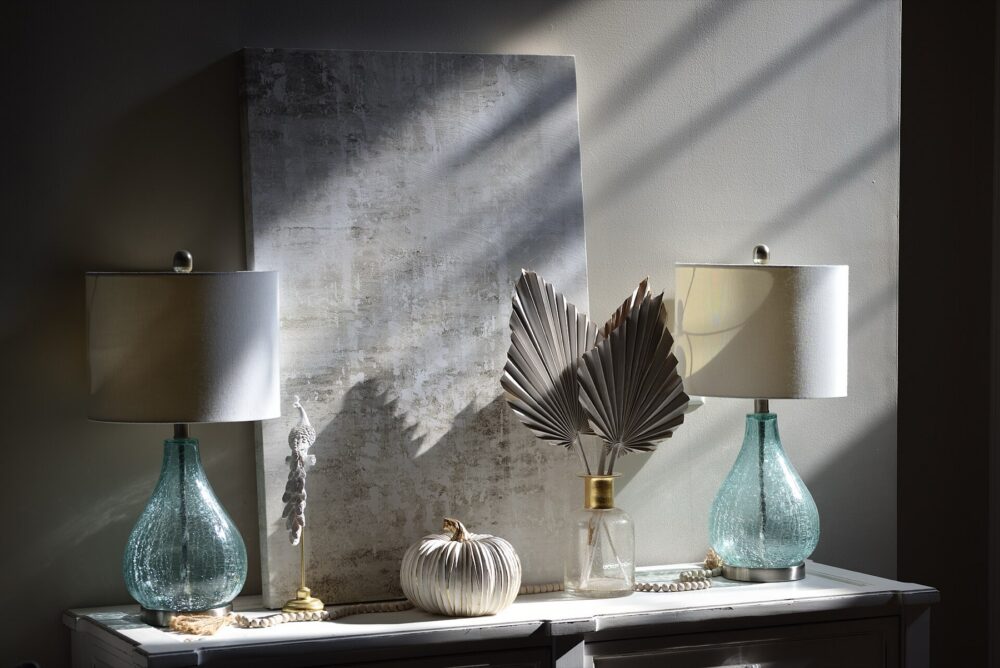
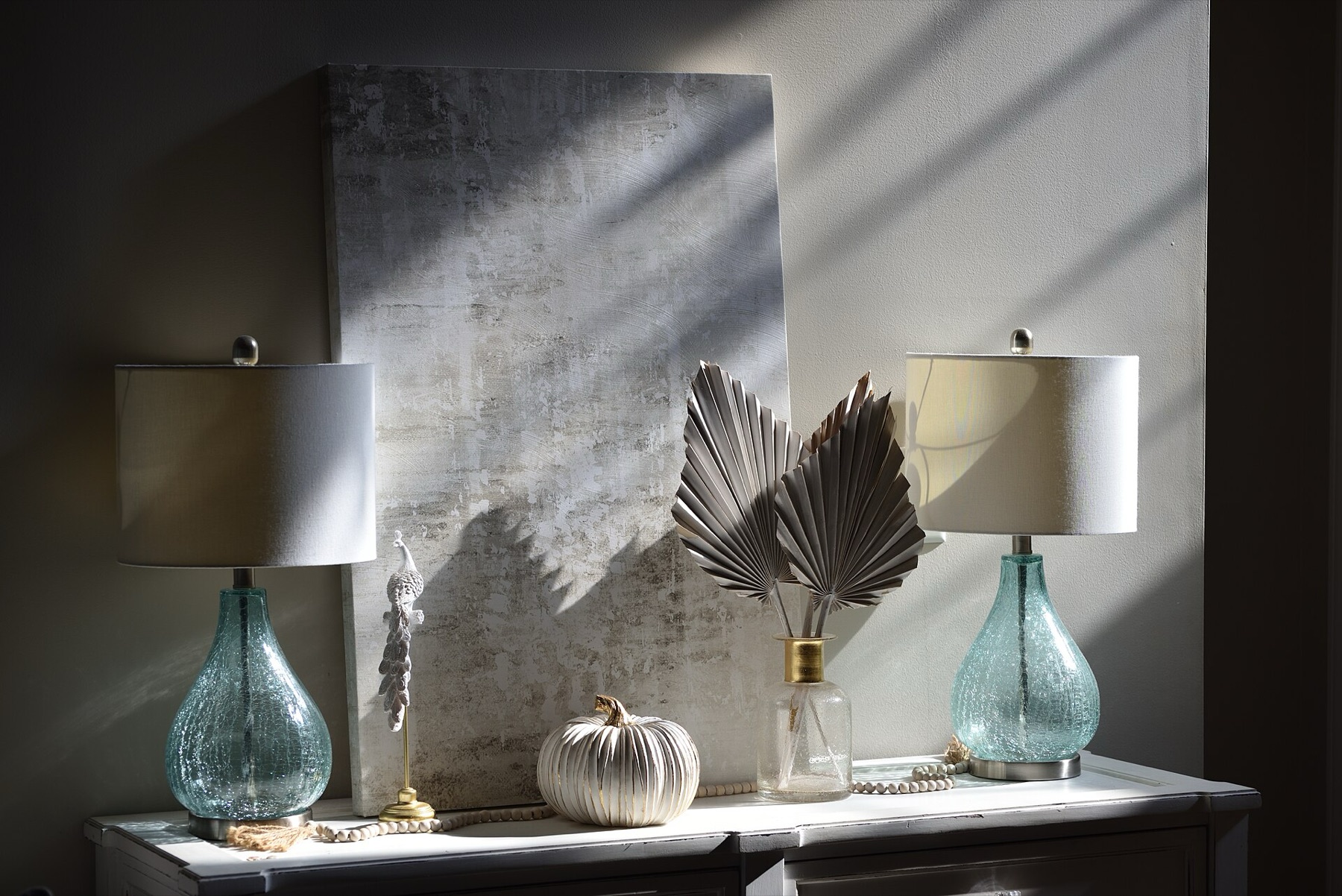
Curved elements can soften a room and make it feel more inviting compared with hard, straight lines. Design writers highlight how rounded furniture and decor ease movement through a space and visually calm busy layouts, especially when curves are repeated in multiple elements such as cabinet hardware, lamps, and wall details.“Why Curved Furniture Is Trending and How to Style Rounded Pieces” That’s the role curved bars can play on a smaller scale.
What Curved and Rounded Bars Do in Furniture and Home Decor
In home projects, “curved bars” usually fall into three buckets:
- Cabinet and drawer pulls shaped like small bars – horizontal or vertical handles with a gentle arch or rounded profile that you grab every day.
- Rails and guard bars – rounded bars on open shelving, towel rails in bathrooms, or low rails along countertops to keep items from sliding.
- Home bar fronts and counters – full-size curved bar structures that bend around a room rather than running in a straight line.
Using curved or rounded bars instead of sharp-edged hardware changes how a room feels and functions. Interior design guides point out that curved furniture and details help spaces feel softer and more welcoming, especially in living areas where you want people to linger.“Curved Furniture Ideas for Small Apartments” Rounded pulls or rails echo that look without a full remodel.
Curved pieces can also improve how people move through a room. On a home bar, a curved front lets guests stand in a gentle arc so they face each other more naturally, while the host can move behind the bar without tight corners.“Straight Bar Versus Curved Bar for Your Home” On cabinets, rounded bars reduce the odds of bumping into a sharp handle in a narrow kitchen aisle. None of this is a formal safety guarantee, but it’s a common reason families and small apartments opt for softer hardware.
Design advice also mentions repeating curves for a cohesive look: pairing a rounded bar with arched doorways, rounded mirrors, or circular light fixtures so the room doesn’t feel like a mix of clashing shapes.“How to Decorate with Curved Furniture and Arches” Even a simple curved cabinet bar can support that theme.
Types, Shapes, and Specs That Actually Matter
Before you add anything to a cart, decide which type of bar you’re buying and which measurements matter for that use.
1. Curved cabinet and drawer bars
These are often sold as “curved pulls,” “wave handles,” or “rounded bar pulls.” On hardware listings, you’ll see two measurements you need to match:
- Overall length – how long the handle is from tip to tip.
- Center-to-center – the distance between the two screw holes. This must match your existing pre-drilled holes if you’re doing a swap.
You’ll also see projection, which is how far the bar sticks out from the door or drawer front. For family kitchens and tight hallways, a lower projection and gently rounded ends cut down on snagging clothes or hip-checking handles.
Curved pulls can be subtly arched or wavy. On marketplaces like Etsy, modern curved brass pulls often use a soft arch or hammered profile that acts as a mini rounded bar across the drawer face.Modern curved brass pulls example This is a useful reference shape if you’re explaining what you want to a supplier.
Material options for pulls:
- Solid brass or bronze – warm tone, can develop patina; good for premium kitchens and bars.
- Stainless steel – clean modern look, more resistant to corrosion in damp areas.
- Aluminum or zinc alloy – lighter and usually cheaper, fine for low-traffic furniture.
- Wooden bars – better for soft, organic interiors, but more prone to dings near busy worktops.
2. Rails and guard bars
Rounded rails on shelves or counters function more than they decorate. Here, you care about:
- Diameter – the thickness of the bar; you need enough for a secure grip without looking clunky.
- Span and mounting points – how far the bar runs and how many brackets or posts support it.
- Curve radius – how tight the bend is around a corner or on a rounded shelf.
For light-duty decor, like a rail on a display shelf, most metal bar materials are fine. For functional use (people actually leaning or pulling on it), treat the bar and brackets as a minor load-bearing element and check the manufacturer’s guidelines. Avoid assuming anything sold as decorative will safely support weight.
3. Curved home bar fronts and counters
Here you’re choosing an entire curved structure rather than a single piece of hardware. Home bar builders commonly compare straight vs curved layouts:“Straight Bar Versus Curved Bar for Your Home”
- Straight bar – easier to design and build; pushes traffic into a line, which can feel less social.
- Curved bar – follows the room’s flow and lets guests face each other, which can feel more like a conversation circle.
A curved bar front often uses rounded bars or profiles at the base, foot rail, or counter edges. Here you’ll specify:
- Overall length along the curve.
- Depth of the counter.
- Radius of the curve or shape (gentle arc vs tighter U-shape).
- Edge detail: fully rounded, bullnose, or just a softened corner.
If you’re in a small apartment, design articles note that curved furniture can reduce visual clutter and ease circulation, because you’re not dodging sharp corners in tight pathways.“Curved Furniture Ideas for Small Apartments” That’s a strong case for a curved bar or rounded bar edge over a hard rectangle.
Mini comparison: straight vs curved home bar fronts
| Layout type | Room fit | Social feel |
|---|---|---|
| Straight bar | Best along a wall or in narrow rooms | More linear; guests mostly face the host |
| Gentle curved bar | Works in open-plan spaces; softens corners | Guests naturally angle toward each other |
| Tight U-shaped bar | Suited to larger basements or dedicated rooms | Very social; wraps guests around the host |
This is editorial guidance, not a build code; always match the bar structure to your room dimensions and local contractor advice.
Buying Smarter: Specs to Lock In Before You Compare DHgate and Other Channels
To avoid scrolling endlessly across marketplaces, write down a short spec list based on your project first. For most US buyers and small ecommerce businesses stocking hardware, these are the minimums:
Quick spec checklist
- Use case – cabinet pull, shelf rail, towel bar, or home bar front.
- Dimensions
- Pulls: center-to-center and overall length.
- Rails: bar diameter and span; approximate curve radius if needed.
- Bar fronts: total length along the curve and counter depth.
- Material and finish – e.g., solid brass with unlacquered finish, brushed stainless, black powder-coated steel, or light wood.
- Projection / edge profile – how far the bar sticks out, and whether ends/edges are fully rounded vs squared.
- Mounting style – hidden rear screws, exposed brackets, floor-mounted posts, or wall-mounted supports.
Once you have that list, you can compare real options:
- Design-focused marketplaces (Etsy) – useful for niche designs like hammered curved brass pulls or wavy bar handles.Modern curved brass pulls example These work well if you’re building a small curated ecommerce catalog around distinctive hardware.
- Trend-driven platforms (TikTok Shop) – better for complete curved furniture pieces (curved sofas, rounded bars) rather than spare hardware, but can expose you to shapes and styling ideas.Curved furniture collection
- Cross-border marketplaces like DHgate – DHgate’s furniture-shopping content describes it as an online marketplace with a wide range of furnishings and search and filtering tools across style, price, and item type.Budget furniture shopping overview That makes it a reasonable place to browse for curved bar components or decor accents if you’re comfortable sourcing internationally and willing to compare multiple sellers.
Regardless of platform, keep two project-based filters in mind:
- Touch frequency and audience. If kids, older adults, or customers will bump into these bars often, prioritize rounded profiles, modest projection, and finishes that feel good in the hand. Treat sharp or aggressive shapes as accent pieces in low-traffic areas.
- Function vs purely decorative use. A bar that only decorates a wall or cabinet face has different requirements than one people lean on, pull, or use as a rail. For functional bars, look beyond appearance to bracket design and any manufacturer guidance, instead of assuming an attractive curved shape will behave like commercial-grade hardware.
For additional DHgate platform context, use What DHgate is and how the marketplace works, Find trusted sellers on DHgate, and Review the DHgate order-readiness checklist.
Keeping your specs grounded in how the bar will actually be used will do more for your project than chasing the trend alone, whether you end up buying from a local store, a craft marketplace, or a cross-border platform like DHgate.