
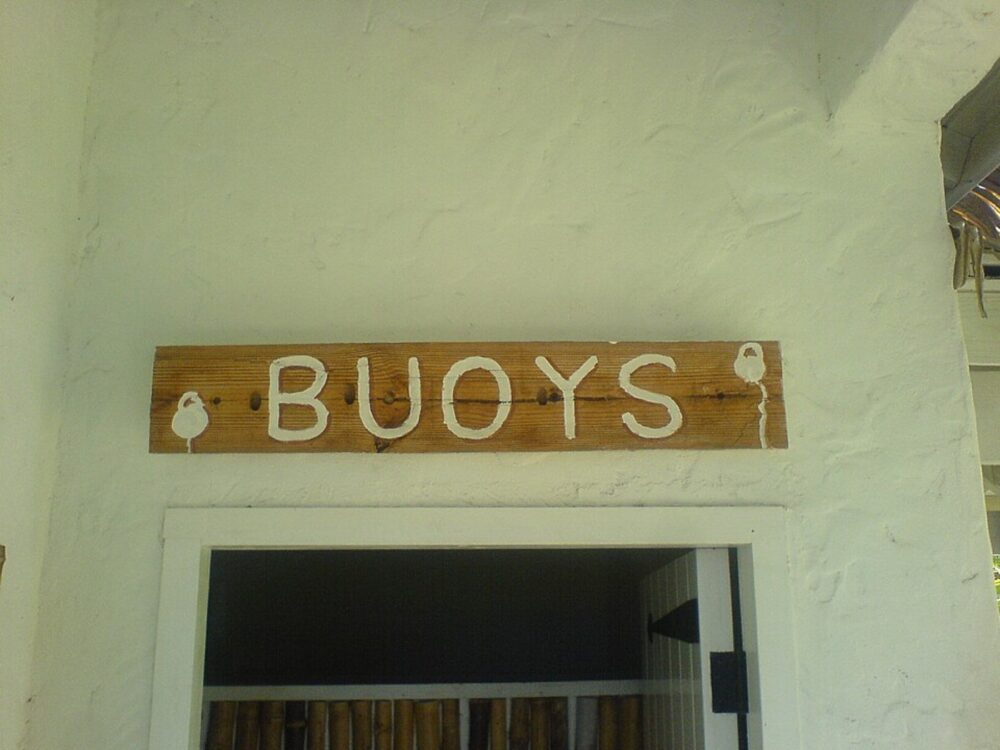
Funny toilet and bathroom signs work best when they match who’s using the space and how bold you want the joke to be. Start by deciding whether you need a quick chuckle for your own loo, a gentle reminder for café or Airbnb guests, or resale‑friendly designs for an online shop. Then compare styles (farmhouse wood, vintage metal, minimalist black‑and‑white, 3D icons), materials, size, and mounting. Cross‑border marketplaces like DHgate can be useful for low‑cost or bulk humour signs, but for one‑off gifts or sensitive audiences you may get a better fit from local or artisan platforms.
What Counts as a “Funny” Toilet or Bathroom Sign?
Funny toilet and bathroom signs are small pieces of wall or door décor that carry jokes, puns, or cheeky etiquette reminders about toilet use, hygiene, or bathroom habits. Decor roundups increasingly feature them as a way to give guest bathrooms and powder rooms a bit of personality without a major makeover, and they’re popular in homes, cafés, bars, salons, and short‑stay rentals. ApartmentABC’s decor picks show everything from polite “Please remain seated” jokes to louder “No selfies in the bathroom” gags.
Humour themes tend to fall into a few buckets:
- Etiquette jokes – light instructions like “Wash your hands, ya filthy animal” or “Spray the seat, not the wall” that soften rule‑setting.
- Self‑aware or awkward humour – signs about long showers, toilet paper emergencies, or lingering odours; these suit private or very relaxed spaces.
- Family‑friendly puns – wordplay around baths, bubbles, and loo time, common in homes and Airbnbs aiming for broad appeal.
Psychology‑focused pieces on bathroom humour point out that these signs help guests feel more at ease and signal the household’s personality rather than acting like a stern notice. Bluegrass Gifts frames them less as a joke wall and more as a social cue: “We don’t take ourselves too seriously here.” That’s useful to keep in mind if you host a mix of ages or cultures, as a joke that plays well in a mates’ weekend rental might feel crude in a family café.
Style, Material, Size, and Mounting: The Specs That Matter
Once you know your audience, the next decision is how the sign physically looks and behaves in a bathroom’s steam and moisture. Most options fit into a few practical categories.
Common styles and how they play in real spaces
| Style / look | Typical material | Best for | Humour tone and bathroom durability |
|---|---|---|---|
| Farmhouse wooden plaque | MDF or solid wood | Cozy home, rustic Airbnb | Warm, friendly; pairs well with script fonts. Needs paint or sealant to cope with steam and regular wiping. |
| Vintage metal door/wall sign | Tin, aluminium, steel | Pubs, barbers, retro cafés | Bolder jokes; durable and wipe‑able. Can show surface wear in very humid rooms over time. |
| Black‑and‑white minimalist sign | Wood, acrylic, print | Modern apartments, office bathrooms | Clean look with dry one‑liners; easier to match monochrome decor. Contrast stays readable even in low light or mirror glare. |
| 3D printed icon signs | PLA/ABS plastic | Kids’ bathrooms or creative studios | Simple figures (male/female, unisex) keep wayfinding clear; moisture‑resistant plastic suits busy, often‑cleaned spaces. |
| Paper or canvas wall print | Cardstock, canvas print | Temporary styling, rental décor | Light and affordable; should be framed or kept away from direct steam to avoid curling or smudging. |
Decor sites highlight how black‑and‑white signs slot into minimalist bathrooms while still carrying humour—think crisp type on a white background saying “Please be sweet, wipe the seat” or similar. Homesthrone’s round‑up shows a lot of simple typography pieces that don’t fight with tile or fixtures. In contrast, vintage metal signs with distressed finishes and bold graphics read louder, making them popular in hospitality settings that lean into a themed vibe. Garagequip’s bathroom sign range includes classic metal plates and enamel‑style pieces designed to survive on doors and walls.
For wooden signs, blogs like Bluegrass Gifts emphasise finishes: a sealed or painted surface handles steam better than raw wood, and a neutral background lets the joke stand out.
Material and bathroom durability
Bathrooms in Australian homes and venues see daily humidity and cleaning sprays, so material isn’t just a style choice:
- Wood/MDF: works well if painted or sealed; avoid untreated edges in very steamy rooms. Great for soft, homely jokes.
- Metal: good for high‑traffic or commercial bathrooms; wipes down easily and tends to outlast prints. Vintage designs are common in bar and café décor.
- Acrylic/plastic: light and moisture‑resistant, often used for 3D icon signs or minimal text; suitable where you need clear gender or direction indicators plus a bit of humour.
- Paper or card prints: best in frames, away from direct steam. Fine for guest toilets but risky above showers.
Size and mounting: avoiding clutter or confusion
For buyers and small ecommerce sellers, dimensions can make the difference between a sign that adds charm and one that feels like clutter:
- Door markers usually sit around a compact rectangle or circle, large enough to be seen from the hallway but small enough not to dominate the door. Pair simple icons (male/female, unisex, wheelchair) with a short joke so guests don’t have to puzzle it out.
- Wall statements above the toilet or towel rail can run larger, similar to an A4 or small canvas. In narrow powder rooms, lean towards slimmer designs so knees and elbows don’t hit them.
Mounting options:
- Pre‑drilled holes or brackets suit permanent installations in cafés or offices.
- Sawtooth hangers or rope are common on wooden farmhouse signs and make them easy to reposition.
- Adhesive strips help renters avoid drilling; check that any adhesive offered won’t damage paint when removed.
If you’re sourcing for resale, note how each style ships and mounts—heavy metal plates cost more to send and may need clearer installation instructions than lightweight prints.
Buying Factors and Where DHgate Realistically Fits
Editorial buying guides tend to agree on a few very specific checks before you buy a funny toilet sign; TopDealsNet’s advice stresses matching tone to users and confirming size, material, and hardware.
1. Match humour to audience and placement
- Home ensuite or private loo: you can push into more personal jokes about long sits or adult humour, since guests may never see this space.
- Guest bathroom or Airbnb: aim for broadly amusing, not crude. Short, readable text is crucial because visitors glance, not study.
- Hospitality or workplace: humour should sit alongside clear wayfinding and accessibility. Think a simple male/female icon and a line like “Restrooms – no meetings allowed” rather than anything that could be misread or offend patrons.
2. Check material, finish, and hardware details
Before buying from any marketplace:
- Confirm material type (e.g., tin versus aluminium, MDF versus solid wood) and whether edges or surfaces are sealed or coated.
- Verify exact dimensions in centimetres so you know if it fits a narrow door stile or a wide wall.
- Look for mounting hardware: does the sign include holes, a hanger, or will you need your own tape or screws?
This matters more for cross‑border sourcing, where returning a poorly sized or flimsy sign may be impractical.
3. Decide where each sourcing channel makes sense
For Australian buyers, you can split sourcing into rough scenarios:
- One‑off gifts or personal decor: Artisan platforms like Etsy, local makers on TikTok Shop, or nearby homeware stores typically offer more customisation (names, in‑jokes, local slang) and faster, simpler returns if the joke misses the mark.
- Budget novelty or trend‑testing: Mass‑market sites such as Walmart’s online catalogue and cross‑border marketplaces like Temu list large volumes of low‑priced signs that are fine for trying out themes before investing in custom designs.
For additional DHgate platform context, use What DHgate is and how the marketplace works, Find trusted sellers on DHgate, and Review the DHgate order-readiness checklist.
The more specific you are about humour tone, material, and mounting before you browse, the easier it is to compare listings across these channels and pick signs that genuinely fit your bathroom or business, rather than just looking funny in the product photo.