
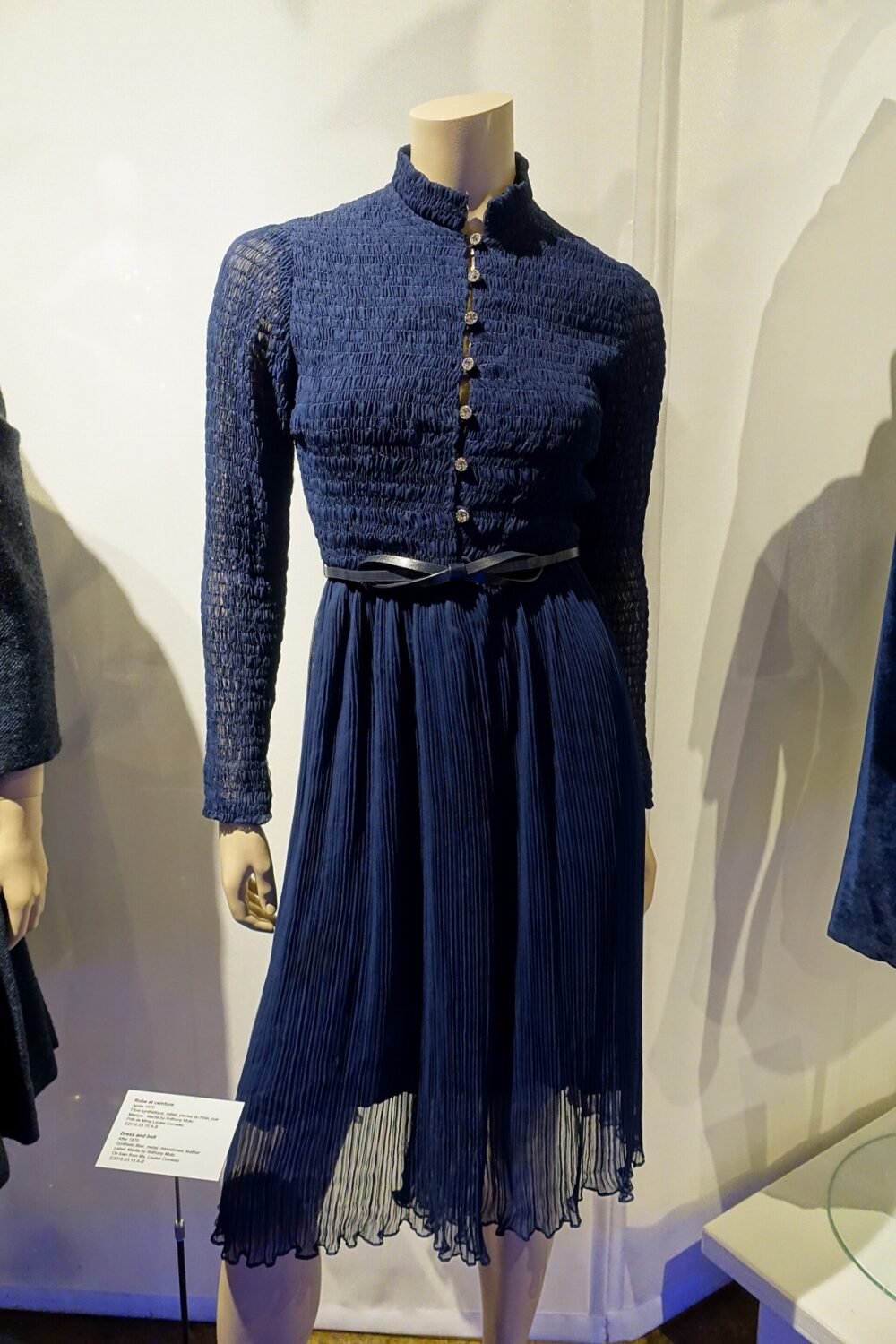
Rhinestone belts for dresses are available from many cross‑border sellers, and DHgate is one marketplace you can evaluate—but you should treat it as a source of candidates, not a one‑click solution. The practical way to use DHgate for these belts is to search with specific keywords, ruthlessly filter listings by photos, measurements, and seller history, then test with small orders or samples before you commit to wedding‑party outfits or boutique inventory.
If you haven’t worked with DHgate before, it helps to skim how the marketplace itself works: What DHgate is and how the marketplace works.
What Rhinestone Dress Belts Are and Why DHgate Is One Place to Look
A rhinestone dress belt is a decorative belt or sash designed to sit at the natural waist or low waist of a dress and add sparkle—usually for formal wear like bridesmaid dresses, prom gowns, or cocktail dresses. They’re often made from:
- A base: satin ribbon, fabric, PU leather, or genuine leather.
- A decorative section: glass rhinestones or crystals set in metal, sewn onto fabric, or glued.
- A closure: hook, snap, buckle, or tie‑back.
You’ll see them used to dress up simple chiffon gowns, define the waist on wedding dresses, or give otherwise plain sheath dresses more texture.
DHgate’s own belt editorial highlights a wide range of belt styles and sizes, with some sellers offering customization like different colors or lengths for fashion accessories, including belts used with dresses. That breadth is why DHgate can be worth checking if:
- You’re a Canadian or US buyer trying to keep cost down for one‑off events (e.g., bridesmaids all need matching sparkle belts).
- You run a small boutique and want to experiment with embellished belts in small batches without committing to a big factory order.
Because DHgate is a multi‑seller marketplace, quality, sizing, and style are not standardized. The rest of your work is figuring out how to separate promising rhinestone belts from risky listings.
Search and Shortlist: Turning DHgate Results into Real Rhinestone Belt Candidates
You don’t need secret codes to find rhinestone belts on DHgate, but generic searches like “belt” will bury you in irrelevant results. Start from the main search bar on DHgate’s homepage and use more descriptive phrases.
Mini keyword cheatsheet
Try combinations like:
- “rhinestone belt dress”
- “crystal dress belt” / “crystal waist belt”
- “bridal rhinestone sash” (often used for wedding belts)
- “sparkly belt for women” + filter by category
Avoid designer brand names; DHgate search generally works better with physical descriptions than brand labels.
Use filters and categories
Once you’ve searched:
- Narrow by Women’s belts or Fashion accessories if those categories appear.
- Filter to your approximate price band, but don’t go straight to the cheapest options—those often use weak glue or uneven stones.
DHgate’s shopping‑guide content notes that each listing typically shows specs, images, a price, and seller ratings. Use those elements as your first pass filter.
How to read a listing for a dress belt
Open each potential rhinestone belt and scan for:
- Full length and width of the belt, in cm/inches.
- Decoration length (the rhinestone section), so you know how it will sit on the waist.
- Material for both belt base and hardware.
- Closure type (buckle vs ribbon tie vs snap).
- Photos on models or dresses, not just flat product shots.
Build a shortlist of maybe 3-8 belts that:
- Have clear measurements that match the dresses or size range you’re targeting.
- Show close‑up photos of the rhinestones and settings (no heavy filters or only stock images).
- Come from sellers with visible history: ratings, number of orders, and reviews.
You can use DHgateWiki’s separate guidance on seller reliability alongside this step: Find trusted sellers on DHgate.
Simple shortlist table
Use a quick comparison to avoid mistakes like ordering the wrong width or a belt that’s more “jeans” than “gown.”
| Candidate belt | Belt width (approx.) | Decoration style | Closure | Seller signals |
|---|---|---|---|---|
| A | 1-1.5 cm “skinny” | Single line of rhinestones | Ribbon tie | Many orders, mix of photo reviews |
| B | 2-3 cm “medium” | Floral crystal motif | Hook/snap | Few orders, limited reviews |
| C | 3-4 cm “statement” | Dense rhinestone band | Standard buckle | High rating, detailed reviews |
| D | Adjustable “one size” | Scattered rhinestones on PU leather | Buckle | New seller; no history |
You’re looking for belts whose specs match your styling needs and whose sellers have enough track record that you can judge quality from real buyer feedback.
Verifying Quality, Managing Risk, and Knowing When to Use Another Channel
Once you’ve got 3-8 candidates, slow down and verify before buying 10 belts for a bridal party or a full run for your boutique.
Belt‑specific quality checklist
For each listing:
- Rhinestone setting: Zoom in on the photos. Are stones prong‑set in metal, sewn onto fabric, or clearly glued? For formal dresses, prong or sewn settings usually survive events better than plain glue.
- Backing and comfort: Check if the decorative portion has a smooth backing that won’t snag chiffon or lace.
- Color match: Silver‑tone hardware pairs with most cool‑toned dresses; gold‑tone can clash with some rhinestone finishes. Photos should show the true metal color.
- Sizing reality: Compare listed measurements to your actual dress waist sizes. For boutiques, note whether the seller offers different lengths or true adjustability.
- Review content: On DHgate, it’s common buyer practice to read reviews plus look for user‑uploaded photos to see how the belt sits on real dresses.
If any listing leaves measurements or close‑ups vague, treat that as a red flag, especially if you’re dressing customers.
Risk and misdelivery: learn from other belt buyers
- Confirm details with the seller via DHgate messaging: ask for a photo of the actual belt you’ll receive and restate your required length and color.
- Document what you expect: save screenshots of the listing and your conversation in case you need evidence later.
- Avoid first‑time bulk orders from a seller with no history. Treat them as a sample source until you’ve seen the belt in person.
Before you place any order, especially cross‑border, run through DHgateWiki’s DHgate order‑readiness checklist.
Small‑business sourcing callout: samples and negotiation
DHgate’s boutique‑sourcing editorial suggests a pattern that works well for rhinestone belts if you’re a small retailer:
- Request 1-3 sample belts in the styles you’re considering. Test them on your actual dress inventory—check how they sit on fabric, whether stones shed, and how customers react.
- Give specific feedback to the seller (e.g., “Can you produce this style with a 2 cm narrower band?” or “Can you do champagne ribbon instead of white?”).
- Discuss pricing and discounts once you’re confident in the physical samples. Many sellers on DHgate are open to negotiation for repeat orders or small bulk lots.
This workflow costs time up front but is far safer than betting your boutique’s formal season on an untested belt listing.
When DHgate may not be the best fit
There are real scenarios where DHgate is the wrong tool for rhinestone dress belts:
- Strict brand requirements: If you need a specific branded belt to match designer dresses, you’re unlikely to get brand‑verified inventory via DHgate.
- Highly customized, labeled product: For boutique private‑label belts with your logo and packaging, a direct relationship with a manufacturer or domestic accessory producer often gives you more control.
Use DHgate as a discovery and testing channel, not your only pipeline. For many Canadian and US buyers, a mixed strategy—test sparkle belts via DHgate, then lock in proven options with more controlled suppliers—balances cost, variety, and risk.