
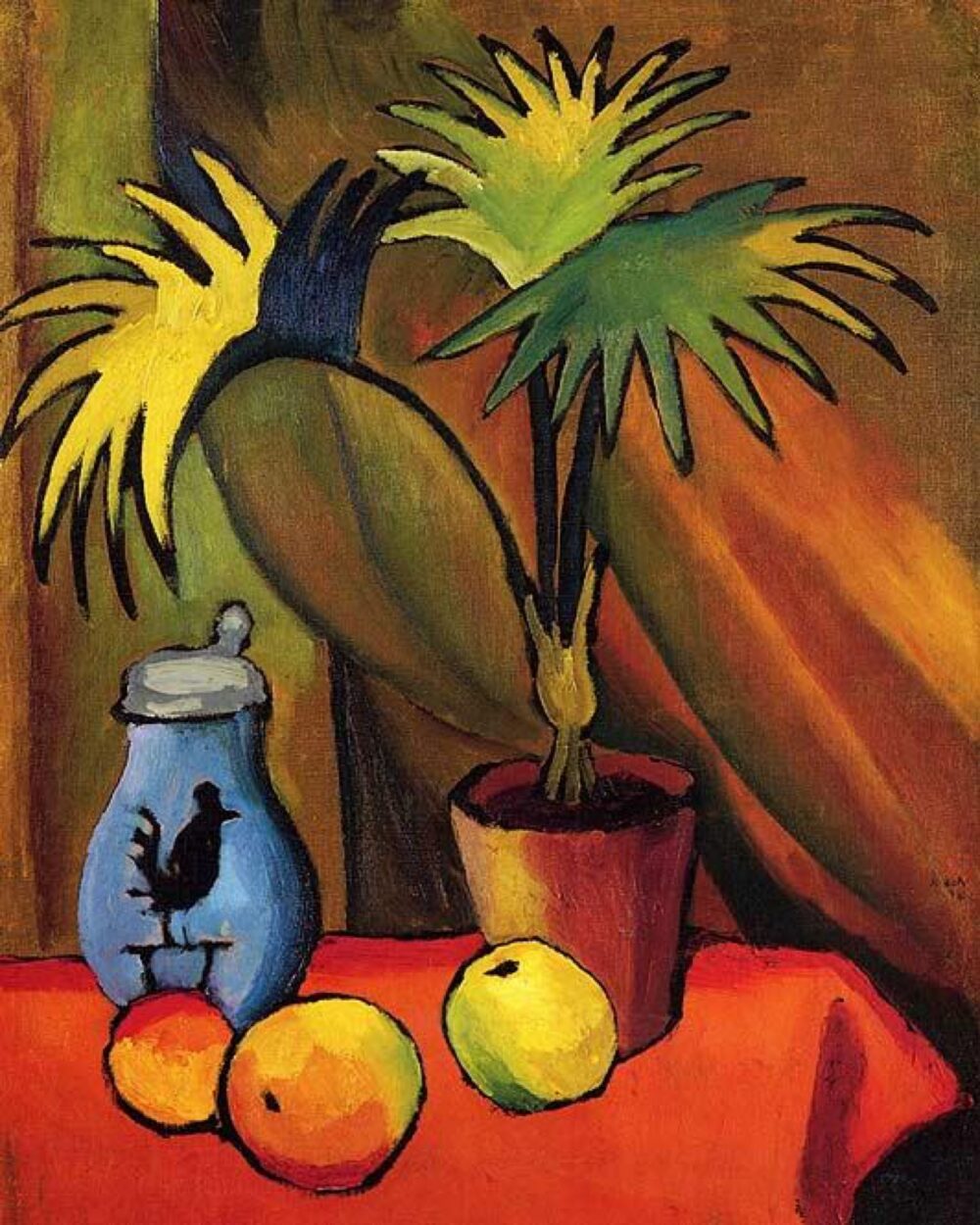
For US buyers furnishing a home, 16×20 usually means a single statement piece above a desk or small sofa. For small ecommerce businesses, it’s a core wall‑art size that ships easily and fits standard frames. DHgate positions itself as a place to access a wide range of art, including canvas prints, directly from manufacturers and artisans, but that breadth cuts both ways: you can uncover unique pieces and low wholesale costs, or you can bump into inconsistent print quality. The rest of this guide focuses on how to use DHgate deliberately so you know which scenario you’re walking into.
What 16×20 Canvas Art and Prints Buyers Really Need from DHgate
“16×20 canvas art and prints” typically refers to wall art printed on canvas (wrapped around a wooden frame or sold as a flat sheet) measuring about 16 by 20 inches. It covers everything from abstract color blocks and typography to photographic cityscapes and nature scenes.
On DHgate, art‑category editorial content highlights that you can browse and compare multiple sellers, with prints available on materials like canvas or paper and a wide range of themes. That’s useful if:
- You want variety beyond big US retail chains.
- You need multiple designs in the same 16×20 format for a store, Airbnb, or office.
- You care about wholesale or bulk pricing and can tolerate some trial‑and‑error.
Where DHgate is less ideal is highly time‑sensitive or brand‑critical decor projects where you can’t afford surprises on color accuracy or print sharpness. For those, domestic print‑on‑demand or gallery vendors often offer clearer quality expectations.
Step‑by‑Step: Searching and Filtering 16×20 Canvas Art on DHgate
DHgate’s shopping guidance centers on three tools: the search bar, filters, and product listings with specs, prices, and ratings. Here’s how to apply that specifically to 16×20 canvas art.
1. Start with focused keywords
Use the search bar on dhgate.com and combine the size with format and style terms, for example:
- `16×20 canvas wall art`
- `16×20 canvas print abstract`
- `16×20 canvas photo print cityscape`
If your audience is niche, add that too: `16×20 canvas botanical`, `16×20 canvas motivational quote`, etc. The aim is to avoid generic “canvas art” results that mix many sizes.
2. Use filters to narrow material and category
Once you have results, use DHgate’s filters to push out noise:
- Category/department: Pick art, home decor, or wall art categories if they appear. This steers away from unrelated items that happen to mention “canvas.”
- Material or type: Select canvas when possible, or rule out paper posters if you specifically want stretched canvas.
- Price range: Set a range that fits your budget per piece or per test batch, but remember prices vary by seller and promotions.
DHgate’s own buyer tips encourage comparing prices and watching for discounts or coupons. For wall art, that’s especially useful if you’re sourcing several designs from the same seller.
3. Read the listing details with size in mind
On each product page, DHgate says listings should include specifications, images, prices, and seller ratings. Use that structure to confirm:
- Exact dimensions: Look for 16×20 spelled out in inches and centimeters. If the listing offers size options, double‑check that 16×20 is one of them and what the seller calls it (e.g., “40x50cm”).
- Canvas style: Is it a stretched gallery wrap, a rolled canvas, or a flat print meant for framing? This affects both perceived quality and shipping complexity.
- Print type: Note whether it’s photographic, digitally illustrated, or mimics oil/acrylic paint. Abstract prints are usually more forgiving of small color shifts than detailed photography.
If the dimensions aren’t clearly listed, treat that as a red flag and move on or message the seller for confirmation.
4. Short‑list 3-5 candidates instead of one
Using DHgate as a discovery tool works best if you compare several sellers before you buy. To avoid generic browsing that leads to impulsive choices, deliberately build a short list of 3-5 listings that meet your size and style criteria.
Here’s a simple way to track them:
| Shortlist slot | Style focus | Size clarity (16×20) | Canvas type |
|---|---|---|---|
| 1 | Abstract color blocks | Clearly listed | Stretched gallery |
| 2 | Cityscape photograph | Option in dropdown | Rolled canvas |
| 3 | Botanical illustration | Listed in cm only | Stretched or framed? |
| 4 | Typography/quotes | Multiple size options | Flat print for frame |
| 5 | Minimalist line art | Needs seller confirm | Stretched gallery |
Using a quick table like this keeps you focused on the specific 16×20 requirement rather than just the design.
Vetting DHgate Canvas Art Sellers and Deciding When to Look Elsewhere
Finding listings is only half the job. DHgate’s own ecommerce sourcing guidance urges buyers to evaluate suppliers using ratings, reviews, transaction history, and samples before committing to larger orders. For canvas wall art, those steps are where you protect yourself.
Read ratings, reviews, and feedback patterns
DHgate product listings display seller ratings and buyer reviews that future buyers can read. Focus on:
- Volume and recency: Sellers with a meaningful number of completed transactions and recent feedback are easier to judge than near‑empty profiles.
- Art‑specific comments: Look for mentions of print sharpness, color accuracy, canvas thickness, and how well the piece matched photos.
For wall art, vague “good seller” comments are less helpful than detailed notes about how the print looked on the wall.
Use an independent seller checker for a first read
If you’ve found a promising 16×20 listing but aren’t sure about the seller, third‑party tools like the DHgate Seller Checker can provide a quick risk snapshot. This tool reviews the seller’s feedback, transaction history, product type, and review quality to flag potential issues.
Treat it as a first filter, not a guarantee. If the checker suggests higher risk, you can:
- Stick with small personal orders instead of stock for your store.
- Look for alternative sellers offering similar designs.
- Move the project to a different sourcing channel entirely.
Order samples before bulk or store inventory
DHgate’s ecommerce sourcing advice specifically recommends requesting or ordering samples to test product quality before larger commitments. For 16×20 canvas art, sample strategy might look like this:
- Personal decor: Order 1-2 pieces from your top seller to see real‑world color, canvas feel, and edge wrap.
- Small ecommerce store: Order a small batch (for example, one of each design you plan to sell) from one or two sellers, then photograph them yourself for product pages.
If the samples arrive with muddy colors, flimsy canvas, or poor wrapping, you’ve lost a small test cost instead of an entire inventory budget.
When DHgate is not your best route
DHgate shines for variety and direct access to manufacturers, which can be valuable if you:
- Need many designs at a similar price point.
- Are comfortable iterating through samples and seller vetting.
It’s less compelling when:
- You’re on a tight deadline and can’t risk supplier changes or unexpected production issues.
If your project sounds more like those constraints, DHgate can still be a research tool for style ideas, but your actual purchases may be better placed with US‑based printers or marketplaces.
If you do move ahead on DHgate, it’s worth understanding the marketplace itself via What DHgate is and how the marketplace works, reviewing how to find trusted sellers on DHgate, and using the DHgate order-readiness checklist before you hit pay. For 16×20 canvas art, those three steps are your best defense against disappointing prints.