
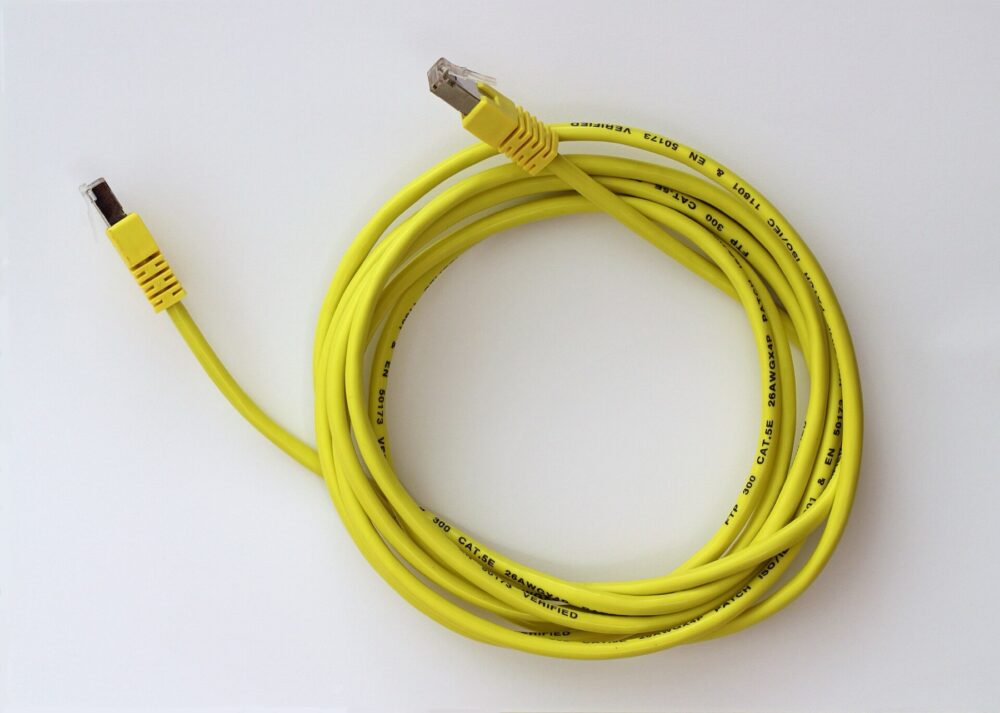
Slim Ethernet patch cables make sense when you need short, flexible connections in tight spaces: between your router and a switch under the TV, between patch panels and gear in a rack, or behind a crowded office desk. For typical home or small office runs under roughly 20 feet, a well‑built slim Cat5e or Cat6 patch cord usually gives all the performance you’ll ever see, while freeing up airflow and space. DHgate can be one of several places to compare these cables, especially for bulk cross‑border buys, but it’s only worth your time if you already know the specs and build you’re looking for.
What Slim Ethernet and Patch Cables Are Good For
A slim Ethernet patch cable is just a thinner version of a standard Ethernet cord used for short, device‑to‑device connections. Instead of the common 24 AWG conductors and thicker jacket, slim cords often use smaller gauge conductors (like 28 AWG) and a narrower outer jacket so more cables can fit in the same space.
These cables typically shine in:
- Dense racks – running many short leads from patch panels to switches or servers. Slim cords help with cable management and airflow compared with standard cords bundled tightly together.
- Behind desks and TVs – where you’re plugging a few devices into a switch or wall jack and don’t want a bulky cable snake.
- Portable setups – laptop to docking station, temporary test rigs, or demo gear where flexibility matters.
They’re not usually used for long permanent runs through walls or ceilings. Over longer distances, the smaller conductors and tight bundling can increase attenuation (signal loss) and make physical damage more likely if the cable is pulled or crushed. For structured cabling and longer links, standard‑diameter cable is still the typical choice.NetPatch’s reliability guide discusses these trade‑offs in more detail.
Here’s a quick feel‑based comparison:
| Scenario | Better default choice | Why |
|---|---|---|
| Router to PC in same room | Slim or standard patch cord | Short distance; choose slim if you care about clutter. |
| Switch to patch panel in rack | Slim patch cord | Many cables in a small space; airflow and routing help. |
| Through wall to another room | Standard solid cable run | Longer distance; more robust and less attenuation. |
| Under‑desk mini switch | Slim patch cord | Flexible, easy to route around furniture. |
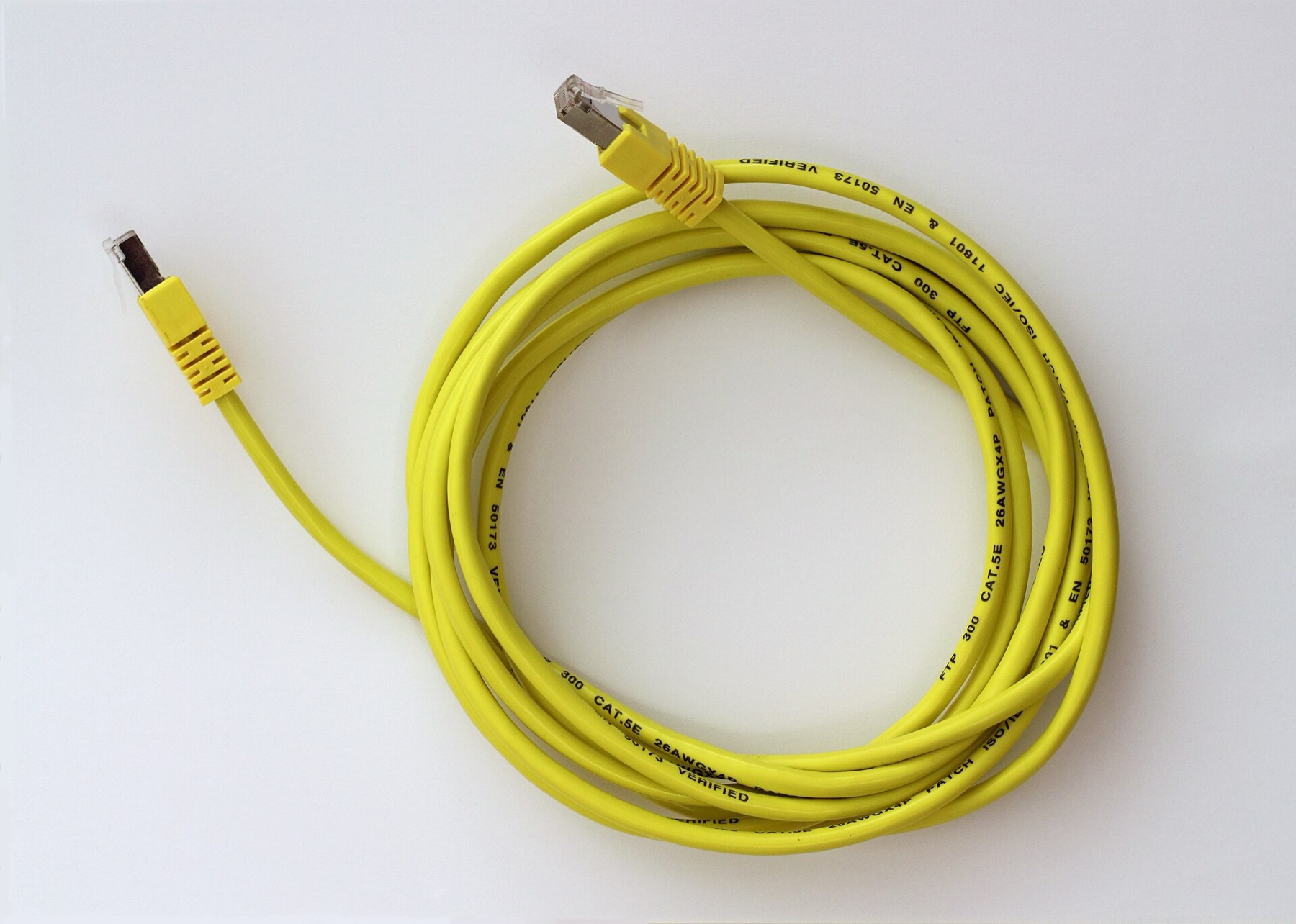
Key Specs to Compare When Choosing Slim Patch Cords
You’ll see a lot of jargon in slim cable listings. These are the specs that actually affect fit and reliability.
1. Cable category (Cat5e, Cat6, Cat6a, etc.)
For short patch runs under about 20 feet in a home or small office, Cat5e or Cat6 is usually enough to support the fast speeds your devices and internet connection can realistically use.Intellinet’s Ethernet guide and many networking threads echo that you rarely need to jump higher just for short patch cords.
Use this simple rule:
- Cat5e slim patch cord – fine for up to 1 Gbps in most everyday networks.
- Cat6 slim patch cord – a common “sweet spot” for gigabit and many 2.5G setups; widely available in slim designs.
- Cat6a or above – mainly relevant in specialized setups (10G, data center) and more often found in standard‑diameter builds.
If you don’t have 10G switches or NICs, a slim Cat6 patch cable is usually the practical choice.
2. Conductor gauge (AWG) and reliability
AWG (American Wire Gauge) describes conductor thickness: higher numbers mean thinner wire. Slim patch cords often use 28 AWG copper to keep the cable small compared with 24 AWG in many standard cords.
Thinner wire has trade‑offs:
- Pros – more cables in the same space, lighter, more flexible.
- Cons – more attenuation over distance, and the cable can be a bit more fragile if bent sharply or abused.
Editorially, a good rule is:
- Use slim 28 AWG cords for short, accessible links (rack patching, desktop gear).
- Prefer standard‑diameter cable for anything long, hidden, or hard to replace.
As NetPatch notes, slim patch cords can be reliable when they’re properly specified and used for short connections, but long bundles or rough installation increase the chance of signal loss and physical damage.Slim reliability discussion.
3. Shielding type
Listings will mention UTP (unshielded twisted pair) or various shielded constructions.
For most US homes and small offices:
- UTP slim Cat5e/Cat6 cables are widely used and typically adequate. They’re cheaper, more flexible, and easier to route.
- Shielded slim cables are more niche, used where there’s heavy electrical noise or specific equipment requirements.
If your existing network uses unshielded cabling and you’re not installing next to high‑power motors or industrial gear, stick with UTP slim patch cords.
4. Length
With slim cables, keeping runs short matters more than with standard cable because of attenuation.
Practical guidance:
- For a desk or rack patch cord, buy the shortest length that reaches cleanly with a gentle bend radius.
- If you start approaching longer runs (dozens of feet), think about switching to standard‑diameter patch cords or a proper fixed cable run with jacks.
Avoid over‑ordering length “just in case” on slim cords; coils of excess thin cable can become messy bundles and worsen signal loss when tightly tied.
5. Jacket and build quality
Build quality is easier to judge in person, but there are a few cues you can look for online:
- Strain relief around the RJ45 plug – a proper molded strain relief reduces stress on the conductors, especially in thinner cable.
- Snagless boots – useful in racks or tight spaces so the latch doesn’t catch on other cords.
- Clear description of materials – many specialist and wholesale slim‑cable collections (for example, slim Cat6 UTP lines from BridgeWholesale) spell out jacket type and gauge.
If you’re buying for a small ecommerce business and plan to resell or bundle cables, consistency in color, length labeling, and boot style can matter as much as raw electrical performance.
Where Slim Patch Cables Are Sold and How DHgate Compares
You don’t have to hunt obscure corners of the internet to find slim patch cords; they’re now common across several channel types.
- General retailers – Big‑box electronics and broad e‑commerce platforms carry consumer‑oriented slim Cat6 patch cables in popular lengths. These are convenient for one‑off home or office buys.
- Networking specialists – Brands and distributors focused on infrastructure (like those covered in NetPatch’s rack patch cable guide) offer curated slim lines tuned for rack density, with clearer spec sheets and often better documentation.
- Wholesalers – US‑facing wholesalers such as BridgeWholesale list slim Cat6 UTP in multiple colors and lengths, aimed at installers and resellers.Slim Cat6 UTP collection
DHgate sits in a different bucket: cross‑border marketplace. Instead of a single brand, you’ll see many independent sellers listing slim Ethernet cables and related gear. That can be useful when:
- You’re sourcing in bulk for a small ecommerce business and want to compare styles, colors, or packaging options from overseas makers.
- You have flexible timelines and care more about per‑unit cost and variety than about buying a familiar brand.
Because DHgate is a marketplace, any decision relies heavily on the individual listing’s specs and photos. There’s no product‑API evidence here confirming specific slim cable inventory, so you should treat DHgate as a secondary comparison channel after you’ve nailed down what you need (category, AWG, shielding, length, build) and seen a few examples from more transparent specialist or wholesale suppliers.
For additional DHgate platform context, use Review the DHgate order-readiness checklist.
If you decide DHgate may be worth exploring, it’s useful to first understand the marketplace itself via What DHgate is and how the marketplace works and then, separately, think about seller‑level checks using Find trusted sellers on DHgate. That way you’re combining good technical choices on slim patch cables with realistic expectations about cross‑border sourcing.