
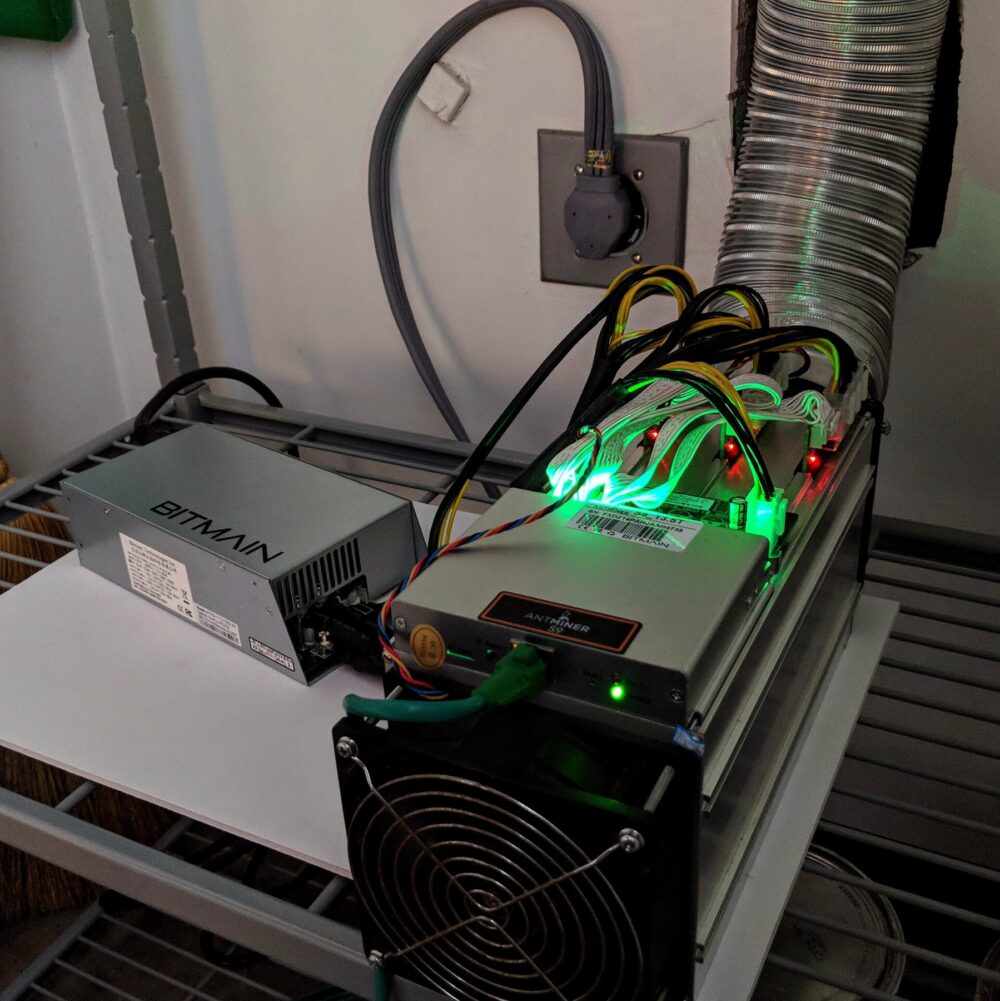
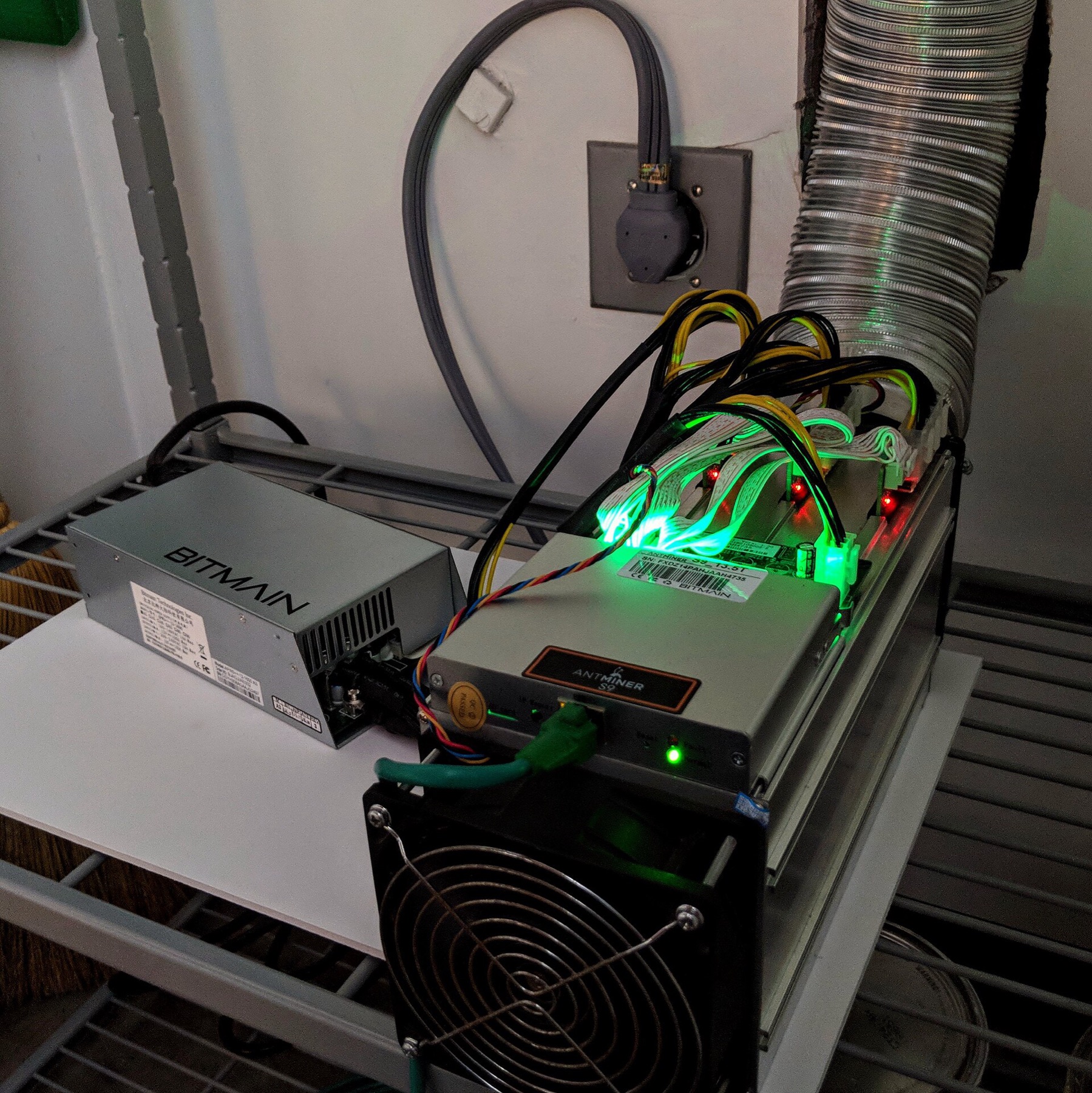
Antminer L3 and L3+ are older, Scrypt‑algorithm ASIC miners designed mainly for Litecoin and Dogecoin. In 2026 they’re no longer competitive farm hardware, but they still make sense for low‑budget, hobby, or test rigs. To choose between them, you should focus on hash rate, power draw, and condition (used vs refurbished vs parts), then compare specific listings across specialist miner shops, broader marketplaces like Newegg, and cross‑border platforms such as DHgate.
For most Canadian and US buyers today, an L3/L3+ is a way to learn ASIC mining, run a small demo, or experiment with firmware—not a way to chase top‑tier returns. The L3+ typically delivers around 504 MH/s of Scrypt hash rate at about 800 W of power consumption, making it relatively modest compared with modern L7‑class miners but still usable where electricity is affordable and expectations are realistic.
What Antminer L3 and L3+ Actually Are and Who They Suit Today
Antminer L3 and L3+ are Bitmain ASIC miners built for Scrypt coins such as Litecoin (LTC) and Dogecoin (DOGE). The L3+ variant is the more common choice today: guides and spec sheets describe it at roughly 504 MH/s of hash rate with around 800 W of power draw at the wall, depending on settings and PSU quality.D-Central specs and other hardware guides place both models firmly in the “legacy Scrypt” category.
Because these machines date back to 2017, profitability analyses now frame them as legacy or second‑line hardware: viable for hobbyists, educational labs, and small crypto shops that need a cheap test rig, but not ideal for large‑scale mining farms trying to compete with modern high‑efficiency gear.BitcoinMiningDepot’s L3+ math underscores this, treating power costs and hash rate as constraints rather than strengths.
L3/L3+ still make sense if:
- You want a physical ASIC to learn pool configuration, firmware updates, and maintenance.
- You have limited capital and just need a starter machine for Scrypt mining.
- You run a crypto business and need a demo unit for customers or staff training.
They are a poor fit if you expect farm‑scale profitability, have high electricity rates, or lack somewhere to put a loud, heat‑producing box.
L3 vs L3+: Variants, Bundles, and Real Trade‑offs
Across spec sheets and listings, several practical differences matter more than the model name itself: hash rate, power use, condition, and whether you’re buying a full miner or just parts.
Here’s a compact comparison of typical options you’ll see:
| Option type | Example spec profile* | What you actually get | Best fit use case |
|---|---|---|---|
| Standard L3+ full unit | ~504 MH/s, ~800 W | Complete miner, often with PSU | Hobby mining, test rig, learning ASICs |
| Standard L3 full unit | Slightly lower MH/s than L3+ | Complete miner, older generation | Very budget‑constrained experimentation |
| Refurbished L3/L3+ | Similar hash rate, tuned power | Cleaned/repaired used unit, sometimes PSU | Longer‑term hobby use on a tighter budget |
| Used / “as‑is” L3/L3+ | Varies; may have degraded boards | Previously deployed miner, wear visible | Repair projects, spare‑parts harvesting |
| Hash boards / bare chassis | Depends on board count | Partial hardware, no full PSU or case | Shops doing repairs or custom builds |
\*Spec profiles are approximate and based on common listings and guides.
Retailers such as Millionminer and various hardware guides highlight that L3/L3+ units are frequently sold refurbished or used, often with notes about cleaning, replaced fans, or swapped hash boards. It’s also common to see listings that include a PSU and others that explicitly do not, or that sell only hash boards.
For a Canadian home hobbyist, the smartest trade‑off is usually:
- Prefer a complete L3+ unit over the older L3, so you start at the common ~504 MH/s level.
- Check whether the PSU is included; buying it separately raises your effective cost and adds compatibility questions.
- Stay away from “parts only” or single hash‑board listings unless you’re comfortable with diagnosis and repair.
Noise and power also matter. At ~800 W, an L3+ will draw a noticeable chunk of a typical 15A 120V circuit; you’ll want to keep it on a dedicated outlet and account for local power prices. Noise levels are high enough that most buyers end up putting the unit in a basement, garage, or small workshop rather than an office.
Matching L3/L3+ Specs to Your Situation
Guides focused on legacy ASICs emphasize a few criteria when you evaluate an L3 or L3+ option: hash rate, wattage, efficiency, and hardware condition.BitcoinMiningDepot’s L3 guide frames these as the main levers.
For practical decisions:
- Hash rate vs. power: If two units both claim ~504 MH/s, but one has been underclocked for ~700-750 W to reduce heat and noise, that may better suit a Canadian home miner with higher electricity costs.
- Condition: “Refurbished” usually means a used unit that’s been cleaned and had obvious failures repaired. “Used” with no refurb detail can range from fine to heavily worn. Crypto shop owners building a demo rack may favor refurbished units for reliability.
- Firmware: Some L3+ units ship with stock firmware; others are flashed with optimized firmware for better efficiency or different pools. If you plan to experiment, ask which firmware is onboard and whether you can change it.
For cross‑border buyers in Canada, also consider:
- Power standards: Most L3/L3+ PSUs work on 110-240V, but you should confirm the input range and plug type. You may need adapters or a PDU if you’re building a small rack.
- Placement and noise: These miners are loud enough to be a problem in multi‑unit buildings. Make sure you actually have a room where 24/7 fan noise is acceptable.
Where to Look for L3/L3+ and How DHgate Compares
Because L3/L3+ are legacy models, availability is broad but fragmented. You can find them across specialist mining hardware retailers, second‑hand channels, and general marketplaces.
Specialist sites like BitcoinMiningDepot often combine educational guides with sales of refurbished or used units. European and global retailers such as Millionminer list specific L3+ configurations, sometimes with bundled PSUs. General tech marketplaces like Newegg can also carry L3/L3+ hardware or small multi‑unit packages, though stock comes and goes.
DHgate sits alongside those as a cross‑border marketplace where independent sellers may offer L3/L3+ units, parts, or bundles. Because DHgate aggregates many different suppliers, you’d treat it as one discovery venue among several: search for exact model names (“Antminer L3+ 504MH/s”), compare hash rate and power specs, and pay close attention to whether a listing is for a full miner or just hash boards.
If you lean toward DHgate for its wide supplier pool, it’s worth pairing that search with broader marketplace and specialist‑shop checks. That way, you’re comparing like‑for‑like: same model, similar condition, with or without PSU. For help understanding DHgate itself before you commit to a cross‑border order, you can read What DHgate is and how the marketplace works and run any shortlisted seller through the steps in Find trusted sellers on DHgate.
If L3/L3+ Don’t Quite Fit, What’s Next?
After you compare specs, bundles, noise, and power draw, you may decide L3/L3+ are still too power‑hungry or underpowered for your goals. That’s a valid outcome.
From there, your options are:
- Use an L3/L3+ purely as a training box for staff or personal education, while planning more modern hardware for actual mining.
- Skip L3/L3+ entirely and look at newer Scrypt miners, using the same criteria—hash rate, watts, and condition—to keep expectations grounded.
- Explore hosted mining or cloud‑like services if you care more about exposure to Scrypt coins than about running hardware.
For additional DHgate platform context, use Review the DHgate order-readiness checklist.
The key is to treat L3/L3+ as legacy tools with niche strengths: they’re cheap, widely available across platforms (including DHgate), and well‑documented in repair and tuning guides. Used that way, they can be a smart purchase—even if they’re not your forever miner.