
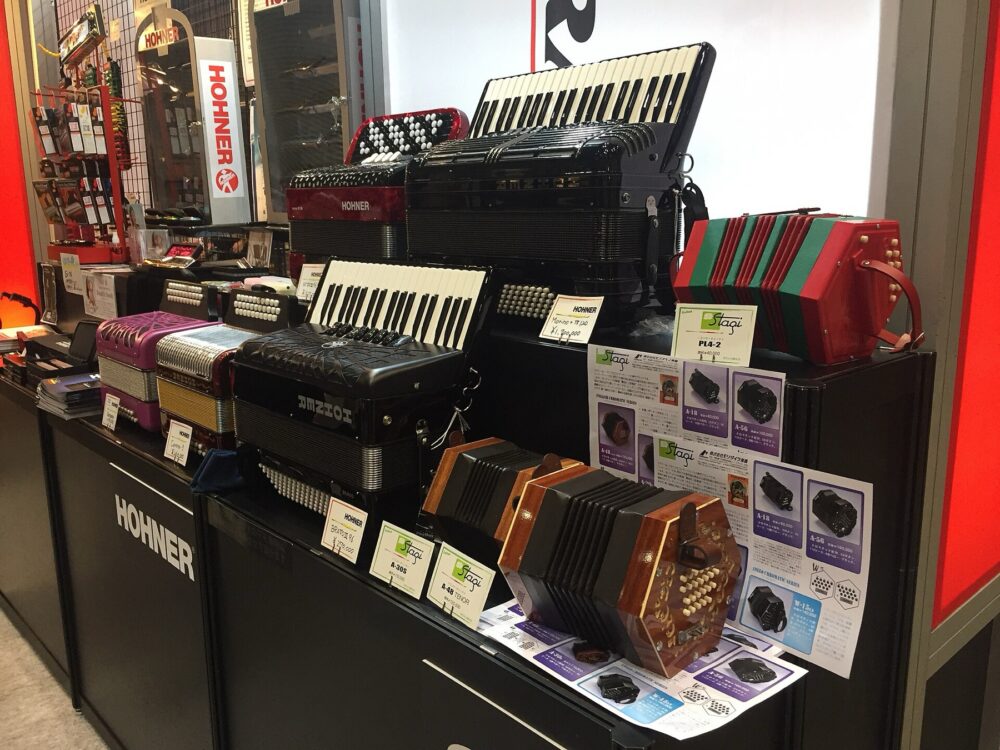
If your goal is a playable, affordable accordion, your best bets online are specialist accordion shops and large music retailers. They focus on instruments that arrive properly set up and ready for real use. Marketplaces and B2B platforms—eBay, Reverb, Made‑in‑China, and a cross‑border marketplace like DHgate—can surface cheaper or bulk accordion options and parts, but they require more work: you’re evaluating each listing and seller yourself, and the range skews toward mass‑produced instruments.
Below is how to choose the right channel for your situation, whether you’re buying one accordion to learn on or sourcing stock for a small ecommerce business.
What Counts as a “Playable” Affordable Accordion Online?
An accordion is a bellows‑driven free‑reed instrument with keys or buttons; you push and pull the bellows while pressing notes to get sound. It shows up in everything from Tex‑Mex and conjunto to polka, French musette and Balkan folk, which is why online inventories look so varied.
For online buyers, “affordable but playable” usually means:
- The bellows are airtight enough that you don’t fight for sound.
- Reeds speak consistently across the keyboard or button rows.
- The keyboard/buttons and bass side aren’t so stiff or uneven that they block learning.
Specialist retailers such as Emilio Accordions and Accordion Gallery focus heavily on this playability threshold. Emilio highlights handcrafted Italian instruments, including Bugari, plus selected pre‑owned models. Accordion Gallery emphasizes curated, pre‑owned accordions with detailed descriptions and photos. These kinds of shops tend to weed out purely decorative or unserviceable instruments before listing them.
By contrast, general marketplaces and big‑box sites will show everything the sellers upload: student boxes, toy‑level accordions, vintage pieces in unknown condition, and serious pro instruments all mixed together. Your main job is separating the genuinely playable from the rest.
Key Buying Factors: Matching Accordion Type, Quality and Channel
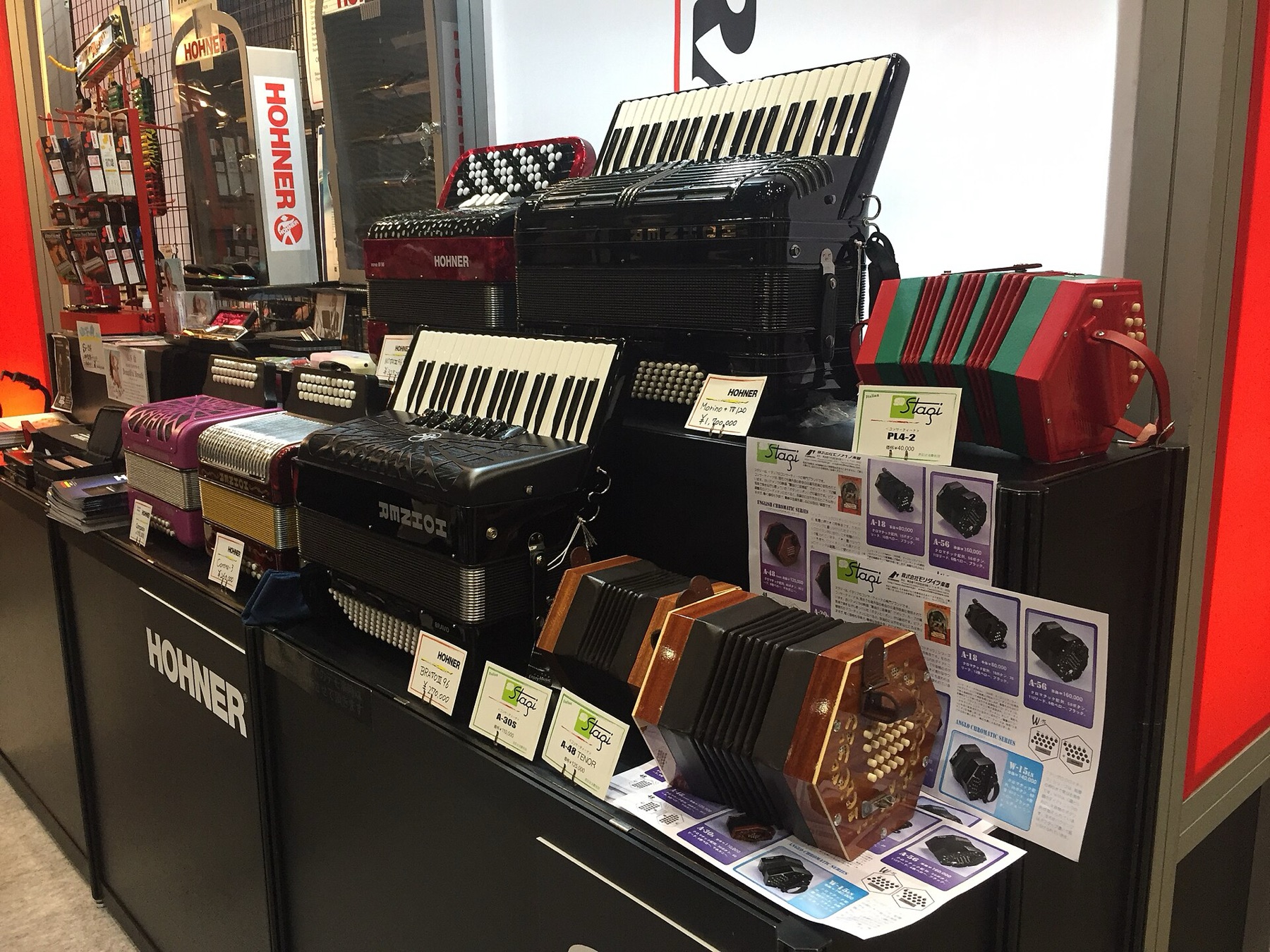
The main accordion categories you’ll run into online are:
- Piano accordions – right‑hand piano‑style keyboard, common for pop, classical, and many folk styles.
- Button accordions – small buttons instead of piano keys; can be diatonic (different notes on push/pull) or chromatic (same note both directions), used heavily in folk and regional traditions.
Once you know which type you need, three buying factors guide your channel choice.
1. Quality level and setup
- Handcrafted / Italian / pro‑grade: If you’re targeting Italian brands or high‑end chromatic instruments, specialist sites like Emilio Accordions and Accordion Gallery are built around that niche. You’re paying for curated stock and expert setup.
- Broad range, from starter to pro: Large music retailers such as Thomann list many accordions from entry‑level to professional models. That breadth makes them useful for comparing price brackets and features if you haven’t settled on a brand yet.
- Budget factory instruments and parts: On manufacturing‑oriented sites like Made‑in‑China and in the musical‑instrument section of DHgate, you’ll see accordions and related products from Chinese wholesalers, primarily aimed at budget buyers and bulk orders. These can make sense if you’re willing to vet each supplier, request detailed specs, and accept more variability in setup and materials.
For a single first instrument, most US buyers will get a more predictable result from a specialist or large music retailer than from a random factory listing.
2. New vs used/vintage
- New accordions: Thomann and similar retailers, plus many brick‑and‑mortar shops with online storefronts, focus on new instruments with manufacturer branding clearly presented.
- Used/vintage models: Reverb has dedicated listings for used and vintage accordions from individuals and small shops, which is handy if you’re chasing an older Italian brand or a discontinued student model. Specialist sites like Accordion Gallery also lean into restored vintage stock.
Marketplace listings for used instruments require extra diligence—look for detailed internal photos, reed‑block descriptions, and any mention of recent servicing.
3. Price point and risk tolerance
Your budget and risk tolerance push you toward different channels:
- Under a few hundred dollars and you just need something to experiment with: you’ll hit mass‑produced accordions on Walmart’s online catalog, which focuses on lower‑priced instruments and popular models such as the Hohner Panther, and similar chains.
- Mid‑range student or gigging instruments: Thomann and regional accordion dealers give you a clearer idea of what you’re paying for, with brand, size and configuration laid out so you can compare.
Where to Find Accordions Online: From Niche Shops to B2B Platforms
Here’s how the main channel types line up for US buyers and small ecommerce sellers.
| Channel type | Examples | Best for buyers | Best for small resellers |
|---|---|---|---|
| Specialist accordion shops | Emilio Accordions, Accordion Gallery | Serious beginners, upgrades, Italian and curated vintage | High‑touch, small inventory; premium focus |
| Big music retailers | Thomann | Comparing broad new‑instrument ranges | Occasional resale; not true wholesale |
| Mass‑market retail | Walmart accordion category | Entry‑level, popular budget models | Testing demand with low‑cost stock |
| Used/vintage marketplaces | Reverb accordions, eBay sellers like Nick’s Accordion Gallery | Hunting specific models, older brands | Niche vintage inventory; case‑by‑case |
| B2B manufacturing platforms | Made‑in‑China accordion listings | Less suitable for one‑off buyers | Bulk orders of budget factory accordions |
Scenario: Buying Your First Accordion
If you’re a US‑based player buying one first instrument:
- Start with big retailers like Thomann to learn the basic size, keyboard/button layout, and price tiers for new accordions.
- Cross‑check with specialist shops (Emilio, Accordion Gallery) if you can stretch your budget; you may find better‑set‑up pre‑owned instruments there.
- Use Walmart‑style mass retailers only if your priority is low cost and you’re comfortable that the instrument may feel more like a student box than a long‑term partner.
Scenario: Upgrading to a Quality Italian or Niche Folk Instrument
For a serious upgrade:
- Focus on specialist accordion dealers—Emilio and Accordion Gallery if you’re eyeing Italian instruments, plus smaller shops highlighted in your local scene.
- Check Reverb and eBay for specific vintage brands, but treat them as case‑by‑case purchases: dig into photos, descriptions and seller history.
Scenario: Small Ecommerce Store Stocking Budget Accordions
If you’re sourcing accordions to resell:
- Use Made‑in‑China and similar platforms to identify factories making accordion lines in your target price bracket.
- Consider DHgate’s musical‑instrument section or equivalent B2B marketplaces when you need small‑lot or mixed‑model orders rather than full OEM contracts.
- Build your own screening process: compare multiple suppliers, request samples, open the accordions to inspect reed work and bellows, and decide which models you’re willing to support.
If you reach the point where DHgate looks relevant, it can help to understand how that marketplace itself works and how to vet individual sellers. DHgateWiki has separate explainers on what DHgate is, how to find more trusted sellers on DHgate, and an order‑readiness checklist before checkout. Use those as process tools; your core quality decisions for accordions still revolve around instrument type, setup level and channel fit.