
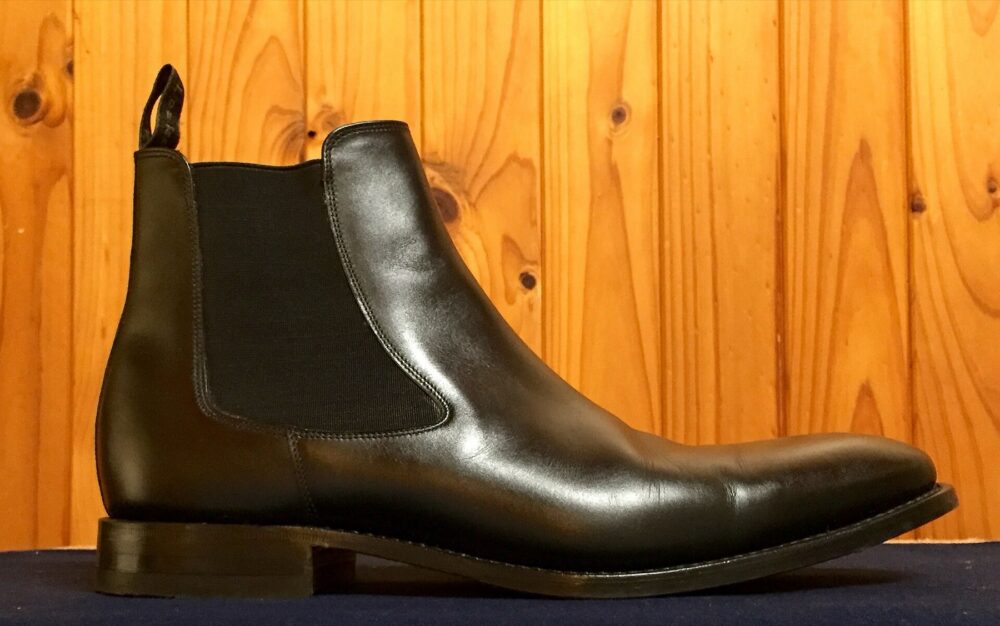
If you want barefoot Chelsea boots you can walk in all day, your most reliable options are specialist barefoot brands and dedicated retailers; general marketplaces are more of a careful treasure hunt. Australian buyers will usually get the best mix of fit, comfort and predictable quality from barefoot-focused brands like Shapen, Be Lenka or Aintap, sold either direct or via local retailers such as Barefoot Shoes Australia and OzBarefoot. Broad marketplaces — Etsy and DHgate included — can surface cheaper or more experimental “barefoot” Chelseas, but you have to judge each listing’s shape, sole and materials yourself instead of trusting the title.
For both individual buyers and small ecommerce businesses, the key is to know exactly what a barefoot Chelsea boot should look and feel like before choosing a channel.
What Barefoot Chelsea Boots Are and Why All‑Day Walkers Seek Them Out
A barefoot Chelsea boot keeps the classic slip-on silhouette and elastic side panels, but strips the design back so your foot can move as if you were barefoot. Product descriptions from barefoot brands highlight three core features:
- Wide toe box: the front of the boot is foot-shaped, letting your toes spread instead of tapering into a point.
- Zero-drop sole: the heel and forefoot sit at the same level rather than on a raised heel.
- Thin, flexible sole: the outsole bends easily and is much thinner than typical fashion boots, so you feel more of the ground.
Those specs aim at comfort and natural movement rather than a narrow, sharp fashion look. If you’re on your feet all day — retail work, city walking, commuting — the combination of a roomy toe box and flat, flexible base tends to feel less restrictive than standard Chelseas, which often squeeze the forefoot and pitch your weight forward.
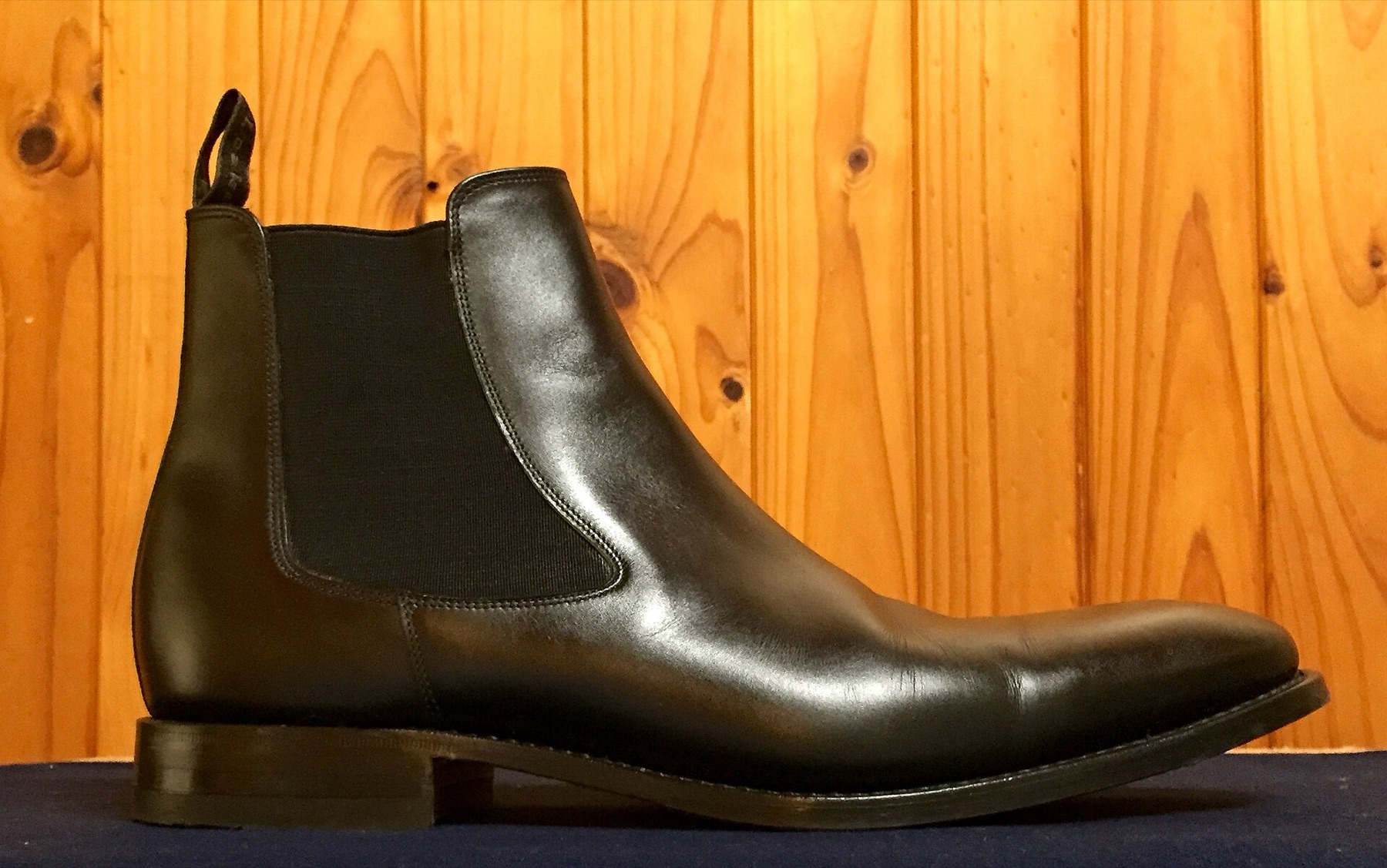
When you start browsing online, ignore vague “comfort” marketing and instead look for these concrete design cues in photos and descriptions. If the boot looks like a standard dress Chelsea once you trace the outline of the forefoot, it’s unlikely to be truly barefoot.
Types of Barefoot Chelsea Boots and How to Judge All‑Day Comfort
You’ll see several barefoot Chelsea variants once you dive into specialist brands and retailers.
1. Everyday leather Chelseas Brands like Shapen and Be Lenka offer sleek leather pairs aimed at urban wear — office, casual, travel. They usually combine a thin but protective rubber sole with soft leather uppers.
Comfort check: can you bend the sole in the product photos or videos, and does the toe box look almost rectangle-shaped at the front rather than almond-shaped? Shapen’s Victory Chelsea is a good visual reference: broad forefoot, straight inner edge, and minimal heel build-up.
2. More rugged or trail-leaning Chelseas Some brands offer chunkier tread patterns and slightly thicker soles for wet pavements or light trails. You’ll still see barefoot traits, but there may be more outsole texture and a bit more thickness.
Comfort check: make sure “extra grip” doesn’t quietly turn into a stiff, boot-like sole. Look for flexible demonstrations or reviewers mentioning ground feel.
3. Minimalist artisan styles Labels such as Aintap or Bespoky experiment with different sole constructions (rubber, EVA, leather) while keeping a wide, flat profile. For example, Aintap’s men’s barefoot Chelsea boot with 6 mm rubber sole stays thin, but is tuned more for durability than extreme minimalism.
Comfort check: pay attention to sole thickness numbers when given (e.g., 6 mm) and whether the boot is described for “barefoot” or “minimalist” wear. Thicker leather soles may feel firmer over a long day even if the boot is still flat and wide.
For long, standing-heavy days you generally want: wide toe box + zero drop + a sole flexible enough to bend in your hands, not just at the ball of the foot.
Best Online Channels to Buy or Source Barefoot Chelsea Boots (Including DHgate)
Once you know what you’re looking for, the next decision is where to shop. Different channels serve different needs — personal wear vs resale, local vs cross-border.
1. Specialist barefoot brands (direct websites)
Barefoot-first brands are the most straightforward place to get authentic barefoot Chelseas because every design starts from a foot-shaped last.
Non-exhaustive examples:
- Shapen – multiple Chelsea silhouettes, including Victory and Majesty, with clearly described barefoot specs (Shapen Victory via Barefoot Shoes Australia).
- Be Lenka – dedicated Chelsea lines in their barefoot boots category.
- Aintap – several men’s barefoot Chelsea and ankle boots with specific sole thicknesses, such as the 6 mm rubber sole Chelsea.
For Australian shoppers, buying direct from a European brand usually means cross-border shipping. That can be worthwhile for hard-to-find sizes or styles, but factor in potential duties and longer transit.
2. Australian barefoot retailers
If you’re in Australia and want easier logistics, local retailers that curate barefoot brands are a strong option.
Examples include:
- Barefoot Shoes Australia, which stocks Shapen barefoot Chelseas among other brands.
- OzBarefoot, which maintains a Chelseas collection page for multiple barefoot models (OzBarefoot Chelsea boots collection).
- Bprimal, which carries zero-drop options like the Lems Chelsea in a waterproof version for local buyers (Lems Chelsea boot at Bprimal).
These retailers simplify size conversion for AU customers and usually handle returns domestically, which is helpful if you’re still dialing in your barefoot size.
3. Global barefoot-focused shops
Outside brand-direct and AU sites, there are international curated shops (for example, BarefootYou, Barely Barefoot, Footfolk) that aggregate multiple barefoot labels, including Chelsea styles. They’re useful if you want to compare shapes or brands side by side before committing to a bulk order for a small store.
For a reseller, browsing a multi-brand boutique can clarify which lasts and aesthetics are resonating globally before you go hunting for wholesale or marketplace equivalents.
4. Mixed marketplaces like Etsy
Searches such as “barefoot chelsea boots” on Etsy turn up a mix of:
- Genuine barefoot designs with wide toes and flexible soles (often from small makers), and
- Conventional Chelseas that only borrow the “barefoot” keyword.
Because of that mix, you cannot rely on the listing title alone. Treat Etsy as a custom and niche design source, then zoom in on:
- Toe box shape in photos (do the toes splay or taper?).
- Sole thickness and materials listed.
- Whether the description explicitly mentions zero drop and flexibility.
This same caution applies if you’re sourcing to resell: mislabeling a conventional Chelsea as “barefoot” in your own shop will disappoint customers who are seeking a specific feel.
5. Broad value marketplaces, including DHgate
DHgate sits in the general marketplace bucket: a large, global platform with many independent sellers offering affordable boots in a wide range of styles. Editorial context about DHgate’s boot selection notes that it carries diverse, budget-friendly designs and that buyers rely on item descriptions and reviews to judge quality.
- Use search terms that combine “wide toe”, “flat sole”, and “barefoot”.
- Examine listing photos for a genuinely foot-shaped forefoot and a clearly flat profile.
- Read buyer photos and reviews to see how flexible the sole looks in real life.
If you don’t see explicit barefoot traits or convincing visuals, treat the listing as a conventional fashion Chelsea, even if the seller uses minimalist buzzwords. For Australian small businesses, DHgate may be more useful as a general boot sourcing platform than as a dedicated barefoot supplier; pair any DHgate hunt with stricter listing checks and, ideally, test orders before you describe stock as barefoot.
Quick channel fit snapshot
Here’s a compact way to think about your options:
| Channel type | Best for | Barefoot spec reliability | Typical price positioning* |
|---|---|---|---|
| Specialist barefoot brands | Personal all‑day wear, reference pairs | High | Mid to higher |
| AU barefoot retailers | Australian buyers, easier returns | High (curated barefoot) | Mid |
| Global barefoot boutiques | Comparing many brands, niche styles | High | Mid to higher |
| Etsy & artisan marketplaces | Unique aesthetics, small maker collabs | Mixed (check listing) | Wide range |
| DHgate & broad marketplaces | Value hunting, general boot sourcing | Mixed (check listing) | Usually budget‑oriented |
\*Price positioning is editorial judgment based on observed ranges, not a guarantee.
For all‑day walking, start with channels where barefoot specs are built into the product philosophy — specialist brands and barefoot-focused retailers — then layer in Etsy or DHgate only if you have a specific reason: unique styling, experimental sourcing, or tight budget constraints.
Matching Channels to Your Use Case
If you’re a single buyer aiming to replace everyday boots, it’s hard to beat buying one or two pairs from Shapen, Be Lenka, Aintap or an AU retailer and treating those as your baseline for fit and comfort.
If you’re a small ecommerce business in Australia, a common pattern is:
- Order reference pairs from specialist brands to understand lasts and customer expectations.
- Use AU retailers and global barefoot boutiques to gauge demand and typical styling.
- Only then explore value marketplaces (including DHgate) for complementary, clearly described wide-toe, flat-sole styles, with small test orders and honest product labeling.
That way, whichever channel you lean on, you’re still anchored to the core barefoot Chelsea specs that matter for walking all day: wide toe box, zero drop, and a sole that genuinely flexes in your hands.