
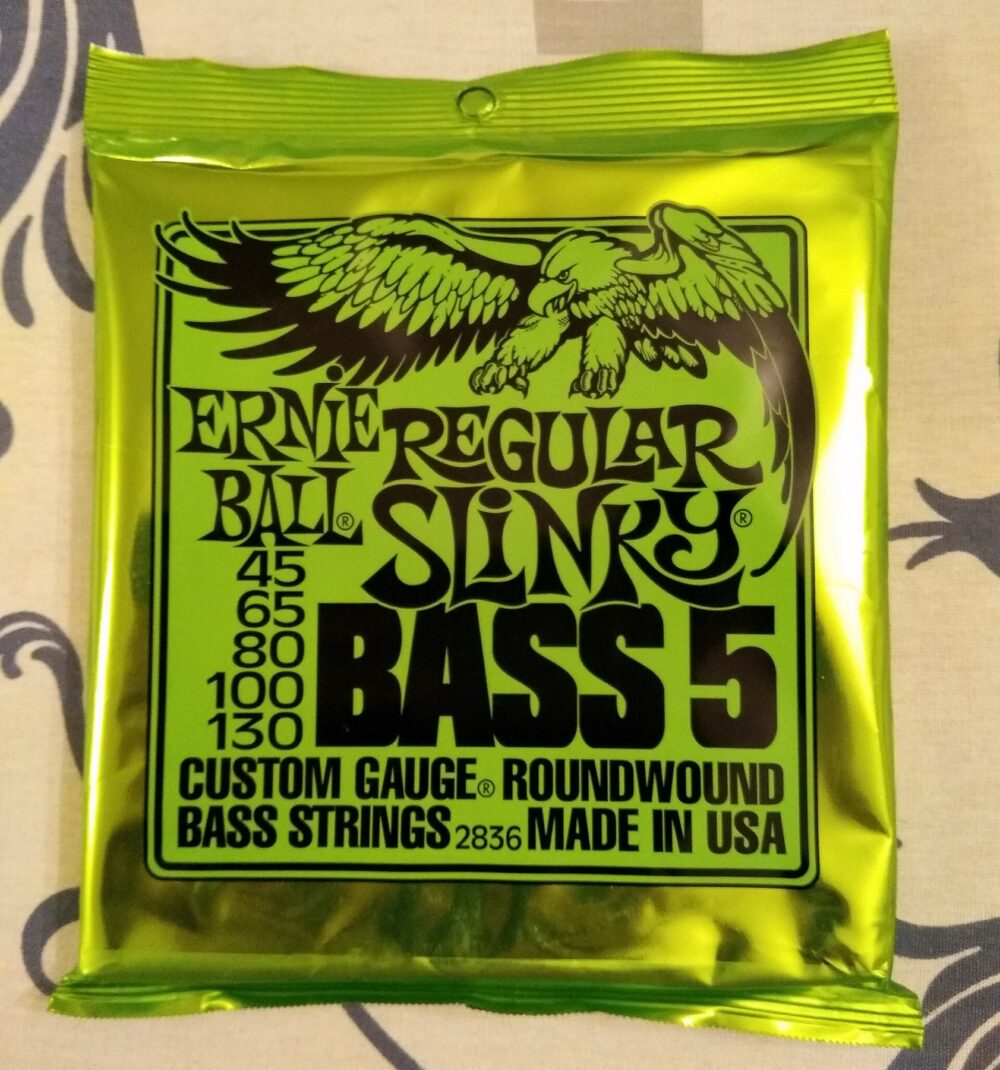
For a deep, beefy bass tone, your most reliable online options are mainstream music retailers and brand sites that clearly stock Ernie Ball and similar sets. Ernie Ball’s own store, Guitar Center, Sweetwater, and international shops like Gear4music all specialize in bass strings and make it easy to pick specific gauges and materials. DHgate can show guitar and bass strings from multiple sellers and even claims brand coverage like Ernie Ball in its blog, but it’s better treated as a secondary marketplace for bulk orders or lower-cost alternatives where you verify each listing carefully.
If you just want your bass to sound thicker and more powerful on stage or in a mix, stick to known brands and predictable channels first, then experiment with cross‑border marketplaces once you know exactly what works for you.
What Bass Strings You’re Actually Looking For (Deep, Beefy Tone)
A “deep, beefy” sound usually means three things: more low-end weight, a solid fundamental note, and less harsh top-end. You create that mostly with gauge, material, and winding style.
Gauge. Heavier gauges (for 4‑string bass, think roughly .050–.105 and up) usually feel stiffer and emphasize low end. Lighter sets (.040–.095) feel snappier but can sound less massive. Many “beefy but still playable” sets are in the 45-105 to 50-105 range.
Material. In broad terms:
- Nickel‑plated steel: balanced tone; full lows, present but not razor‑bright highs. Good default for thick, versatile tones.
- Stainless steel: more brightness and bite. Great for aggressive fingerstyle or slap, but can be less “round” if you’re chasing pure thump.
- Cobalt‑type alloys: designed for higher output and clarity; can feel more modern and punchy.
Ernie Ball’s bass range reflects these profiles. The company offers multiple families, including Slinky Nickel Wound, Slinky Cobalt, and Stainless Steel bass strings.Source Their Slinky Nickel Wound sets use nickel‑plated steel wrap on a hex‑core and come in common 4‑string gauges,Source making them a practical starting point if you want a strong low end without losing definition.
If you like that general feel but want alternatives, D’Addario, DR, Dunlop, GHS, and Rotosound all offer medium‑gauge nickel and stainless sets with similar tonal goals. For a truly old‑school, pillowy sound, you’d eventually look at flatwounds, but most players chasing “beefy” plus some attack stay on roundwounds.
Key Buying Factors Before You Click “Add to Cart”
Before you decide which site to buy from, lock in the specs and checks that matter most.
1. Gauge and scale fit
- Match the set to your bass’s scale length (most are long‑scale; some 5‑strings need extra‑long).
- Choose gauge based on feel and tuning. For standard EADG, a medium set (around 45-105) is a good balance of beefy tone and manageable tension. If you tune down (D standard, C), consider heavier gauges.
2. Material and coating
- Nickel‑plated steel: If you’re unsure, this is the safest starting point for a full but not overly bright sound.
- Stainless: Pick this if your rig or hands tend to sound dull and you want more cut.
- Cobalt/other alloys: Try these once you know you want extra output and a modern edge.
- Coated vs uncoated: Coated strings keep their tone longer but can feel smoother; uncoated feel more traditional and direct but age faster.
3. Brand authenticity and listing details
On mainstream retailers, you’re typically buying sealed, branded packs straight from known distributors. On multi‑seller marketplaces, you have to do more homework:
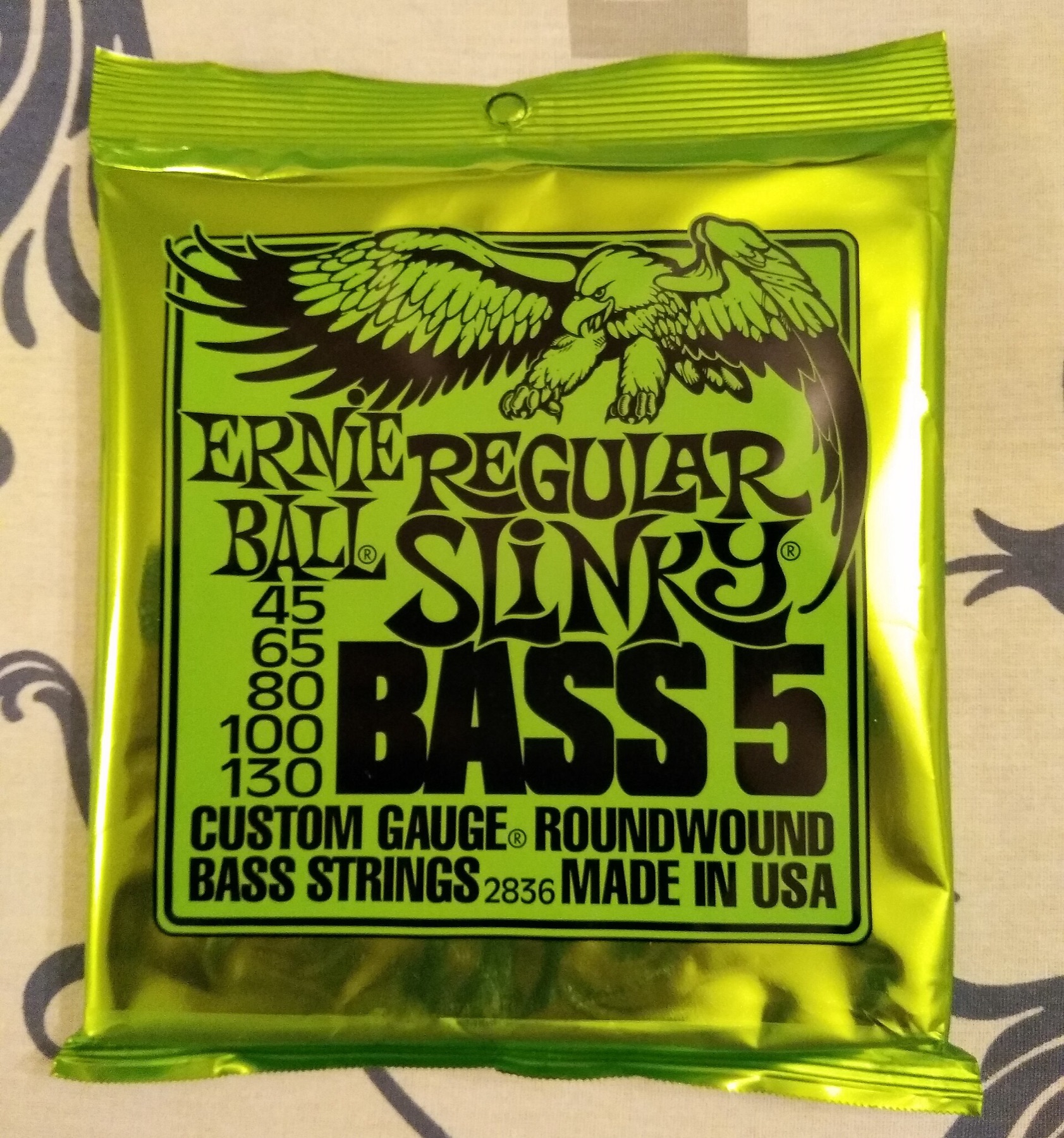
- Look for clear product photos of branded packaging (e.g., Ernie Ball’s Slinky artwork) and compare to images on the official Ernie Ball bass strings page.
- Read the materials and gauge section: it should match what the brand advertises. For Ernie Ball Slinky Nickel, that’s nickel‑plated steel on a hex‑core.
- Check for consistent naming (“Super Slinky 45-100” instead of vague “bass strings”).
4. For small resellers: think in terms of repeatability
If you’re stocking a small online shop or flipping strings locally, you need sets you can reorder consistently:
- Favor well‑documented SKUs (e.g., Ernie Ball 2834 Super Slinky) so buyers know exactly what they’re getting.
- Use channels that keep model names stable across shipments (major retailers, brand‑direct, or high‑volume distributors). This makes your product listings cleaner and reduces returns.
Best Online Channels for Ernie Ball & Other Bass Strings
Once you know the exact kind of string you want, choosing channels is about predictability vs experimentation.
Specialist music retailers (US‑focused)
If you’re in the US and want Ernie Ball or comparable brands with minimal fuss, specialist retailers are the straightforward choice.
- Guitar Center has a dedicated Ernie Ball bass guitar strings category for US buyers, so you can browse multiple Slinky sets and related lines in one place.Source
- Sweetwater, Music & Arts, and American Musical Supply similarly group bass strings by brand and gauge, making side‑by‑side comparisons easy.
These sites are strong for:
- Clear brand separation (Ernie Ball vs D’Addario vs DR).
- Reasonably fast domestic shipping for gig‑critical purchases.
- Consistent packaging and SKUs that match what you see on manufacturer pages.
Brand‑direct and international multi‑brand shops
If you want the latest models or single‑string options, going closer to the source can help.
- Ernie Ball direct: Their bass section shows the full family (Slinky Nickel, Cobalt, Stainless, singles, and various string counts), so it’s useful for confirming specs even if you end up buying elsewhere.Source
- Gear4music carries Ernie Ball bass strings as part of a wider multi‑brand catalog for international buyers, which is helpful if you’re sourcing from or shipping to Europe or beyond.Source
These channels shine when you:
- Need less‑common sets (like 6‑string or specific hybrid gauges).
- Are ordering from outside the US and want transparent regional availability.
Big‑box marketplaces (Amazon, Walmart, etc.)
General retailers often stock popular Ernie Ball sets plus competitors. They work well for:
- Quick one‑off purchases if you recognize the exact model.
- Bundling strings with other gear in a single order.
Your main job here is vetting the actual seller on the listing and confirming that the pack shown is the one you expect.
Cross‑border marketplaces and DHgate’s niche
Multi‑seller marketplaces like DHgate sit in a different bucket:
- You may find lower‑cost alternatives, unbranded strings, or bulk bundles you don’t see on mainstream retailers.
- Listings generally include product descriptions, specs, and reviews, which you should scrutinize against brand information.Source
This lane makes more sense if:
- You already know the exact construction that works for you (e.g., medium‑gauge nickel‑plated roundwounds) and you’re experimenting with cheaper alternatives.
- You’re a small reseller looking to test generic or house‑brand strings alongside established names.
Quick channel snapshot for beefy‑tone seekers
| Channel type | Best use case for deep, beefy tone | Typical Ernie Ball presence* |
|---|---|---|
| US specialist retailers | Reliable access to known nickel/stainless sets and gauges | Dedicated brand categories (e.g., Guitar Center)Source |
| Brand‑direct (Ernie Ball) | Confirming specs, exploring full product families | Full bass range documentedSource |
| International retailers | Sourcing named brands outside the US | Ernie Ball plus other brands (e.g., Gear4music)Source |
| Big‑box marketplaces | Fast one‑off purchases of popular sets | Common SKUs; seller vetting needed |
| DHgate & similar | Bulk/alternative strings once specs are known | Brand availability claimed in DHgate blogSource |
If you start with a medium‑gauge nickel Ernie Ball set from a specialist retailer and like the tone, you’ll have a solid reference point. From there, you can decide whether experimenting with stainless, cobalt, or lower‑priced marketplace alternatives is worth the trade‑offs in predictability.