
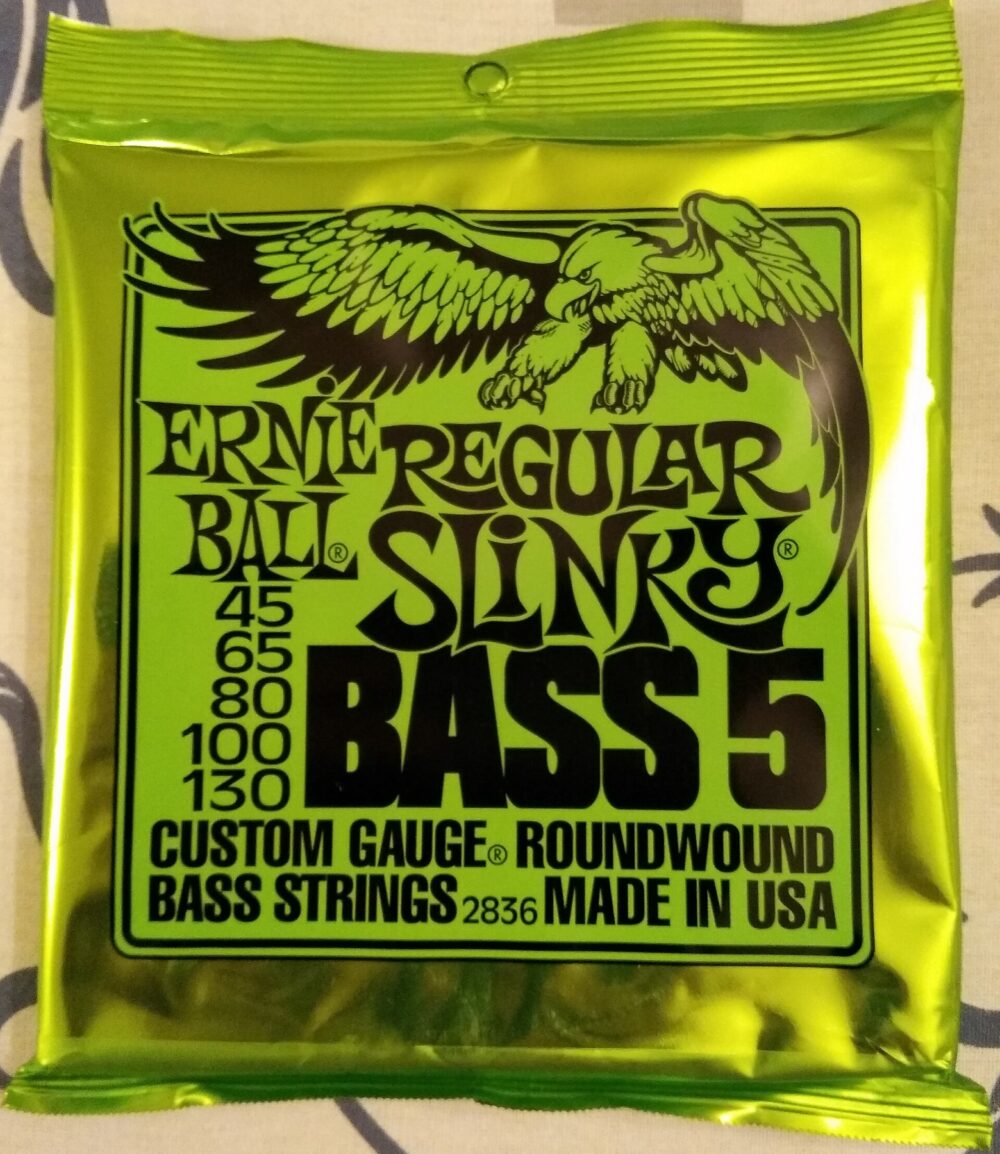
If you want a deep, beefy bass sound, start by choosing heavier-gauge, nickel-based roundwound strings that match your bass’s scale length, then fine‑tune with specific sets like Ernie Ball Regular or Cobalt Slinky that balance punch and low‑end weight. Once you know those specs, you can shop them across retailers and marketplaces; DHgate is one of several places that, according to its own editorial, carries guitar and bass strings from brands such as Ernie Ball, D’Addario, Elixir, and Dunlop along with generics.
For most players chasing thick low end, a good baseline is:
- Gauge: medium to heavy (e.g., 0.045-0.105 on 4‑string, or up to ~0.130 on the low B of a 5‑string).
- Material: nickel‑plated steel for balanced warmth and punch, or cobalt‑alloy for more output.
- Winding: roundwound for strong fundamental plus enough upper harmonics to keep the sound from turning to mud.
From there, you can adjust brand, feel, and longevity.
What Bass Strings Actually Do for Your Low-End Tone
Bass strings are more than metal wire; their gauge, core, wrap, and scale length all push your sound toward either tight and bright or deep and thick.
Gauge (thickness). Heavier gauges tend to provide more volume and deeper perceived tones than lighter gauges because they move more air and feel stiffer under the fingers. A 0.050-0.110 set will usually feel and sound more substantial in the lows than a 0.040-0.095, at the cost of higher tension.
Material. On electric bass, the wrap wire is usually:
- Nickel‑plated steel – a popular choice for a bright yet balanced, slightly warm tone.
- Pure stainless steel – typically a bit brighter and more cutting.
- Special alloys (like cobalt) – designed to interact more strongly with pickups for extra output and clarity.
If you want “beefy but not dull,” nickel‑plated sets are a very safe starting point. If you want aggressive, hi‑fi low end that hits hard in a mix, cobalt‑alloy options can help.
Winding type. How the outer wrap is shaped makes a big difference:
- Roundwound strings have a round wire wrap, giving more texture to the finger and a brighter, more complex tone.
- Flatwound strings use a flattened wrap, which generally produces a smoother, more mellow sound with less top‑end.
- Halfwound / groundwound land somewhere between, shaving off some brightness while keeping more attack than full flats.
For a thick “modern beefy” tone with clear transients, roundwounds usually win. For an old‑school thump, flatwounds give you that deep, compressed feel with fewer upper harmonics.
Scale length. Your string set must match the bass’s scale (short, medium, long, extra‑long) so the tapered portion sits correctly at the tuning posts and bridge. Mis‑matched scale can affect tension and intonation, which indirectly changes how solid the low end feels.
You can see these factors laid out in Ernie Ball’s own overview of bass strings in Buying Guide: How to Choose the Right Bass Strings.
String Types and Specs: Ernie Ball Sets vs Other Brands
Ernie Ball has clear families of bass strings that make a handy reference map for “beefy low end” decisions.
From DHgate’s editorial summary of Ernie Ball bass strings:
- Regular Slinky Bass strings use nickel‑plated steel wire wrapped around a tin‑plated hex‑shaped steel core, delivering a bright, punchy, balanced tone.
- Super Slinky Bass strings share that construction but in a lighter gauge, making them easier to play while broadly keeping the same tonal character.
- Cobalt Slinky Bass strings use a cobalt alloy wrap, creating a stronger magnetic relationship with pickups for increased output and perceived clarity.
- Flatwound Bass strings from Ernie Ball use stainless steel wire on a round steel core for a smooth, mellow, vintage‑like sound.
Here’s how those characteristics translate when you’re chasing a deep, beefy tone, with a couple of comparable examples from other brands:
| String family / example | Material & construction (summary) | Tone profile for low end | Fit for “beefy” goals |
|---|---|---|---|
| Ernie Ball Regular Slinky | Nickel‑plated steel, tin‑plated hex core | Bright, punchy, balanced | Strong low end with enough snap; solid general‑purpose choice |
| Ernie Ball Super Slinky | Same as Regular, lighter gauge | Similar tone, softer feel | Still beefy for many players, but lighter gauge slightly reduces sheer low‑end mass |
| Ernie Ball Cobalt Slinky | Cobalt‑alloy wrap, hex core | Higher output, focused, clear | Deep low end with extra presence; useful if you want beef plus hi‑fi definition |
| Ernie Ball Flatwound | Stainless flat wrap, round core | Smooth, mellow, vintage thump | Excellent for old‑school thump; less “punch,” more rounded low end |
| D’Addario EXL nickel roundwound | Nickel‑plated steel, roundwound | Bright, clear, versatile | Similar role to Regular Slinky; dependable low‑end weight with definition |
| Elixir coated nickel bass | Nickel roundwound with protective coating | Balanced, slightly smoothed top; long life | Good if you want consistent beefy tone over time and fewer string changes |
If your priority is meaty lows that still cut:
- Start with Regular Slinky–style nickel roundwounds in mid or heavy gauges.
- If you want more articulation and output without losing low‑end heft, Cobalt Slinky–type sets are a logical upgrade.
If you want pillowy, old‑school depth:
- Ernie Ball’s Flatwound sets or similar flats from other brands are closer to that sound. You’ll trade some attack for a more compressed, upright‑like feel.
For small ecommerce buyers deciding what to stock, a simple assortment that still covers most “deep and beefy” requests is:
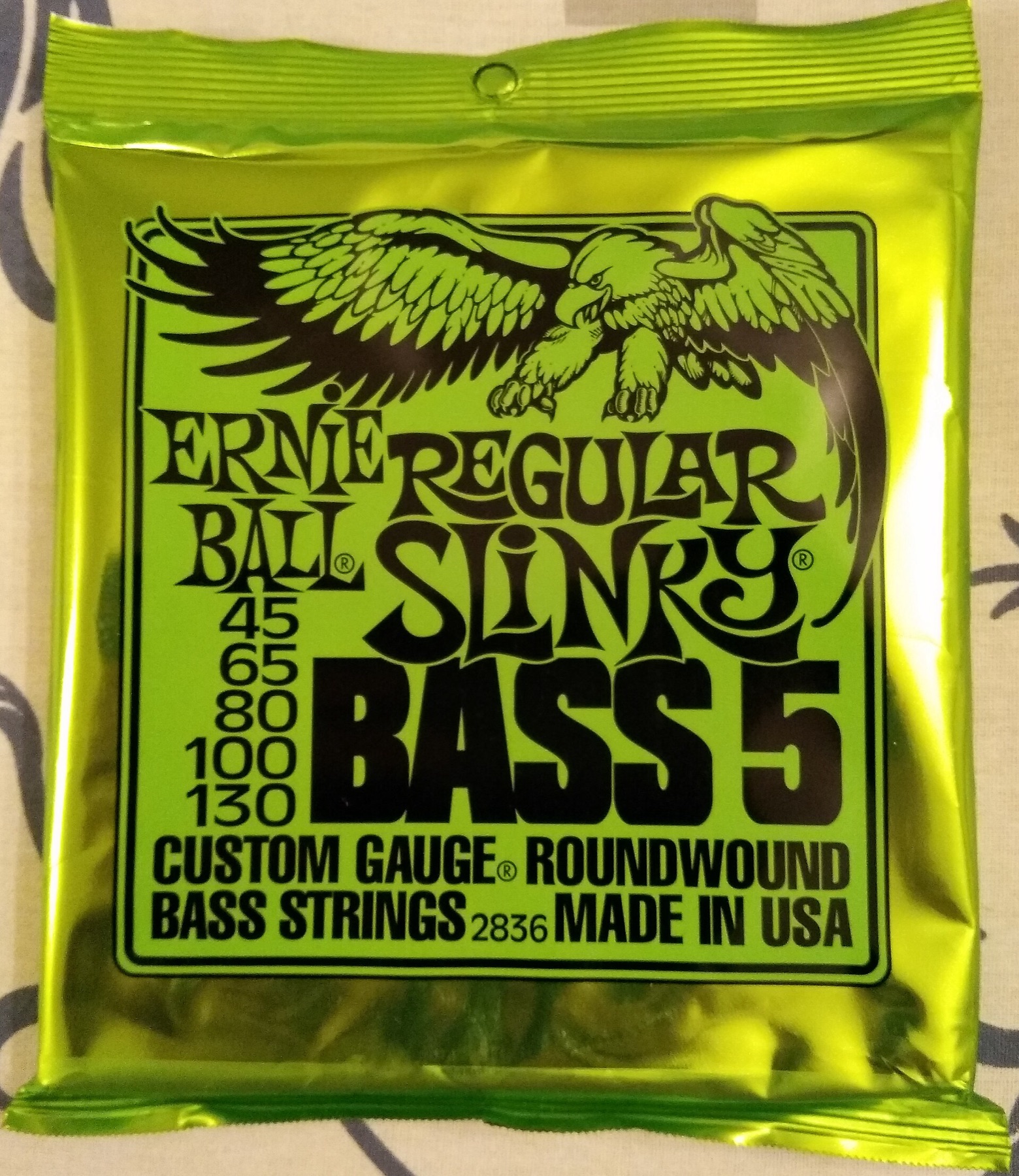
- One nickel roundwound line in regular/heavy gauges (Ernie Ball Regular Slinky or a direct competitor set like D’Addario EXL).
- One coated or cobalt‑style option for customers who want more clarity or longer life.
- One flatwound option for vintage or R&B players who ask specifically for smooth thump.
Ernie Ball’s broader bass‑string guide at Buying Guide: How to Choose Electric Bass Strings walks through how their different sets map to playing styles, which can help you fine‑tune that mix.
Buying Bass Strings Online: Matching Your Needs to DHgate and Other Platforms
Once you know you’re looking for, say, a nickel roundwound 0.045-0.105 set or a cobalt‑alloy 5‑string 0.045-0.130, the buying decision becomes more about channel and brand confidence than guessing tone.
Domestic retailers (big‑box music chains, local shops, or specialist online stores) usually provide a straightforward path to branded sets like Ernie Ball, D’Addario, Elixir, and Dunlop. You’ll see clear gauge listings, scale length, and wound type, which makes matching your target spec easy.
According to DHgate’s own guitar‑string editorial, the marketplace offers a diverse selection of strings for different instruments and styles, with products from well‑known brands such as D’Addario, Ernie Ball, Elixir, Martin, and Dunlop, plus detailed product descriptions and customer reviews for many listings.
For bass‑string purchases, you can treat DHgate as one more place to compare specs and brands once you’ve locked in your string recipe:
- Use your chosen gauge, material, and winding type as non‑negotiable filters across all marketplaces.
- When you prefer branded consistency (e.g., Regular Slinky, Super Slinky, Cobalt Slinky, or D’Addario EXL), focus on listings that clearly show full brand name, set code, gauge range, and instrument type.
- If you’re experimenting or chasing price‑sensitive bulk, generic nickel roundwound bass strings with mid‑to‑heavy gauges can be a way to test alternatives to big names while keeping the low end solid.
For broader marketplace and seller‑selection questions beyond string specs, you can refer to DHgateWiki’s platform‑focused pages such as What DHgate is and how the marketplace works, How to find trusted sellers on DHgate, and the DHgate order‑readiness checklist before checkout.
The practical sequence is simple: define your string spec for beefy tone, match it to a known family like Ernie Ball Regular/Super/Cobalt/Flatwound, then use those specs as your shopping filter across DHgate and other retailers. That way you’re comparing apples to apples instead of hoping a random “bass string set” will magically deliver the low‑end weight you’re after.