
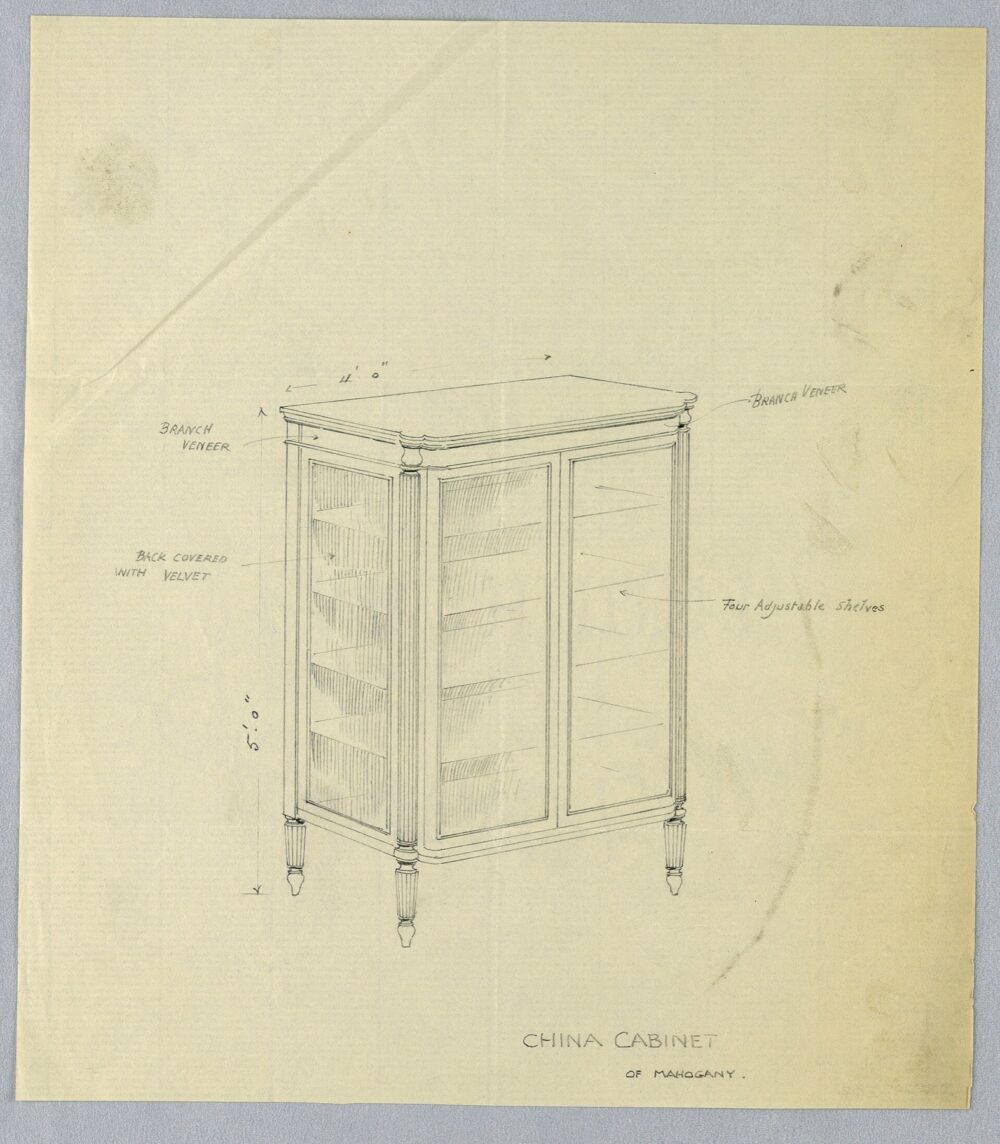
If you need replacement cabinet feet or legs, start from the cabinets you already have: identify whether they sit on visible legs or hidden plastic plinth feet, measure the exact height and mounting pattern, and then look for parts that match those specs before you compare prices across US retailers, hardware sites, and marketplaces like DHgate or Alibaba. That sequence sounds basic, but it’s what keeps you from ending up with legs that don’t fit your mounting holes or leave your countertops at the wrong height.
What Cabinet Feet and Legs Do in a Kitchen, and When You Need Replacements
Kitchen base cabinets are usually supported in one of two ways:
- Exposed decorative legs – Think island cabinets that look like furniture, with turned wood legs or metal posts visible at each corner.
- Hidden plinth/adjustable feet – Plastic or metal feet tucked behind a toe‑kick board. They carry the weight and allow leveling, but you never see them once the toe‑kick is installed. Guides on plinth feet and adjustable legs for kitchen cabinets make clear this is a standard system, used for leveling and toe‑kick support rather than showpiece style.
For a typical US kitchen with a continuous toe‑kick, you’re almost always dealing with hidden adjustable feet. You usually replace them when:
- A foot snaps or cracks, causing a sagging cabinet.
- Water damage or pests have weakened the original feet.
- You’re raising or slightly lowering cabinets during a remodel and need a different height or adjustment range.
Visible legs come into play more with islands, freestanding pantry cabinets, or a mid‑century “furniture” look. Replacement here is usually driven by design (changing style or finish) plus function (more stable, higher load rating).
If you only need one cracked plinth foot replaced, stick to the same type and height; if you’re changing from hidden feet to exposed furniture legs, you’ve moved from simple repair into a broader design change and should expect more work (toe‑kick removal, finish touch‑ups, and sometimes reinforcing cabinet bottoms).
Key Types, Materials, and Measurements to Match Before You Buy
Once you know whether your kitchen uses visible legs or hidden feet, you can narrow options by type, material, and size.
Main leg and foot types
Furniture leg style families show up on cabinets just like on dressers and sofas. Common examples include:
- Bun feet – Short, rounded wood feet ideal for traditional or cottage‑style cabinets.
- Tapered legs – Square or round legs that narrow toward the floor, common in mid‑century modern looks.
- Metal tube or post legs – Straight cylindrical or square metal legs, often height‑adjustable, used on contemporary islands and utility cabinets.
- Plastic plinth feet/levelers – Hidden supports with screw or clip mounts designed to sit behind a toe‑kick, widely used in modular kitchen systems.
Specialist cabinet hardware ranges like the cabinet feet and legs selection on Knobs.co illustrate how defined this category has become: you’ll see decorative carved wood, simple blocks, and metal posts all sold specifically for cabinets.
Materials and finish decisions
Materials drive both look and durability:
- Plastic – Common for hidden adjustable feet. Cheap, easy to replace, but can become brittle if heavily loaded or exposed to moisture.
- Metal (steel, aluminum) – Used in tube legs and some heavy‑duty feet. Good for high loads and damp basements; can look very modern when exposed.
- Wood – Typical for bun feet and decorative legs. Softer look, can be painted or stained to match cabinets. Avoid direct water exposure at the base.
Match exposed legs to your cabinet finish (paintable primed wood for paint, hardwood for stain, brushed metal for modern doors). For hidden feet, material is mostly a durability and cost choice.
The measurements you can’t get wrong
For replacements, two specs matter more than anything else:
- Height – Measure from the floor to the underside of the cabinet box, not to the countertop. Most US base cabinets are designed around a standard overall height, so your replacement feet or legs must keep the cabinet bottoms at the same level or you’ll throw off countertop height and appliance alignment.
- Mounting configuration – Match how the leg or foot attaches: screw‑on plate, dowel into a pre‑drilled hole, clip into a rail, or integral adjustment screw molded into the foot. Guidance for kitchen cabinet legs emphasizes that you should match both height and mounting to ensure stability.
Other practical checks:
- Set‑back from the front edge – For hidden feet, measure how far back the mounting point is, so the new foot doesn’t interfere with toe‑kick boards.
- Adjustment range – If your floors aren’t perfectly level, look for adjustable legs/feet with enough screw range to compensate.
- Footprint – A wider base spreads load better on soft flooring; a narrow post looks lighter but can dent vinyl or wood.
A quick scenario: if a US buyer finds one plastic foot broken under a sink cabinet, they’d remove a good foot and measure its total height and the diameter of the mounting collar or screw spacing. With those numbers, they can search “adjustable kitchen cabinet feet” and filter for the same height and mounting style rather than guessing from photos alone.
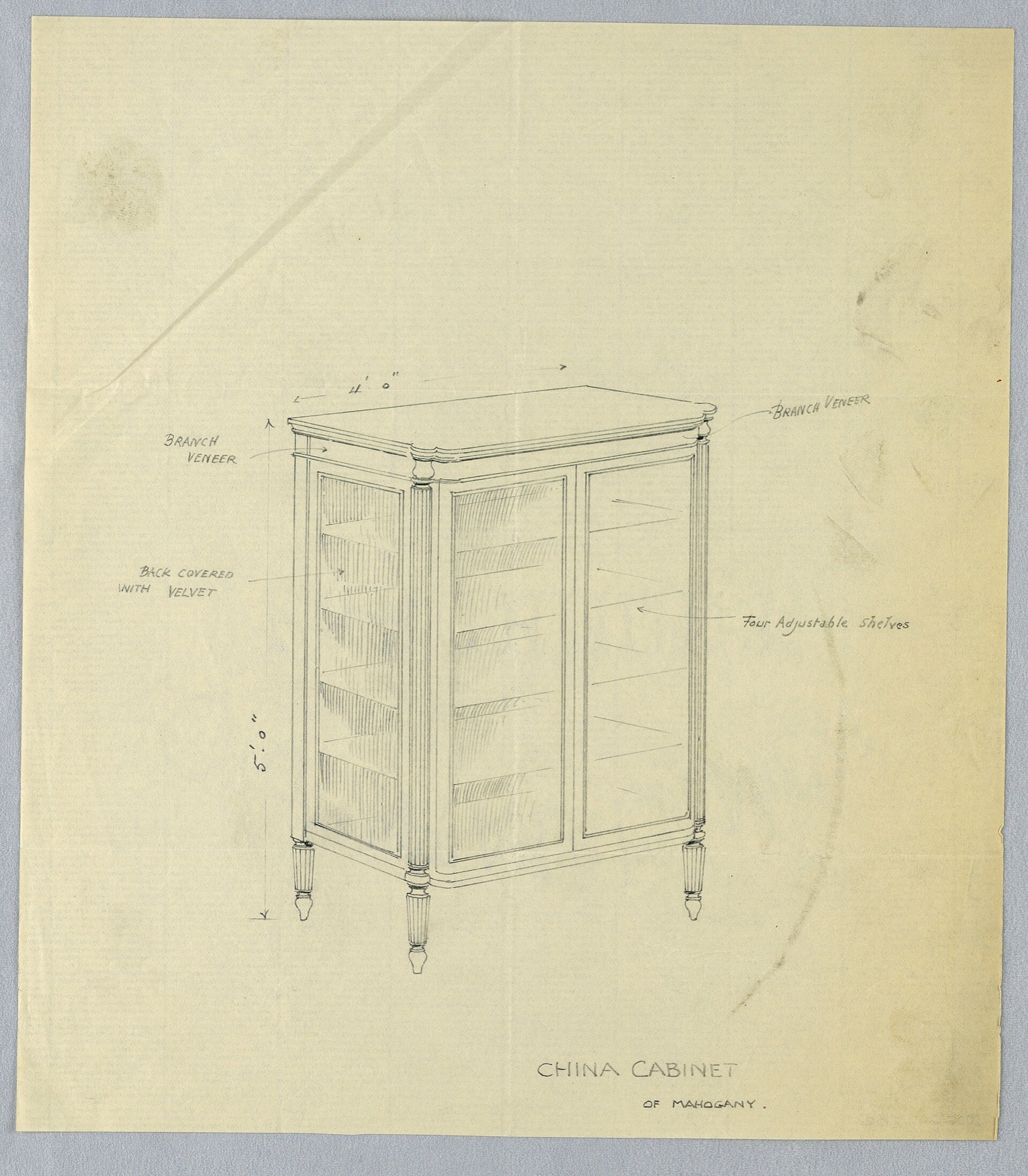
Quick style callout: modern vs. traditional
- Modern kitchens often pair flat‑panel doors with metal tube legs or very simple square wood blocks; even islands with legs tend to be clean and minimal.
- Traditional kitchens lean on bun feet, carved wood legs, or bracket‑style decorative feet at corners.
Matching the style family to your cabinet doors keeps a replacement leg from looking “stuck on”.
Table: What to match for each cabinet support type
| Support type | Typical use in kitchens | Must‑match specs |
|---|---|---|
| Hidden plastic plinth feet | Standard base cabinets with toe‑kick | Height, mounting clip/screw pattern |
| Metal adjustable tube legs | Islands, utility cabinets, open bases | Height range, mounting plate size |
| Wood bun feet | Furniture‑style bases, non‑toe‑kick ends | Diameter/height, screw size or dowel |
| Carved wood legs | Statement islands, furniture pieces | Overall height, top block dimensions |
| Heavy‑duty metal feet | Garage, laundry, commercial cabinets | Load rating (from vendor), bolt pattern |
Choosing Between US Retailers, Hardware Specialists, and Marketplaces Like DHgate
Once you have your measurements and a sense of style, sourcing becomes mainly about convenience, consistency, and price.
Specialist cabinet hardware sites and independent retailers offer the widest range of cabinet‑specific legs and feet. Collections like Cabinet Feet & Legs at Knobs.co show many styles explicitly labeled for cabinets, which helps you match both look and function. If you’re doing a visible upgrade on an island or a full kitchen, this kind of source gives you more predictable specs and better matching sets.
General online marketplaces broaden the pool. Cross‑border platforms such as Alibaba’s cabinet feet buying guide illustrate that adjustable cabinet legs and plinth feet are widely traded online as commodity components, especially useful for bulk orders or ecommerce sellers bundling hardware kits.
DHgate sits in that broad marketplace group: editorial descriptions portray it as a global marketplace connecting buyers with manufacturers and sellers and offering affordable furniture‑related products alongside many other categories. For cabinet legs and feet, this makes DHgate potentially useful when:
- You’re price‑sensitive and willing to trade some predictability for lower‑cost hardware.
- You need bulk quantities of generic adjustable feet or simple metal legs rather than a branded, exact‑match replacement.
Tradeoffs with cross‑border marketplaces (including DHgate, Alibaba, or similar platforms) are consistent:
- Specs and naming can vary; you’ll need to rely heavily on dimension diagrams and photos, not just product titles.
If you decide to explore DHgate, it’s worth reading a general overview of what DHgate is and how the marketplace works and, before placing a larger hardware order, skimming the DHgate order‑readiness checklist so you’re clear on how to vet individual listings.
For additional DHgate platform context, use Find trusted sellers on DHgate.
For a single US kitchen with one broken foot, a local or specialist hardware source is usually simpler and more predictable. For a small ecommerce brand selling flat‑pack cabinets or DIY kits, cross‑border marketplaces, including DHgate, can make sense as low‑cost discovery channels for generic feet and legs—as long as you lock down height, mounting style, and test samples before you commit to volume.