
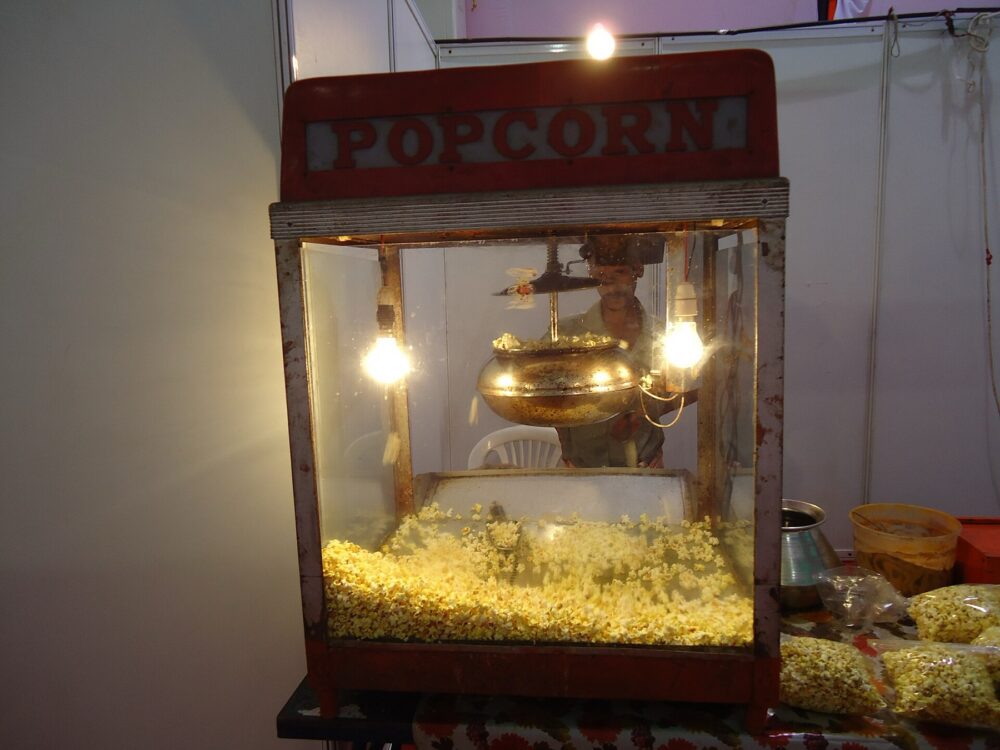
If you’re choosing a “vintage” popcorn maker, start by deciding whether you want a real collectible or a daily-use machine. True antiques and older electrics are best for display or occasional, careful use. For regular popping at home or for a small concession, most buyers are better off with a modern popper that has retro styling—exactly what you’ll mostly find on big-box sites and marketplaces like DHgate, which its own blog says offers various microwave popcorn poppers in different designs and materials.
From there, pick a style that matches your space and batch size: simple stovetop pans for low-volume, manual cooking; enclosed kettle machines or carts for a movie-theater look and higher output; or compact hot air units if you want lighter popcorn and easier cleaning.
What Counts as a Vintage or Antique Popcorn Maker Today
In practice, “vintage popcorn maker” now covers three different things:
- True antiques and period pieces
These are older mechanical or electric units—hand-crank stove-top pans, early countertop electrics, or old concession carts. Collectors often treat them as historical objects first, appliances second. Guides like TryRelic’s vintage popcorn popper overview explicitly separate display-only antiques from pieces people still use for popping.
- Functional vintage machines
Some older units are still structurally sound and can be used, but they may need parts, wiring checks, or non-original modifications. They appeal if you care about authentic mechanisms and materials more than convenience.
- Modern machines with retro styling
These are new products designed to look old—think chrome trim, circus-red cabinets, or cart wheels—but built with current heating elements and plastics. The popcorn machine guide at HTMarket reflects a common choice buyers face: stick with fully authentic vintage or go with a modern unit that captures the nostalgia while adding updated features.
Who each path suits:
- Home décor / themed rooms: A true antique or period-style cart that never heats up again can still be the centerpiece of a game room or theater.
- Regular family movie nights: A new retro countertop machine or hot air popper is easier to clean, more predictable, and usually safer in everyday use than rehabilitating old electrics.
- Small resellers: If you’re flipping antiques, authenticity and provenance matter more. If you’re selling new popcorn makers, modern retro units are simpler to source and explain to customers.
Comparing Key Styles: Stovetop Pans, Kettle Machines, Hot Air and Retro Carts
Once you’ve decided between “real vintage” and “vintage-style,” the next choice is format. Editorial roundups like HomeGearHQ’s look at vintage-style popcorn makers highlight the same core styles buyers gravitate toward.
Here’s how they differ in everyday use:
| Style | Typical Look & Era Feel | Best For | Pros | Trade-offs |
|---|---|---|---|---|
| Stovetop pan / hand-crank | Campfire or farmhouse, early 1900s vibes | Small batches, camping, display | Simple, no electricity, authentic motion | Manual stirring, uneven heating |
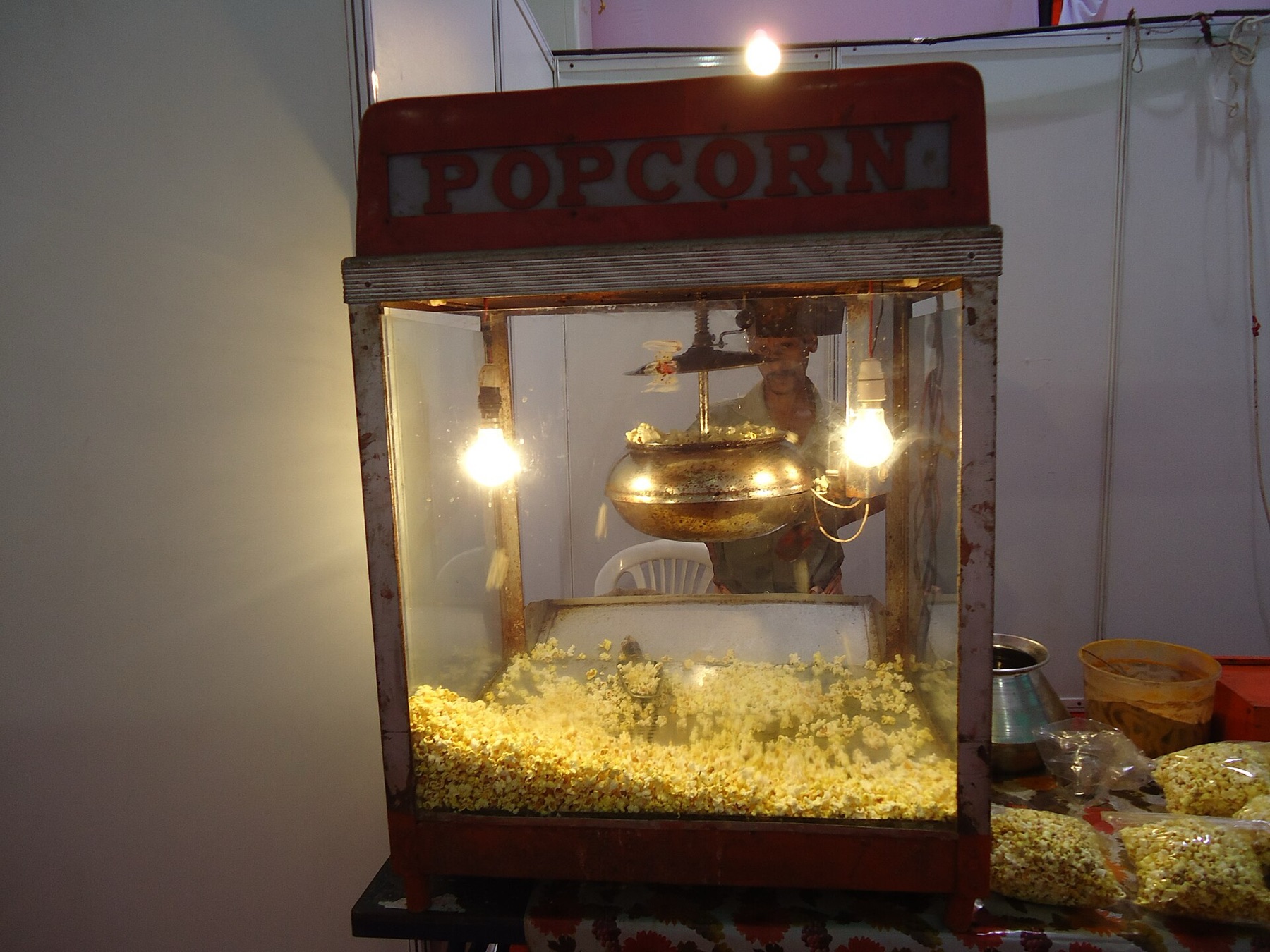
| Countertop kettle machine | Mid-century theater / concession stand | Home theaters, small events | Enclosed popping, iconic glass cabinet | Bulkier, more parts to clean |
| Hot air popper (retro) | 60s–80s appliance style; can be nostalgic | Quick snacks, lighter popcorn | No oil required, easy cleanup | Less “show” factor, smaller batches |
| Popcorn cart (vintage-style) | Full carnival or cinema aesthetic | Parties, small resale, décor | High visual impact, storage space in cart | Takes floor space, higher upfront cost |
A few practical decision points:
- Space and placement:
- Tiny kitchen or dorm? A hot air popper or stovetop pan makes more sense than a cart.
- Dedicated home theater or party room? A kettle machine or cart becomes part of the furniture.
- Output and rhythm:
- For one or two people, a pan or small hot air unit is fine.
- For bigger gatherings, a 4-8 oz kettle machine or cart style (often featured in vintage-style roundups) can keep popcorn flowing with less effort.
- Cleaning and maintenance tolerance:
- Pans and hot air units are typically a quick wash and dry.
- Kettle machines and carts have more surfaces and metal components, which can be tedious after oily batches.
Scenario callouts:
- Home user chasing nostalgia: A retro hot air popper in a 1950s colorway gives you the look without the bulk of a cart or the quirks of an antique.
- Small ecommerce seller: A cart-style or countertop kettle machine with vintage branding photographs well and justifies a higher perceived value, even if the internals are modern.
Buying Checklist: Authenticity, Condition, and When to Choose Modern Retro or DHgate Options
Use this checklist before you commit, whether you’re buying one popcorn maker for home or a batch for resale.
1. Clarify display vs functional use
- If the piece is primarily decorative, prioritize originality and patina. Surface rust, old paint, and period graphics can be a plus.
- If you intend regular popping, follow the distinction in guides like TryRelic’s vintage popcorn popper article: treat true antiques cautiously and be ready for the possibility that they’re better as display than everyday appliances.
For frequent use, most buyers choose modern retro units instead of relying on an old electrical system or bare metal that predates current food-contact standards.
2. Check authenticity and age claims
For true vintage or antique pieces (often found piecemeal on marketplaces such as Etsy or eBay):
- Look for maker marks, labels, or logos that match known brands from the claimed era.
- Compare design details—handle shapes, vent patterns, graphics—to verified examples from collectors or museum photos.
- Be skeptical of phrases like “antique-style” or “vintage inspired” if you need a genuine period piece; those usually signal modern production.
3. Inspect physical condition and practicality
Whether the piece is old or new, focus on:
- Metal surfaces: Heavy corrosion, peeling enamel, or sharp edges can affect both safety and food quality.
- Moving parts: Cranks, kettle stirrers, and doors should operate smoothly; stiffness can indicate wear or bent components.
- Power and heat source: For older electrics, understand you may need a professional to evaluate or rewire them before use. For gas or campfire pans, confirm the handles and lid still feel secure.
4. Decide between authentic vintage vs modern retro
Buyers often land on one of two paths:
- Fully authentic vintage machine:
- Best if you care most about historical value or collecting.
- Accept that it may be display-only or occasional-use, not a plug-and-play daily appliance.
- Modern retro-styled unit:
- Best for households, small events, and ecommerce sellers who need predictable performance and fresh product.
- Designs range from countertop machines to carts with throwback graphics, as highlighted in editorial reviews like HomeGearHQ’s vintage-style roundup.
5. Where DHgate-style options fit into the mix
DHgate is described in its own blog as a large online marketplace with varied products and global vendors, and a separate blog post notes that it carries a range of microwave popcorn poppers in different designs and materials, including silicone and glass.
That positions DHgate as a source of new, non-collectible popcorn poppers, often with modern or playful styling, rather than a place to hunt for genuine antique carts or early electrics. If your priority is:
- A new microwave or countertop popper with a retro look, or
- Budget-friendly units for resale or bundle deals,
then browsing DHgate alongside other mass-market retailers can make sense. Because marketplace listings vary, treat every product as a one-off decision: read its description carefully, compare alternatives, and look at buyer feedback on that specific listing.
For shoppers considering DHgate more broadly, pages like What DHgate is and how the marketplace works, Find trusted sellers on DHgate, and the DHgate order-readiness checklist can help you frame those decisions.
6. When you’re better off skipping vintage entirely
You may love the old-time look but still decide a true antique isn’t worth the hassle. A modern retro unit—or even a straightforward microwave popper—usually makes more sense if:
- You want low-maintenance popcorn several nights a week.
- You’re selling snacks and need consistent output and parts you can replace when they wear out.
- You don’t have the time or inclination to research wiring, food-contact surfaces, or restoration.
In that case, treat the vintage aesthetic as a design choice, not a requirement that the machine itself be decades old. You’ll still get the nostalgic charm—just with a warranty and a predictable user manual.