

What Faux Philodendron Plants Are and Why Buyers Look on DHgate
A faux philodendron is an artificial version of popular philodendron species: heartleaf vines, split‑leaf floor plants, trailing stems for shelves, or potted desk plants. They’re usually made from plastic, polyester, or “real-touch” synthetics and sold as: DHgate is one cross-border multi-seller marketplace to evaluate for this buying task; compare the exact listing, seller evidence, sample, and order terms before scaling.
- Small potted plants for coffee tables and desks
- Hanging or trailing vines for shelves and window ledges
- Larger split‑leaf or “Swiss cheese” floor plants meant to mimic tropical décor
Specialist sites like Commercial Silk’s split-leaf philodendron page show how detailed high-end faux versions can be: specific leaf shapes, stated materials, and clear size specs. DHgate, by contrast, leans on breadth and price. Sellers there list everything from generic fake plants to themed event décor.
DHgate’s appeal is clear for both hobby buyers and small ecommerce brands:
- Big variety of factory-direct artificial plants, often at low unit prices.
- Potential access to the same suppliers behind mass-market décor.

Search and Filter Workflow: How to Locate Faux Philodendron Listings on DHgate
Here’s a concrete workflow you can repeat whenever you’re looking for faux philodendrons on DHgate.
- Start with targeted search terms
On DHgate’s homepage, type product‑specific phrases into the search bar. Good starting queries:
- `artificial philodendron`
- `faux philodendron plant`
- `fake split leaf philodendron`
- `hanging philodendron artificial`
Broader terms like `fake plants` will drown you in unrelated greenery.
- Pick the closest category
From the search results, use the category sidebar to steer into the right area. Faux philodendrons often sit under Home & Garden, décor, or fake plants/flowers. DHgate’s shopping guide content highlights that listings show specs, images, prices, and seller ratings; the category choice determines which clusters of décor listings you’ll see.
- Apply filters to cut junk
DHgate’s editorial tips recommend using filters and sorting tools to refine product searches. For faux philodendrons, prioritize:
- Item type: narrow to “Fake Plants” or similar subcategory where available.
- Material/feature tags: if there’s a way to select “plastic plants,” “silk flowers,” or other material hints, use it, because realistic philodendrons usually rely on finer fabrics rather than shiny plastic.
- Seller rating: aim for higher-rated sellers with substantial feedback, not newcomers with minimal history.
Sort by relevance first, not lowest price; ultra‑cheap listings can be misleading or extremely low quality.
- Skim out obviously irrelevant items
Scan thumbnails and titles and rule out:
- Listings showing bouquets, roses, or generic greenery instead of distinct philodendron leaves.
- Event décor bundles where the plant type isn’t clear.
- Listings with AI‑like, overly perfect room renders that don’t actually show the plant close‑up.
- Build a shortlist of 3-6 candidates
Open promising listings in new tabs. Your goal at this stage is not to buy yet, but to assemble a shortlist that you’ll scrutinize in detail.
If you’re new to DHgate, it’s worth reading a broader marketplace primer first, like What DHgate is and how the marketplace works, then returning to this workflow.
Evaluating Listings and Sellers: When DHgate Works for Faux Philodendrons
Once you have your shortlist, you need to find out whether those faux philodendrons will actually look good in real life—especially if you’re decorating a coffee table or planning inventory for an online shop.
1. Read the listing like a spec sheet
DHgate’s own shopping guides urge buyers to check product descriptions carefully, including size, color, and material. For faux philodendrons, focus on:
- Exact dimensions: look for stated height and width. A “tabletop” plant might be around 20-40 cm tall; a floor plant should be much larger. If the listing only says “large” or “small,” treat that as a red flag.
- Material details: “silk,” “polyester,” or “real‑touch” synthetics usually look better than generic “plastic” with no detail.
- Included components: does the listing include a pot, or just stems? Some DHgate sellers show staged images with decorative pots that aren’t actually part of the product—check the text.
If the description is sparse or clearly copy‑pasted from another product type, walk away.
2. Scrutinize photos for realism (and fakes)
- Do the leaves actually resemble philodendron species (heart‑shaped or split leaves with realistic texture), or generic oval foliage?
- Are there multiple angles, including close‑ups, or only a single lifestyle photo that could be stock or AI-generated?
- Do colors look plausible, or unnaturally neon and flat?
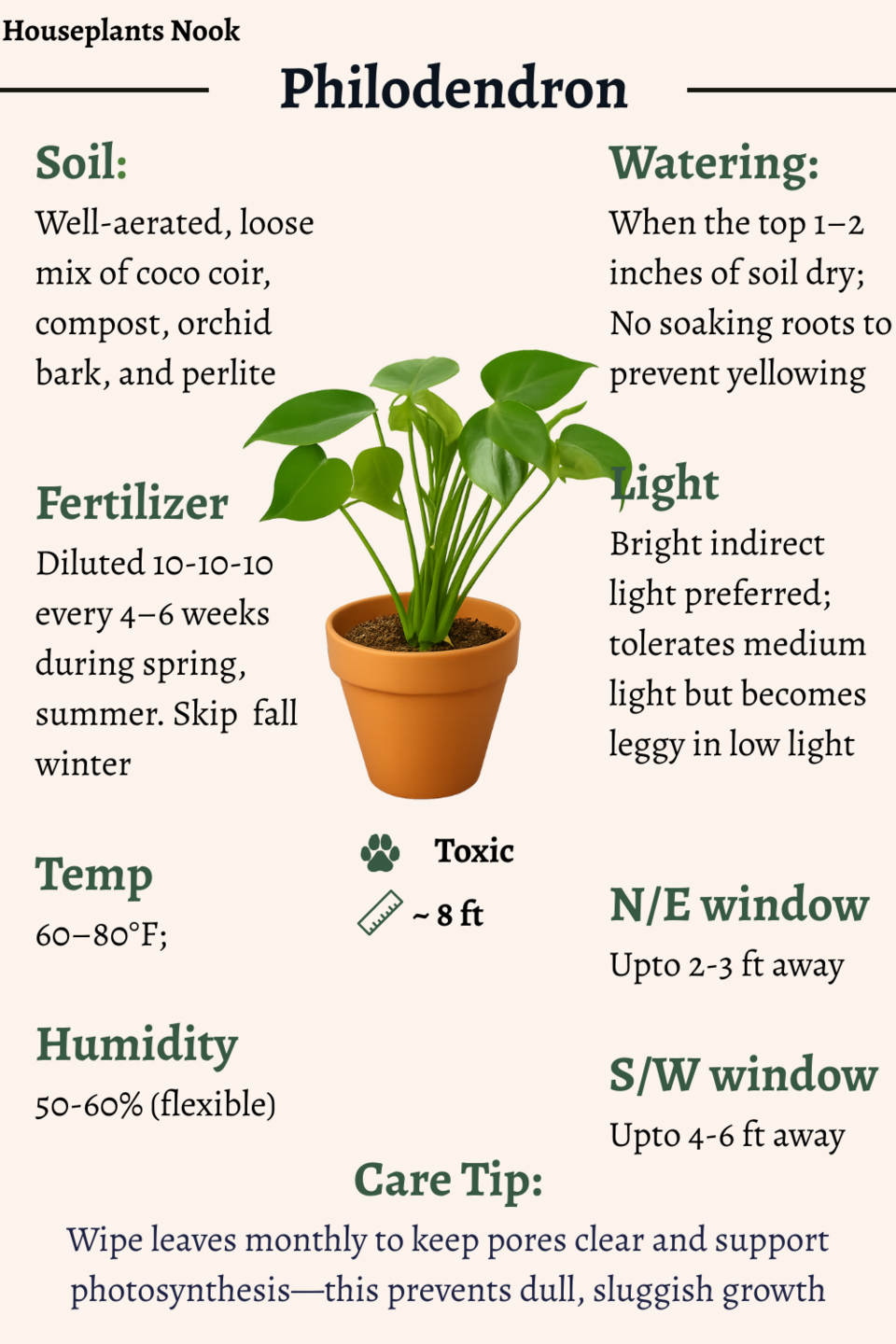
Use the infographic above as a visual reminder of real leaf shapes and structure; your faux plant should echo those patterns.
3. Check seller reputation beyond the star score
Several DHgate editorial posts and Q&As encourage buyers to read seller reviews and feedback, not just glance at a rating. For faux philodendrons:
- Feedback history: prefer sellers with a long track record and many reviews over those with just a handful of recent orders.
- Category focus: a seller specializing in home décor or artificial plants is usually a safer bet than a general store selling unrelated items plus a few plants.
- Review content: look specifically for comments mentioning “looks real,” “color,” “size matches description,” or complaints about “tiny,” “plastic,” or “different from photos.”
If reviews mention bait‑and‑switch photos or misleading sizes, treat that as a major warning sign.
You can deepen this step using Find trusted sellers on DHgate, which walks through profile and rating checks in more detail.
4. Message the seller before you buy
Multiple DHgate editorial pieces encourage contacting sellers with questions. For faux philodendrons, send a short, specific message:
- Ask for the exact plant height and pot diameter.
- Ask whether the listing photos show the actual product or a styled sample.
- If you’re a small brand, ask if they can keep the model consistent for repeat orders.
Responses tell you a lot. Clear, prompt answers suggest a more professional operation. Vague or evasive replies—especially around size and materials—are a cue to move on.
5. Run a small test order before scaling
DHgate’s boutique sourcing advice specifically suggests requesting samples or starting with small quantities before bulk orders. That’s especially relevant for faux philodendrons, which can look dramatically different between photos and reality.
Two scenarios:
- Hobby or home décor buyer: Order one or two plants first. Put them where you plan to use them (coffee table, shelf). If the color, leaf shape, and pot size feel right, you can reorder; if not, you’ve limited the damage.
- Small ecommerce brand: Treat DHgate as a trial source. Order a few units from one or two curated sellers, photograph them in your own setup, and test customer reactions. Only upgrade to larger orders if quality is consistent and communication is solid.
Before checkout, skim Review the DHgate order-readiness checklist to make sure you’ve captured screenshots, confirmed specs, and documented what you expect to receive.
6. Decide if DHgate fits your situation
Use this quick comparison to decide whether DHgate is a good fit for your faux philodendron project:
| Buyer situation | DHgate strengths | DHgate weaknesses / poor fit signals |
|---|---|---|
| Casual home décor (Canada) | Low-cost trials, lots of style variety | Long cross-border transit, inconsistent looks |
| Coffee-table styling for events | Access to unusual or themed designs | Risk of color/size mismatch close to event |
| Small ecommerce brand testing | Cheap samples from multiple suppliers | Variable quality; branding consistency harder |
| Brand needing repeatable stock | Occasional backup or special items | Better to use domestic/specialist suppliers |