
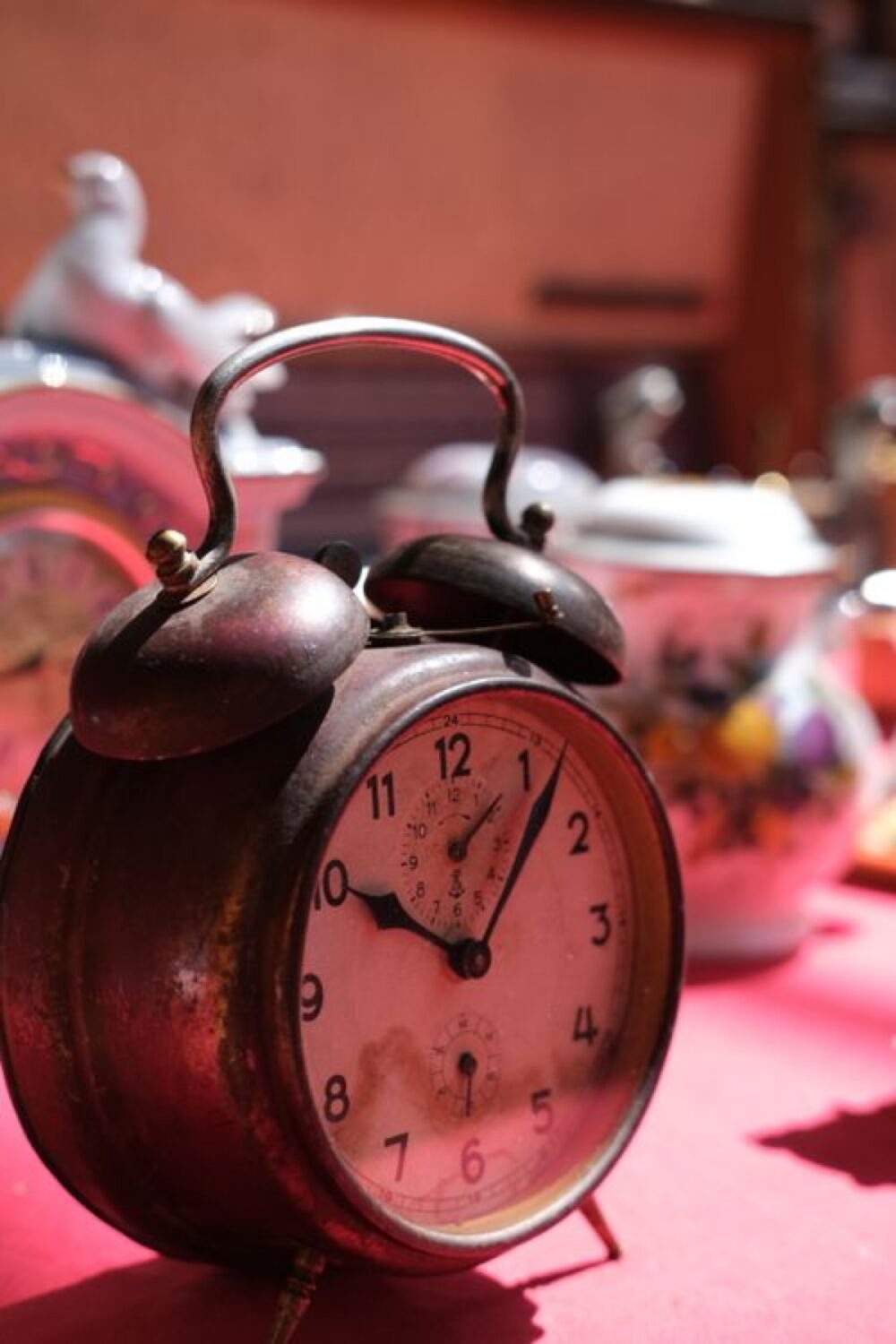
Start by deciding where the clock will live and what job it has: is it mostly decor (a playful wall or table clock), a serious alarm for your bedroom, or something in between? From there, choose a type and display you can actually live with—size, brightness, sound—and only then compare channels like Amazon, decor brands, and global marketplaces such as DHgate for style and value. You’ll often find novelty looks on mainstream US sites, but DHgate can be useful when you’re chasing more unusual designs or small-batch themes.
What counts as a novelty or alarm clock, and where do people actually use them?
A novelty clock is any clock where design is the main story: character themes for kids, retro table pieces, minimalist sculptural clocks, or quirky shapes that serve as visual accents as much as timekeepers. Home decor editors group table clocks into broad styles like minimalist, retro, and decorative showpieces, because they sit on shelves and desks as part of the room’s look as much as its function. You can see this kind of style breakdown in decor pieces such as 7 Table Clock Styles That Instantly Upgrade Your Home Decor.
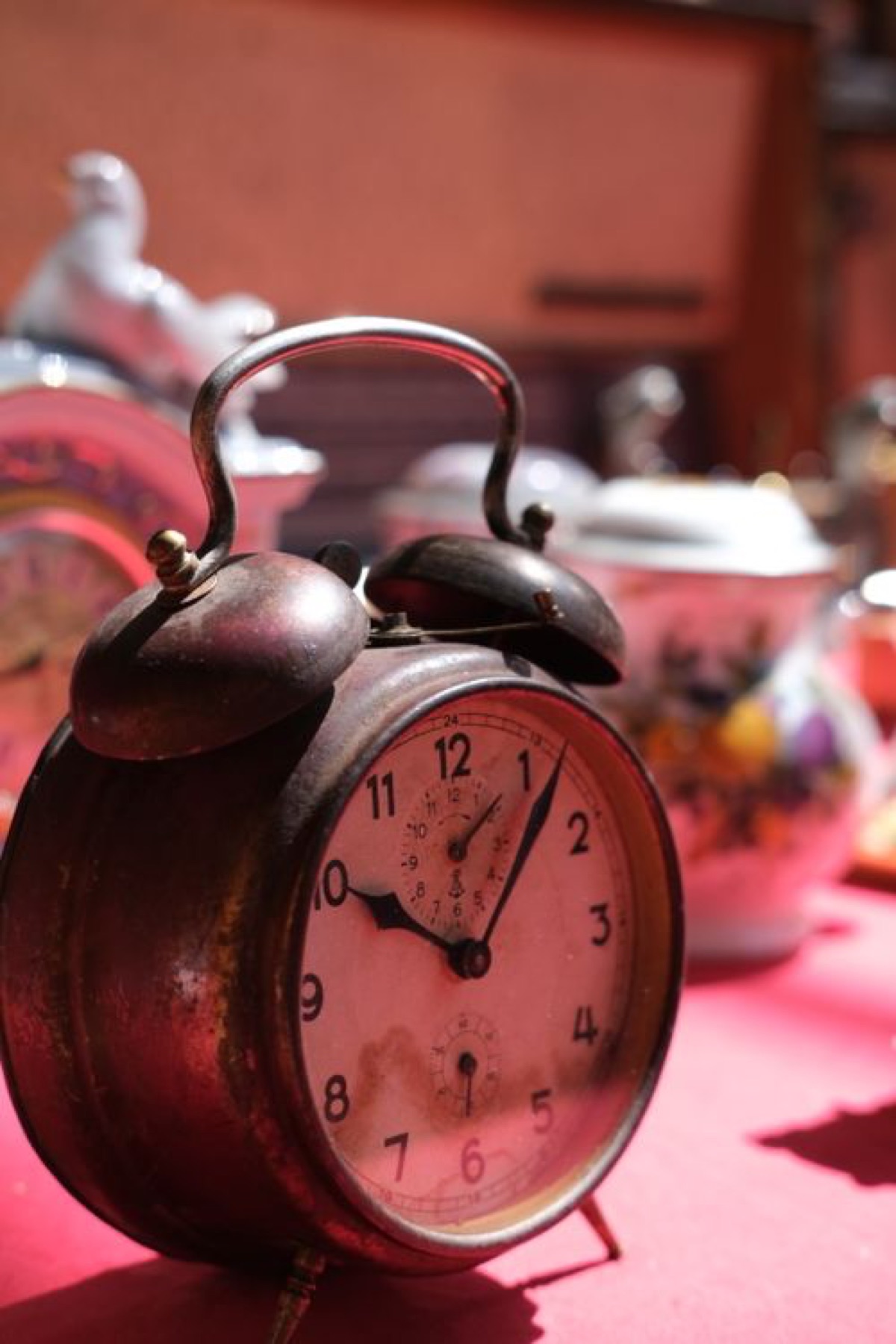
Alarm clocks are built around waking you up on time and usually sit in the bedroom or dorm. Some blend both roles—think a vintage-style alarm clock that matches a farmhouse bedroom or a superhero-themed alarm for a child.
Typical placements:
- Bedrooms: bedside digital or analog alarms, sometimes with novelty styling.
- Kids’ rooms: character-themed wall or table clocks, often with simple alarms.
- Kitchens and home offices: wall clocks or desk clocks where readability matters more than alarms.
- Small retail spaces: decorative wall or table clocks that match the shop’s theme and draw the eye, sometimes with working alarms as a fun touch.
General clock-buying guides recommend starting with the room and your comfort level with tech—analog, simple digital, or smart—before worrying about fine details like materials or extras. A home-focused overview like How to Choose a Clock or Alarm Clock for Your Home stresses that point: match the type to where you’ll use it and how you like to interact with gadgets.
If you’re a small ecommerce seller, novelty clocks are often impulse buys or gift items, while alarm clocks are more utility-driven. Your products may need to do both—look distinctive in photos and still function as reliable, readable clocks at home.
Key clock types, displays and features to compare before you buy
You can narrow the field quickly by matching clock type to room and tech comfort, then drilling into display and alarm behavior.
Main types and everyday fit
Here’s a comparison of common novelty and alarm clock types and where they usually work best:
| Clock type | Typical use case | Pros for novelty/retail | Pros for alarm use |
|---|---|---|---|
| Wall-mounted alarm clock | Bedrooms, studios, small shops | Big visual impact; frees up surfaces | Audible across room; out of reach |
| Bedside digital alarm | Adult bedrooms, dorm rooms | Clean, modern look; easy to photograph | Precise alarms; snooze, dual alarms |
| Analog table/desk clock | Living rooms, offices, decorative displays | Strong style (minimalist, retro, ornate) | Simple, often quieter ticking models |
| Kids’ character clock | Children’s bedrooms and playrooms | Themed graphics; giftable | Basic, easy-to-use alarm |
| Pure novelty wall/table | Feature wall, retail displays, themed spaces | Eye-catching shapes, colors, graphics | Often no or very basic alarm |
Guides on wall-mounted alarm clocks point out that they’re helpful in rooms where bedside tables are crowded or where you want the alarm physically away from the bed so you have to get up. Bedroom alarm clock guides emphasize picking between simple digital, analog, feature-rich, and smart types based on how much tech you want in your sleep space and whether you prefer a single loud alarm, gradual wake-up, or multiple schedules.
For kids, themed alarms (like superhero or cartoon clocks) are usually designed with a straightforward on/off switch and one main alarm time, which makes them easy for a child or parent to handle.
Display format and brightness
Independent brands such as Newgate highlight how buyers often decide between digital alarm clocks based on display format (12-hour vs 24-hour) and visual style before anything else. Their guide on choosing alarm clocks, from retro classics to modern design, shows that display and aesthetics are standard comparison points.
Key display decisions:
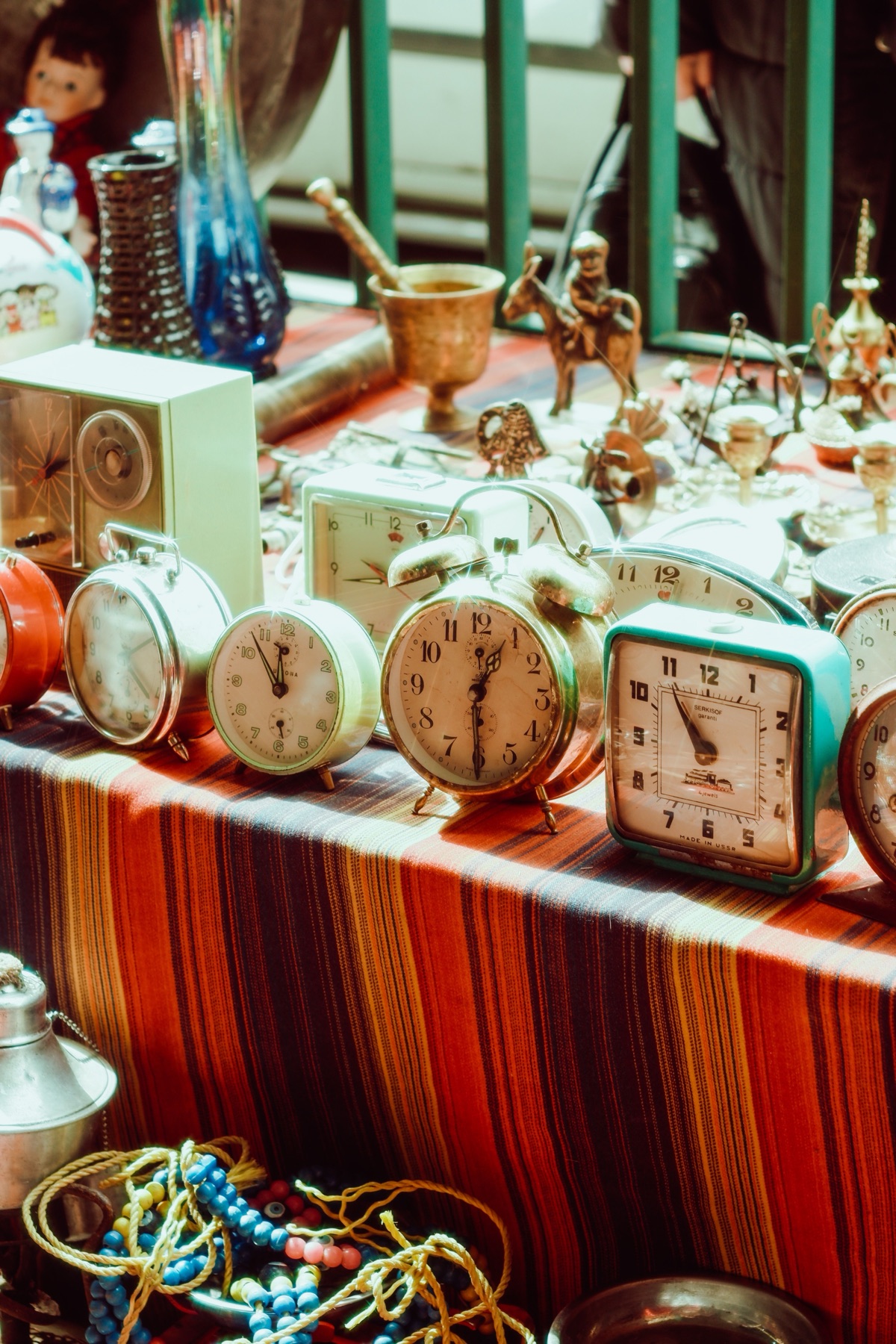
- Analog vs digital: Analog faces suit retro and decorative looks; digital is better for precise alarms and low-light readability. For a vintage-style shop or farmhouse decor, an analog face may sell better; for a dorm or office, digital is often more practical.
- Size and font: For wall clocks, check that numerals are large enough to see from across the room. For bedside clocks, make sure the digits or hands are big enough to read without glasses.
- Brightness: Bedroom alarm clock guides consistently warn about too-bright displays. Look for dimmable or low-glow screens so the clock doesn’t feel like a nightlight. Retail sellers should list brightness control clearly; returns often come from buyers who find a display harsh at night.
Alarm behavior and power
Alarm details make or break daily use:
- Alarm style: Continuous beeps, gradual volume increase, radio or sound effects all feel different at 6 a.m. A novelty alarm with a cute tone might be fun for a child but frustrating in an adult bedroom.
- Controls: Simple buttons for setting time and alarm, a visible on/off indicator, and a clear snooze button prevent missed alarms. Editorial guides on both wall-mounted and bedroom alarms stress ease of setting as a core reliability factor.
- Power options: Battery-only clocks are easy to place anywhere and resell worldwide; plug-in clocks avoid battery changes but need voltage compatibility and a nearby outlet. Many alarm-focused models use mains power with battery backup so alarms still work during outages.
If you’re buying for resale, think about how you’ll describe these choices in your listing—”battery-only, no cord,” “US plug with battery backup,” or “dimmable digital display” are the kinds of specifics shoppers look for and that reduce pre-sale questions.
Buying factors and channels: matching your clock to platforms like Amazon, specialty sites and DHgate
Once you know your type and key behaviors, you can match that to the right shopping channel.
Fit, materials and quality signals
General clock guides recommend starting from the room and desired tech level, then checking:
- Size vs placement: Measure shelf depth or wall space. A novelty table clock should not crowd a nightstand; a wall clock should fill the area without overwhelming adjacent art.
- Materials: Metal and wood frames often feel more substantial and photograph well for ecommerce. Plastic can be fine for kids’ character clocks or budget alarms but may look cheaper in a boutique setting.
- Movement reliability: Look for quartz movements or trusted digital modules and avoid listings that omit basic specs like battery type or movement description.
- Noise: Some analog clocks tick loudly; that’s fine for a kitchen wall but annoying beside a bed. Digital or “silent sweep” analog movements suit bedrooms.
For small ecommerce businesses, packaging matters too. Decorative clocks with protruding hands or sculpted shapes need padding that survives cross-border travel, or you’ll face breakage and returns. Novelty styling also affects photography and conversion: reflective glass, busy patterns or dark faces may need multiple angles and close-ups in your listing so shoppers can tell at a glance that the clock is readable.
Where different platforms tend to shine
- Amazon and big-box retailers: Best for straightforward alarm clocks (simple digital, sunrise, smart) and mainstream novelty designs with fast shipping. Ideal if you want standard features and familiar buying flows for US buyers.
- Specialty decor and clock brands: Great for statement wall clocks, high-design table clocks, and cohesive room styles (minimalist, mid-century, industrial). Use these channels if aesthetics and brand story trump price.
- Global marketplaces like DHgate: Useful when you’re hunting for more unusual themes, bulk-friendly novelty designs, or cross-border price points. You may see LED wood clocks, themed digital alarms, or offbeat wall clocks that don’t appear on US mass retailers.
Because DHgate is a marketplace rather than a single brand, you’ll need to evaluate individual listings and sellers carefully. Check product photos for real-world brightness, verify power specs and plug type, and pay attention to buyer reviews before considering larger orders.
For additional DHgate platform context, use What DHgate is and how the marketplace works, Find trusted sellers on DHgate, and Review the DHgate order-readiness checklist.
If, after those checks, a novelty or alarm clock still feels like a risky cross-border buy—too little detail on the movement, unclear voltage, vague photos—it’s reasonable to favor a US retailer or a known decor brand instead. Your clock has to work every day; no amount of novelty styling compensates for an unreadable face or an unreliable alarm.