
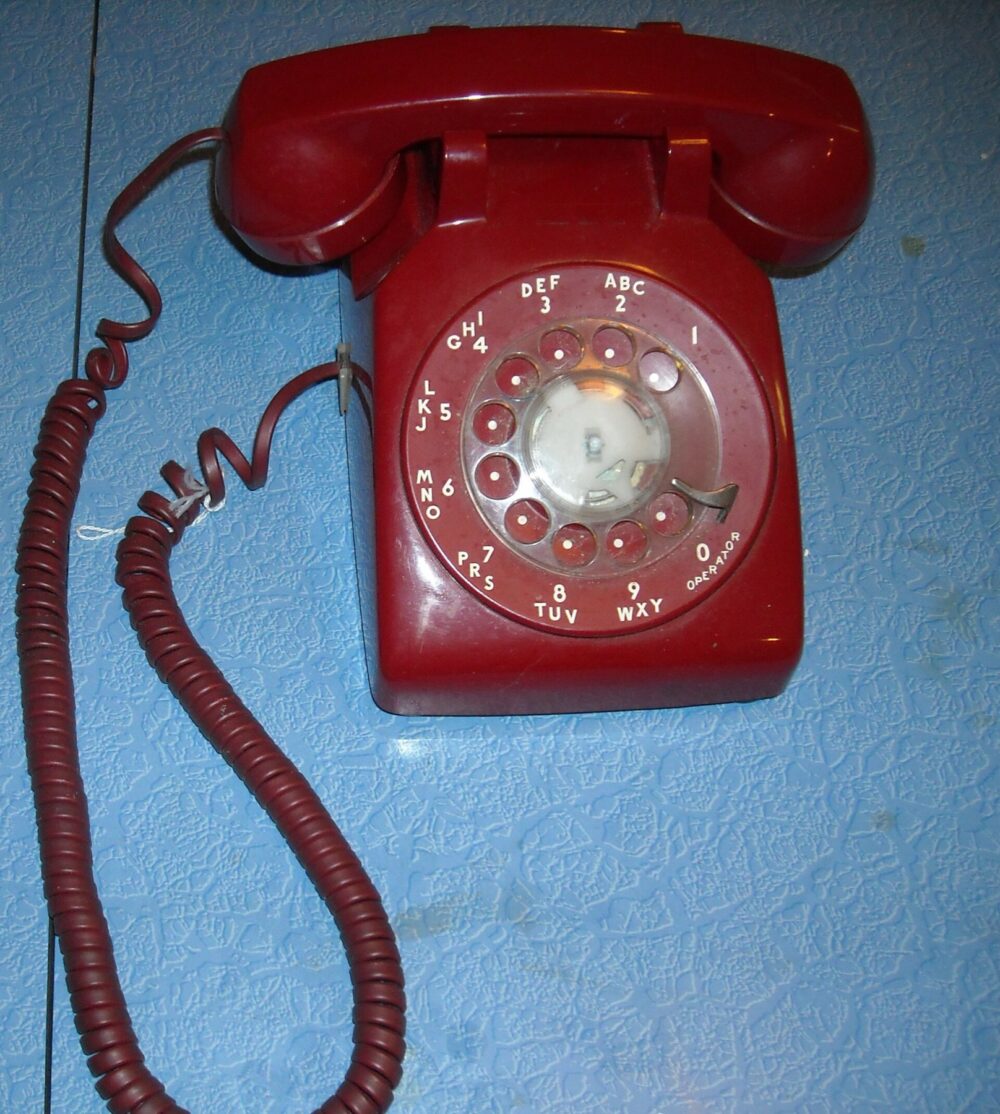
If you’re choosing a princess phone or vintage-style telephone, start by deciding whether you want an authentic collectible or a modern reproduction, then match the phone’s wiring, dial type, and style to how you plan to use it. Original Western Electric princess phones from the Bell System era (introduced in 1959 as compact, stylish bedroom phones with a lighted dial) appeal to collectors and restoration projects, while most cross-border marketplaces like DHgate mainly offer modern repro and themed designs rather than true Bell System originals.
For US buyers and small resellers, that distinction drives almost every decision: original phones have more value and repair potential, but require closer checks on condition and compatibility; repro and novelty phones are simpler decor or gift items and are where DHgate-style sourcing tends to make the most sense.
What Counts as a Princess Phone or Vintage Telephone Today?
“Princess phone” has a pretty specific meaning: it refers to a compact desk telephone developed for the Bell System and built by Western Electric, marketed as a stylish bedroom phone with a lighted dial so you could see it in the dark.Western Electric’s own product history shows several color and dial variants, but they share the same core idea: small footprint, curved body, and illuminated dial.
Vintage telephones is a broader umbrella used in collecting guides for:
- Candlestick sets with separate transmitter and receiver
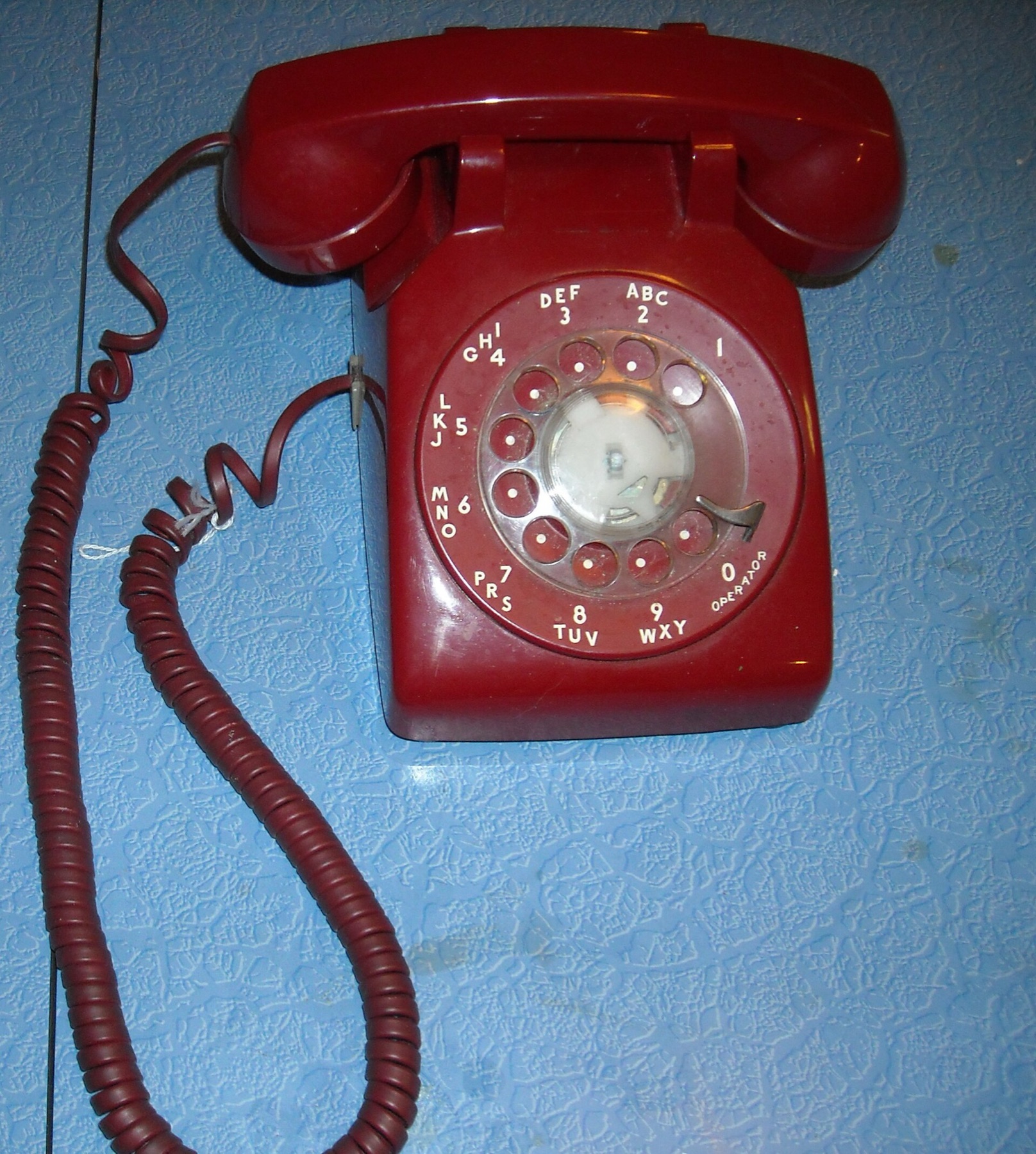
- Standard desk rotary phones
- Wall-mounted sets
- Western Electric princess phones and other compact designs
Collectors and specialty sites distinguish authentic models (often ex–Bell System or Western Electric) from later reproduction pieces and decor-only phones that were never used on a live network.One collecting overview explicitly separates genuine Western Electric princess and rotary phones from newer replicas.
In 2026, people buy these phones for three main reasons:
- Home decor: A pastel princess phone on a nightstand, or a black rotary on a hallway table, just for the look.
- Functional landline or VoIP handset: Some buyers want a working vintage phone on a modern line.
- Resale/collecting: Small sellers and collectors look for original parts, specific makers, and repair potential.
Your use case determines whether authenticity and parts compatibility really matter, or whether a modern repro is perfectly fine.
Key Types and Specs: Original vs Reproduction, Styles, and Compatibility
For buying decisions, you can think in three buckets: authentic network-era phones, reproduction/vintage-style phones, and pure novelty.
Authentic Western Electric princess and rotary phones
Collecting guides for candlestick, rotary, and princess phones emphasize three things: overall condition, whether the phone still works or could reasonably be made to work, and how original its parts are.ShopToDoGood’s articles highlight these as basic criteria when assessing suitability for restoration or everyday use.
Important checks:
- Body and dial: Look for intact housing, dial that turns smoothly, and no obvious cracks.
- Original parts vs swaps: Collectors prefer original dials, cords, and internal components; many phones have replacement cords or bells.
- Wiring and compatibility: Antique rotary guides stress verifying wiring and compatibility before planning to use a phone on a modern line.One rotary-focused guide recommends confirming how the phone is wired and whether your service supports pulse dialing.
In the US today, some landline and adapter setups still accept rotary/pulse dialing; many VoIP boxes and fiber-based phone services do not. That’s why you should treat “works on a modern line” as something to test or discuss, not an automatic assumption.
Reproduction and decor-only vintage-style phones
Reproduction princess and rotary phones are designed primarily for looks, often with push-button dials or simplified internals. They’re more common on big-box sites and mass marketplaces than true Western Electric pieces.
Specs that matter here:
- Dial type: Push-button (tone) vs rotary (pulse). Push-button repro phones usually work more easily with modern phone and VoIP adapters.
- Power needs: Some repro models need external power for ringer or lights; check whether they use standard US plugs.
- Materials and finish: Plastics and chrome plating affect how convincingly “vintage” they feel in person.
These phones are usually the better fit if your priority is decor, themed rentals, or gifts that don’t require collector-grade authenticity.
Quick comparison: original vs reproduction princess-style phones
| Aspect | Original Western Electric princess | Modern princess-style reproduction |
|---|---|---|
| Maker/era | Bell System/Western Electric, c. 1960s | Various makers, 1980s–present |
| Intended use | Real network telephone | Decor/household phone, sometimes decor-only |
| Dial type | Rotary (later some touch-tone), lighted dial | Usually push-button, light optional |
| Parts focus | Originality and repair potential | Style, color options, convenience |
| Typical sourcing venues | Antique dealers, collector sites, Etsy and similar | Mass retail, novelty sellers, cross-border marketplaces |
The table reflects general patterns from collecting guides and marketplace listings; individual phones can fall between categories (for example, a heavily modified original used as decor).
Compatibility callout for US landlines and VoIP
Before you plan to use any vintage or princess-style phone as a daily handset:
- Ask or test whether your service accepts rotary/pulse dialing. If not, you’ll need a tone-dial adapter or a push-button handset.
- Check the connector style. Many original phones use hard-wired cords or older jacks; you may need an adapter to plug into RJ11-style modem/ATA ports.
- Do a basic ring and audio test. Once connected, verify that the phone rings, you get dial tone, and audio is clear. Some collectors accept “display only”; everyday users shouldn’t.
No guide can guarantee that a specific vintage phone will work on your exact service, so treat compatibility as something you verify case-by-case.
Buying Choices: Authentic Pieces, Repro Decor, and When DHgate Makes Sense
Once you understand the types, the real question is what you’re trying to achieve.
If you’re a home decor buyer
You care most about how the phone looks and whether it fits your space. A reproduction princess or rotary phone is often the easiest option:
- Wide range of colors and finishes
- Reliable push-button dialing (if you use it at all)
- Lower risk if it’s knocked over or used as a prop
You can source decor-grade phones from mainstream retailers, craft marketplaces, and cross-border platforms. DHgate, described editorially as a large China-based marketplace offering many electronics and phones at competitive prices, is mainly relevant in this context: modern reproduction, retro-themed, or novelty handsets that nod to vintage styles.DHgate’s own blog overview talks generally about its extensive product range and competitive pricing for categories like phones and home decor, but does not speak to authentic Western Electric stock.
For decor-only use, focus your listing comparisons on clear photos, dial type, and whether the phone is sold as working hardware or just a prop.
If you’re a collector or buying for restoration
Authenticity and condition come first. Market patterns show that original princess phones and other serious vintage telephones commonly trade on collector-focused venues and marketplaces such as Etsy’s vintage princess telephone section, antique dealers, and specialty auction sites.
For this scenario, cross-border B2B marketplaces are usually secondary choices because:
- Listings may emphasize “retro style” rather than maker or network history.
- Replacement or generic internals are common, reducing collectible value.
You’re better served by platforms where sellers describe maker marks, internal parts, and repair notes in detail. Use collecting guides to compare model variants, and be realistic about the time and cost of restoration.
If you’re a small ecommerce reseller
Resellers often split their inventory:
- Authentic phones for higher-ticket buyers and collectors
- Repro/novelty phones for fast-turn decor or gift sales
For authentic pieces, sourcing through antique dealers, local estate sales, and collector marketplaces helps you verify originality and condition. For novelty and themed items, DHgate-style cross-border sourcing can work if you treat it as a way to find modern vintage-style designs rather than true antiques.
If you explore DHgate for this purpose:
- Use specific search terms like “retro telephone,” “vintage-style rotary phone,” or “princess telephone reproduction” rather than “Western Electric princess.”
- Compare multiple listings’ photos and descriptions to see how close the styling is to originals.
- Keep your expectations centered on decor and theme—use collector channels for anything you plan to market as authentic.
To understand DHgate itself and how to vet sellers there before placing an order, you can look at buyer-focused explainers such as What DHgate is and how the marketplace works and guidance on finding trusted sellers on DHgate, then apply those steps to whichever repro or novelty phones you’re evaluating.
For additional DHgate platform context, use Review the DHgate order-readiness checklist.
In short: buy authentic princess and vintage telephones from channels that understand collecting, and treat DHgate and similar marketplaces as sources for modern reproductions and themed phones where style—rather than network history—is the main selling point.