
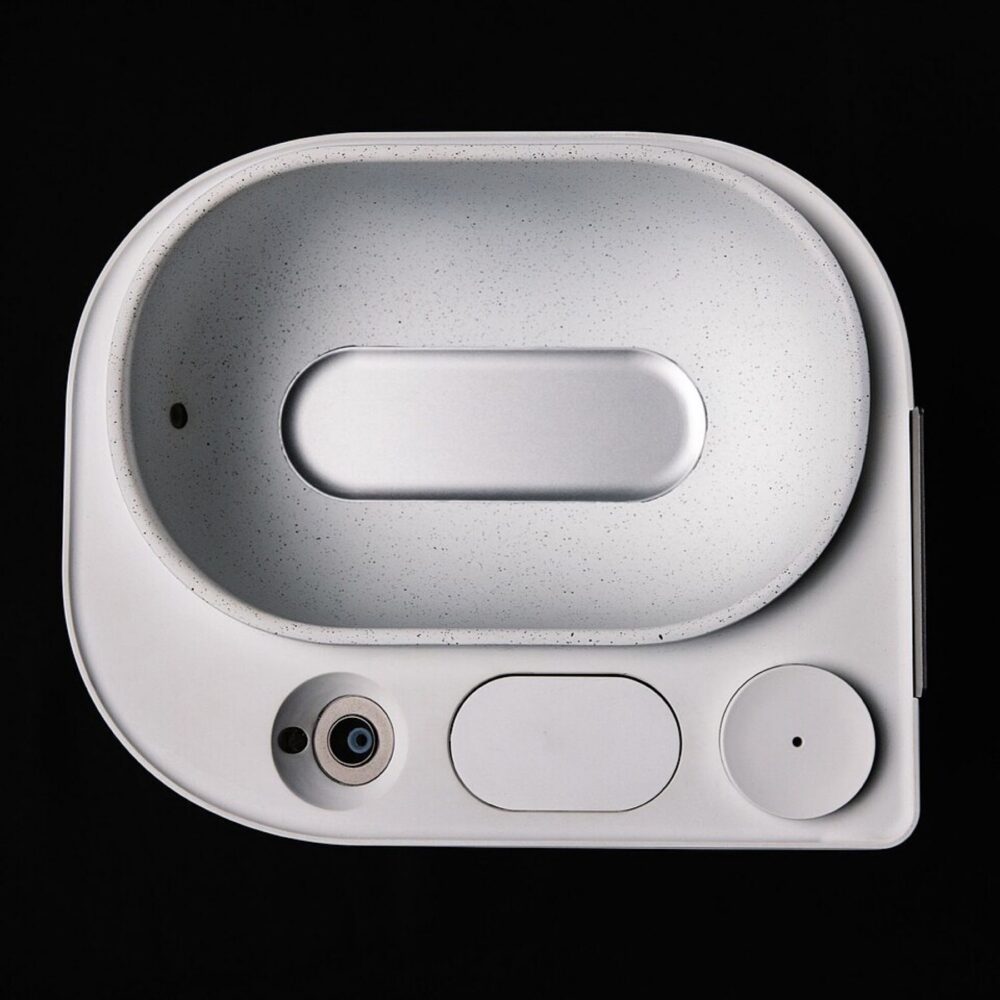
You can buy quiet white essential‑oil diffusers from local Australian retailers, specialist aromatherapy shops and global marketplaces. DHgate does list a wide range of aromatherapy goods and diffusers as a global B2B marketplace, which can suit bulk or cross‑border orders if you’re reselling. For a single quiet white diffuser you want quickly in Australia, though, you’ll usually have a smoother, lower‑risk experience with domestic sites such as Chemist Warehouse, Myer or niche stores like EarthSaltz and Aromatherapy for Australia.
The catch is that “quiet white diffuser” isn’t a single product: some designs are nearly silent, others hum or use a fan. So your best channel depends on whether you’re buying one minimalist bedside unit, outfitting a salon, or testing styles for your online store.
What Counts as a Quiet White Aromatherapy Diffuser?
A white aromatherapy diffuser is simply a device that disperses essential oils into the air and happens to be finished in white so it blends with most decor. The part that affects how quiet it is comes down to the mechanism.
Ultrasonic diffusers use a vibrating plate in a water reservoir to create a cool mist. DHgate’s own editorial overview describes ultrasonic units as quiet‑running and energy‑efficient humidifiers that mix water with essential oils. In practice, they usually produce a soft hum and a very mild water sound, which most people find unobtrusive for bedrooms and living rooms.
Nebulizing diffusers use compressed air to vaporize undiluted oils into a strong, concentrated mist. They’re useful if you want a powerful scent without water, but that air compressor can be noticeably louder, especially in small quiet rooms.
Evaporative diffusers pass air over a pad or cartridge soaked in oil. Some use a small fan, others are passive. Fan‑based models can have a low whir; passive ceramic or reed styles are effectively silent, because they just let oil evaporate at room temperature.
White diffusers are available across all of these types. In Australia you’ll find white ultrasonic and ceramic designs at sites like DiffusersPlus and EarthSaltz, where designs range from simple matte cylinders to sculpted flower forms that double as decor.
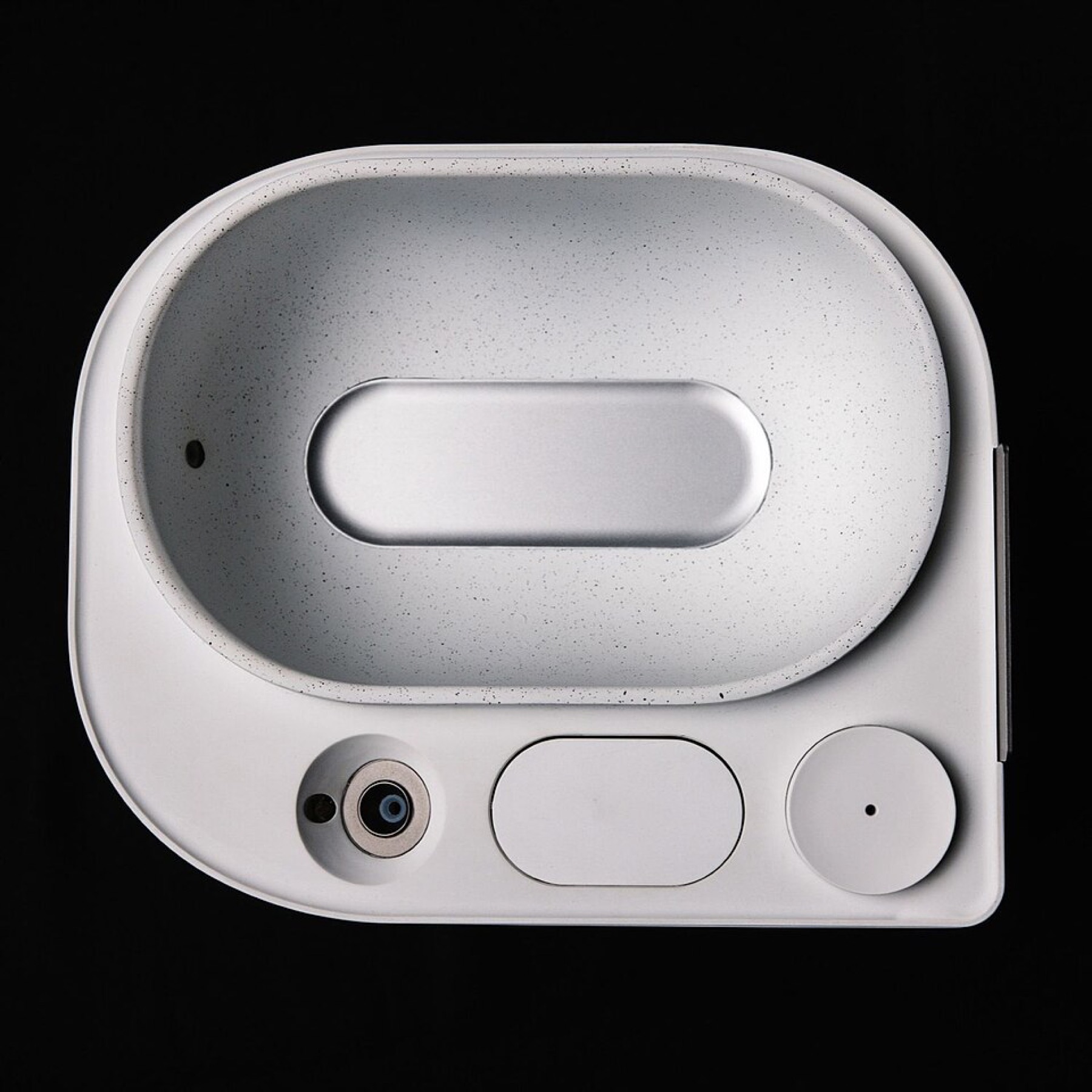
For a genuinely quiet experience with essential oils, most home buyers lean toward ultrasonic or passive ceramic styles in white, and then keep any fan‑based evaporative units for larger, noisier spaces.
Diffuser type, noise and typical channels
The way you buy often lines up with the diffuser type:
| Diffuser type | Typical noise level | Good online channels for Australians |
|---|---|---|
| Ultrasonic (white) | Soft hum, light water sounds | Local chemists and department stores; AU aromatherapy sites |
| Nebulizing (white) | Noticeable compressor noise | Specialist aromatherapy retailers; some international sites |
| Passive ceramic/reed | Silent | Australian decor/aromatherapy boutiques; importers |
| Fan evaporative | Low fan whir | General retailers and marketplaces |
This helps narrow where you look: for a quiet bedside unit, start with ultrasonic or ceramic listings on Australian retail sites; for stronger scent in commercial spaces, specialist nebulizing diffusers are more likely to show up on niche aromatherapy platforms.
Key Choices When You’re Buying a White Diffuser Online
When you’re evaluating listings online, a “quiet white diffuser” comes down to a few concrete specs and quality signals.
1. Diffuser type and noise profile
If you want something you can barely hear on a nightstand, prioritize ultrasonic or passive ceramic over nebulizing and fan‑driven evaporative designs. Ultrasonic listings typically mention water capacity, mist output and often call out “whisper‑quiet” operation. Ceramic designs, like the white flower diffusers at EarthSaltz, don’t use power at all, so noise is a non‑issue; the trade‑off is a softer scent.
On DHgate or any marketplace, the product title and description should clearly state whether the diffuser is ultrasonic, nebulizing or an oil burner/evaporative style. If the mechanism isn’t clear, treat that as a red flag and move on.
2. Capacity, run time and room size
For bedrooms and home offices, many buyers look at the 100-250 ml range in ultrasonic units, since it’s enough for a few hours of mist without creating a wet environment. Retail examples in that bracket show up on sites such as GoSupps, which offers compact white diffusers aimed at small rooms.
If you’re sourcing for a studio or retail floor, larger tanks give longer run times, but you’ll need to check whether the unit has adjustable output and auto shut‑off. Those details are typically spelled out in Australian listings from stores like Chemist Warehouse and aromatherapy specialists.
3. Materials and finish
White diffusers come in ABS plastic, glass and ceramic. Plastic ultrasonic bodies are light and inexpensive but can yellow over time. Ceramic covers, like the lotus designs sold by DiffusersPlus, feel more premium and tend to sit better in minimalist or spa‑style interiors.
Online, look for clear photos of the housing and any seams. If you’re buying cross‑border from a marketplace such as DHgate, scrutinizing photos and descriptions matters even more because you’re not seeing the finish in person before import. For resellers, check whether the styling fits your brand aesthetic—plain cylindrical plastic might be fine for budget buyers, while small ecommerce brands often prefer ceramic or “stone” finishes in matte white.
4. Certifications and basic electrical safety
For powered diffusers, check that the listing mentions appropriate regional plugs and basic electrical standards. Australian‑focused sites usually sell units compatible with local sockets and volts. If you’re ordering from overseas, you may need adapters and should budget time to verify that the unit is intended for your region.
5. Where DHgate fits these buying choices
DHgate describes itself as a global marketplace linking mainly Chinese manufacturers with small and medium businesses and notes that it carries many aromatherapy goods, decorative diffusers and essential‑oil equipment. That can be attractive if you’re sourcing white diffusers in bulk for resale or private‑label work, since you can compare a wide range of designs directly from suppliers.
If you are considering DHgate more broadly, it’s worth understanding how the marketplace works via this overview of DHgate’s model and sharpening your sourcing habits with the guide on finding trusted sellers on DHgate.
Best Online Channels to Find White Diffusers for Home or Resale
Once you know the type and specs you want, choosing a channel is mostly about speed, risk tolerance and whether you’re buying one unit or stock for a business.
Australian specialty aromatherapy shops
Dedicated aromatherapy retailers give you the most curated selection of diffusers that genuinely pair well with essential oils. Sites like Aromatherapy for Australia and AWO carry white ultrasonic diffusers and vaporisers built for routine oil use, often alongside oil blends and usage guidance.
These shops are good channels if:
- You care more about build quality than absolute lowest price.
- You want designs that already fit aromatherapy norms (auto shut‑off, recommended room sizes, clear pairing with oils).
For small ecommerce businesses, they can also serve as initial stock sources while you test which diffuser formats your customers prefer before shifting to wholesale or cross‑border sourcing.
Broader Australian retail: chemists, department stores and imports
General retailers add mainstream options and easier access. Chemist Warehouse’s diffuser section regularly features white ultrasonic units, often in simple, mass‑market designs. Department stores such as Myer stock smart white diffusers and scented reed sets, while importers like Glassware Imports offer decorative ceramic bases in white.
These channels work well when:
- You want to buy one or two diffusers quickly with familiar checkout flows.
- Noise and aesthetics matter, but you don’t need deeply niche aromatherapy hardware.
For side‑hustle sellers, they’re useful for benchmarking what “normal” pricing and styling looks like in the Australian market.
International retailers and marketplaces
If you’re comfortable ordering overseas, international platforms broaden the design range.
- GoSupps lists multiple white essential‑oil diffusers, including ceramic‑clad ultrasonic units and passive white camellia diffusers.
- Walmart’s white aromatherapy diffuser category is broad, spanning everything from very simple plastic units to more styled pieces.
- On TikTok Shop, creators sell white ceramic ultrasonic diffusers positioned as quiet, long‑running decor pieces.
- Resale marketplaces like Mercari often have individual sellers listing white diffusers, including discontinued or second‑hand models.
These channels can be attractive for unique styling or low per‑unit prices, but they add extra complexity: you’ll need to confirm plug compatibility, check return options and treat each seller as its own storefront.
Cross‑border wholesale or semi‑wholesale sourcing
If you’re a small ecommerce business planning to stock white diffusers as a core category, cross‑border sourcing becomes relevant. That might mean:
- Working with overseas retailers that ship multiples of the same model.
- Exploring B2B marketplaces such as DHgate for direct access to manufacturers and suppliers who can provide bulk quantities or variations suitable for branding.
If you only need five quiet white diffusers for a yoga studio, a domestic retailer or importer will usually be simpler. Reserve cross‑border, marketplace‑style sourcing for scenarios where you’re chasing specific designs, better margins on volume, or customisation that local shops don’t offer.