
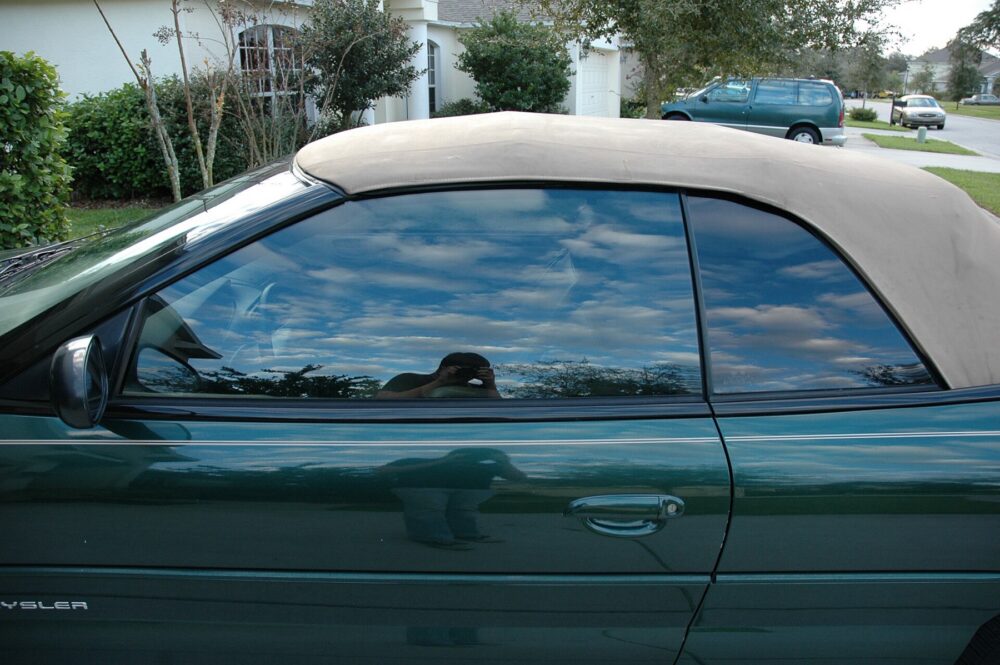
For a Canadian sedan, a balanced starting point is 30-35% VLT (visible light transmission) on the front side windows, 20-30% on the rear windows, and a lighter windshield strip, using a carbon or ceramic film. That range looks noticeably tinted, improves comfort and privacy, and tends to sit closer to the “mid” shades many installers recommend where laws rely on judgment rather than fixed numbers. Once you know your target percentage and film type, you can either have a local shop install it or buy rolls of film from brand sites or marketplaces (including global platforms like DHgate) if you’re doing DIY or small-scale resale.
What Window Tint Percentages Mean for a Canadian Sedan
Window tint percentage is the VLT: the amount of visible light that gets through the glass and film together. Lower numbers mean darker windows and less light passing through.windowtintlaws.com’s VLT guide explains this in detail.
Here’s how common bands look and feel on a typical sedan:
| Tint level (VLT) | How it roughly looks | Privacy & comfort feel (editorial judgment) |
|---|---|---|
| 70% | Very light, close to clear glass | Minimal privacy, slight glare reduction; often used where rules are strict |
| 50% | Light tint | Cabin feels a bit cooler, interior still clearly visible from outside |
| 30-35% | Medium tint, clearly noticeable | Good daytime privacy, much less glare; popular for daily drivers in many marketsPolartint chart |
| 20% | Dark-but-usable | Strong privacy in daylight, interior harder to see; night visibility begins to feel more compromised |
| 5% | Very dark “limo” look | Maximum privacy, heavy night-time visibility penalty; often used only on rear windows
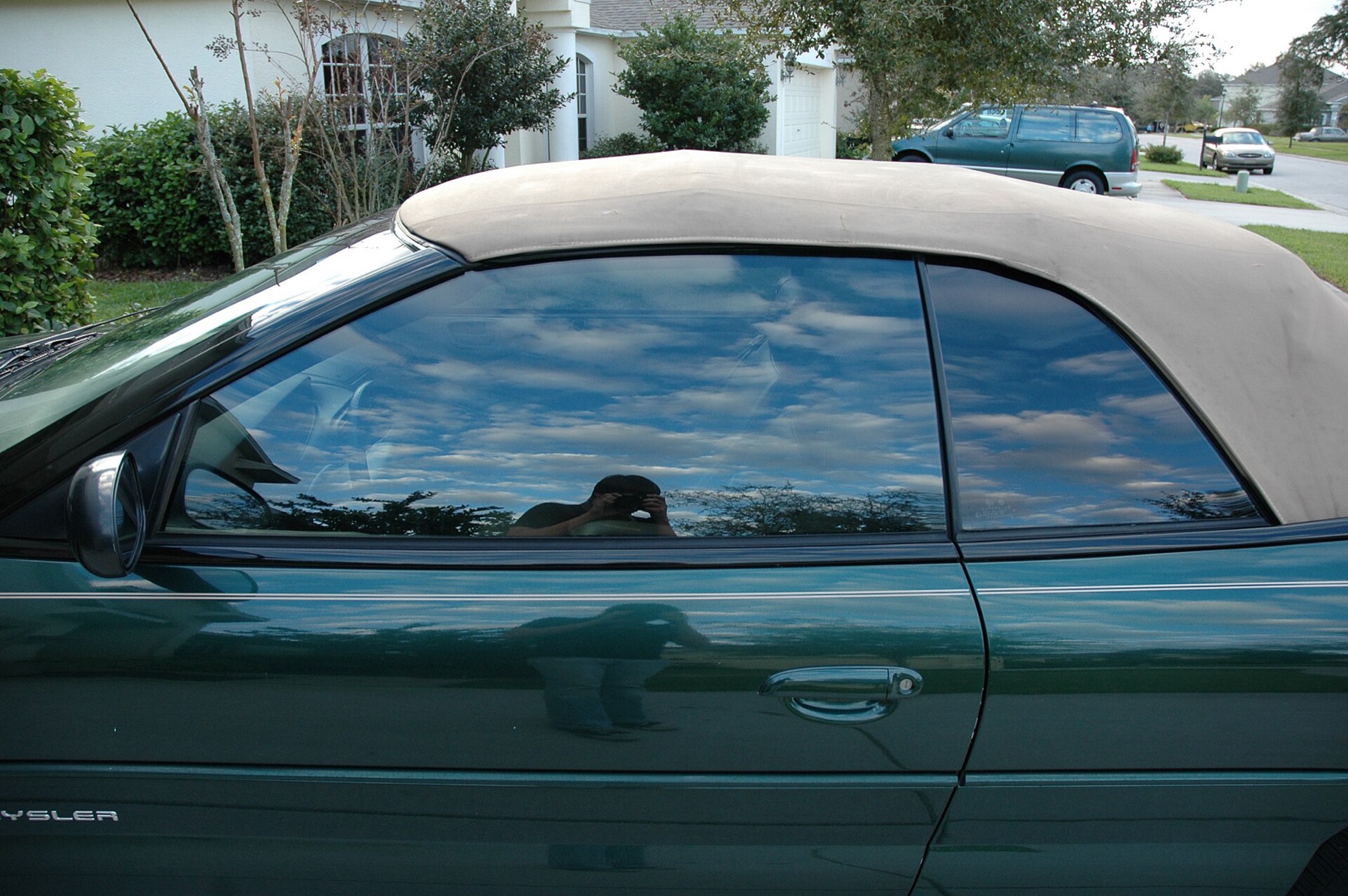
On a sedan, that translates visually to: 50-70% front windows looking subtly smoked, 30-35% giving a clearly tinted but not extreme look, and 20%+ starting to feel “blacked out,” especially on a darker paint color.
Ontario’s Highway Traffic Act, for example, doesn’t specify exact VLT numbers. As Beyond Detail’s legal guide explains, officers assess whether the tint obstructs your view or substantially obscures the interior when viewed from outside. Because that’s a judgment call, many Canadian installers steer everyday drivers toward mid-range tints on the front side windows rather than very dark shades.
Picking Tint Percentages and Film Types for Real Use Cases
Once you understand the numbers, the real choice is matching percentage and film type to how you use the car and your risk tolerance.
1. Daily commuter in mixed Canadian weather
If you mostly drive to work and around town, often at night in winter:
- Front side windows: ~30-35% VLT
- Rear side & rear glass: ~20-30% VLT
- Windshield: Clear with a legal-size tint strip at the top
- Film type: Carbon or entry-level ceramic
This combo keeps the front reasonably transparent for night driving and roadside checks, while the rear gets more privacy and heat rejection. A carbon film gives better fade resistance than basic dyed film, while ceramic typically adds stronger heat and infrared rejection.Coateau’s guide notes that ceramic films generally sit at the top of the performance ladder for heat and UV, at a higher price tier.
2. Long highway drives and hot-summer comfort
For cross-province trips and lots of sunny highway time, comfort becomes more important than pure darkness.
- Front side windows: 35-50% VLT (lighter on the front than the rear)
- Rear side & rear glass: 20-30% VLT
- Film type: Ceramic if budget allows; otherwise carbon
A lighter front tint with a higher-performing film often beats a very dark low-performing tint. Ceramic’s better heat rejection and UV blocking helps keep the cabin cooler and protect interiors even if the glass doesn’t look radically dark.Window tint percentage charts show how higher VLT films can still offer meaningful glare reduction.
3. Rideshare and taxi-style use in Canadian cities
If passengers care about privacy and you spend time waiting curbside:
- Front side windows: ~35% VLT to avoid a “too dark to see the driver” look
- Rear passenger & rear glass: 20% VLT or slightly darker
- Film type: Carbon or ceramic, depending on budget
This split keeps the front friendly and inspection-friendly while giving rear-seat passengers enough privacy. Because some Canadian enforcement is subjective, anything darker than about 30-35% on the front side windows increases the odds that an officer might decide the interior is “substantially obscured” and raise questions.
4. DIY installer or small ecommerce business
If you’re buying rolls of film to DIY your own sedan or re-sell small quantities:
- Core SKUs to stock:
- 35% VLT ceramic (or carbon) for front side windows
- 20% VLT ceramic/carbon for rear windows
- 50-70% VLT for customers who want legal-friendly or very light tint
- Film types: Prioritize ceramic for your “premium” option and carbon for mid-tier; dyed films can fill the budget segment but age and fade faster.Coateau and Film Source Supply both outline the durability and performance gaps between these film families.
Here you’re less constrained by one car’s needs and more by what most customers ask for. Many tint businesses report 20% and 35% as their most commonly requested shades for sedans and small crossovers, with 50% as a “safe” band for more cautious drivers.
Local Shops vs Brands vs Marketplaces (Including DHgate)
Once you’ve narrowed your target percentages and film type, you still need to decide how to buy.
Local tint shops in Canada
A Canadian tint shop typically:
- Measures your glass and recommends VLT combinations that sit closer to local enforcement norms.
- Installs the film professionally and handles curves, defroster lines, and contamination control.
- Packs film cost and labor into one price, sometimes with a warranty.
This is usually the least risky route if your main goal is a compliant, clean install on one sedan rather than handling film yourself. Guides like Beyond Detail’s Ontario piece are written by shops that also install what they recommend.
Brand-direct and distributor channels
If you’re confident in DIY or sourcing for resale, several brands and distributors sell rolls of tinted film online. As ModManual’s overview notes, automotive window tint films are widely available through:
- Brand-direct ecommerce sites
- Regional distributors and wholesalers
- General automotive accessories retailers
Buying here gives you better control over exact film families (specific ceramic or carbon lines) and often clearer technical datasheets, which matter if you’re reselling.
Global marketplaces and cross-border options like DHgate
Global marketplaces connect Chinese and other overseas sellers with buyers and ecommerce operators looking for low-cost, bulk products. DHgate, for example, operates as a marketplace where international buyers source many categories of goods from Chinese merchants, including various films and home-decor products.DHgate’s own editorial explains its role as a connection point rather than a single brand.
For window tint, a platform like DHgate is most relevant when:
- You want bulk rolls at aggressive pricing for DIY or small resale.
- You’re comfortable comparing listings, specs, and reviews across multiple sellers.
- You’re willing to evaluate film type (dyed vs carbon vs ceramic), thickness, and VLT claims carefully rather than relying on a local installer’s brand.
If you go this route, pair marketplace discovery with a more cautious workflow:
- Cross-check VLT and film-type specs against independent guides such as Coateau’s percentage primer or Film Source Supply’s VLT explanation.
- Treat extremely low prices on “ceramic” or “carbon” film as prompts to dig deeper into reviews and sample small quantities first.
- For purely local, single-vehicle use where legal comfort and workmanship matter more than cost, weigh a tint shop or brand-direct purchase more heavily.
If you want to understand how DHgate itself works before considering it for tint film, you can read What DHgate is and how the marketplace works. And if you do decide to explore listings there, Find trusted sellers on DHgate and the DHgate order-readiness checklist give you marketplace-specific questions to ask.
For a single sedan under roughly a couple hundred dollars installed, though, your most practical path is usually: pick a mid-range tint (around 30-35% front, 20-30% rear), choose carbon or ceramic film, and work with a Canadian installer who understands your province’s judgment-based rules.