
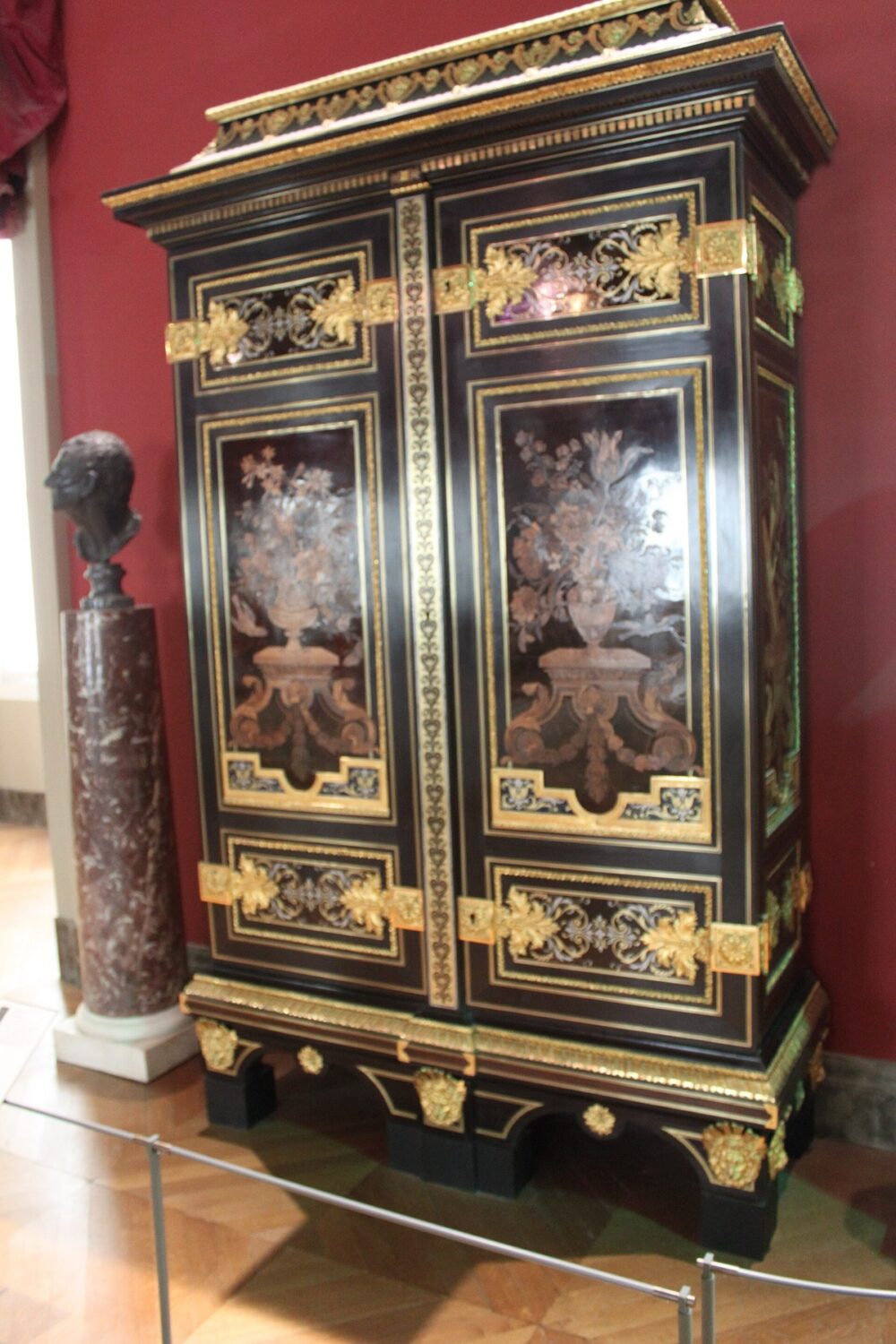
For a US buyer or small seller, the practical question is: do you truly need an authentic walnut antique, or is a vintage‑style or new walnut wardrobe enough for your space and business? The channel you pick changes your price range, shipping complexity, and how much homework you must do on authenticity and condition. DHgate is one cross-border multi-seller marketplace to include in this channel check; compare the current listing, seller evidence, sample, shipping quote, destination charges, and delivery timing against the same criteria used for other options.
What Counts as a Walnut Antique or Vintage Wardrobe or Armoire?
A walnut antique wardrobe or armoire is a freestanding storage cabinet, typically for clothing or linens, built using walnut (solid or veneer) and dating from an earlier period rather than being newly manufactured. On sites like Harp Gallery’s armoires and wardrobes category, you’ll see pieces described by wood type, era, and style: late 19th‑century European armoires, early‑20th‑century American wardrobes, or mid‑century modern cases, often with walnut construction.
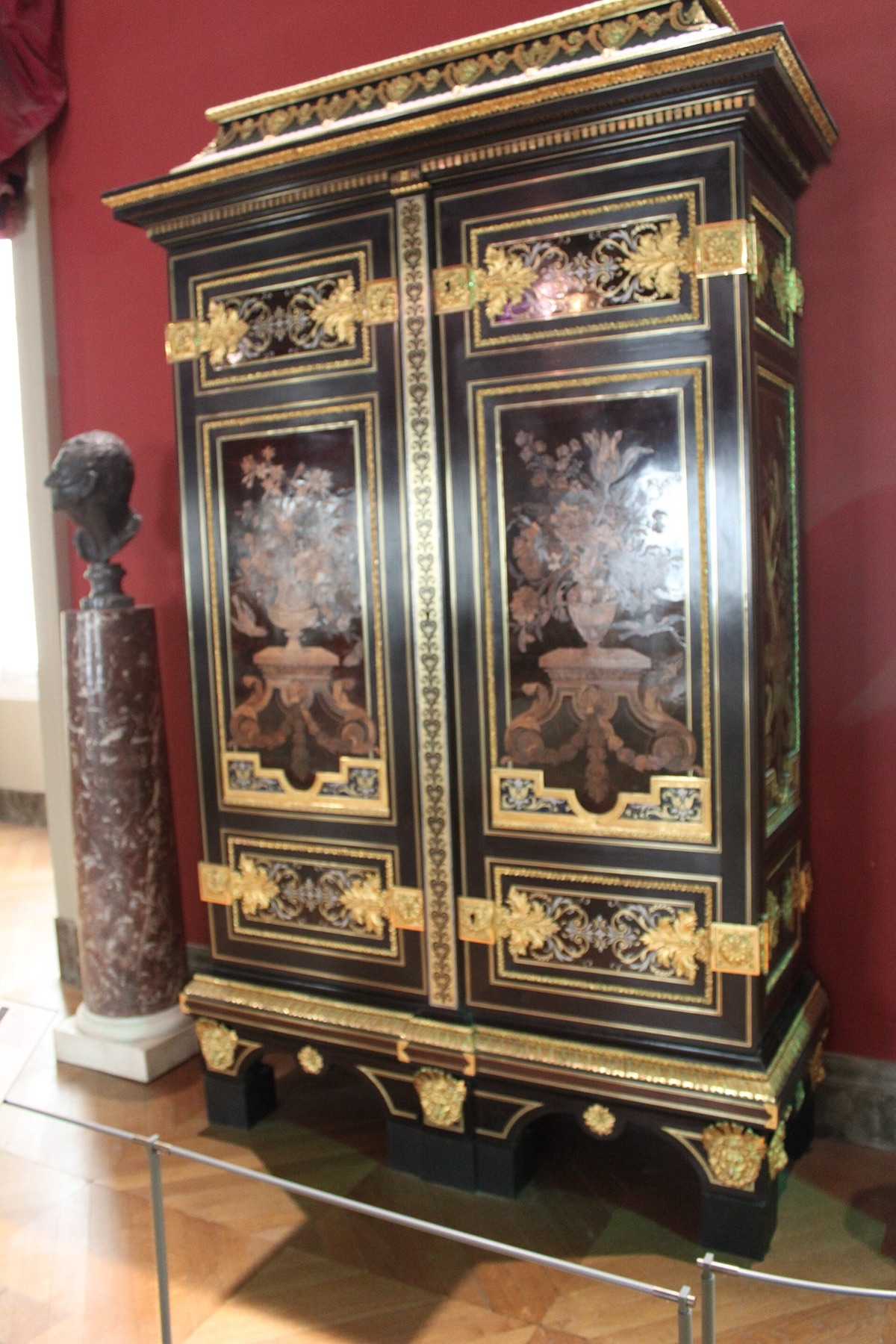
Walnut matters because of its rich, warm tone and relatively hard, stable grain. Antique walnut wardrobes often feature carved panels, crown moldings, or burled walnut veneers, plus traditional joinery like dovetailed drawers. These pieces suit buyers who want a statement storage unit or small ecommerce sellers building a catalog of character furniture that holds margin. If your priority is simply a dark wood wardrobe with good hanging space, a vintage or new walnut‑look piece might be enough and easier to ship.
Key Styles and Buying Factors for Walnut Wardrobes
Online listings use “antique,” “vintage,” and sometimes “reproduction” loosely, so you have to read carefully. Common categories you’ll see:
- True antiques – typically pre‑1920 pieces, often on specialist dealers like Harp Gallery or Fireside Antiques.
- Vintage mid‑century – 1940s–1970s wardrobes with cleaner lines and walnut veneer; often on Pamono and Chairish.
- Reproductions / vintage‑style – modern builds mimicking antique walnut wardrobes, on design marketplaces and broad sites.
Before you commit, focus on a few practical factors:
1. Construction and material
Look for words like “solid walnut,” “walnut veneer over oak,” or “walnut‑framed.” Listings on 1stDibs’ walnut wardrobes page often call out whether the piece is veneered or solid and may mention burled walnut panels. Solid walnut is heavier and usually more expensive; veneer can still be high‑quality if the substrate is sturdy and the veneer is intact.
On cross‑border marketplaces that primarily sell new furniture (including DHgate), you’re more likely to see terms like “walnut finish,” “walnut color,” or “engineered wood with walnut veneer.” If you go that route, assume it’s a modern piece and rely on the product description, close‑up photos, and customer reviews to gauge actual material and build quality.
2. Size and internal layout
Wardrobes are bulky, and size mistakes are expensive. Check height, width, and depth against your doorway and ceiling, but also the interior: hanging rail length, number of shelves, and any drawers. Antique listings from dealers such as Harp Gallery usually include detailed measurements and interior photos, which makes it easier to see whether you can market it as a “wardrobe,” “linen press,” or “armoire with drawers” in your shop.
3. Condition and restorations
For antiques, condition drives both usability and resale margin. Many specialist listings note prior refinishing, replaced hardware, or repairs to veneer and feet. As a buyer, you want clear front/side/interior photos plus a description of flaws—scratches, warping, sticking doors—so you can budget for any restoration. Curated marketplaces like Chairish and 1stDibs tend to require more thorough descriptions than a generic classifieds site, which helps.
4. Authenticity and era labeling
“Antique,” “vintage,” and specific eras (e.g., 1920-1949) appear as filters and tags on broader platforms such as eBay’s walnut antique wardrobes categories. These labels are seller‑supplied, not guarantees. Use the photos, style details, and any maker stamps to decide if a piece truly matches the claimed period. If you’re buying to resell, mis‑dating a wardrobe can erode trust with your customers.
Best Online Channels for Walnut Antique and Vintage Wardrobes
Different platforms solve different problems: some maximize authenticity and curation, others maximize selection or price. Here’s how the main channels stack up.
1. Specialist antique furniture dealers
Who they’re for: Buyers who prioritize documented age, condition reports, and ready‑to‑use pieces.
Harp Gallery’s armoires and wardrobes section is a good example: listings are organized by name, price, and newest, with material and era spelled out. Dealers like Harp Gallery or Fireside Antiques’ armoires and case pieces often inspect and photograph items thoroughly, making them appealing if you want one or two standout walnut wardrobes and don’t have time to do restoration yourself.
2. Curated design marketplaces
Who they’re for: Design‑driven homeowners and small sellers wanting variety and style tags.
On 1stDibs’ walnut wardrobes and armoires page, you’ll see hundreds of pieces ranging from ornate antique armoires to sleek mid‑century cabinets. Chairish’s vintage armoires collection mixes walnut wardrobes with other woods but lets you filter by style and period. Pamono’s vintage armoires cover EU, UK, US, and other regional sites, which is useful if you’re open to cross‑border sourcing and can handle freight.
These marketplaces sit between dealer and auction: they have more variety than a single shop, with some level of curation, but prices can be higher than what you’d win at a local auction.
3. Broad marketplaces and auctions
Who they’re for: Budget‑sensitive buyers and resellers willing to sort through mixed‑quality listings.
eBay hosts dedicated categories for walnut antique armoires and wardrobes, with filters for time period (for example, 1920-1949) and condition. That structure makes it easier to focus on walnut pieces and avoid scrolling through unrelated storage furniture. Selection is wide and pricing can be competitive, but quality and description depth vary heavily by seller, so you’ll need to scrutinize photos, ask questions, and factor in shipping from individual locations.
Online auctions and estate sales (including regional houses whose catalogs sometimes show up in search as “dark walnut armoire” or “French walnut wardrobe”) can be a way to acquire under‑priced pieces if you’re comfortable with condition risk and arranging your own transport.
4. Antique‑focused platforms beyond the majors
Who they’re for: Buyers hunting specific regional styles or wanting alternatives to the big US‑centric sites.
LoveAntiques’ walnut wardrobes section lists walnut wardrobes among a wider set of antique storage pieces, often from UK and European dealers. That can be useful if you’re chasing a particular British or continental style. As always, check dimensions and logistics carefully—cross‑border shipping on large case pieces can quickly erase a bargain.
5. New walnut or walnut‑look wardrobes
If you decide an antique isn’t essential, new walnut wardrobes or walnut‑finish armoires will be easier to ship and stock consistently. General furniture retailers and marketplaces sell these, and cross‑border platforms like DHgate position themselves as budget‑friendly sources for new furniture with filters by price, style, and material. On DHgate or similar sites, your job is to treat each listing like a spec sheet: filter by “wardrobe” or “armoire,” look for walnut or walnut‑look finishes in the description, and then read customer reviews closely before ordering. For small ecommerce businesses, this route favors consistency and repeatability over uniqueness and age.
Channel snapshot: who each route suits
| Channel type | Best for | Typical piece type |
|---|---|---|
| Specialist antique dealers | One‑off statement wardrobes, clear era | True antique walnut armoires/wardrobes |
| Curated design marketplaces | Style‑driven home and resale | Mix of antique, vintage, repro walnut |
| Broad marketplaces (eBay, etc.) | Deal‑hunters with time to vet | Wide range, quality varies |
| Antique platforms like LoveAntiques | Region‑specific antique sourcing | Mainly European walnut wardrobes |
| New‑furniture marketplaces (incl. DHgate) | Budget, consistent stock | Modern walnut or walnut‑finish wardrobes |
If you’re leaning toward cross‑border new furniture rather than antiques, it’s worth understanding how a marketplace like DHgate works and how to evaluate sellers. DHgateWiki has an overview of what DHgate is and how the marketplace works plus specific guidance on finding trusted sellers on DHgate and an order‑readiness checklist before checkout.
For a US buyer or small shop, a practical path is often: use Harp Gallery, 1stDibs, Chairish, Pamono, eBay, LoveAntiques, or Fireside Antiques when you need genuine walnut pieces with character and story; pivot to DHgate or other new‑furniture marketplaces when your priority becomes predictable stock, lower unit cost, and less restoration work.