
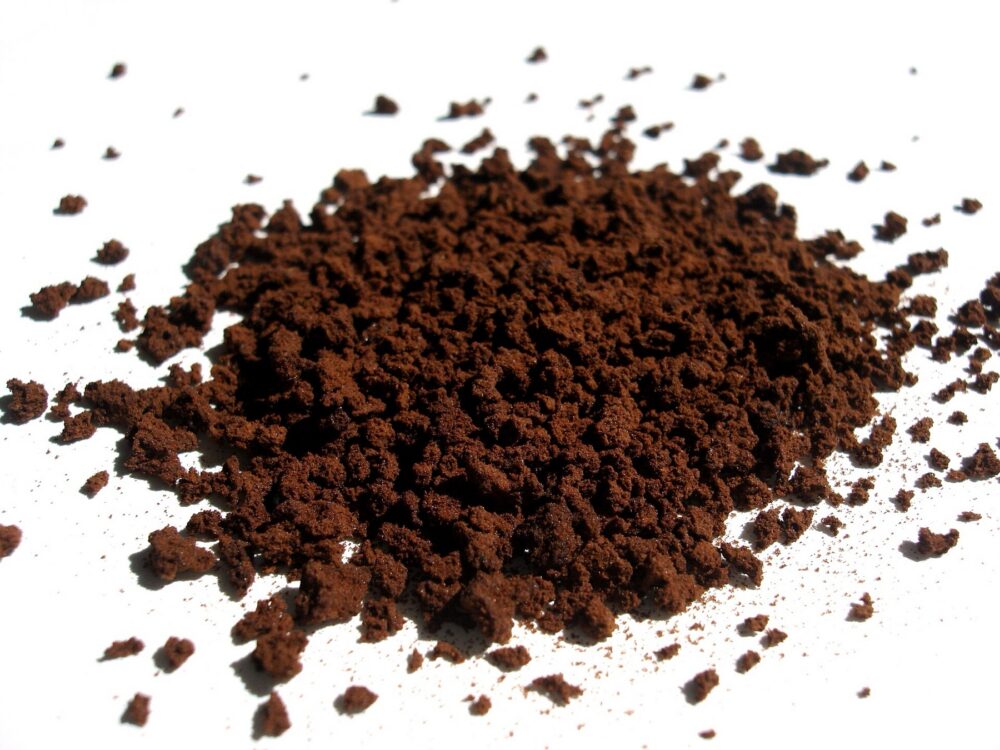
For a rich Colombian instant coffee, start with three filters: look for “100% Colombian Arabica” on the label, choose freeze‑dried over generic spray‑dried when you can, and pick a roast level that matches how bold you like your coffee. Well‑known Colombian brands such as Juan Valdez and Colcafé are popular reference points in buying guides and can make it easier to get a reliably flavorful jar or sachets. DHgate, by contrast, leans toward wholesale and manufacturer‑direct listings; it’s a secondary place to explore options or packaging ideas, not a primary source for mainstream branded Colombian instant coffee.
What Counts as Good Colombian Instant Coffee?
Colombian instant coffee is usually made from beans grown in Colombia’s mountain regions, then brewed in bulk and dehydrated into crystals or granules. Compared with generic instant blends, Colombian versions are often prized for brighter acidity and a smoother, more balanced cup.
Buying guides often highlight 100% Colombian Arabica as a practical quality shortcut. Arabica beans from Colombia are described as offering smoother, more flavorful instant coffee than mixed‑origin blends that might include cheaper Robusta or undisclosed sources. Guides focused specifically on instant formats recommend prioritizing this claim when flavor matters most, especially if you’re stocking for customers who care about origin.
Popular Colombian brands help anchor expectations. Products like Juan Valdez freeze‑dried instant coffee are sold specifically as Colombian origin coffee, with branding built around Colombian farms and national coffee culture.Juan Valdez product example Likewise, Colcafé appears frequently in US‑facing listings and brand overviews as a mainstream Colombian instant option. These don’t guarantee that you’ll love the taste, but they are widely used as reference points in rankings and buying guides.
If you’re a home drinker, these “100% Colombian” claims and recognizable brands are your fastest way to avoid flat, anonymous instant coffee. For a small reseller, they’re also practical anchors for your assortment: customers recognize the labels and often know roughly what flavor profile to expect.
Types and Specs: Freeze‑Dried, Spray‑Dried, Roast, and Packaging
Processing, roast level, and packaging format all change how Colombian instant coffee tastes and how easy it is to resell.
Freeze‑dried vs spray‑dried Colombian instant coffee
Buying guides for Colombian freeze‑dried coffee explain that this method tends to preserve more aromatics, producing a richer, more complex cup than spray‑dried alternatives.Colombian freeze‑dried guide Freeze‑dried crystals usually look irregular and chunky, dissolve cleanly, and are often marketed as “premium” or “gourmet.”
Spray‑dried granules are more common in mass‑market jars and vending formats. They can taste simpler and more one‑note, though some drinkers prefer their straightforward, strong profile.
Here’s how those trade‑offs look side by side:
| Instant type | Typical look/texture | Flavor positioning (editorial judgment) | Best fit scenarios |
|---|---|---|---|
| Freeze‑dried | Chunky, irregular crystals | Often described as richer, more aromatic | Home drinkers, specialty resellers |
| Spray‑dried granules | Fine, uniform granules | Usually framed as straightforward, robust | Everyday jars, office coffee, vending |
| Vending sachets | Fine powder or granules in bags | Designed for consistency more than complexity | Offices, hotels, budget‑friendly reselling |
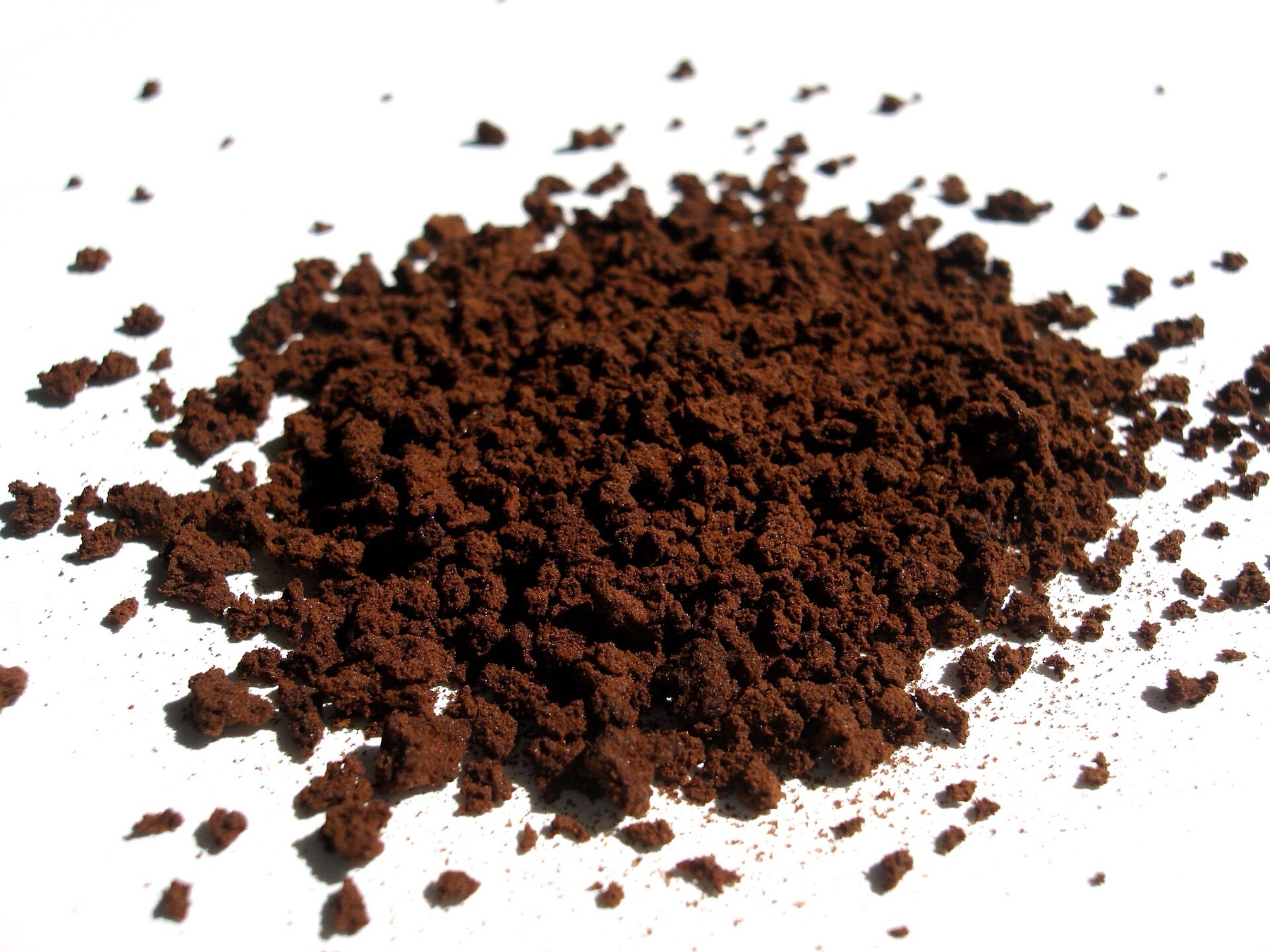
If your goal is rich flavor for home or a boutique online store, lean freeze‑dried. If you’re feeding a break room or need low‑friction portion control, spray‑dried granules and vending sachets are usually more cost‑efficient and familiar.
Roast level: medium vs dark Colombian instant
Brands selling Colombian instant coffee often offer medium and dark roasts with different marketing:
- Dark‑roast Colombian instants are promoted as stronger, bolder and more intense, aimed at drinkers who like a punchy cup. For example, Waka Coffee’s dark‑roast Colombian instant line is positioned specifically for bold flavor.Dark roast Colombian example
- Medium roasts are typically framed as more balanced, with some brightness and acidity left intact, better for people who want richness without heavy smokiness.
For home use, pick dark roast if you usually drink French roast or strong espresso blends; pick medium if you favor classic drip coffee and want origin character to show through. Small ecommerce sellers often carry both, labeling them clearly in product descriptions so customers can self‑select.
Packaging and format
Colombian instant coffee shows up in several formats:
- Glass or plastic jars: good for kitchen counters and recurring use. They work well for resellers who ship domestically and want recognizable packaging.
- Single‑serve sticks or sachets: easier for travel, office use, or subscription boxes. Brands like Waka and Nescafe sell Colombian instant in packet form; similar sachets also appear in vending‑style offerings.
- Bulk bags or vending sachets: aimed at food‑service, offices, or resellers who repackage. These tend to prioritize consistency and cost per serving over nuanced flavor.
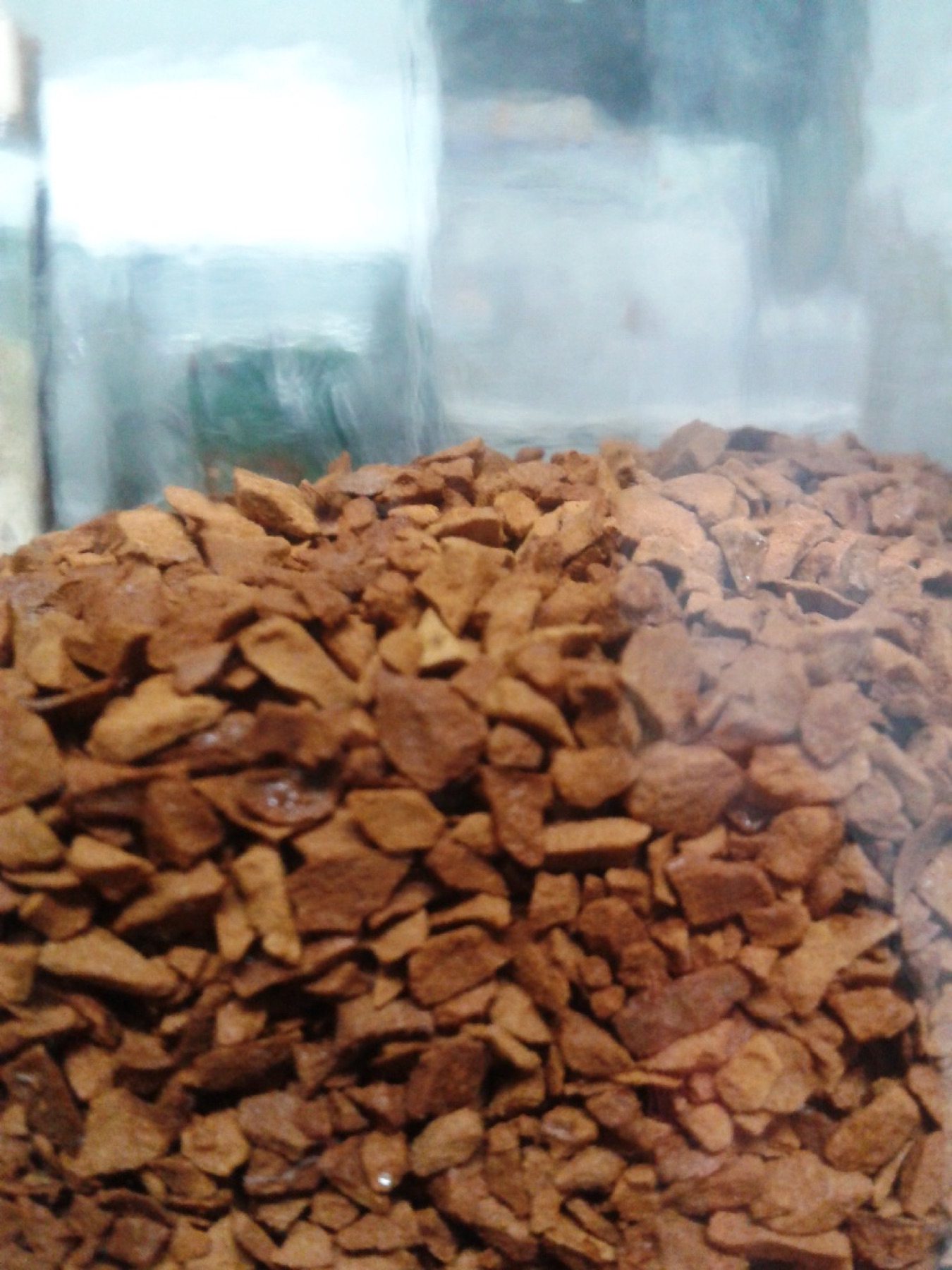
If you’re a small ecommerce business, think through how your customers actually drink coffee. Jars suit pantry stocking, while sachets have higher perceived convenience and can be combined with other products in bundles.
Buying Colombian Instant Coffee: Quality Signals, Brand Examples, and DHgates Role
Once youre scrolling listings or standing in an aisle, focus on a few concrete signals:
- Origin and bean type on the label: Favor products explicitly labeled “100% Colombian” and “Arabica” when you want smoother, richer flavor. Guides like CoffeeBumpers Colombian instant overview repeatedly highlight this as a practical filter.
- Processing callout: Phrases like “freeze‑dried” or “lyophilized” usually indicate the more aromatic style described in Colombian freeze‑dried guides.Colombian freeze‑dried guide
- Brand recognition: Names such as Juan Valdez, Colcafé, and niche producers like Giraldo Farms appear throughout Colombian coffee buying content and retail listings. Theyre often used as benchmarks when reviewers compare taste and quality.
For US buyers, big retailers are straightforward starting points. Walmart, for example, carries multiple Colombian coffee and Colombian instant listings under different brands, making it easy to compare flavor claims, formats, and customer reviews in one place.Walmart Colombian coffee listings Target and various online specialty shops play a similar role.
If youre a small ecommerce seller sourcing for resale, those mainstream channels help you identify which brands and formats actually have demand in the US: look at which Colombian instants are stocked, how theyre labeled (dark vs medium, freeze‑dried vs not), and how customers describe flavor in reviews.
DHgate fits differently. Editorial comparisons of DHgate and AliExpress emphasize that DHgate focuses more on wholesale and manufacturer‑direct trade, with pricing oriented toward bulk orders and customization rather than single retail jars.DHgate wholesale positioning That makes it better suited as an exploratory discovery platform if youre looking for:
- generic Colombian‑style instant coffee in bulk,
- private‑label packaging options,
- or related accessories (cups, gift boxes) to pair with coffee you source elsewhere.
For additional DHgate platform context, use What DHgate is and how the marketplace works, Find trusted sellers on DHgate, and Review the DHgate order-readiness checklist.
For rich, branded Colombian instant coffee to drink at home or resell in modest volumes, youll usually have a simpler, better‑documented experience buying through US retailers and specialist coffee sites, and then treating DHgate as a secondary tool for bulk packaging or future product experiments rather than your main coffee supply.