
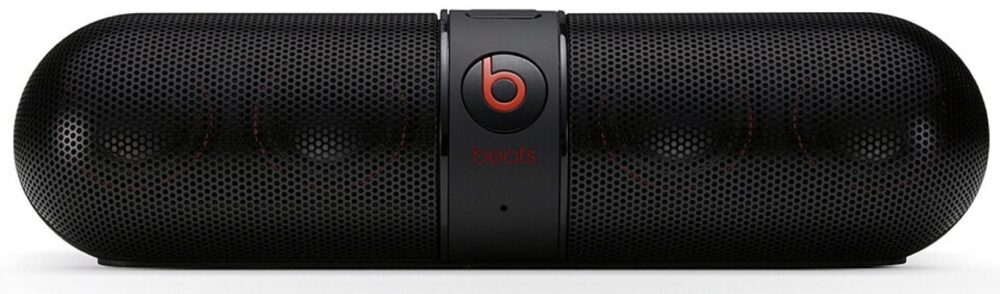
The key is to think in total cost: the speaker’s features, shipping to Canada, taxes or duties, and the time you’ll spend checking sellers. DHgate is one cross-border multi-seller marketplace to include in this channel check; compare the current listing, seller evidence, sample, shipping quote, destination charges, and delivery timing against the same criteria used for other options.
What Actually Makes a Budget Portable Bluetooth Speaker Cost What It Does Online
Portable Bluetooth speakers are compact, battery-powered speakers that connect wirelessly to your phone or tablet so you can play music and podcasts without cables. Editorial reviews like Tom’s Guide’s write-up of the Tribit XSound Go describe the basics: small footprint, rechargeable battery, Bluetooth connectivity, and often water resistance for outdoor use.
When you see these speakers listed online under $50 in Canada, you’re rarely looking at just the product price. Your real cost typically has four parts:
- Unit price – The headline price for the speaker itself. Domestic sites such as Best Buy Canada’s portable Bluetooth speakers category show a wide spread: recognizable brands at the upper end, house-brand and very small speakers toward the low end. Walmart Canada’s portable Bluetooth wireless speakers add another tier of generic-brand devices positioned for budget buyers.
- Shipping – On domestic orders, shipping might be free over a threshold or a flat fee. Cross-border orders from China-based sellers often add per-order international shipping, which can turn a cheap unit price into a mid-range landed cost.
- Taxes and possible import fees – Within Canada, you’ll usually pay sales tax at checkout. For cross-border shipments, you may also face duties or brokerage fees depending on declared value and carrier. These aren’t predictable from the product page alone and should be treated as a possible extra line item.
- Platform and payment friction – Currency conversion, foreign-transaction card fees, and your own time checking sellers or disputing problems if something arrives damaged.
If you’re buying one speaker for personal use, shipping and taxes dominate the difference between channels. If you’re buying 10-30 units to resell, unit price, shipping method, and duties start to matter more than retail-style convenience.
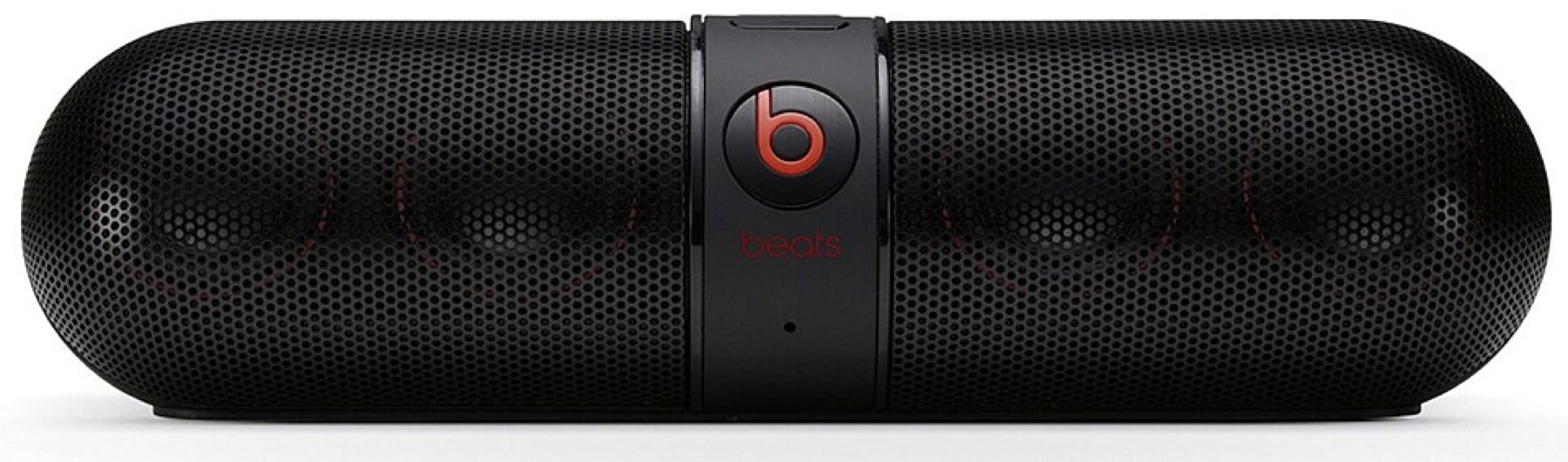
Key Price Drivers for Everyday Portable Speakers: Features, MOQ, and Shipping Choices
For everyday listening, the biggest price swings come from features and how you source.
Feature-level tradeoffs
DHgate’s own Bluetooth speaker guidance highlights sound quality, size, compatibility, waterproofing, voice control, lighting effects, and battery life as important criteria. Those points line up with mainstream editorial reviews:
- Battery life: Longer playback time usually means a larger battery and higher cost. If you only use a speaker at home for an hour or two, you may not need the premium battery spec you’d want for full-day outdoor use.
- Waterproofing: IPX7-style waterproof speakers cost more than non-rated or “splash-resistant” models. For a kitchen or office, you may be fine with basic protection; for poolside or camping, paying up can avoid replacing a dead speaker.
- Size and drivers: Tiny “pill” or puck speakers are cheaper and more portable but sound thin. Larger units with more powerful drivers deliver fuller sound and better bass at a higher price and weight.
- Brand and extras: Recognizable brands and features like integrated voice assistants, app EQ, or RGB lighting add cost that may not matter if you just want background music.
Sourcing and quantity decisions
For a single speaker, you’re essentially paying retail. For small-batch sourcing as a reseller, a few extra factors come into play:
- MOQ (minimum order quantity): Many wholesale-style listings expect you to buy a certain number of units. Higher MOQ can drop unit price, but it ties up more cash and adds risk if sound or reliability disappoint.
- Customization: Adding a logo or custom packaging increases cost and turnaround time. On a sub-$50 retail target, it often makes more sense only if you’re building a brand and can absorb the extra margin hit.
- Shipping method: Slower postal options usually cost less and suit stock you don’t need urgently; faster courier services raise landed cost but reduce lead times.
For everyday use, you’re deciding how far to push features before you lose value. Paying a bit more for proper waterproofing and a battery that comfortably covers your typical day is often a better tradeoff than chasing the absolute lowest price and having to replace a flimsy speaker.
Best Online Channels for Budget Portable Speakers (Including a Scoped DHgate Use Case)
From a Canadian perspective, portable Bluetooth speakers under $50 break into three practical channel types.
1. Domestic retailers and chains
Retailers like Best Buy Canada, Canada Computers, and Walmart Canada give you:
- Clear pricing in CAD with sales tax calculated at checkout
- Familiar return processes
- Brand assortment from budget generics up through established audio brands
For a single everyday speaker under $50, this channel usually wins on predictable total cost and low hassle, even if the absolute cheapest unit price might be lower somewhere else.
2. Large marketplaces (Amazon-style, plus cross-border options)
Big marketplaces mix domestic and international sellers in one catalog. You’ll see:
- More obscure or unbranded speakers at low headline prices
- Variable shipping times and costs, sometimes bundled into “free” shipping tiers
- A wide spread of quality, so reviews and seller history matter more
These platforms become attractive when you want a specific niche feature or you’re comfortable trading some predictability for a lower unit price.
3. China-based marketplaces and small-batch sourcing (DHgate scenario)
DHgate blog content describes using marketplace listings and even tools like Google Shopping to scan prices and quality for audio products before negotiating. Applied to portable Bluetooth speakers, DHgate can make sense if you:
- Want to source small batches of budget speakers to resell or bundle, not just buy one unit
- Are willing to spend time comparing multiple suppliers and models
Because DHgate is a multi-seller marketplace, fit is determined at the listing level, not the platform level. DHgate’s own editorial tips suggest two practical checks when you evaluate a speaker listing:
- Sample photos: Examine product photos closely to judge materials and finish. If the listing relies only on generic stock images or has very few photos, treat that as a signal to keep looking.
For Canadian buyers, DHgate starts to look relevant where you’d otherwise be talking to a factory or trading company: for example, a small ecommerce business ordering 20-50 everyday speakers as giveaways or low-ticket stock. At that point, comparing DHgate with other China-focused routes is useful; this comparison of DHgate vs AliExpress, Alibaba and Temu can help frame those choices.
Here’s a compact way to think about the channel tradeoffs if your budget per speaker is roughly $50 or less:
| Channel type | Best for | Typical effort level | Key cost risk from Canada |
|---|---|---|---|
| Domestic retailers | 1-2 speakers for personal everyday use | Low | Tax only; shipping often simple |
| Large marketplaces | Unique features, mix of brands and generics | Medium | Variable shipping and quality |
| China-based marketplaces | Small-batch sourcing at low unit prices | High | Shipping, duties, and vetting |
If you push into true wholesale quantities on DHgate or any other China-market channel, you’ll also want to understand how Canadian customs treats your imports. A separate guide on customs, tariffs and import fees is useful background before you commit to a larger order.
Practical Ways to Keep Total Cost Low Without Killing Everyday Usability
Once you’ve picked your main channel, a few focused moves help keep costs sensible.
For individual Canadian buyers
- Prioritize battery + waterproofing over brand extras: For an under-$50 everyday speaker, aim for solid battery life and at least basic water resistance. Skip voice-assistant integration or heavy lighting effects unless you know you’ll use them.
- Time purchases around sales: Domestic retailers and big marketplaces run regular promotions on audio gear. If you’re not in a rush, watching those categories for a week or two can move a mid-range model into your price band.
- Size match to your use case: Don’t pay for a large, party-sized speaker if you mostly listen at your desk. A smaller unit with decent reviews is cheaper and more practical.
For small ecommerce businesses and resellers
- Decide your minimum viable spec early: Write down your non-negotiables (e.g., Bluetooth 5.x, at least IPX5 water resistance, 8+ hours claimed battery) before you start comparing listings or suppliers, so you don’t waste time on unsuitable low-priced options.
- Bundle shipping where it makes sense: Whether you’re buying domestically or cross-border, combining speaker orders with other inventory can soften per-unit shipping impact.
- Use channel-appropriate negotiation and comparison: On China-focused platforms, DHgate’s blog suggests using marketplace listings plus tools like Google Shopping to understand price bands before pushing for a better quote. That kind of research tends to pay off only at batch quantities, not single units.
- Model landed cost, not just unit price: For cross-border sourcing, build a simple spreadsheet including unit price in the seller’s currency, estimated shipping per unit, taxes/duties assumptions, and your own handling costs. If the landed cost doesn’t clearly beat a domestic wholesale or retail route, the extra complexity probably isn’t worth it.
If you discover that your realistic landed cost pushes most speakers above your original budget, it’s better to adjust expectations (slightly smaller size, fewer extras, or a domestic supplier) than to accept a rock-bottom listing with unclear photos or weak feedback. The goal isn’t just to pay less once; it’s to avoid paying twice for a replacement.