
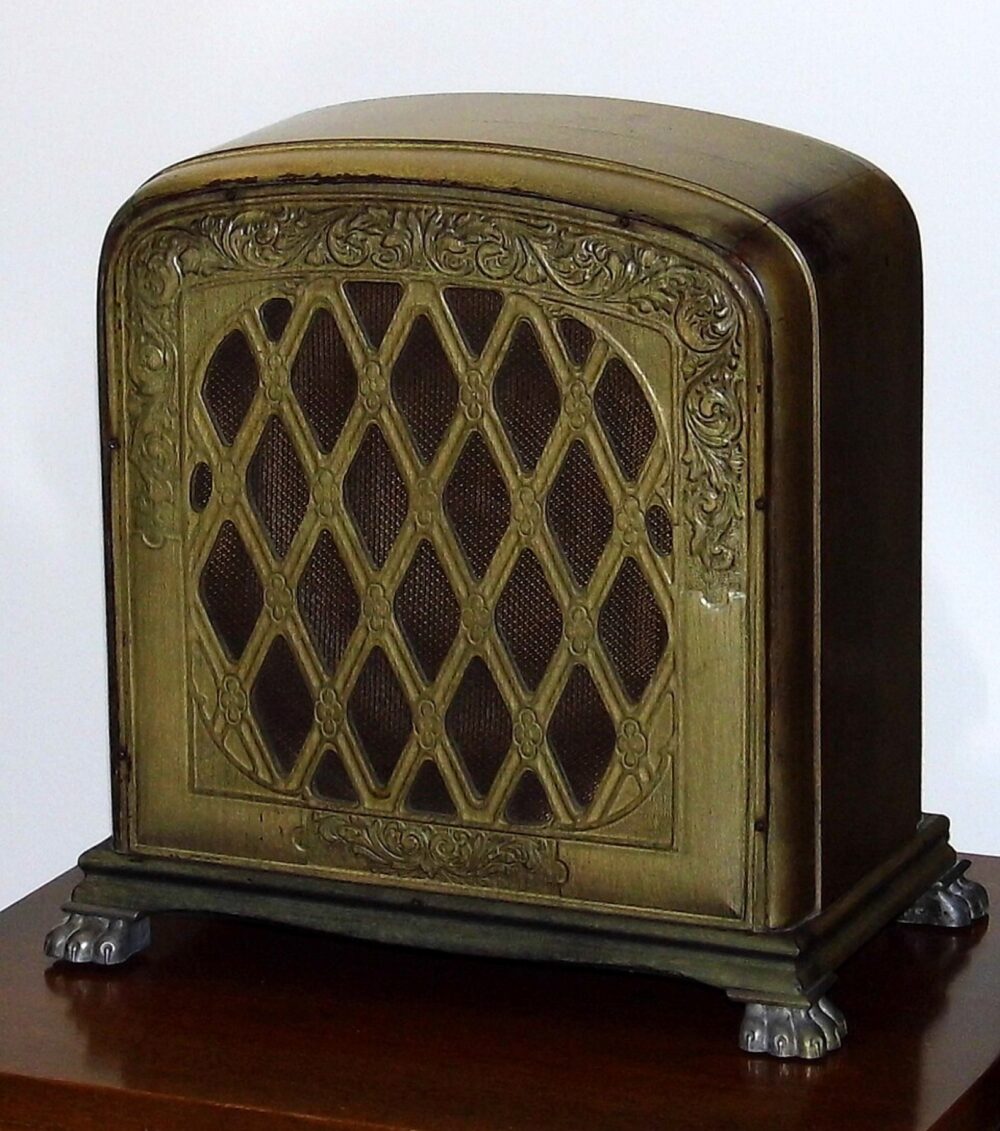
If you want vintage Wharfedale loudspeakers, start by picking a model family that fits your room and amplifier, then focus on condition. Compact Dentons make sense for small US living rooms, Lintons and Dovedales work as bigger, warm-sounding boxes, and Airedales are huge statement pieces often bought refurbished. True vintage Wharfedales are traded mostly on audio marketplaces like Reverb, eBay and audio-mart sites; DHgate is useful for general audio gear but rarely surfaces original vintage Wharfedale pairs, so it’s a secondary discovery tool, not your main hunting ground.
What Counts as a Vintage Wharfedale Loudspeaker?
Vintage Wharfedales are older loudspeakers known for a warm, musical balance and classic British cabinetry, often sought by music lovers who like a relaxed, non-clinical sound. As VintageTech Archive notes, the brand has a long hi‑fi history and a reputation for traditional wood-box designs.
For practical buying today, most people use “vintage” to mean older standmount and floorstanding models that predate the current Heritage reissues. Commonly discussed families include:
- Denton – compact bookshelf/standmount speakers with a classic look and a cozy, midrange-forward character. Good fit for apartments or small listening rooms.
- Linton – larger standmounts with a boxier cabinet and more bass weight, aimed at medium-size rooms.
- Dovedale – traditionally a step up in size and output over Linton, often used as a floorstander or large standmount for bigger spaces.
- Airedale – very large, furniture-like cabinets designed to be serious full-range speakers, closer to a piece of room décor than a small hi‑fi box.
People buy them for different reasons. A homeowner might want Dentons to pair with a modest integrated amp in a study. A small e‑commerce audio shop might stock restored Dovedales or Airedales as niche inventory for vintage collectors.
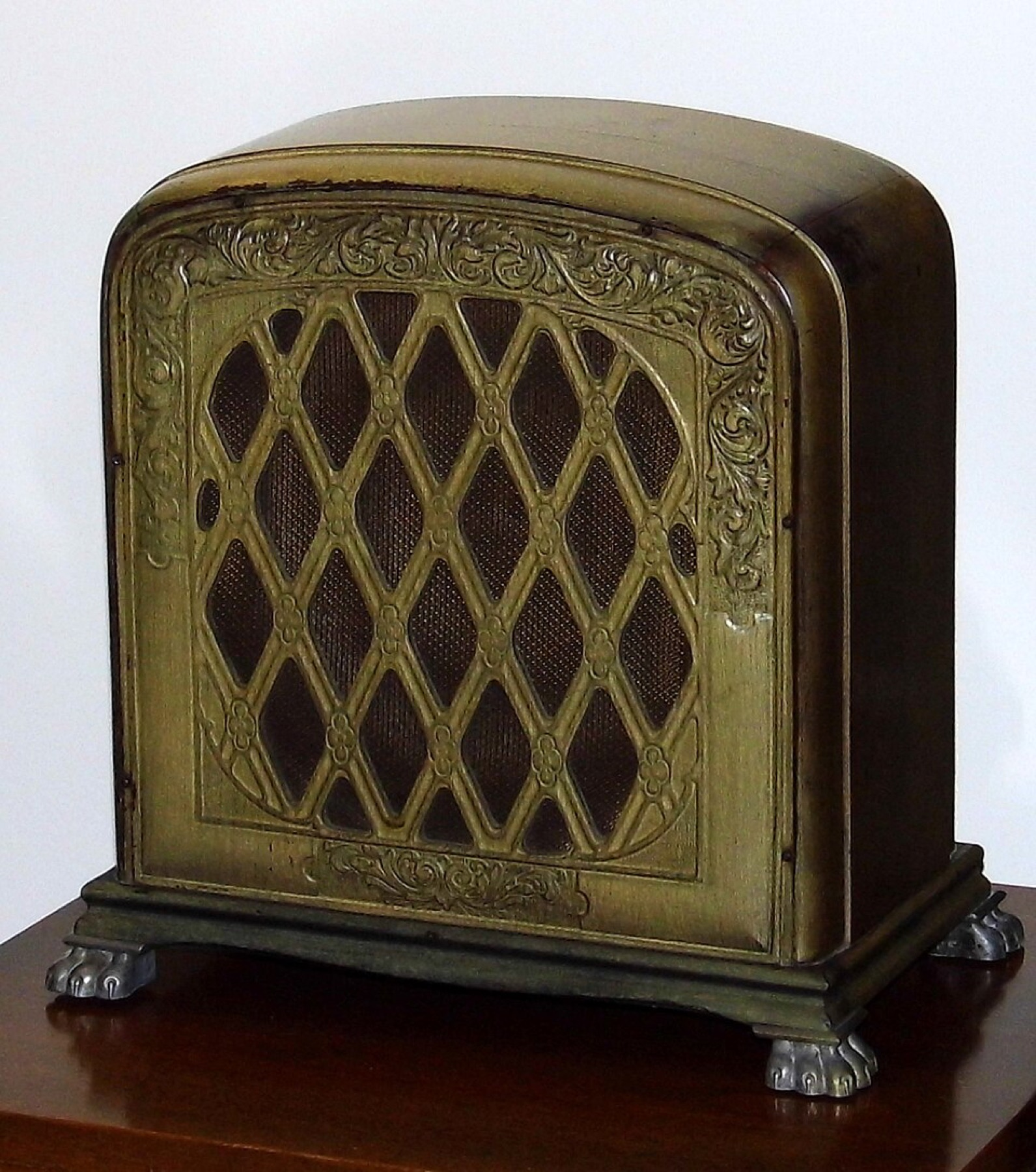
Denton vs Linton vs Dovedale vs Airedale: How They Differ
You don’t need a full spec sheet to narrow your choice. Thinking in terms of size, room match and typical use-case is enough for a first pass.
Here’s a compact comparison based on how these families are usually positioned:
| Model family | Typical size & form | Room fit (editorial judgment) | Typical buyer use-case |
|---|---|---|---|
| Denton | Small bookshelf / standmount | Small living room, office, bedroom | Cozy hi‑fi with a vintage look; easy to place on stands or shelves |
| Linton | Larger standmount box | Medium rooms where you can give them space from walls | Warm, full sound with more bass; often on dedicated stands in a main system |
| Dovedale | Large standmount / compact floorstanding | Medium to larger rooms; needs more breathing room | Bigger, more authoritative sound; attractive to enthusiasts and resellers restoring pairs |
| Airedale | Very large floorstanding cabinet | Large rooms; suited to dedicated listening spaces | Statement vintage speakers; often bought fully refurbished with some form of warranty |
Airedales show how far this can go. Specialist refurbishers like HQaudios sell restored Airedale pairs with a warranty, which underlines that these are serious, large-cabinet speakers that people are willing to invest in, not casual bookshelf boxes.
On the smaller end, listings for vintage Denton pairs on Reverb typically emphasize that they’re bookshelf speakers and describe how they were tested. That’s a clue for you: Dentons are aimed at listeners who want that classic British sound without committing to huge cabinets.
For room and amp matching, think in simple terms:
- Small room + modest amp (vintage receiver, modern 30-60W integrated) – Prioritize Denton or similar small Wharfedales.
- Medium room + mid-powered amp – Linton or Dovedale families make more sense; you get more bass and scale.
- Large, dedicated room + serious amp – Airedale-type designs are viable if you’re prepared for restoration costs and physical size.
Condition Checks and Where DHgate Really Fits in the Market
Once you know roughly which family you want, condition matters more than the model name. Vintage Wharfedales are old; your biggest risk is getting a pair that needs expensive repair.
From real Denton listings on Reverb and Dovedale parts kits on Canuck Audio Mart, buyers and sellers tend to focus on a few specifics:
- Originality of drivers and crossovers – Listings often call out “original drivers” and note whether crossovers have been serviced. If a Dovedale is only offered as a “driver and crossover kit,” you’re looking at a restoration project, not plug‑and‑play speakers.
- Operational testing – Serious sellers describe listening tests (e.g., both channels working, no obvious distortion). For your own purchase, you want some proof the pair has been powered up recently.
- Cabinet condition – Chips, veneer lifting, water damage, or loose baffles can turn a nice vintage speaker into a woodworking project.
If you’re a small reseller, you’ll likely either:
- Buy fully working pairs (Denton, Linton, Dovedale, Airedale) with recent testing and flip them, or
- Buy kits and rough pairs (like the Dovedale kit example) and build restoration into your business.
Where these checks map to marketplaces
In practice, here’s how the landscape looks for US buyers:
- Audio-focused marketplaces (Reverb, US/Canuck Audio Mart, specialist shops) – These are where you’re most likely to see properly described Denton, Linton, Dovedale and Airedale pairs, along with parts kits. Descriptions often mention driver originality, crossover condition and listening tests.
- General auction sites (eBay) – Wide selection but variable description quality. You may find bargains and rough projects; diligence on photos and seller communication is essential.
- Refurbishers and high‑end shops – For something like Airedales, refurbished sellers give you a restored pair with some warranty, trading price for lower risk.
DHgate’s realistic role
DHgate’s own blog presents the platform as a large marketplace with broad choice and competitive pricing for audio devices such as record players and turntables, highlighting its wide range of brands and direct connections between buyers and sellers. That makes DHgate useful if you want new audio gear to pair with your vintage speakers—turntables, small amps, accessories—rather than the vintage Wharfedales themselves.
In our research, we did not see evidence that DHgate is a regular channel for original Denton, Linton, Dovedale or Airedale loudspeakers. If you search DHgate, treat any “Wharfedale” listing carefully: confirm it’s an actual branded speaker, check photos and descriptions closely, and compare what you see against the kinds of detailed listings on audio marketplaces. For broader guidance on evaluating DHgate as a marketplace, you can read what DHgate is and how the marketplace works and use the DHgate order-readiness checklist before committing to anything.
For most US buyers and small e‑commerce businesses, a practical path is:
For additional DHgate platform context, use Find trusted sellers on DHgate.
- Decide whether you’re in the Denton/Linton/Dovedale/Airedale size bracket based on room and system.
- Focus your search on audio marketplaces and refurbishers that actually list vintage Wharfedales with condition details.
- Use DHgate primarily for supporting gear (record players, turntables, accessories) rather than as the main source for the vintage Wharfedale speakers themselves.