
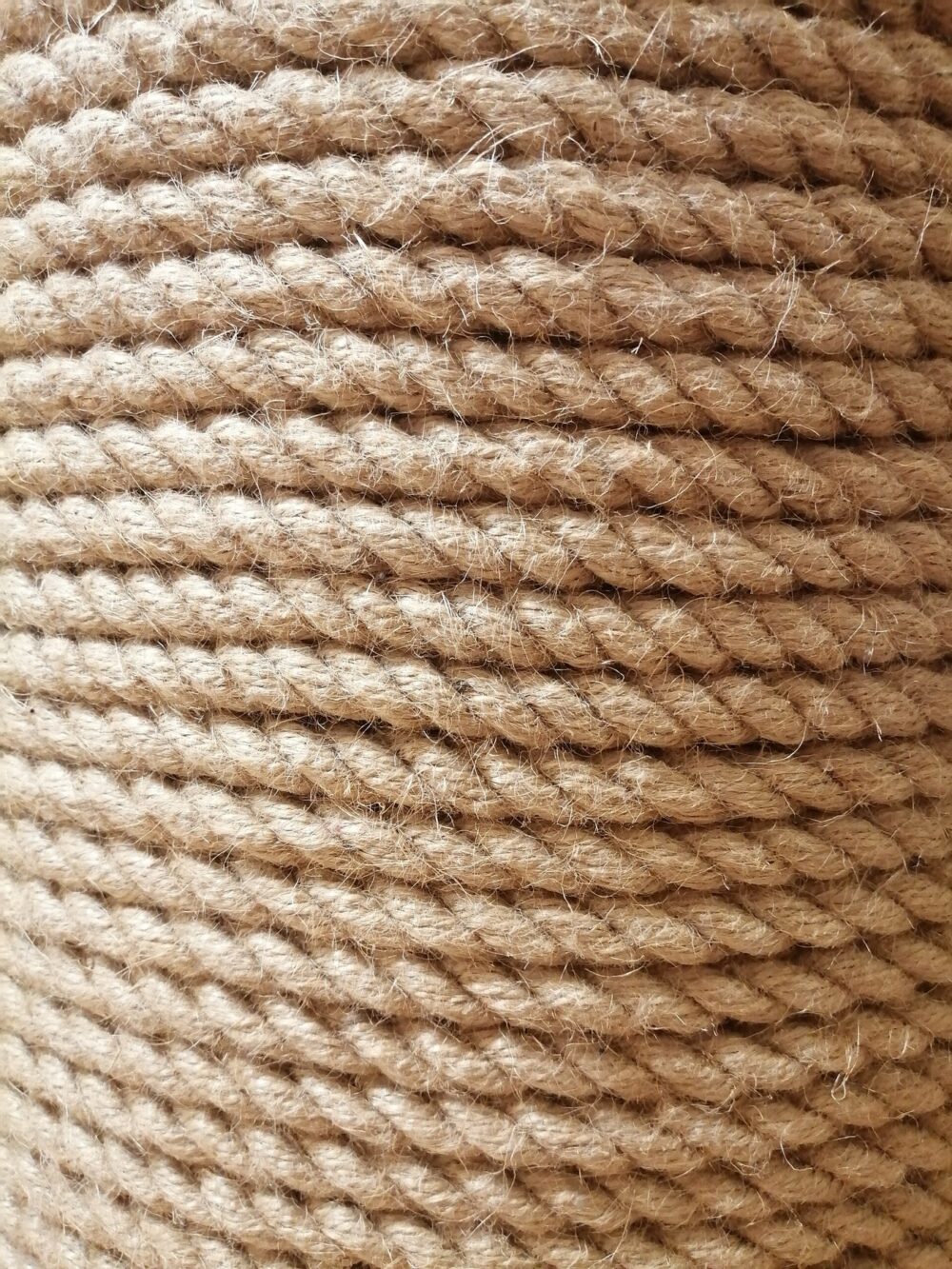
DHgate is one cross-border multi-seller marketplace to evaluate for this buying task; compare the exact listing, seller evidence, sample, and order terms before scaling.
What jute rope crafting supplies you’re actually looking for
“Jute rope crafting” can mean very different things depending on your project or shop. For a US buyer or small ecommerce business, it usually breaks into a few supply types:
- Raw jute rope in coils or spools for macramé, wrapped vases, plant hangers, wall art, or rustic packaging.
- Finished or semi-finished jute rope items you might resell or customize (for example, rope-based decor you add branding or embellishments to).
- Supporting craft materials that pair with jute: burlap, natural twine, hot glue sticks, metal rings, wood bases, etc.
Before you even open DHgate, write down the specs you care about: rope diameter, color (natural, bleached, dyed), texture (soft vs coarse), expected load (purely decorative vs light functional use), and whether you need continuous lengths for production vs short cut pieces for DIY kits. This spec list becomes the filter you’ll apply to whatever you find on DHgate.
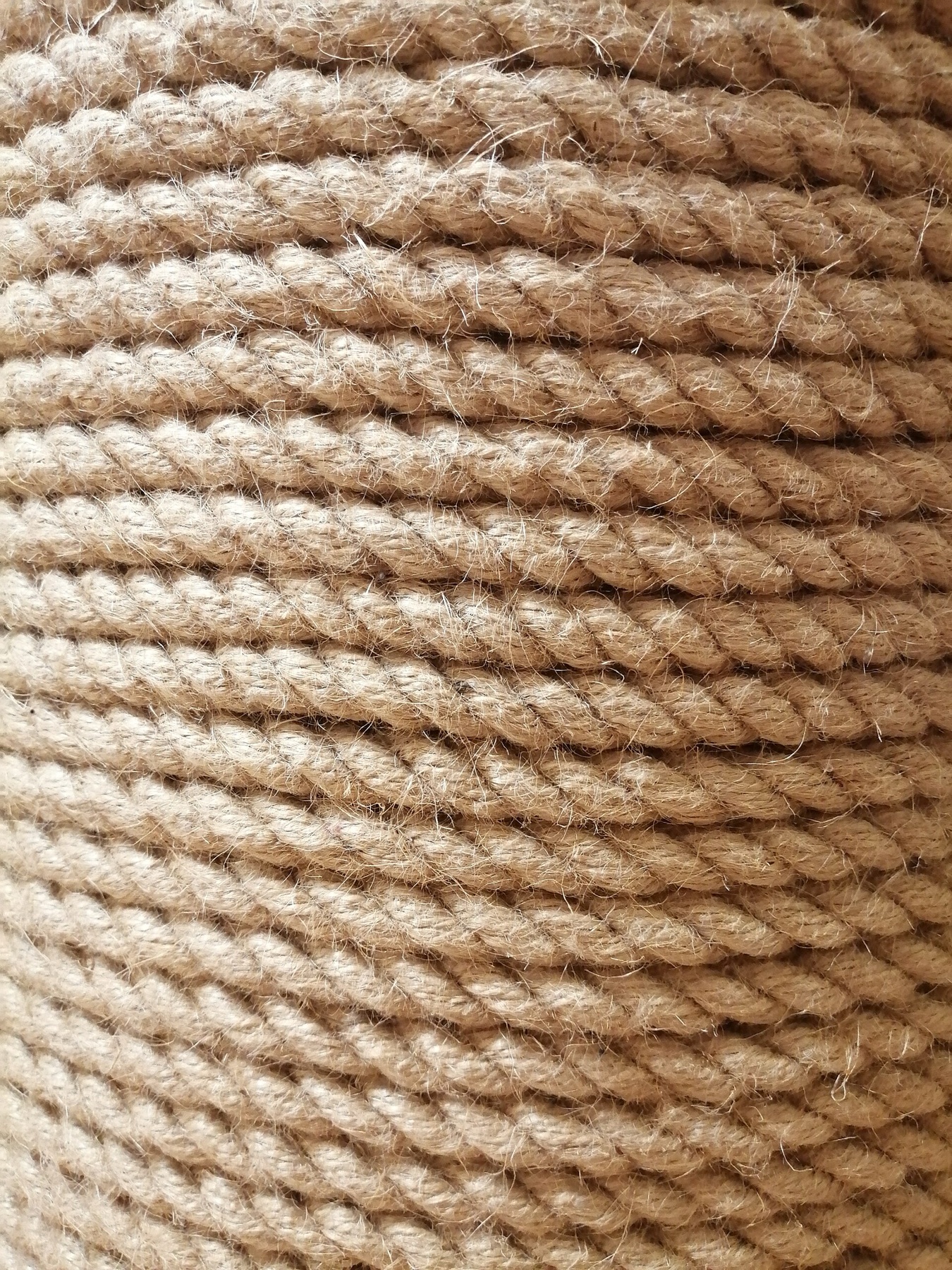
Step-by-step: searching DHgate for jute rope crafting listings
Because we don’t have jute-specific API data, you’ll be doing the searching yourself. Here’s a practical workflow that follows DHgate’s own sourcing-editorial advice for components and raw materials:
- Define your sourcing requirements clearly
Based on your projects, decide on approximate rope thickness, finish, minimum length per unit, and budget range. DHgate’s components guide suggests doing this first so you can judge listings against a fixed spec rather than getting lost in options.
- Start with broad, then narrow keywords
On the DHgate homepage, use the search bar with terms like:
- “jute rope”
- “natural jute cord”
- “jute twine”
- “burlap jute” (if you also need fabric)
For semi-finished decor, try “jute wall decor”, “jute hanging”, or “rope wall art” and see whether any items clearly use jute.
- Use platform filters to cut noise
DHgate’s own ecommerce guide highlights using filters and search tools to narrow products that match your criteria. After your initial search:
- Apply category filters (Crafts, Home & Garden, or Textile-related categories often house natural fiber goods).
- Filter by seller rating or review count to avoid brand-new, untested vendors.
- If available, filter by material keywords in the sidebar or in advanced search.
- Open several listings and read the specs line by line
DHgate’s shopping guide notes that listings typically include specifications, images, prices, and seller ratings. For jute rope crafts, focus on:
- Material description (does it explicitly say jute, or just “rope” or “hemp”?).
- Diameter and length per unit.
- Finish (polished, waxed, dyed, etc.).
- Photos: zoom in to check fiber texture and color consistency.
If “jute” is missing from the specs, treat the item as suspect for jute-specific crafts, even if the photos look similar.
- Follow related products and seller stores
Once a listing looks promising, click into the seller’s store and see their other natural-fiber products. DHgate’s components guide and handcraft editorial both encourage browsing related recommendations because many suppliers cluster similar materials (rope, burlap, baskets). This can surface better versions of the same rope or matching jute accessories.
- Shortlist 3-5 candidates before contacting anyone
Create a quick spreadsheet or notebook line with URL, claimed material, key specs, seller rating, and review volume. This makes it easier to compare later and keeps you from fixating on the first rope you see.
Evaluating DHgate jute suppliers and deciding when to look elsewhere
Once you’ve found possible jute rope or related supplies, the heavier work is vetting the seller and deciding whether DHgate is the right channel for your situation. DHgate’s own editorial for safe sourcing and wholesale buyers points to a few consistent practices.
Read ratings and reviews as jute-specific signals
DHgate blogs repeatedly recommend checking seller ratings, reviews, and transaction history when evaluating suppliers. For jute rope crafting, don’t just look at the average star rating:
- Scan reviews mentioning “material quality,” “rope,” “twine,” or “fabric.”
- Prioritize feedback that includes photos of natural fibers; they give you a better read on true color and texture.
- Notice complaints about smell, shedding, or inconsistent thickness — these matter a lot for craft use.
If a seller has high ratings but almost no reviews mentioning natural fibers, they may be better at other product types than jute.
Use samples and small orders to manage risk
Multiple DHgate editorial guides (on ecommerce sourcing, components, boutique sourcing, and wholesale confidence) all recommend ordering samples or small quantities first. Applied to jute rope:
- Ask the seller via DHgate messaging if they can provide a sample coil or a very small order that matches your exact spec.
- Clarify that you are testing fiber feel, color, and consistency for craft use, not just basic strength.
- Once you receive the sample, build one or two test pieces (for example, a wall hanging and a wrapped planter) to see how the rope behaves.
Treat this as a quality audition. If the sample disappoints, don’t stretch your requirements to fit the product; move on to another supplier or channel.
Compare terms, but don’t chase DHgate at all costs
DHgate’s wholesale editorial suggests researching sellers, using filters, and starting with smaller orders before scaling. As you compare potential jute suppliers, look at:
- How clearly they describe jute vs generic “rope”.
- Consistency of specs across listings in their store.
- Responsiveness and clarity when you ask material questions.
If you’re running a US craft brand with tight margins, there are situations where DHgate may not be the best fit:
- You can’t afford long trial cycles. Cross-border sampling takes time; if you need rope next week for an event or product drop, local suppliers are safer.
- Your order volume is tiny and sporadic. DHgate’s strengths show more for buyers who will reorder in modest bulk after finding a good supplier.
On the other hand, DHgate can be useful if you’re experimenting with new jute product lines, want to see diverse natural-fiber options before committing, or are comfortable running a few sample rounds to lock in a long-term supplier.
Quick comparison: DHgate search vs alternative channels
Use this as a sanity check while you decide where to focus your sourcing time:
| Scenario | DHgate search likely helpful | Local / other marketplaces likely better |
|---|---|---|
| Testing multiple jute rope styles for a new product line | Yes – broad discovery via keywords, filters, samples | Maybe – fewer options but faster delivery |
| Need consistent jute rope for ongoing production | Yes, if a supplier proves reliable after samples | Yes, if you require in-person inspection or strict labeling |
| One-off craft event or small DIY project | Possibly, but sampling time may be overkill | Yes – local craft stores and domestic online shops |
| Eco-branded line needing documented jute sourcing | Only if listings and seller answers are precise | Often better from niche eco/organic wholesalers |
If your use case lives mostly in the right-hand column, treat DHgate as optional, not central.
Finally, if you’re new to the platform overall, it can help to read a general explainer like What DHgate is and how the marketplace works and a trust-focused guide such as Find trusted sellers on DHgate. When you do reach checkout, the DHgate order-readiness checklist is a good last pass to confirm that the jute supplier and specs you’ve chosen match what your craft business actually needs.