
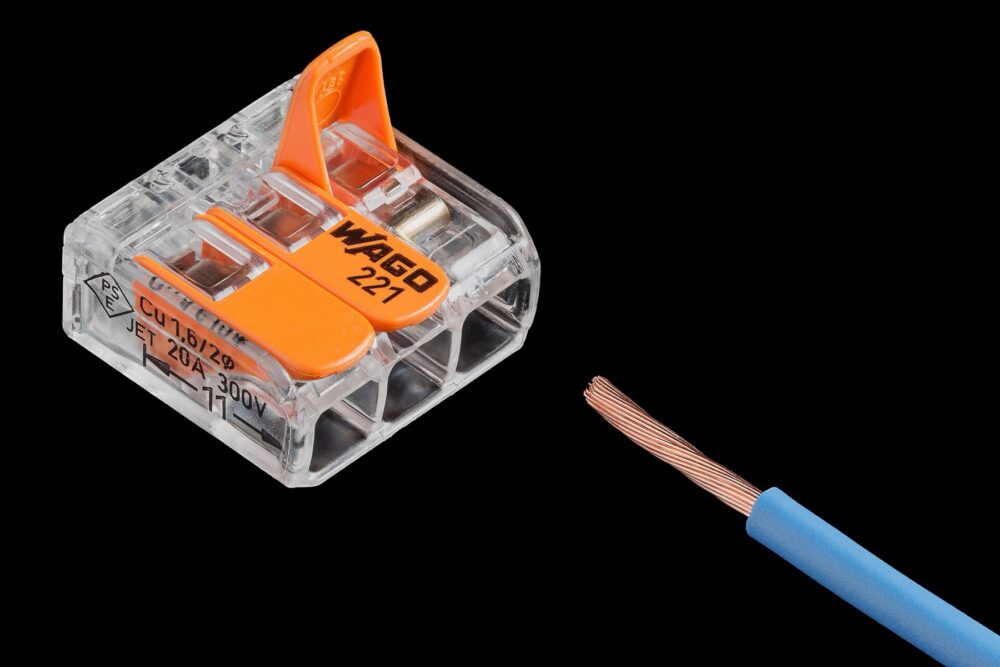
Wire tap connectors are small terminals that let you join a new wire onto an existing run without cutting the original cable, stripping insulation, or soldering. For 12-24V harness builds in vehicles, trailers, and marine gear, they’re mainly used to add accessories or low‑current branches to an existing loom. To choose good ones, match the tap exactly to your wire size, favor proven brands, and buy from channels that let you confirm specs before you commit to a large pack or ecommerce stock.
What wire tap connectors are and why harness builders use them
A wire tap connector creates a side connection from a “main” wire to a “branch” wire. In most designs, a metal element pierces the insulation of both conductors when you close or crimp the connector, making contact without you cutting the main wire.
Brands like Narva market their wire tap connectors specifically for general‑purpose 12V and 24V automotive wiring, so installers can add lights, sensors, or other accessories into an existing loom with minimal disruption to the harness. That’s attractive when you’re:
- Working on a finished vehicle where re‑looming isn’t practical.
- Adding relatively low‑current accessories on existing circuits.
- Doing field service work where you need something faster than soldering.
Harness builders still tend to prefer proper junctions and crimp terminals for high‑current or safety‑critical circuits. Wire taps are mainly a convenience tool: they’re quick, compact, and can be installed with basic pliers, but they rely on precise wire sizing and careful routing to stay reliable.
Key wire tap styles and specs that actually matter
Several connector families get sold as “wire taps,” but they behave differently and suit different harness styles.
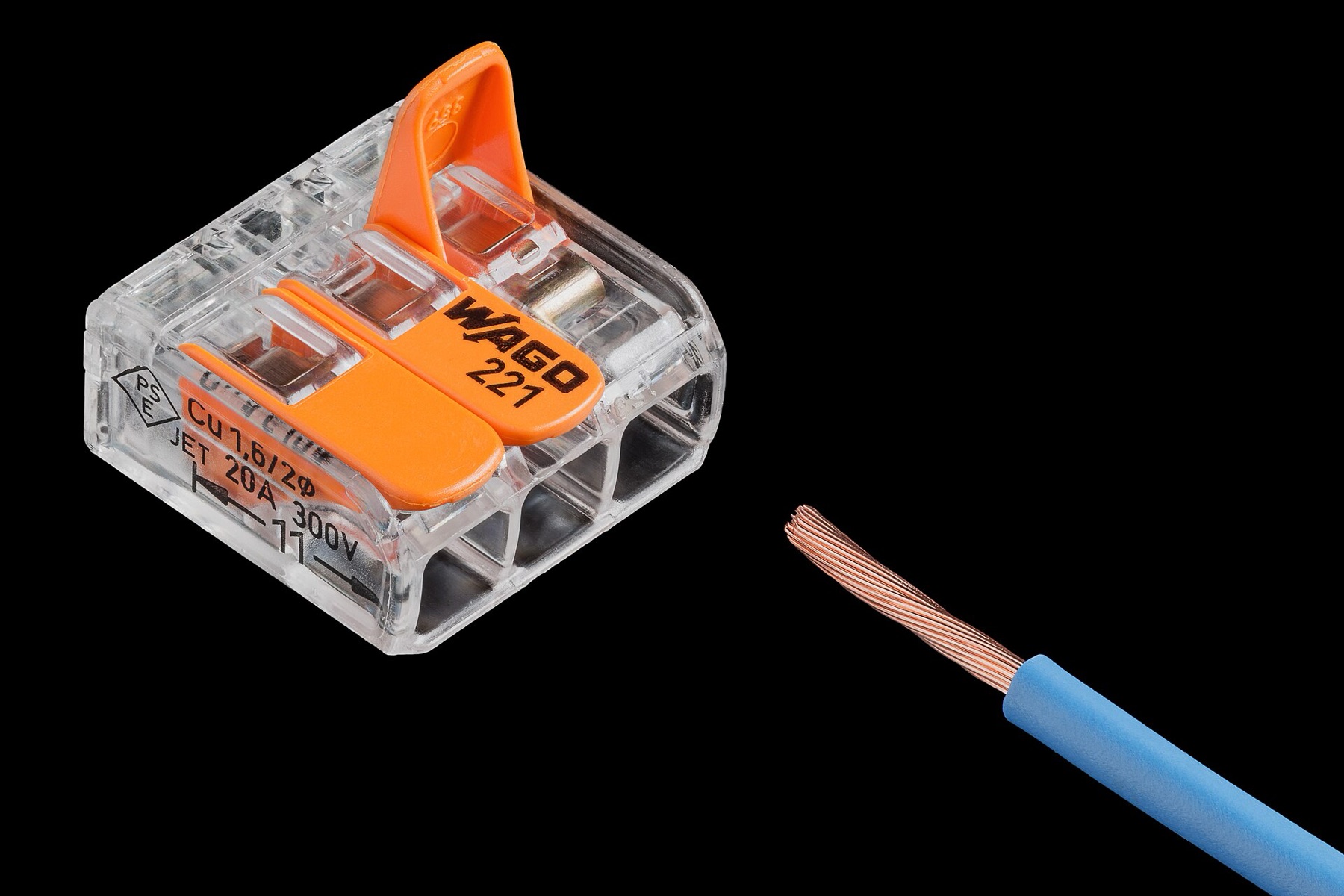
1. Automotive quick‑splice wire taps
These are the classic plastic shells with a hinged body and a metal blade inside. You place the existing wire and the new wire into separate channels and close the body; the blade pierces both insulations to make contact.
Concrete example: Narva’s wire tap connector line includes variants sized for roughly 3-4 mm automotive cable, which is typical for light accessory branches in 12-24V systems. Their taps are sold through Australian distributors in both 6‑packs for small jobs and 50‑packs when you’re stocking a workshop or building multiple harnesses.Narva’s 6‑pack and 50‑pack listings show these pack options clearly.
For this style, focus on:
- Wire size range: The tap must match both the main and branch conductor sizes. A connector sized for 3-4 mm cable won’t reliably pierce or hold thinner leads.
- Insulation type: These are designed for typical PVC automotive cable. Harder or double‑insulated wire may not seat properly.
- Material quality: Look for tinned copper or similar for the blade and robust plastic shells that won’t crack under engine‑bay heat.
2. Posi‑style screw connectors (reusable joins)
Posi connectors, sold in Australia by Pro Quip, use a different concept: they’re screw‑tightened connectors where you insert stripped wire ends and twist the body to clamp them. They don’t pierce insulation, and many variants are reusable — you can unscrew them and change the connection.
On Pro Quip’s posi wire connectors page, the design is positioned as a reusable alternative to one‑time quick‑splice taps. For harness builders, posi connectors can be handy when you’re prototyping a loom or expect to reconfigure accessories later.
Relevant specs here are:
- Supported wire gauges and whether stranded or solid conductors are recommended.
- The mechanical design (thread quality, body material) so vibration doesn’t loosen the connection.
3. Industrial insulation‑displacement (IDC) taps and splices
Industrial distributors list more controlled insulation‑displacement connectors (IDC), including wire tap styles where a metal element cuts through insulation in a guided housing. McMaster‑Carr’s catalog includes several wire tap connector and tap connector families intended for panel, control, and equipment wiring, not just automotive.
Australian electronics retailers like Wiltronics group similar parts under splice connectors, including quick‑splice designs that resemble automotive taps.
With IDC parts, pay attention to:
- The specified wire gauge range and conductor type (solid vs stranded).
- Any stated application scope (control wiring, telecom, general low‑voltage) and whether that matches your harness environment.
Summary table: which type when?
| Connector style | Typical use in harness work | Wire handling | One‑time vs reusable |
|---|---|---|---|
| Automotive quick‑splice tap | Fast accessory branches on 12-24V vehicle looms | Pierces insulation (IDC) | Generally one‑time |
| Posi screw connector | Adjustable accessory wiring, prototyping looms | Clamps stripped conductors | Often reusable |
| Industrial IDC tap/splice | Controlled panel/control harnesses, equipment looms | Guided insulation piercing | Usually one‑time |
For a small Australian workshop, the quick‑splice and posi families cover most vehicle harness scenarios. Industrial IDC taps are more relevant if you build control panels or equipment harnesses under known environmental conditions.
Where to buy wire tap connectors online and how channels compare
You can source wire tap connectors through several distinct channels, each with different strengths for harness builders and ecommerce sellers.
Local auto‑electrical and electronics retailers (Australia)
For straightforward automotive builds, staying local is often easiest. Narva’s wire taps in 6‑ and 50‑packs are widely distributed through Australian auto‑electrical outlets and online retailers. Carac, Outback Equipment, and chain stores often carry Narva or similar quick‑splice taps, giving you:
- Familiar automotive brands sized for common 12-24V cable (for example, 3-4 mm variants listed at Carac).
- Short delivery distances and clear GST handling.
Electronics suppliers such as Wiltronics add a broader mix of splice and IDC connectors if your harness work crosses into control or instrumentation wiring.
Global industrial distributors
If you’re standardizing harnesses for equipment or building ecommerce kits, industrial catalogs like McMaster‑Carr’s wire tap connectors can be useful. They typically provide:
- Detailed spec sheets on wire gauge, insulation type, and temperature ranges.
- Families of IDC taps, terminals, and splices that match control and OEM harness practices.
These channels are better suited if you need consistent part numbers and documentation rather than generic “automotive” taps.
Marketplace listings (Amazon‑style and cross‑border)
General marketplaces such as Amazon host many tap and quick‑splice kits aimed at automotive users, often bundling multiple wire gauge ranges and colors in one assortment. An example is a 30‑piece nylon copper T‑tap assortment kit on Amazon Australia promoted for control and automotive electrical use, covering roughly 0.5 to 4 mm² conductors. Kits like this can be convenient for small shops that want variety over brand consistency.
For cross‑border bulk sourcing, DHgate is one marketplace option where you may find generic wire tap or splice connector kits sold directly by factories or traders. Because listings and sellers vary, treat DHgate as a potential source of volume rather than a default choice:
- Start with small trial orders and samples to confirm the actual wire size range, materials, and fit with your harness jigs.
- Use seller ratings and detailed photos to weed out obviously low‑quality items.
- For any auto‑electrical use, remember DHgate’s own blog advice around auto connectors: incorrect wiring can create safety hazards, and professional help is recommended for vehicle electrical work.You can read this cautionary context in DHgate’s auto connector FAQ.
If you plan to lean on DHgate more broadly, it’s worth reviewing marketplace‑level guidance such as what DHgate is and how the marketplace works, plus trust‑focused pieces like how to find trusted sellers on DHgate and the order‑readiness checklist before checkout.
Making a channel choice for your harness work
For one‑off vehicle accessories or small harness projects in Australia, branded automotive taps from local retailers (e.g., Narva quick‑splice connectors sized for 3-4 mm cable in 6‑packs) are usually the most straightforward choice: known fit, known brand, quick delivery.
If you’re building repeatable harnesses or ecommerce kits, mix channels based on your priorities:
- Use industrial IDC taps from suppliers like McMaster‑Carr for documented, controlled panel or equipment harnesses.
- Keep posi‑style connectors from Pro Quip on hand for reconfigurable accessory looms.
- Consider DHgate or other cross‑border marketplaces only after you’ve validated samples, since connector sizing and materials can vary more than the product titles suggest.
That way, you match connector type and sourcing channel to the actual job: how critical the circuit is, how many harnesses you’re building, and how much control you need over specs versus price.